On the surface, rabbits seem like the perfect pet for kids. They’re cute, quiet, and don’t need walking — a dream, right? Not quite. While rabbits can be wonderful family pets, they’re not the cuddly, low-maintenance starter animals many people assume. Behind those twitchy noses and fluffy tails are sensitive, intelligent animals with complex needs.
If you’re thinking about getting a rabbit for your child, this guide will walk you through everything UK parents need to know — from realistic care routines to whether your child is ready, and what breeds work best for families.
Quick Answer: Are Rabbits Good Pets for Children?
Rabbits can make great pets for older, calm, and gentle children — but they’re not suitable for toddlers or hands-on, grabby play. They need lots of space, quiet handling, and daily care. If you’re willing to supervise and take the lead on their wellbeing, a rabbit can become a brilliant family companion. But they’re never a “starter pet” you can leave to the kids.
Why rabbits are appealing to families

It’s easy to see why rabbits are a top pick for many families. They’re:
And unlike cats or dogs, rabbits don’t need walks — a definite bonus for busy households. But while they tick a lot of boxes, it’s important to look past appearances and understand what rabbits actually need.
Are rabbits easy for children to handle?
At first glance, rabbits might seem like a great match for kids — small, quiet, and soft to touch. But handling a rabbit properly isn’t always as simple as it looks. Unlike cats or dogs, rabbits have very specific needs when it comes to physical interaction — and most don’t enjoy being picked up or restrained, especially by young hands.
To understand whether rabbits are a good fit for children, it’s important to look at how they communicate and how they naturally behave around humans.
Understanding rabbit behaviour and body language
Rabbits are prey animals, meaning they’re naturally cautious. Loud noises, quick movements, or rough handling can make them anxious or even fearful. Unlike a dog who might come running for affection, a rabbit needs trust, patience, and gentle interaction.
Important behaviour facts:
What this means for children
While rabbits are loving and interactive in the right environment, they’re not ideal for toddlers or very young children. Without adult support, children may unintentionally mishandle rabbits, causing injury to the animal — or themselves.
Injuries from drops or improper handling are a leading cause of vet visits for pet rabbits. A frightened rabbit can also bite or lash out, which can frighten children and damage trust on both sides.

Quick Tip
Always supervise children when interacting with a rabbit. Show them how to sit quietly, offer a treat, and gently stroke the rabbit’s head — never chasing or grabbing.
How Much Care Do Rabbits Actually Need?

Despite their small size, rabbits are high-maintenance pets. They need far more than just a hutch and a bit of lettuce. Daily care is non-negotiable — and often underestimated.
⏰ A typical day involves:
- Feeding unlimited fresh hay (80% of their diet), plus a handful of greens and a small portion of pellets.
- Cleaning their water bowl and checking their litter tray.
- Spot-cleaning any soiled bedding areas.
- Providing 4–6 hours of free-roam time outside their enclosure.
- Offering toys, tunnels, and foraging opportunities to keep their minds active.
- Gentle grooming, especially for long-haired breeds.
- Daily health checks to spot signs of dental issues, GI stasis, or sore feet.
🩺 Medical needs add up too.
In the UK, rabbits should be vaccinated annually against:
- Myxomatosis
- Rabbit Viral Haemorrhagic Disease (RVHD) types 1 & 2
Neutering is also recommended to prevent hormonal aggression and, in females, uterine cancer. These procedures and vaccinations mean vet costs should always be factored into your decision — they’re not optional extras.
Are rabbits safe pets for children?
Rabbits aren’t aggressive by nature, but they can become defensive if scared. This may lead to nipping, scratching, or sudden bursts of speed that frighten young children. Conversely, children may accidentally injure rabbits with:
- Rough cuddles
- Picking up from the wrong angle
- Chasing during play
Safety goes both ways — a rabbit and a child both need to be protected. That’s why close supervision is essential.
Quick Tip
Create a low table or blanket area where your child and the rabbit can interact calmly, seated together. Let the rabbit approach in their own time.
Best rabbit breeds for families

While every rabbit is an individual, some breeds tend to be more docile and people-friendly. If you’re considering a family rabbit, these breeds are worth exploring:
Quick Tip
Avoid very large breeds (like Flemish Giants) or highly energetic breeds (like Belgian Hares) unless your child is older and experienced, as they can be harder to manage.
What age is best for a child to have a rabbit?
Most experts recommend waiting until your child is at least 7–8 years old, ideally older, before bringing a rabbit home. Even then, the rabbit is still the adult’s responsibility — not the child’s.
Ask yourself:
- Can your child be gentle, quiet, and patient?
- Are you happy to clean, feed, and pay for the rabbit’s care daily?
- Will your home allow enough space for safe free-roaming and exercise?
If the answer is yes, a rabbit might be a great addition to your family — but only with your commitment front and centre.
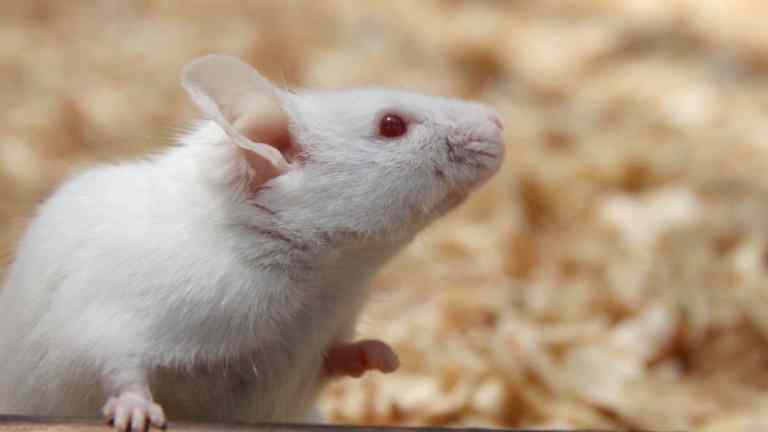
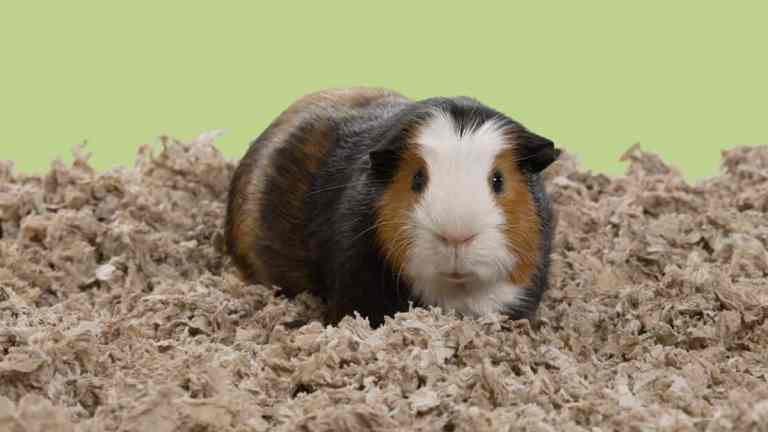
Is a rabbit better than a hamster or guinea pig?
It depends on what your family is looking for.
|
Pet |
Good for younger kids? |
Handling |
Daily Care Needs |
Longevity |
|---|---|---|---|---|
|
Rabbit |
⚠️ Best for 8+ with supervision |
Limited cuddling |
High |
8–12 years |
|
Guinea Pig |
✅ With adult help |
Easier to hold |
Medium |
4–8 years |
|
Hamster |
❌ Not ideal for young kids |
Fast, nocturnal |
Low-medium |
2–3 years |
Rabbits tend to live the longest and need the most space. If your family is brand new to pets, a guinea pig might be a gentler introduction — with the option of moving up to a rabbit once your child is older and more responsible.
Reality Check: Pros and Cons of Rabbits as Kids’ Pets

The Pros:
The Cons:
🐇 Rabbit-Readiness Checklist for Families
Before bringing a rabbit home, make sure your setup — and expectations — match their needs.
Final Thoughts
Rabbits can be a brilliant family pet — but only when adults take the lead and children learn to engage gently and respectfully.
They’re not low-maintenance. They’re not cuddly toys. But they are intelligent, affectionate, and full of personality once trust is built. With time, space, and proper care, a rabbit can become more than just a pet — they can become a true member of the family.