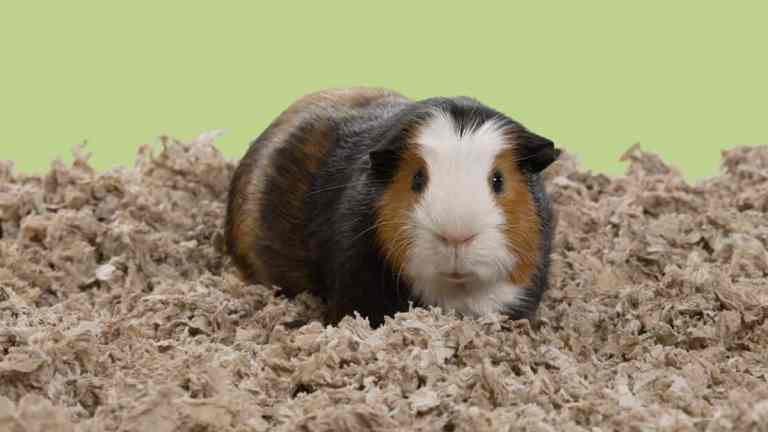
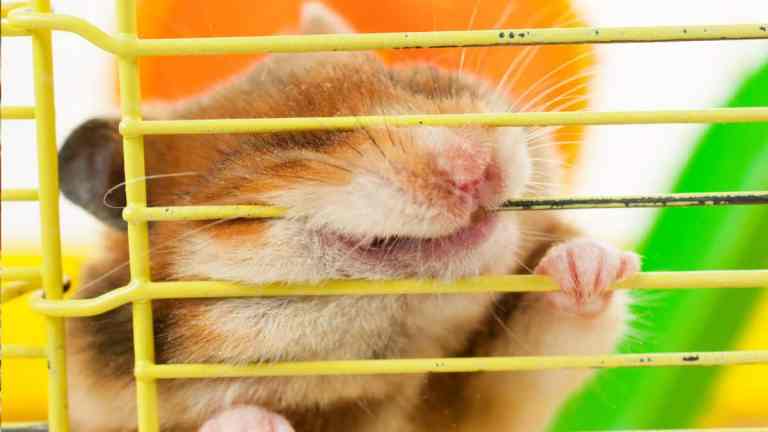
Rats might just be the most underestimated pets in the UK. While they’re often overshadowed by fluffier favourites like hamsters or guinea pigs, rats offer something truly special: intelligence, emotional depth, and a level of interactivity that most small pets simply don’t match. These clever, affectionate companions are quick learners, deeply social, and incredibly attuned to their surroundings — including their bond with you.
Whether it’s learning tricks, solving puzzles, or simply curling up in your sleeve for a nap, rats bring a unique kind of brilliance to the pet world. And once you understand just how capable and connected they are, you’ll start to see them not just as a smart choice — but as genuinely extraordinary pets.
Why Are Rats Considered Geniuses of the Pet World?
When it comes to brainpower, rats punch well above their weight. These little legends aren’t just “smart for a rodent” — they’re genuinely intelligent animals with sharp memories, emotional awareness, and a strong instinct for social bonding. In fact, their ability to learn, adapt, and communicate puts them on par with some of the most trainable pets out there.
What makes rats so clever isn’t just their knack for tricks or maze-solving — it’s their curiosity and willingness to engage with the world around them. They explore problems, test solutions, and even show signs of empathy, especially when living in pairs or groups. A rat will remember your voice, come when called, and navigate its environment with impressive confidence.
They’re not just watching you — they’re studying you. And if you’re lucky, they might just teach you a thing or two.
Just a few genius-level facts:
- 🧠 Rats can solve complex tasks after just a few repetitions
- 🗣️ Many will respond to their names and familiar voices
- 🤝 They show empathy — even choosing to help another rat in distress, studies have shown
- 🧩 Rats excel in memory tests, object recognition, and learning by observation

Quick Tip
Give your rats something to think about. Puzzle feeders, hidden treats, or DIY cardboard obstacle courses keep those clever little brains ticking — and prevent boredom-based behaviours.
Can You Train a Rat Like a Dog?
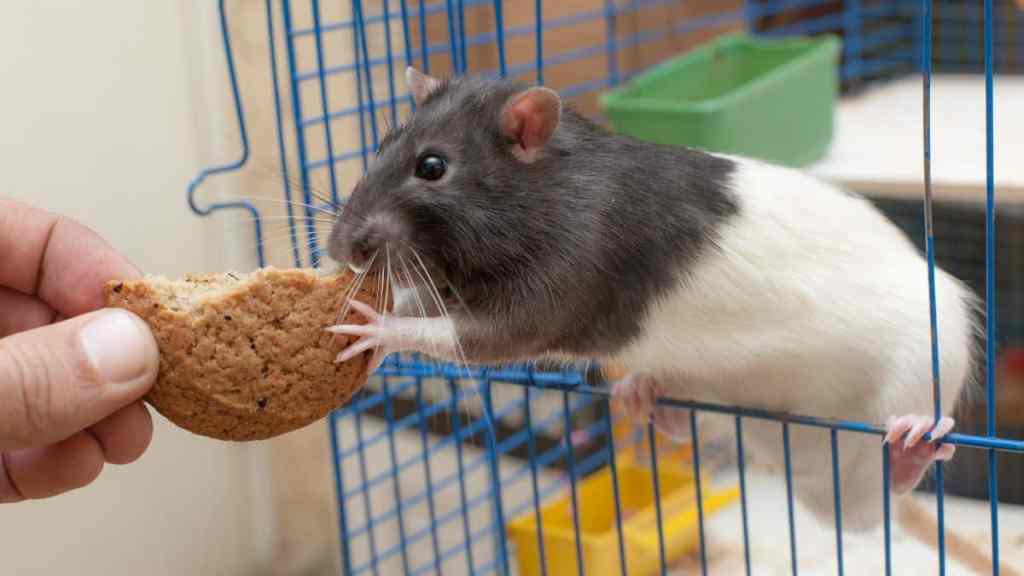
Surprisingly, yes — and in some ways, rats might even be easier to train than dogs. With their sharp memory, food motivation, and eagerness to interact, rats respond brilliantly to positive reinforcement. Many owners are shocked at how quickly their rats pick up commands, solve puzzles, and even perform tricks on cue.
Unlike other small pets who prefer a “look but don’t touch” relationship, rats actively seek connection. They enjoy being part of your routine and will happily repeat behaviours that earn praise (or a tasty oat flake). You don’t need fancy gear either — a quiet space, some patience, and a few favourite snacks will get you far.
What rats can learn with training:
- 🐭 Come when called (yes, really)
- 🔄 Spin in circles
- 🎯 Target training (touching a stick with their nose)
- 🎩 Jump through hoops or over low obstacles
- 🧺 Use a litter tray
- 📦 Retrieve objects or run through mini mazes
Training isn’t just a party trick. It’s a way to build trust, reduce boredom, and improve your rat’s quality of life. Even five minutes a day makes a difference.
Quick Tip
Try clicker training! Rats respond incredibly well to clear signals and quick rewards — and they often enjoy the “game” of learning.
Do Rats Actually Enjoy Human Company?

Absolutely. Rats don’t just tolerate human interaction — many of them thrive on it. These are not aloof pets happy to be left to their own devices. Rats are emotionally intelligent animals who form deep bonds with their caregivers, often recognising voices, responding to their name, and seeking out affection.
If you’ve ever had a rat curl up in the crook of your arm or groom your fingers with delicate little licks, you’ve seen just how affectionate and trusting they can be. They genuinely enjoy social time with people, especially if they’ve been gently handled from a young age.
Many rats will:
- Climb into your sleeves or hoodie pockets for a nap
- Groom you, especially your fingernails or cuticles (a weird but sweet gesture of trust)
- Follow your hand around their play area like a curious puppy
- Sit on your shoulder and sniff your ears as you go about your day
Rats crave attention — and being left alone for long stretches isn’t just boring, it can actually be emotionally distressing.
⚠️ Important: Rats should never be kept alone. They’re highly social and need same-species companionship. The best setup? A pair (or more) of the same sex, ideally siblings or well-bonded rats introduced carefully.
Are All Rat Breeds Clever?
Yes — all domesticated “fancy” rats are impressively intelligent. But some individual rats might be more interactive or adventurous than others, depending on temperament, socialisation, and even breed variation.
For example:
- Dumbo rats (with low-set ears and wide faces) are often calm, cuddly, and very people-focused.
- Rex rats, with curly fur and whiskers, tend to be curious, playful, and full of mischief.
- Hairless rats are extra affectionate — possibly because they rely more on warmth and contact from cage mates and humans alike.
But in truth, it comes down to personality. Some rats are bold explorers. Others are quiet observers. Just like dogs, each rat has their own unique character — and their intelligence shines brightest when you work with who they naturally are.
Quick Tip
The more time you spend with your rats, the more their quirks and preferences will show. Use training, play, and gentle handling to unlock their personality.
Easy Enrichment Ideas for Clever Rats

Keeping a rat mentally stimulated isn’t just a nice bonus — it’s essential. These animals are sharp thinkers, natural problem-solvers, and easily bored. Without enough to do, rats can become frustrated or withdrawn, and may start chewing the bars, fighting with cage mates, or developing stress-related habits.
The good news? Enrichment doesn’t have to cost a thing. In fact, some of the best brain-boosters come from your recycling bin.
Here are six low-cost enrichment ideas to keep your rats mentally and physically engaged:
Quick Tip
Rats thrive on variety. Try rotating toys and layouts every few days to keep their environment feeling new and exciting.
Do Rats Remember You?
Yes — and they remember more than you think.
Rats have excellent memories. In fact, they’re capable of long-term recall, especially when it comes to people they trust, routines they enjoy, and experiences they’ve found rewarding or frightening. If you’re a regular part of their daily life, your rats will absolutely know who you are — by voice, scent, and sight.
Rats can remember:
- Your voice: Many rats respond to their name or the sound of your footsteps.
- Handling routines: They know when it’s playtime, cuddle time, or treat time.
- Feeding schedules: Late with dinner? Expect a scolding squeak.
- Familiar faces and objects: Rats may hide from strangers but eagerly greet you.
This strong memory is part of why rats are so trainable — and why early socialisation makes such a big difference. Once you’ve earned their trust, it lasts.
A rat resting its head in your palm, grooming your hand, or climbing up your sleeve without hesitation? That’s a rat that knows and loves you.
What Makes Rats So Unique as Pets?

Rats aren’t just smart — they’re soulful. They blend brains, affection, and curiosity in a way that’s rare among small pets. While hamsters tend to prefer solo life and guinea pigs can be a bit hands-off, rats actively seek interaction. They don’t just tolerate your presence — they want to be part of your world.
What makes them stand out?
Plus, they’re silent, mostly odour-free, and don’t require much space — making them brilliant for homes where dogs or cats might not be an option.
Rats are the underdogs of the pet world — clever, kind, and criminally underrated. Once you’ve bonded with one, there’s no going back.
Final Thoughts
If you’ve made it this far and still think rats are “just clever mice” — think again. These little legends are intelligent, emotional, and absolutely packed with personality. From recognising their name to solving puzzles and cuddling into your jumper, rats give you a connection that’s rare in pets this small.
Rats aren’t just for science labs or cartoons. They’re for people who want a clever, cuddly companion with a sense of adventure and a whole lot of heart.
So if you’re after a pet that’s smart enough to learn tricks, affectionate enough to groom your hand, and curious enough to explore every corner of your home — rats just might be your perfect match. 🐀💡