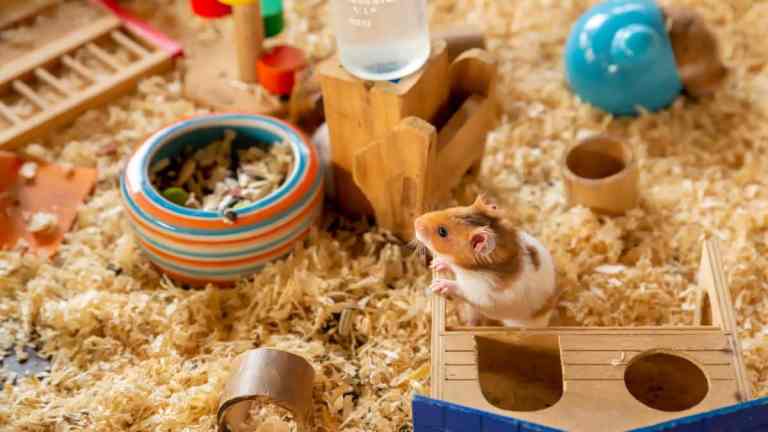
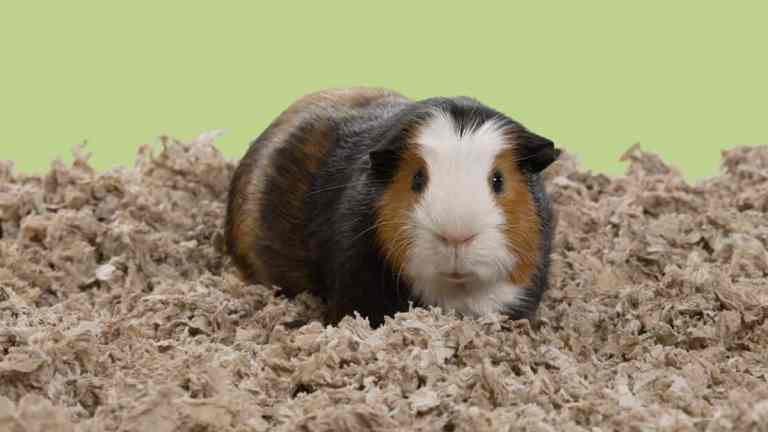
A proper guinea pig cage set-up should include ample floor space, safe, dust-free bedding, constant access to hay, and multiple hiding spots and enrichment items. Choose a cage that meets welfare guidelines (minimum 120 x 60 cm for two pigs) and keep it clean, well-ventilated, and enriched for natural behaviour.
Why Guinea Pig Cage Set-Up Matters
When it comes to guinea pig care, housing is one of the most misunderstood areas. Too often, cages sold in pet shops are far too small. Bedding is dusty or unsafe. And many new owners simply don’t realise just how much space, stimulation, and cleanliness guinea pigs really need.
A well-set-up cage isn’t just about comfort — it’s essential to your guinea pig’s health, happiness, and long-term wellbeing. In this guide, we’ll walk you through the ideal guinea pig cage set-up step by step, with UK welfare standards in mind.
Step 1: Choosing the Right Cage Size and Style
Minimum space requirements (and why bigger is better)
Guinea pigs are active, social animals who love to explore. They need floor space — not vertical levels — to move around naturally.
The RSPCA recommends a minimum cage size of 120cm x 60cm for two guinea pigs. However, many guinea pig experts and rescues encourage even bigger enclosures, especially for more than two pigs.
A spacious cage helps prevent:
- Fights due to overcrowding
- Obesity from inactivity
- Stress-related behaviours (like bar biting or hiding constantly)
Types of cages to consider
- C&C cages (Cubes and Coroplast): Highly customisable, affordable, and easy to expand. Great for indoor use.
- MidWest guinea pig habitats: Popular and easy to set up, but best used with added support underneath.
- DIY wooden enclosures or converted playpens: Just be sure they’re chew-safe and escape-proof.

Quick Tip
Avoid cages marketed for rabbits or hamsters — they’re often too small, too tall, or poorly ventilated for guinea pigs.
Step 2: Safe and Comfortable Bedding Options
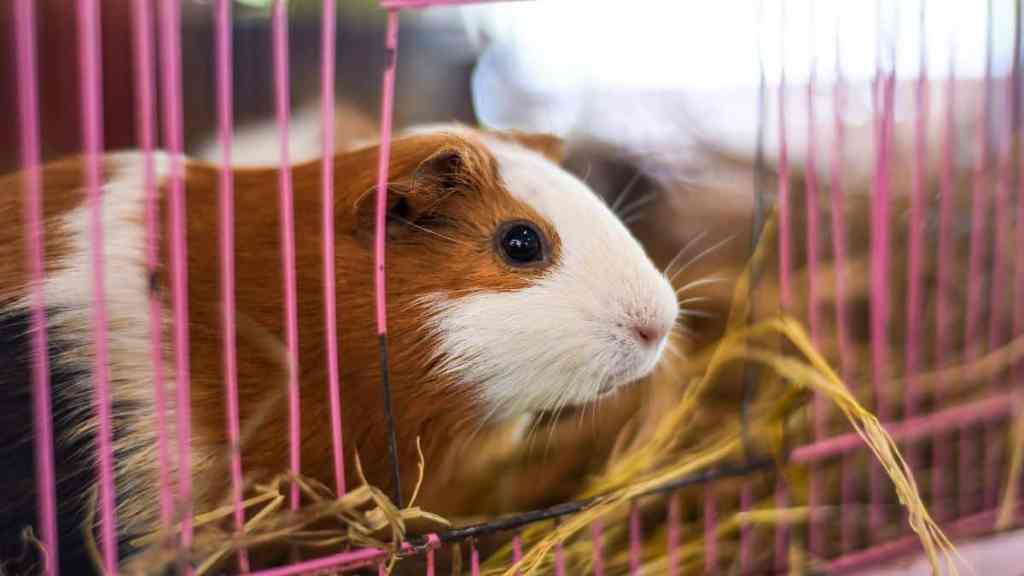
What to use (and what to avoid)
Your bedding should be absorbent, dust-free, and safe if chewed. Options include:
- Paper-based bedding (e.g. Back-2-Nature, Fitch): Soft, safe, and widely recommended
- Fleece liners: Reusable, eco-friendly, and great when cleaned properly
- Aubiose or hemp-based bedding: Natural and compostable with good odour control
Avoid:
- Sawdust or wood shavings (especially pine or cedar): These can irritate the lungs and skin
- Scented litter or cat litter: Not safe for guinea pigs and can cause health problems
Quick Tip
If using fleece, layer with an absorbent material underneath (like mattress protector pads), and wash with unscented detergent every 2–3 days.
Step 3: Positioning the Cage
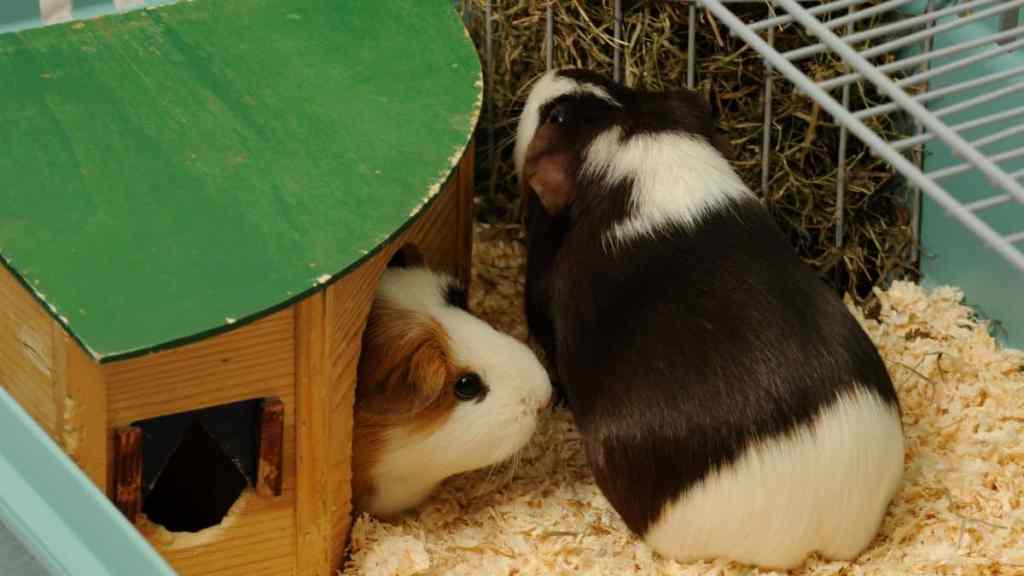
Where should your guinea pig live?
Guinea pigs thrive in quiet but sociable areas of your home. Avoid garages, sheds, or areas with damp or fluctuating temperatures.
Ideal spots include:
- Living rooms or dining rooms (as long as they’re away from direct noise and drafts)
- Hallways or spare rooms with foot traffic and natural light
- Always away from radiators, windows, or direct sunlight
They’re sensitive to extreme heat and cold — aim for a room temperature between 18°C and 22°C. Ensure good ventilation, and keep them safe from other pets.
Step 4: Essentials Every Cage Must Include

What your guinea pigs need every day
To keep your guinea pigs healthy, stimulated, and stress-free, make sure their cage contains:
They also need enough room to run, turn, and stretch — and opportunities to interact, especially if housed in pairs or groups.
Step 5: Cleaning and Maintenance Routine
Keeping things fresh and hygienic
Cleanliness is essential for your guinea pig’s health — dirty cages can lead to respiratory problems, infections, and discomfort.
Create a simple cleaning schedule:
- Daily: Remove soiled bedding, wipe up wet patches, refresh hay and water
- Weekly: Full clean with pet-safe disinfectant, wash all surfaces, replace all bedding
- Monthly: Deep clean accessories and inspect cage for wear or damage
If using fleece, wash every 2–3 days with unscented detergent. Avoid fabric softeners as they reduce absorbency.
Common Mistakes to Avoid in Guinea Pig Cage Set-Ups
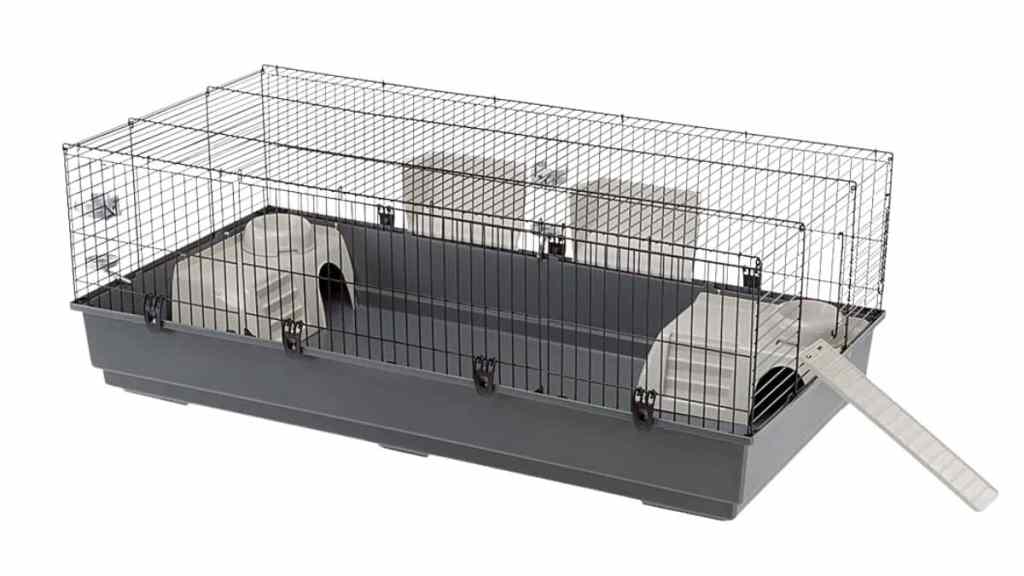
Even with the best intentions, it’s easy to go wrong. Here are a few common pitfalls to steer clear of:
Being proactive and observant will help you catch issues early and make simple adjustments before they become serious.
Guinea Pig Cage Set-Up Checklist
Final Thoughts
A great guinea pig cage set-up isn’t just about meeting minimum requirements — it’s about creating a home where your pigs feel safe, stimulated, and secure. From the right size and bedding to thoughtful enrichment and smart placement in your home, every detail plays a part in their wellbeing.
Remember: the more natural behaviours your guinea pigs can express — like foraging, hiding, grazing, and socialising — the happier and healthier they’ll be.
If you’re setting up for the first time, start with the basics, take your time, and adjust as you learn what works best for your pigs. And if you’re upgrading? Even better. You’re giving them the space and comfort they truly deserve.