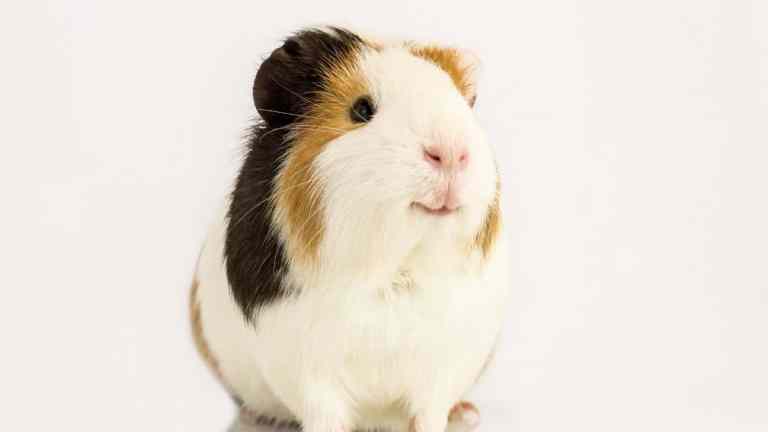
A healthy guinea pig diet should be based around unlimited fresh hay, daily portions of leafy greens, a small amount of vitamin C-rich pellets, and clean water. Avoid sugary treats, iceberg lettuce, or pet shop mixes — and remember, hay isn’t just food, it’s essential dental and digestive care.
Why Guinea Pig Diets Matter More Than You Think
Guinea pigs are adorable, chatty, and endlessly curious — but they’re also complex little herbivores with some very specific dietary needs. Unlike some small pets, they can’t just nibble on generic pellets or leftovers. Their digestive system is sensitive, their teeth never stop growing, and they can’t produce vitamin C on their own.
Get their diet right, and you’ll have a happy, healthy pig with strong teeth, smooth digestion, and bright energy. Get it wrong, and you risk serious issues — like malnutrition, painful dental overgrowth, or even life-threatening illnesses like scurvy.
Let’s break it all down into the dos and don’ts every guinea pig owner in the UK needs to know.
The Do’s: What a Guinea Pig Should Eat Every Day
1. Do feed unlimited hay — it’s the heart of their diet
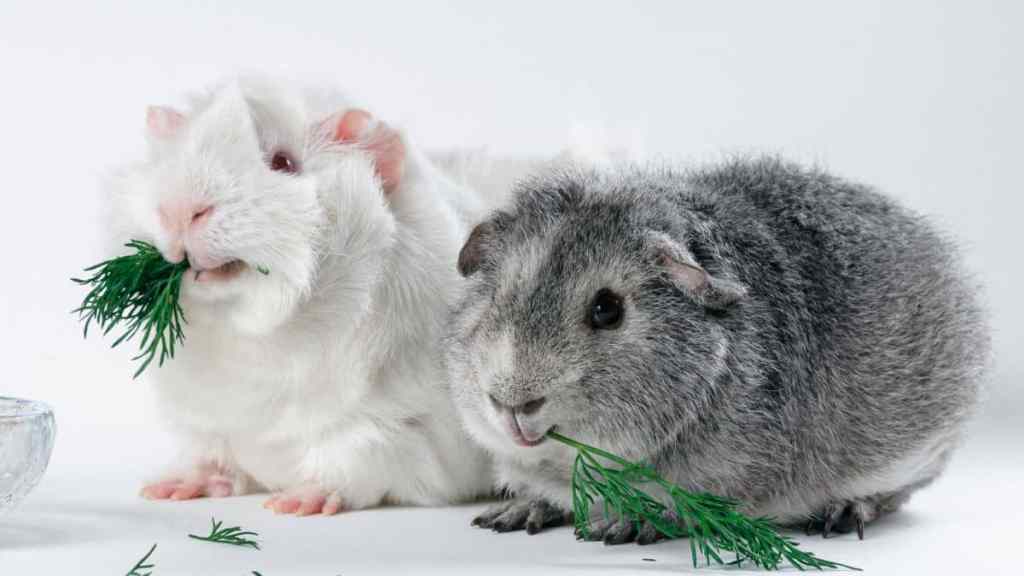
Hay isn’t a side dish — it’s the foundation of every healthy guinea pig diet. It supports digestion, keeps teeth worn down naturally, and gives them something to forage and burrow in.
The best choices are:
- Timothy hay (the gold standard for adult guinea pigs)
- Meadow hay (great for variety and texture)
- Orchard grass (a softer, aromatic option
Make sure it’s always fresh, dry, dust-free, and stored in a cool, well-ventilated place.

Quick Tip
Refill hay trays daily and place hay near hideouts to encourage natural grazing behaviour.
2. Do offer daily leafy greens and vitamin C-rich veg
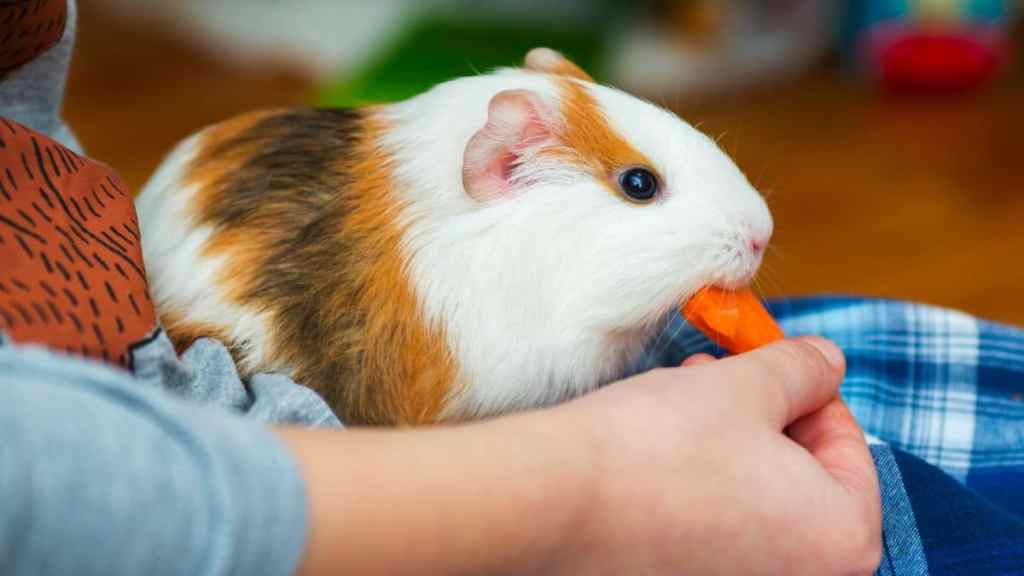
Guinea pigs need fresh vegetables every day — not just for taste, but because they can’t make their own vitamin C. A deficiency can lead to scurvy, a painful and potentially fatal condition that affects joints, immunity, and energy levels.
Stick to leafy greens and low-sugar, high-nutrient vegetables, such as:
Introduce new veg slowly to avoid upsetting their digestion.
3. Do use a small amount of guinea pig-specific pellets
Pellets are optional, but if used correctly, they can help balance your guinea pig’s diet — particularly in providing added vitamin C.
- Plain pellets made specifically for guinea pigs (not rabbit food!)
- Brands with added vitamin C
- No added sugars, seeds, or coloured bits
Pellets should be fed in small amounts only — about 1 tablespoon per pig, per day. They’re a supplement, not a main food source.
4. Do provide constant access to clean, fresh water
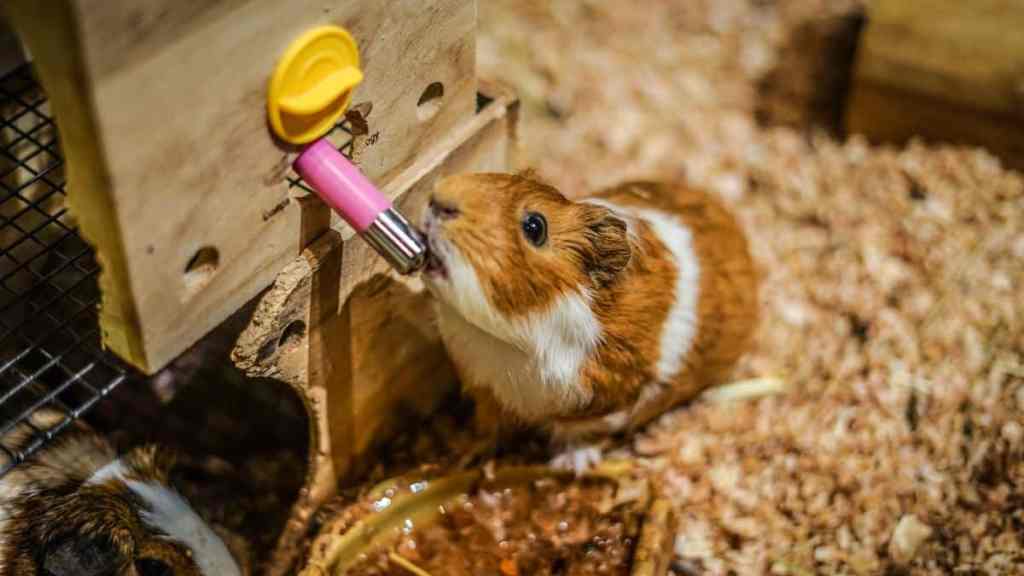
Always offer cool, clean water via a bottle or heavy ceramic bowl. Check and refill daily, and clean bottles regularly to prevent bacterial build-up. If your guinea pig seems to drink less than usual, it could signal health issues — don’t ignore it.
The Don’ts: Common Feeding Mistakes to Avoid
1. Don’t feed pet shop “muesli” mixes
Muesli-style guinea pig foods look colourful and fun — but they’re often packed with sugary, starchy fillers and can lead to selective feeding (where pigs pick out the tasty bits and ignore the rest). This unbalances their diet and increases the risk of obesity and dental disease.
Stick to plain, uniform pellets if you use them — and skip the muesli altogether.
2. Don’t feed too much fruit or sweet veg
Fruit and sweet vegetables like carrots or sweetcorn may seem healthy, but they’re high in sugar — which can lead to obesity, dental problems, and digestive upset.
If you do offer fruit, do so occasionally and in very small amounts:
- A sliver of apple
- A few blueberries
- A single grape (cut in half)
Quick Tip
As a rule of thumb: veg daily, fruit weekly, treats rarely.
3. Don’t feed iceberg lettuce or cabbage

Iceberg lettuce is mostly water with little nutritional value, and it can cause diarrhoea. Cabbage and similar brassicas (like broccoli stalks) can cause gas and bloating — especially in large quantities.
If you want to mix things up, stick with safe, nutrient-dense greens like romaine, lamb’s lettuce, or herbs like dill and coriander.
4. Don’t give guinea pigs human food or processed treats
Never feed guinea pigs bread, biscuits, dairy, meat, chocolate, crisps, or any processed human food. Even so-called “guinea pig treats” sold in pet shops are often loaded with honey, seeds, or molasses — none of which belong in their diet.
What seems like a harmless nibble could lead to a vet visit — or worse.
5. Don’t ignore subtle dietary imbalances
Even with a seemingly decent diet, small imbalances over time can lead to problems like:
- Scurvy (from too little vitamin C)
- Bladder stones (from too much calcium and not enough water)
- Dental disease (from lack of hay)
It’s worth reviewing your piggy’s feeding routine every few months to make sure everything’s still balanced and working well.
How to Build the Perfect Daily Feeding Routine
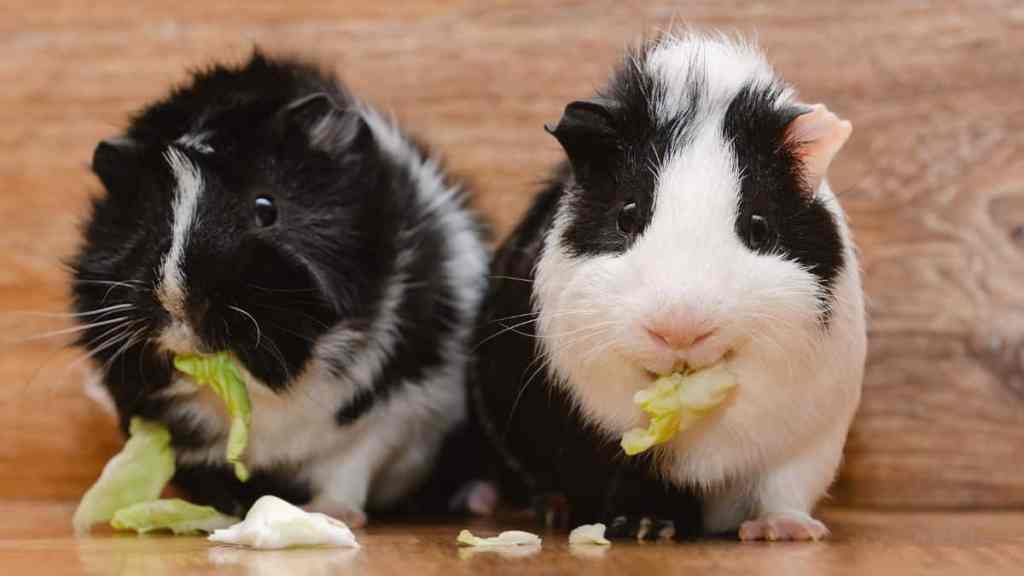
Every pig is a little different, but here’s a good general plan to follow each day:
Guinea Pig Diet: Do’s and Don’ts Recap
|
Do: |
|
Don’t: |
Final Thoughts
Guinea pig diets aren’t complicated — but they are important. With the right balance of hay, greens, pellets, and vitamin C, you’ll keep your pig happy, healthy, and full of life. Avoid common pitfalls like sugary treats, low-value veggies, and pet shop gimmicks, and you’ll be setting your pig up for success.
And remember — the more you learn, the better you care. Guinea pigs might be small, but their needs are big. You’re doing a brilliant job just by being here.