Is my guinea pig happy? It’s something every loving owner asks at some point — and it’s a great question. Guinea pigs may not wag their tails like dogs, but they absolutely show happiness in their own unique ways. The trick is knowing what to look for.
As prey animals, guinea pigs can be subtle — but once they feel safe and settled, they become confident, sociable, and expressive. In this guide, we’ll walk you through five expert-approved signs that your guinea pig is happy and thriving, plus a few red flags to watch out for along the way.
1. They’re Popcorning and Full of Beans
What is popcorning?
Popcorning is one of the clearest signs that your guinea pig is feeling good. It’s when they suddenly leap into the air — often with a twist or twitch — usually when they’re excited or playful. You might see it after a cage clean, when floor time begins, or when fresh hay arrives.
Younger guinea pigs tend to popcorn more often, but older ones may still have their moments, especially when they’re relaxed and well cared for.
When should you be concerned?
If your guinea pig never popcorns, don’t panic — not every pig shows happiness in the same way. But if your usually active pig suddenly becomes withdrawn, it’s worth checking their health, environment, and social needs.
2. They’re Chatty and Sociable
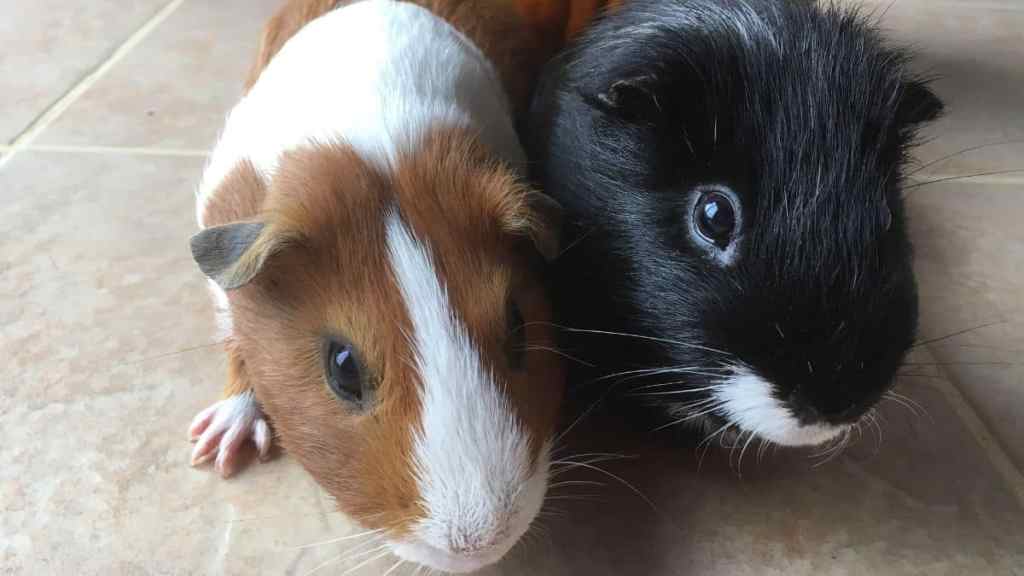
Happy sounds to listen for
Guinea pigs are naturally vocal, and happy pigs are often quite talkative. Key sounds to recognise include:
These noises indicate that your guinea pig feels safe and connected with you.
Sounds that might signal stress
Teeth chattering, shrieking, or prolonged silence can be signs that something isn’t right. If your guinea pig suddenly changes their vocal habits, it could be due to stress, fear, or discomfort — and it’s worth investigating.
3. They Have a Healthy Appetite

Food enthusiasm as a mood indicator
A happy guinea pig loves their food. They’ll graze throughout the day on hay, rush over for their veg, and show excitement around feeding time. They’ll also drink consistently and produce normal droppings.
Hay should form the bulk of their diet, topped up with fresh greens and a small daily amount of pellets. They also need daily vitamin C, ideally from foods like red pepper or kale, since they can’t produce it themselves.
Appetite changes to watch for
Loss of appetite, soft droppings, bloating, or signs of discomfort around food are always a concern. These can indicate illness — and guinea pigs can go downhill quickly. If anything seems off, consult a vet who specialises in small animals as soon as possible.
4. They Keep Themselves Clean and Relaxed
Grooming and body care
Guinea pigs are very clean animals when they feel safe and happy. You’ll often see them grooming themselves with their paws and tongue, or grooming a bonded companion.
Signs of good grooming include:
- Smooth, glossy coat
- Clean eyes, ears, and bottom
- No bald patches or excessive scratching
A relaxed pig might even stretch out in their enclosure — a lovely sign that they feel truly at ease.
Environment matters
A clean home supports a happy pig. Dirty cages, damp bedding, and lack of airflow can all cause physical and emotional stress. Spot clean daily, deep clean weekly, and offer plenty of dry, dust-free hay.
5. They’re Curious and Engaged With You

Positive behavioural signs
Confident, happy guinea pigs are inquisitive. They’ll come up to the side of the enclosure when you approach, sniff your hand, or explore new tunnels and toys without hesitation. They may even follow you around during floor time or react to the sound of your voice.
Even shy pigs can become bolder over time with kind, consistent care — and that growing curiosity is one of the most rewarding signs of trust and contentment.
Withdrawal and what it could mean
If your guinea pig is hiding all the time, freezing when handled, or avoiding social interaction, something may be wrong. It could be fear, stress from a cage mate, illness, or an unmet need. Look at the whole picture — their setup, diet, health, and companionship — and take action if you’re concerned.
5 Signs Your Guinea Pig Is Happy
Quick Check List:
Final Thoughts
So — is your guinea pig happy? If they’re popcorning, wheeking, grooming regularly, eating with enthusiasm, and showing interest in you and their surroundings, you’re likely doing a brilliant job.
Remember, guinea pigs are social animals. They thrive in pairs, need consistency, and rely on you for everything from clean bedding to emotional enrichment. Get the basics right, learn their language, and you’ll have a happy, healthy piggy who feels safe, seen, and loved.