Choosing the right bedding for your rabbit isn’t just about keeping things tidy — it directly affects their health, comfort, and wellbeing. Whether your bunny lives indoors, in a converted shed, or in an outdoor hutch, their bedding plays a vital role in how they sleep, toilet, stay warm, and feel safe.
But with so many products on the market — paper pellets, fleece liners, hay types, wood shavings — it’s hard to know what’s truly safe and what’s just clever packaging.
This guide breaks down the safest, most practical bedding options for UK rabbit owners, including which ones work best for different living setups and how to manage them day to day.
Quick Answer: What’s the Best Bedding for Rabbits?
The best bedding for rabbits is a mix of soft hay for nesting and an absorbent base like paper-based litter or dust-free wood shavings. Avoid scented, dusty, or clumping materials. Bedding should be safe to nibble, cosy to nest in, and easy for you to clean.
Why rabbit bedding matters more than you think
Bedding isn’t just about giving your rabbit somewhere soft to lie down — it’s essential to their daily wellbeing. A good bedding setup helps regulate temperature, maintain hygiene, and support their natural behaviours. Here’s why bedding matters more than you might think:
Using the wrong bedding — or not cleaning it regularly — can lead to serious health problems, including breathing issues, skin infections, or digestive trouble if unsafe materials are ingested.
Let’s break down the safest, easiest, and most comfortable bedding options for your rabbit.
The best bedding types for rabbits (safe, cosy, easy-clean options)
Here are the top bedding options that tick every box: safe to chew, easy to clean, and cosy enough for nesting.
1. Timothy Hay or Meadow Hay – The all-round favourite
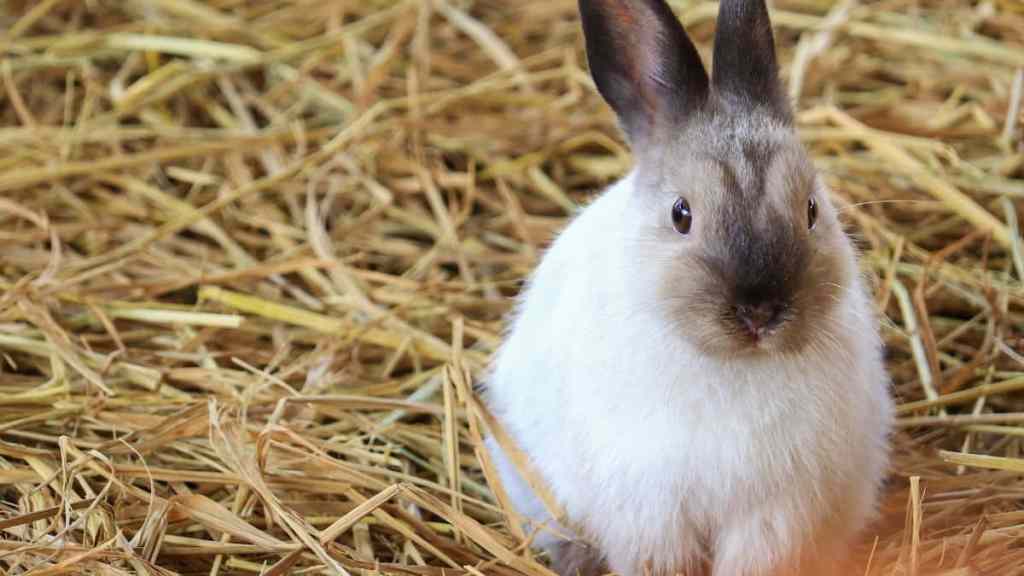
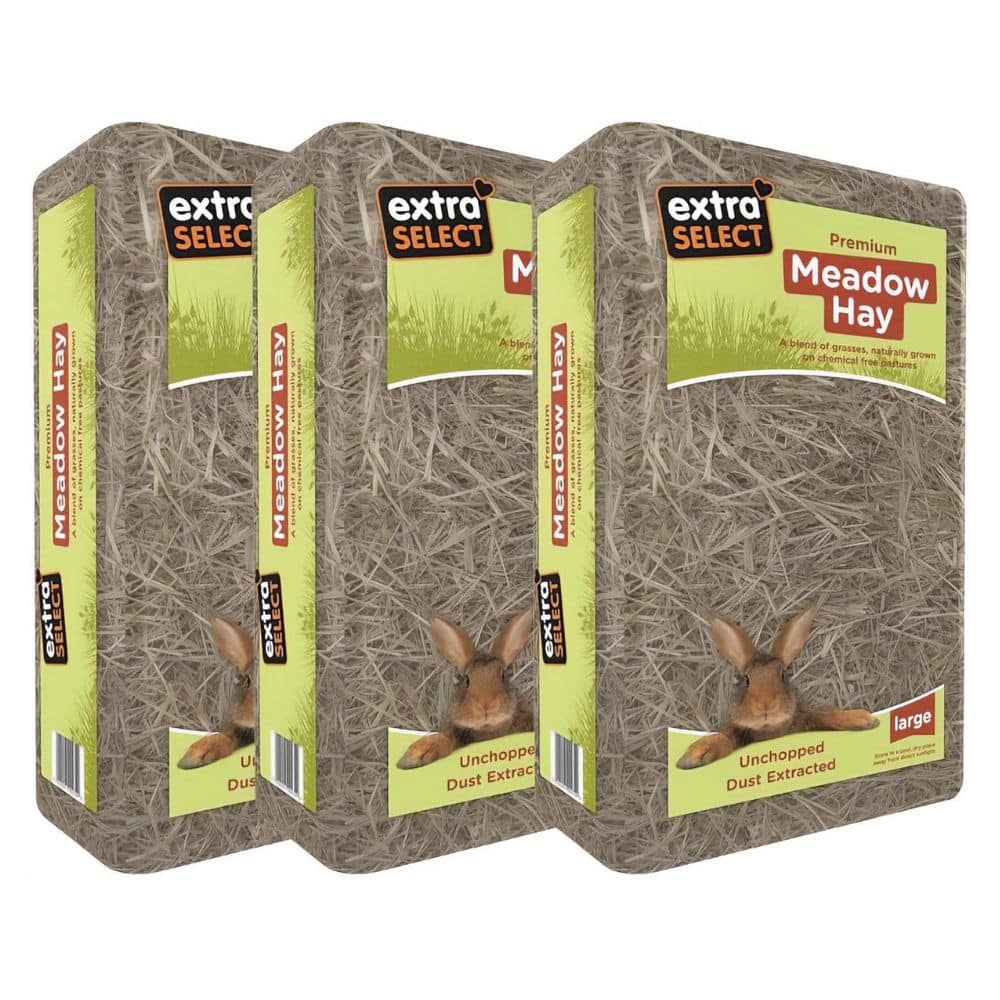
Hay is an essential part of your rabbit’s diet, but it also doubles up as soft, snuggly bedding. A great option is Extra Select Premium Meadow Hay, which is soft, dust-extracted, and ideal for both nesting and nibbling.
Why it works:
- Natural, digestible, and safe if eaten (which it will be!)
- Warm and insulating for colder weather
- Encourages natural burrowing and nesting behaviour

Quick Tip
Use hay generously on top of a litter base to keep sleeping areas soft and absorbent. Replace daily to prevent mould and smells.
2. Paper-based bedding (e.g. Carefresh or Back-2-Nature)
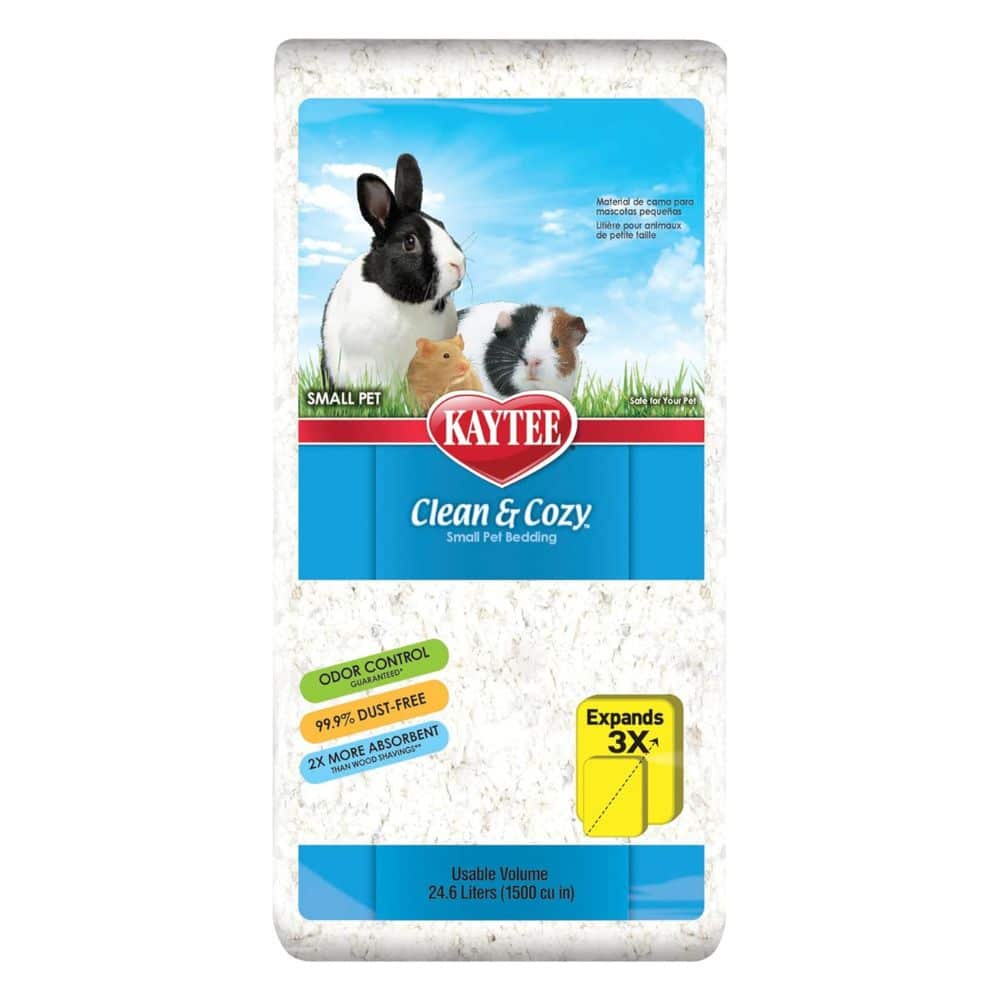
Made from recycled paper, this bedding is highly absorbent, virtually dust-free, and gentle on paws. A great example is Kaytee Clean & Cozy Small Animal Bedding, which is soft, super-absorbent, and free from harmful scents or dyes.
Great for:
- Indoor rabbits or allergy-prone homes
- Lining litter trays or base layers under hay
- Neutral odour and easy clean-up
Stick to unscented varieties — rabbits have very sensitive noses.
3. Dust-extracted wood shavings (e.g. Snowflake Softchip)
If you’re after a natural and affordable option, safe wood shavings can work well — just be careful with the type.
Use only:
- Kiln-dried, dust-extracted softwood or aspen shavings
- Products labelled safe for small animals
Quick Tip
Avoid cedar or non-kiln-dried pine as these can release aromatic oils that are harmful to rabbits’ livers.
Bedding types to avoid (and why)
Not all bedding on the shelf is safe for rabbits. Here’s what to steer clear of:
Avoid:
How Much Bedding Do Rabbits Need?

The amount of bedding your rabbit needs depends on where it’s being used — sleeping areas and litter trays have different requirements.
🛏️ For sleeping areas:
Rabbits love to burrow and nest, so aim for around 3–4 inches of soft hay to create a warm, cosy layer. You can add an absorbent base layer underneath (like paper-based litter) to help manage moisture, especially in colder months or outdoor setups.
💩 For litter trays:
Use 1–2 inches of paper or wood-based litter, topped with a small handful of hay. This encourages your rabbit to use the tray consistently — they love to munch while toileting.
Rabbits are naturally clean and tend to choose one area to toilet, but keeping bedding dry and fresh is still essential to avoid discomfort, odour, or health problems like sore hocks or flystrike.
Bedding Tips for Indoor vs Outdoor Rabbits

Whether your rabbit lives inside or outside, their bedding setup should support comfort, hygiene, and seasonal needs.
🏡 Indoor Rabbits
Indoor rabbits need soft, low-dust bedding that’s safe for enclosed spaces and easy to clean around. The goal is to reduce mess while supporting natural behaviour and toilet habits.
Good options include:
- Paper-based litter in trays for odour control
- Washable fleece liners (only if your rabbit doesn’t chew fabric)
- Soft piles of hay in dens or hidey corners for nesting and comfort
Keep litter areas tidy and change hay daily to avoid smells. Even with indoor rabbits, spot cleaning is key.
🌳 Outdoor Rabbits
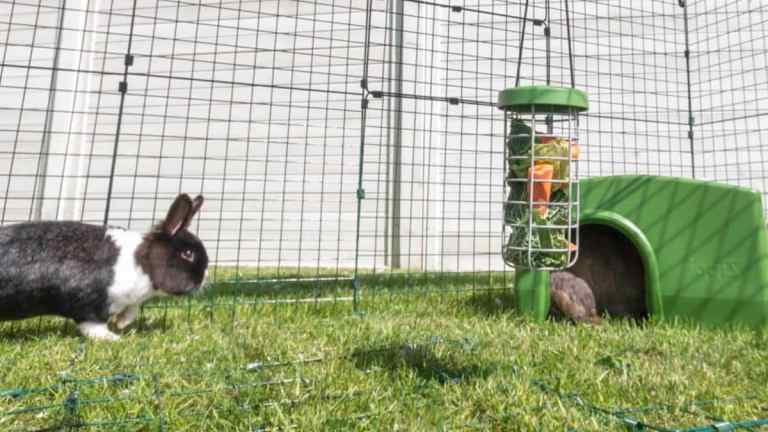
Outdoor rabbits need more insulation — especially during colder months — to stay dry, warm, and protected.
For best results, combine:
- Thick, clean hay for nesting and burrowing
- Paper bedding or dust-extracted wood shavings as a base layer
- Thermal pads or well-insulated hideouts in winter to prevent chilling
If your rabbit lives in a shed, hutch, or outdoor run, dampness and pests can build up fast. Rotate and replace bedding regularly to stay ahead of moisture, mould, and flies.
Should You Use Fleece or Fabric Bedding?

Fleece liners can work well for indoor, litter-trained rabbits, particularly in free-roam or pen setups where spot-cleaning is easy and frequent.
Pros:
Cons:
If you’re trying fleece for the first time, supervise closely and check regularly for wear, odour, or chewing. It can be a brilliant option — but it’s not right for every rabbit.
How Often Should You Change Rabbit Bedding?
Keeping your rabbit’s bedding clean isn’t just about hygiene — it’s essential for preventing health problems like flystrike, sore hocks, or respiratory issues. A good cleaning routine keeps your rabbit healthy, your home smelling fresh, and your life easier overall.
⏰ Daily:
- Remove any wet or soiled bedding
- Replace used hay and litter tray material
- Wipe down surfaces or corners if needed
📅 Weekly:
- Do a full bedding change
- Wash litter trays, hides, and base areas with a pet-safe disinfectant
🗓️ Monthly:
- Deep clean the full enclosure, including corners, platforms, and under bedding layers
- Check for damage, mould, or signs of chewing
Quick Tip
Staying on top of spot-cleaning and weekly refreshes is the best way to avoid odours, bacteria build-up, and stress for your rabbit.
How much does rabbit bedding cost?
Rabbit bedding doesn’t have to break the bank — but costs do vary based on what you use, how often you clean, and how large your rabbit’s setup is.
Here’s a rough monthly guide for one to two rabbits:
|
Bedding Type |
Estimated Cost/Month |
Notes |
|---|---|---|
|
Meadow/Timothy Hay |
£10 – £20 |
Dual use: food & bedding |
|
Paper-based litter |
£10 – £25 |
Best for litter trays and indoor setups |
|
Wood shavings |
£6 – £12 |
For outdoor hutches only (use pet-safe varieties) |
|
Fleece liners |
£10 – £30 (one-off) |
Washable; long-term use if not chewed |
Quick Tip
Buying in bulk and storing hay or litter in a dry place can significantly reduce long-term costs. Fleece can be economical too — but only if your rabbit isn’t a chewer and you’re prepared to wash liners frequently.
Final Thoughts
Choosing the right bedding for your rabbit doesn’t need to be overwhelming. The goal is simple: keep it safe to chew, cosy to snuggle into, and easy to keep clean.
For most rabbit owners, the ideal setup looks like this:
- A soft layer of hay for warmth and nesting – like Extra Select Meadow Hay
- An absorbent, non-toxic base to manage moisture – such as Kaytee Clean & Cozy
- A regular cleaning routine with daily spot-checks and a full refresh once a week
🐰 A clean, dry, and inviting environment helps prevent health issues, supports natural behaviour, and gives your bunny the safe space they deserve.