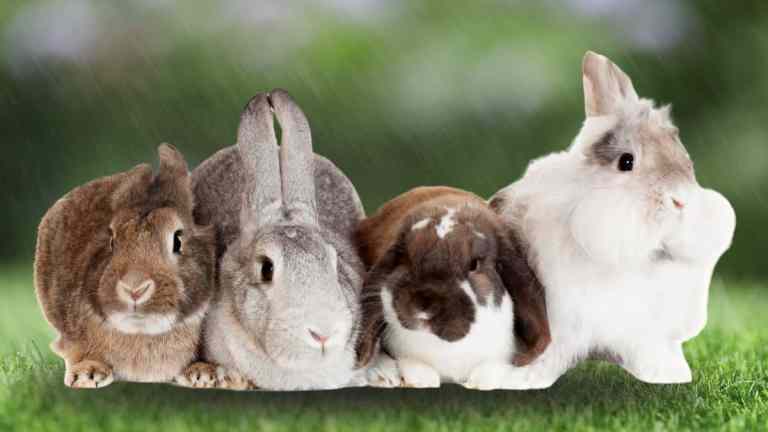
Your complete guide to feeding your bunny a healthy, balanced diet
Wondering how to get your rabbit’s diet right? You’re not alone. With so many options on the shelves — hay, pellets, vegetables, treats — it’s easy to feel unsure.
A healthy rabbit diet should be made up of 85–90% hay, with a daily portion of leafy greens and just a small amount of pellets. Treats should be occasional, and fresh water must always be available.
In this guide, we’ll break down exactly what rabbits should eat daily, why hay matters more than anything else, and how to avoid common feeding mistakes that can lead to illness or expensive vet bills.
Why Diet Is So Important for Rabbits
Rabbits have a delicate digestive system that relies on high-fibre, low-sugar foods to function properly. On top of that, their teeth grow continuously, so they need constant chewing to keep them worn down.
A poor diet can lead to:
- Dental disease
- Gut stasis (a potentially life-threatening condition)
- Obesity
- Diarrhoea or soft droppings
- Poor coat condition and low energy
Getting their diet right isn’t just about keeping them full — it’s the foundation of their entire health.
Hay: The Cornerstone of a Healthy Rabbit Diet

Why hay is non-negotiable
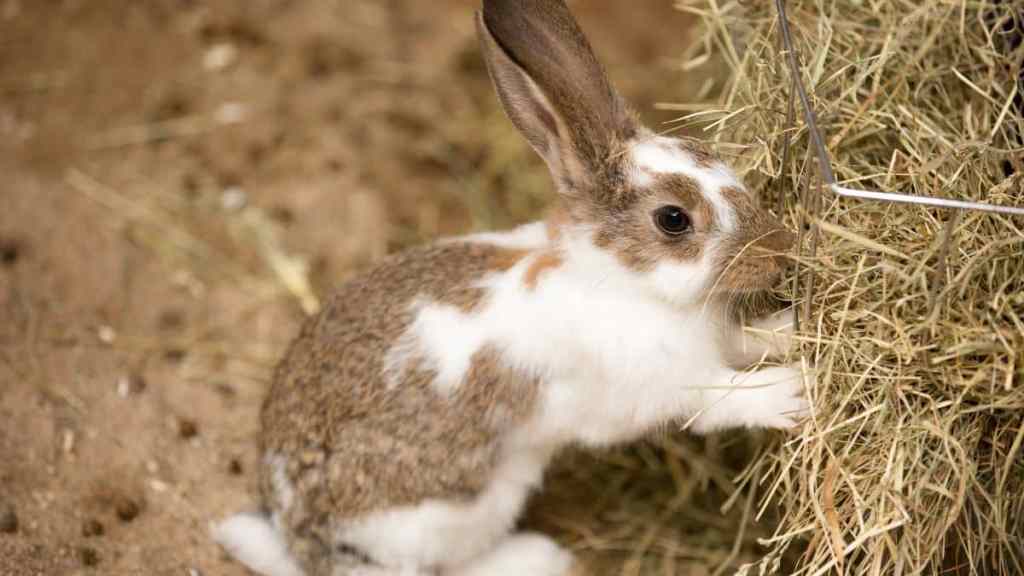
Hay isn’t just bedding — it’s food, dental care, and enrichment all in one. Around 85–90% of your rabbit’s daily intake should come from hay.
It provides:
- Essential fibre for gut health
- Natural wear for constantly growing teeth
- Mental stimulation through foraging and chewing
Without enough hay, rabbits are prone to dental overgrowth and gut slowdown, both of which can become emergencies fast.
What type of hay is best?
Stick to high-fibre, low-calcium grass hays, such as:
- Timothy hay – the gold standard for adult rabbits
- Meadow hay – soft, varied, and great for foraging
- Orchard grass – gentle and aromatic
- ReadiGrass or dried grass – to add variety, not as a main source
Avoid:
- Alfalfa hay – high in calcium and protein, only suitable for babies or underweight rabbits
- Dusty or brown hay – this can cause respiratory irritation and won’t be appealing

Quick Tip
Rabbits are more likely to eat hay when it’s placed next to or inside their litter tray, as they naturally eat and toilet at the same time.
Fresh Vegetables and Herbs: What to Offer (and What to Avoid)
How much veg should rabbits eat?
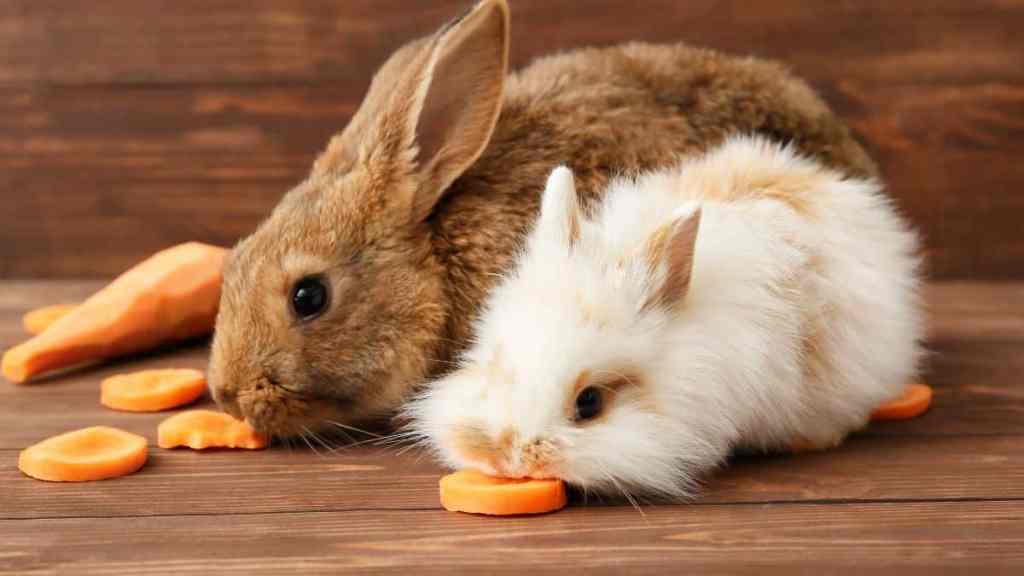
Rabbits should get a daily bowl of leafy greens, roughly the size of their head. This adds hydration, vitamins, and variety — but shouldn’t replace hay.
Aim for at least 3 different types a day to provide a nutritional balance and prevent picky eating.
Safe vegetables and herbs include:
Introduce any new veg gradually to avoid upsetting the digestive system, and always wash thoroughly before feeding.
What to avoid:
Quick Tip
Always double-check before offering new plants — many are toxic to rabbits, even in small amounts.
Pellets: Helpful Addition or Hidden Problem?
Should rabbits eat pellets?
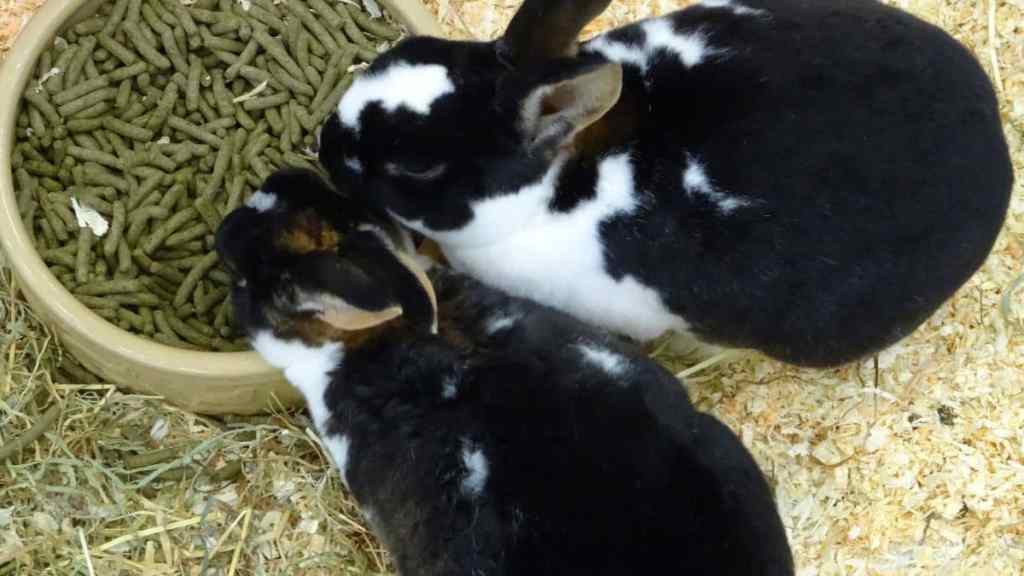
Yes — but in very small amounts, and only pellets made specifically for rabbits.
Pellets provide a convenient way to top up nutrition, especially vitamin D and minerals that can be hard to get from hay and veg alone. But too many pellets can lead to obesity, dental issues, and selective feeding.
Pellet feeding guidelines:
- Adults: 1 tablespoon per kg of body weight per day (usually 1–2 tbsp total per rabbit)
- Only buy plain, uniform pellets — not colourful muesli mixes
- Choose brands with no added sugar, seeds, or dried fruit
If your rabbit is eating too many pellets and ignoring their hay, cut back gradually until hay becomes their main food source again.
Treats: What’s OK in Moderation
We all love spoiling our pets — but with rabbits, treats should be the rare cherry on top, not part of their daily diet.
Healthy treat options:
Avoid:
Rabbits have a sweet tooth — and too much sugar can quickly lead to digestive problems.
Water: Often Overlooked, Always Essential
Rabbits need constant access to fresh, clean water — ideally from a bowl, which is more natural and easier to drink from than a bottle.
Make sure:
- Bowls are heavy enough not to tip
- Water is changed daily
- Spares are available in hot weather or with long-haired breeds
Dehydration in rabbits can lead to gut slowdown, especially in summer or in poorly ventilated indoor spaces.
Common Feeding Mistakes to Avoid
Let’s clear up a few widespread myths and common errors.
Daily Feeding Routine for Rabbits
Here’s a typical daily schedule to keep your bunny happy and healthy:
Morning
- Top up hay and water
- Small handful of pellets
- Fresh greens for breakfast
Afternoon
- Offer enrichment hay (scatter feeding, hay balls, cardboard rolls)
- Forage or fresh herbs if available
Evening
- More hay and greens
- Optional healthy treat
- Clean litter tray and check droppings
Rabbit Diet Recap
Final Thoughts
Rabbits aren’t rodents — they’re complex herbivores with specialised needs. A good diet is the key to keeping their teeth, gut, and behaviour in balance. And while hay, pellets, and veg all have a place, hay is by far the most important.
Keep it fresh, keep it varied, and always keep it natural. Your rabbit will repay you in binkies, bright eyes, and a long, healthy life.