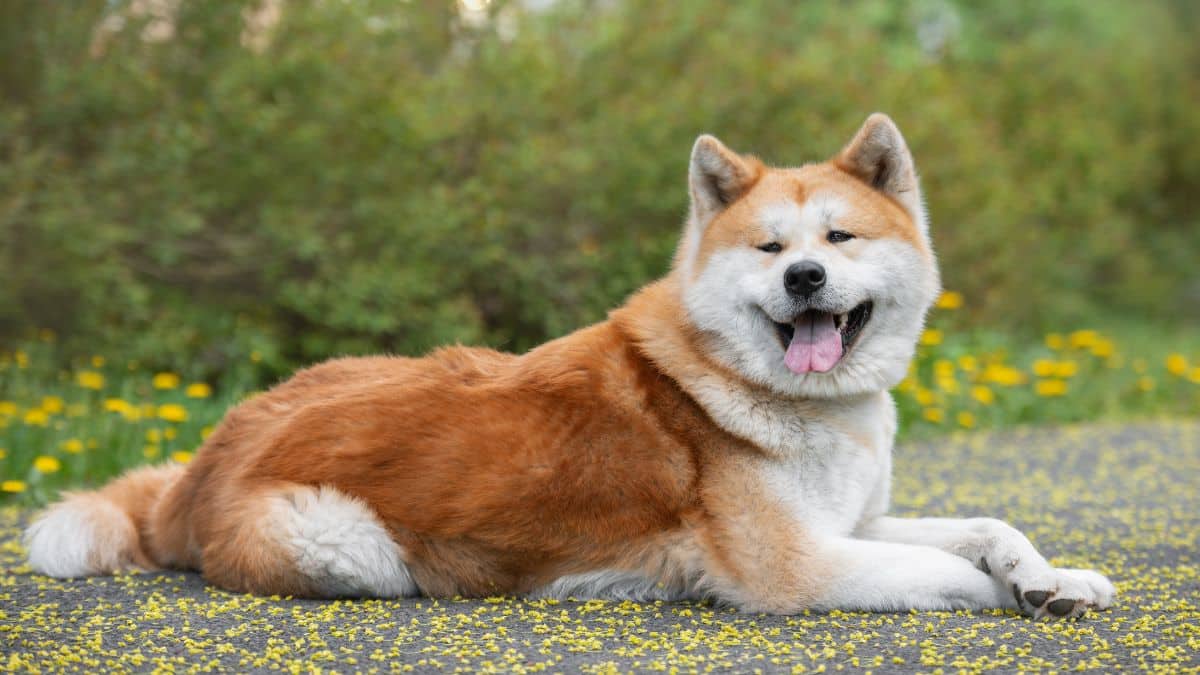
Known for their loyalty, strength, and striking appearance, the Japanese Akita is a breed that commands attention. But behind those noble eyes lies a dog with a complex history and a temperament that isn’t suited to every owner. In this in-depth guide, we explore everything you need to know about the Akita breed — from its origins and characteristics to the challenges and rewards of ownership.
A Brief History of the Akita
The Akita originates from Japan, specifically the mountainous northern regions, where it was initially bred for hunting large game such as boar, deer, and even bears. These dogs were powerful, courageous, and deeply loyal — traits that made them invaluable to Japanese hunters. Their bravery, physical prowess, and fearlessness became legendary.
Over time, Akitas gained recognition not just as hunting dogs, but as guardians and protectors. During the early 20th century, the breed faced decline due to war and disease, but thanks to preservation efforts in Japan, it was revitalised. Today, Akitas are considered a national treasure.
The breed is also culturally significant. In Japan, Akitas symbolise good health, happiness, and long life. It’s tradition to send a statue of an Akita to someone who is ill or has just had a baby as a token of good wishes. This tradition reflects the esteem in which the breed is held.

Quick Fact
Hachikō, the most famous Akita, waited at a train station every day for nine years after his owner died. His statue now stands outside Shibuya Station in Tokyo.
Appearance and Personality

Akitas are large, sturdy dogs with thick double coats, erect ears, and curled tails. They have a commanding presence and move with quiet confidence. Males typically weigh between 45–58 kg and females 32–45 kg. Their appearance is both regal and robust, often drawing admiring glances.
Their personality is a mix of loyalty, dignity, and independence. Akitas tend to be reserved with strangers but deeply affectionate with their families. They are known for forming deep bonds with their owners, often becoming especially attached to one person. This devotion can be incredibly rewarding but also demanding.
However, they are not naturally sociable with other animals. Their protective instincts can make them territorial, and their strong-willed nature means they require an owner who understands canine behaviour and is confident in setting consistent boundaries.
Quick Tip
Early socialisation and consistent, positive training are non-negotiable with this breed. Without these, their natural assertiveness can become a behavioural issue.
Japanese Akita vs. American Akita

There are two recognised types of Akita:
- Japanese Akita (Akita Inu): More fox-like features, a refined build, and comes in limited colours like red, brindle, and white. Their appearance is more elegant and traditional.
- American Akita: Larger, bear-like head, broader build, and comes in a wider variety of colours. They tend to be more imposing in size and often have a slightly more relaxed temperament.
In the UK, the Kennel Club treats them as separate breeds, and each has its own standard and show classification. Understanding the differences is important when researching breeders or deciding which type might suit your household.
Are Akitas Good Family Dogs?
Akitas can be wonderful companions, but they are not typically suited to households with small children or other pets. They have a strong prey drive and can be intolerant of other animals, especially of the same sex. This isn’t to say they are aggressive by nature, but their dominance tendencies can present challenges.
That said, they are incredibly loyal and protective of their families. In the right home, with clear boundaries and experienced owners, they can be affectionate and even gentle. Akitas are often calm indoors and not overly noisy — they bark only when they feel it’s necessary.
Not ideal for:
Better suited for:
Common Health Issues
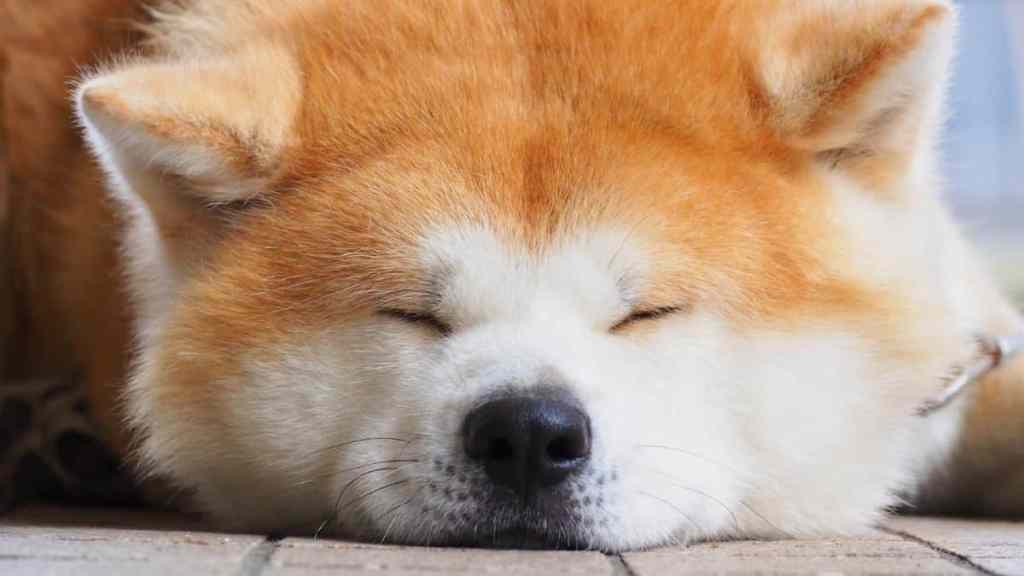
Like many purebred dogs, Akitas can be prone to specific health problems, some of which may not become apparent until later in life. Being aware of these issues is key to providing long-term care.
- Hip dysplasia: A common skeletal condition where the hip joint doesn’t fit properly, leading to pain or arthritis.
- Progressive retinal atrophy (PRA): A degenerative eye disorder that can eventually lead to blindness.
- Autoimmune conditions: Including Vogt-Koyanagi-Harada (VKH)-like syndrome and sebaceous adenitis (SA), which affect skin and pigmentation.
- Hypothyroidism: Can cause lethargy, weight gain, and skin problems.
Quick Tip
Always go through a reputable breeder who conducts health testing on both parents. Don’t be afraid to ask to see the results.
Grooming and Care Needs
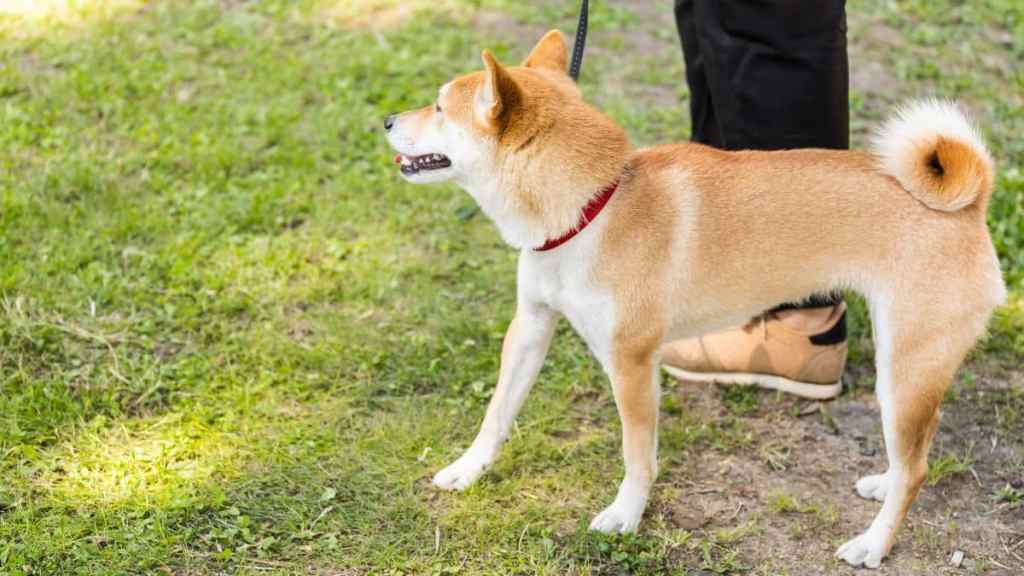
Akitas have thick, weather-resistant coats that shed heavily twice a year (aka “blowing coat”). During these periods, daily brushing is a must to prevent matting and control hair throughout your home. A slicker brush or de-shedding tool can be especially helpful.
Outside of these times, a weekly brush usually suffices. Akitas are famously clean dogs. They often groom themselves much like cats and don’t tend to smell. This makes them relatively low-maintenance compared to some breeds.
That said, grooming isn’t just about brushing. You’ll also need to:
- Trim their nails regularly to prevent discomfort or injury
- Check and clean their ears to avoid infections
- Brush their teeth several times a week (daily is ideal)
Quick Tip
Regular grooming isn’t just about looks — it’s a bonding experience and an important health check.
Exercise and Mental Stimulation
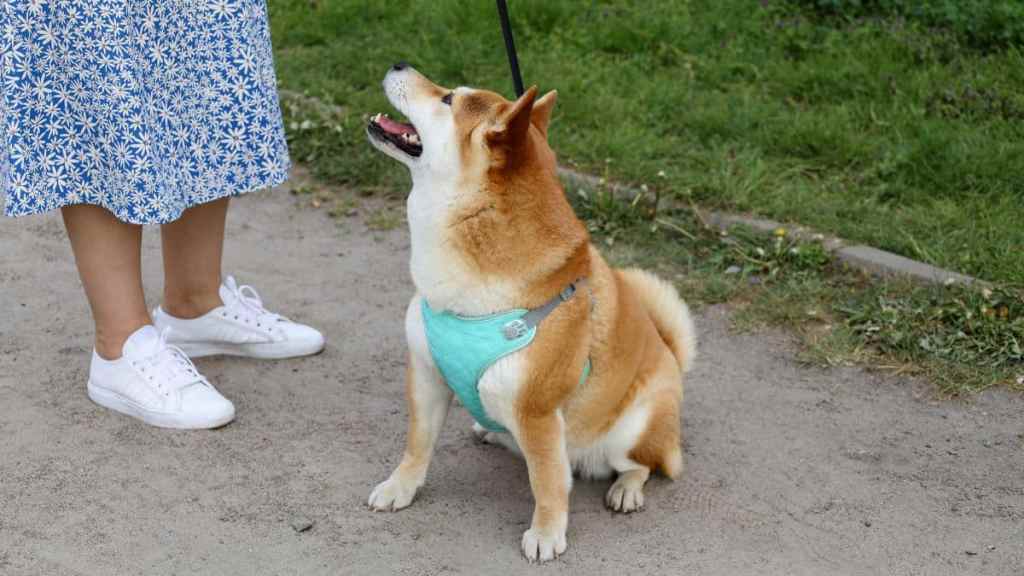
Akitas don’t require endless hours of running, but they do need consistent, moderate exercise — ideally 1–1.5 hours per day. This can be split into a couple of walks, ideally with some variety in terrain and location to keep their minds engaged.
They also need plenty of mental stimulation. Without it, they can become bored and potentially destructive. Consider:
Quick Tip
Off-lead play in unsecured areas is not advised. Akitas can be independent-minded and have a strong prey drive, making recall unreliable in some situations.
Final Thoughts
The Akita is a majestic breed with a proud history and a temperament that demands respect. They are not the right dog for everyone — but in the hands of an experienced, knowledgeable, and committed owner, they can be incredibly rewarding companions.
This is not a breed that will fit seamlessly into just any lifestyle. But for those who value independence, calm confidence, and a deep bond, the Akita delivers something truly unique.
Thinking of getting an Akita?
If you’re ready for the challenge, the loyalty of an Akita is like nothing else.