Not all dogs need or want the buzz of a public park — but for many, it’s part of daily life. Whether it’s a designated dog park or just a shared green space, we’ve all encountered awkward moments, reactive dogs, or tense owners. The reality is, dog parks in the UK aren’t always neatly fenced-off playgrounds — they’re often council fields, woodland trails, or open parkland where dogs and people mix freely.
With that in mind, this post isn’t just about etiquette — it’s about real-life dog walking situations and the avoidable behaviours that can turn a pleasant outing into a stressful one. Whether you’re new to owning a dog or just want to be more mindful in shared spaces, here are five of the most common mistakes — and how to avoid them.
1. Assuming All Dogs Want to Say Hello

It’s a familiar scene: your dog spots another pup across the field and bolts over, tail wagging. You might think, “They’re just being friendly!” But to the other owner — and dog — it can feel intrusive or even threatening.
🚫 Why It’s a Mistake:
Not every dog enjoys interactions with unfamiliar dogs. Older dogs, nervous pups, rescues, or dogs in training may need space. A dog off-lead running up to another — especially one on a lead — can lead to defensive behaviour, growling, or worse. It’s not rudeness — it’s boundaries.
✅ What to Do Instead:
- Always call your dog back if you see another on-lead or showing signs of discomfort
- Use a lead in busy areas until you’re confident in recall
- Learn to recognise when your dog’s enthusiasm might be unwanted

Quick Tip
Not every dog at the park is there to socialise – and many dogs on leads are on them for a reason.
2. Letting Your Dog Roam Too Far Ahead
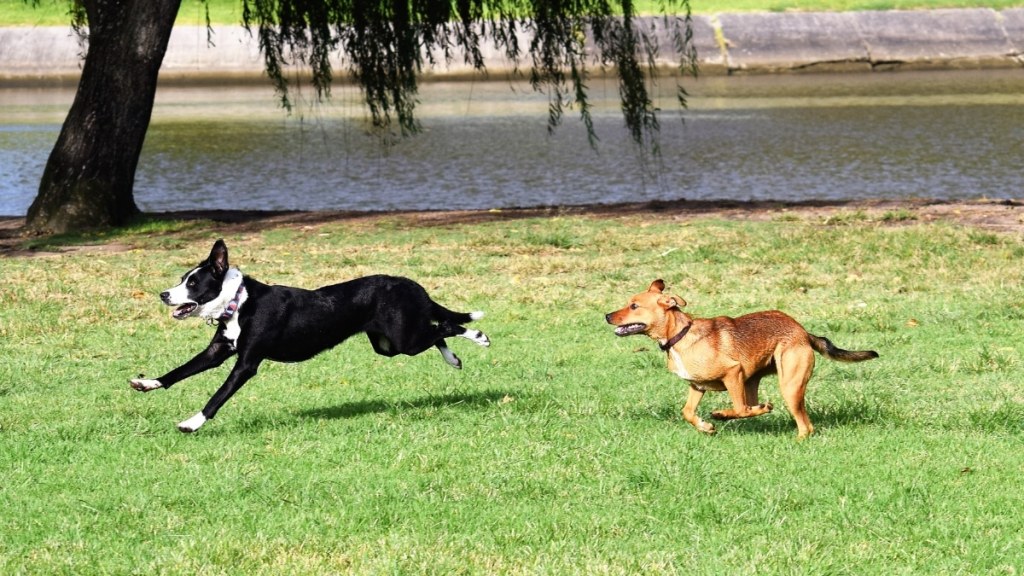
It’s tempting to let your dog charge ahead on a country trail or large open park — but letting them disappear out of sight isn’t always safe or respectful.
🚫 Why It’s a Mistake:
You can’t control what your dog encounters if they’re out of view: wildlife, children, cyclists, picnics, other dogs, or anxious owners. Even the friendliest dog can cause panic by bounding up unexpectedly. And if something does happen, you’re not close enough to intervene.
✅ What to Do Instead:
- Keep your dog in sight and under control, especially in shared spaces
- Use a longline if recall is still a work in progress
- Always call your dog back when approaching people or dogs you don’t know
Quick Tip
Train a solid ‘check-in’ cue to keep your dog engaged with you on walks.
3. Ignoring Body Language – Yours and Theirs
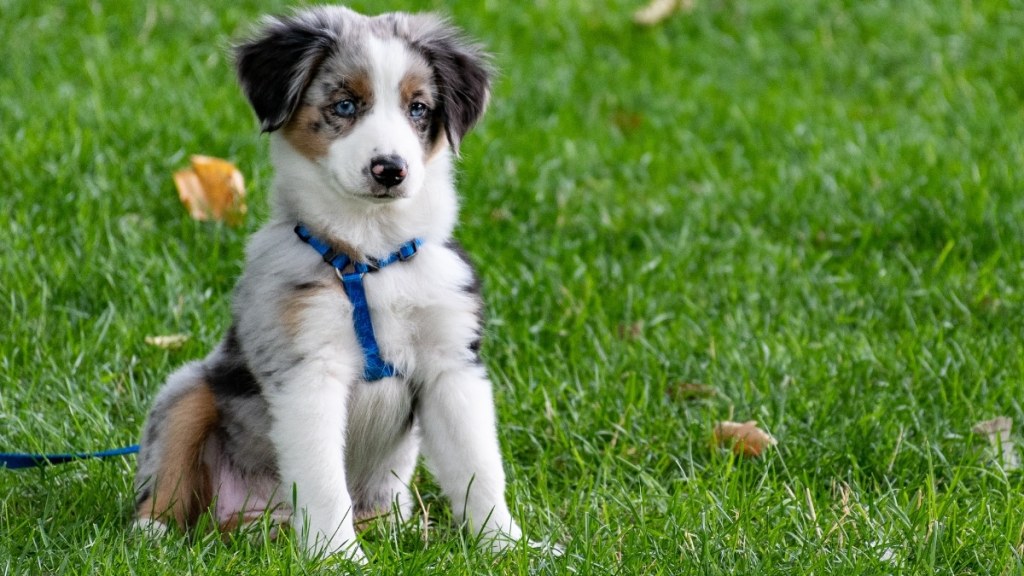
One of the most overlooked aspects of dog park etiquette is simply paying attention. Body language — both human and canine — can tell you whether it’s a good idea to engage or steer clear.
🚫 Why It’s a Mistake:
Dogs show subtle signals when they’re uncomfortable: lip licking, yawning, tucked tails, slowing down or freezing. Similarly, an owner holding their lead tightly or turning away is communicating, “Please don’t approach.” Ignoring these cues can lead to stress or even conflict.
✅ What to Do Instead:
- Watch how dogs approach one another: loose bodies and curved greetings are good signs
- Respect owners who move aside or call their dog close
- Don’t force interactions — whether for your dog or yourself
Quick Tip
If in doubt, a polite, “Is it okay if they say hello?” goes a long way.
4. Chatting Instead of Supervising
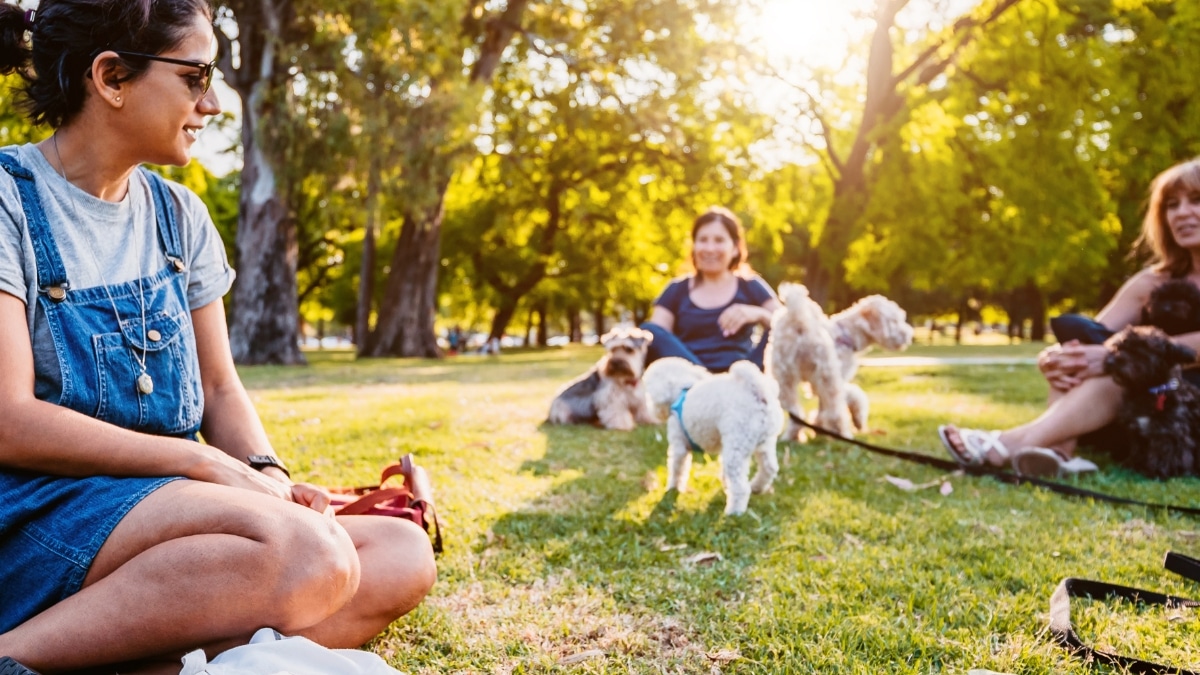
Dog parks can be great places to chat with fellow dog lovers, but it’s easy to get distracted. The problem? Dogs don’t always manage themselves.
🚫 Why It’s a Mistake:
While you’re deep in conversation, your dog might be bullying another, stealing toys, bothering someone’s picnic, or becoming overwhelmed without your notice. Even if nothing dramatic happens, play can escalate quickly and needs regular check-ins.
✅ What to Do Instead:
- Stay actively engaged — scan the park every minute or two
- Interrupt play if it becomes too rough or one-sided
- Keep an eye on group dynamics — especially in busy parks
5. Bringing High-Value Items (Treats, Balls, or Toys)

It’s easy to forget that not all dogs are comfortable sharing — and bringing prized possessions into a shared space can cause more harm than fun.
🚫 Why It’s a Mistake:
Dogs can become possessive over toys or treats, and others may try to steal them. This can result in scuffles, guarding behaviour, or even fights. And if your dog is the one being pestered for their ball, they may not enjoy the experience either.
✅ What to Do Instead:
- Leave high-value items at home unless you’re somewhere quiet
- Use verbal praise or games like recall races as an alternative
- Save fetch for private walks or enclosed spaces when you’re alone
Final Thoughts
The UK dog walking scene is a mixed bag — from city parks and canal paths to country fields and beach trails. Knowing how to handle your dog responsibly in these shared spaces isn’t about being perfect — it’s about being thoughtful.
By being proactive, observant, and considerate of other dogs and people, you can prevent problems before they start. Sometimes that means keeping your dog close, sometimes it means walking away. Either way, the goal is the same: a safe, happy outing for everyone.
Letting your dog explore is important — but so is reading the room (or the park).