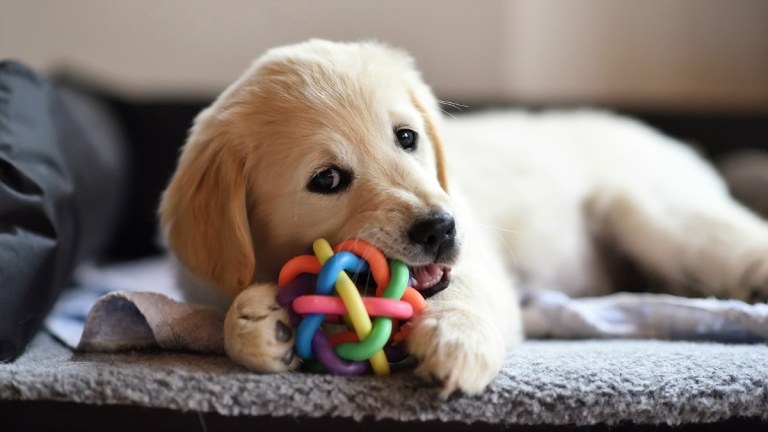
Dogs are incredibly intuitive—but they don’t understand the world in the same way we do. While they’re experts at reading tone and body language, they don’t speak human, and they definitely don’t follow logic the way we expect. The result? A whole lot of unintentional miscommunication.
Without realising it, we often send mixed signals, change the rules, or do things that seem harmless—but leave our dogs unsure, anxious, or simply baffled. If your dog sometimes ignores commands, acts unpredictably, or seems “stubborn,” there’s a good chance they’re just… confused.
In this guide, we’ll explore 15 subtle but common ways UK dog owners confuse their dogs—and what to do instead to build clearer, calmer, more consistent communication.
1. Using Different Words for the Same Command
Dogs don’t understand synonyms or sentence structure. They rely on repetition and clear associations to learn what you mean. So if one day you say “Down,” the next you say “Off,” and the next “Get down,” your dog may not realise all three mean the same thing.
This inconsistency makes it harder for them to build reliable responses—and can lead to slower learning, frustration, or even behaviours that look like disobedience.
What to do instead ✅:
Choose one clear word per command, and stick to it. Keep it short, always use the same tone, and make sure everyone in your household is on the same page.
2. Repeating Commands Over and Over

It’s easy to fall into the habit of repeating commands—especially when your dog’s distracted. But when “Sit” becomes “Sit, sit, SIT,” it teaches your dog to wait until they hear it three times (or until you sound serious) before responding.
Over time, this can dull the meaning of your commands and reduce your dog’s responsiveness altogether.
What to do instead ✅:
Say the command once. If they don’t respond, reset the moment—get their attention, move to a quieter space, or use a lure. Don’t teach them that ignoring you is an option.
3. Laughing When They Do Something ‘Naughty’

We all do it. Your dog runs off with your sock or does a dramatic zoomie right after a bath—and it’s funny. But when you laugh, smile, or speak in an excited tone, your dog may think they’ve just done something amazing.
Dogs don’t understand sarcasm or irony—they read your tone of voice and energy as cues for what’s good or bad.
What to do instead ✅:
Stay neutral in your response. If it’s behaviour you don’t want repeated, avoid eye contact, excitement, or laughter in the moment—redirect, then reward calm behaviour.
4. Punishing Them After the Fact
Coming home to shredded post, chewed-up shoes, or an “accident” in the hallway is frustrating—but punishing your dog after the fact doesn’t teach them what went wrong. In their mind, the chewing happened hours ago. Your stern voice or cross look now just feels unpredictable.
This kind of delayed correction can lead to stress and anxiety—and dogs may even start acting guilty over things they didn’t do, simply because they associate your arrival with tension.
What to do instead ✅:
Focus on prevention. Set up your home to limit temptation, use crates or safe zones when needed, and redirect in real time. If you didn’t catch them in the act, it’s too late to teach anything useful.
5. Accidentally Rewarding Bad Behaviour
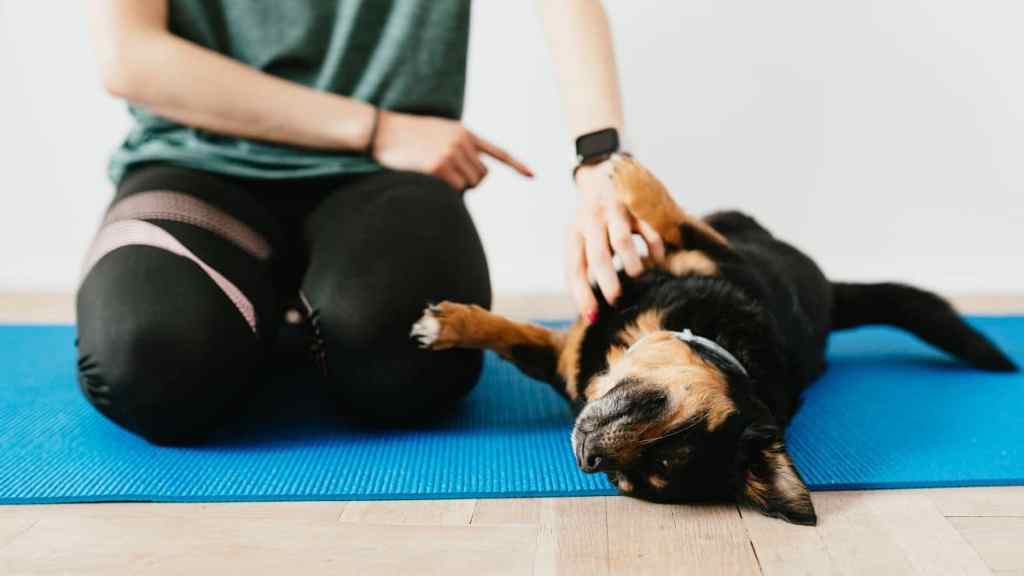
Dogs learn by consequence—and attention is a powerful reward. If your dog jumps up, barks, or demands something and you react by speaking, touching, or even pushing them away, you’re often reinforcing the exact behaviour you don’t want.
It’s not that you’re spoiling them—it’s just that dogs interpret engagement (even negative) as meaningful. That can confuse the line between what’s encouraged and what’s discouraged.
What to do instead ✅:
Ignore the unwanted behaviour when it’s safe to do so, and redirect to something positive. Reward calmness, offer clear alternatives (like a “sit” or “place” cue), and teach them what earns your attention.
6. Giving Mixed Body Language
Dogs are body language experts. They read your posture, facial expression, movement, and tone far more than your words. So when your body says one thing and your words say another, it’s no wonder they’re unsure what to do.
Imagine saying “stay” while leaning forward or beckoning with your hand—your words say “don’t move,” but your body says “come here.” This kind of mismatch creates conflict and hesitation, especially in sensitive or easily confused dogs.
What to do instead ✅:
Pair your cues with clear, consistent physical signals. Use hand gestures deliberately, keep your posture neutral when giving stay or calm cues, and avoid over-gesturing unless it’s part of the command.
7. Petting Them When They’re Stressed

It’s natural to want to soothe your dog when they’re anxious. But in dog language, touch doesn’t always mean comfort—especially if they’re in a heightened state. Petting them while they’re shaking, barking, or panicking may accidentally reinforce that state or make them feel more overwhelmed.
Dogs often prefer space when they’re stressed, and touching them at the wrong moment can be misread as pressure, reward, or encouragement for the stress itself.
What to do instead ✅:
Focus on creating a calm environment. Use a soft voice, remove them from the trigger, and allow them space. If they come to you for contact, that’s different—let them lead. And when you do give affection, make sure your energy is calm, not anxious.
8. Changing the Rules Depending on Your Mood
Sometimes we let our dog on the sofa. Sometimes we don’t. One day we let them pull on the lead, the next we snap at them for it. Inconsistency—especially based on how we’re feeling—can be incredibly confusing for dogs.
They thrive on predictability and routine. Changing the rules from one day to the next (or one person to the next) can make it hard for them to know what’s expected.
What to do instead ✅:
Set clear, consistent boundaries—and stick to them. If your dog isn’t allowed to do something, make sure that rule stays the same regardless of your mood or what’s convenient in the moment. Consistency builds confidence.
9. Using Their Name Only When Telling Them Off
Your dog’s name should be a positive cue—something that makes their ears perk up and signals good things are coming. But if you only ever say it when they’re in trouble (“NALA! What have you done?!”), they may start to associate it with negativity or tension.
This can result in them ignoring their name, avoiding you when called, or just feeling uneasy when they hear it.
What to do instead ✅:
Use their name often, in positive, upbeat contexts—especially before giving praise, offering treats, or inviting them to play. Make “name = good stuff” a consistent association.
10. Not Recognising Their Calming Signals
Dogs communicate stress and confusion through subtle signs known as calming signals. These include yawning, lip licking, turning away, sniffing the ground, or slowly blinking. Many owners miss these signs or misinterpret them as disinterest or bad behaviour.
Ignoring these signals can lead to escalation—what starts as discomfort can turn into barking, lunging, or withdrawal.
What to do instead ✅:
Learn to spot your dog’s early warning signs. If they’re giving calming signals, it means they’re trying to de-escalate a situation or let you know they’re uncomfortable. Pause, give space, and assess the environment. Responding to these cues builds trust.
11. Expecting Human Logic from a Dog Brain

We love our dogs like family—but sometimes we forget they’re not tiny furry humans. Dogs don’t think like us. They don’t understand “should know better,” “did that on purpose,” or “knows it’s wrong.” When we place human reasoning onto canine behaviour, we misread their actions and respond in ways that confuse them.
For example, a dog who pees indoors isn’t being spiteful. They might be anxious, unsure, or simply untrained. Assuming intent or emotion that isn’t there can lead to miscommunication and mismatched discipline.
What to do instead ✅:
Respond to behaviour with calm curiosity, not human assumptions. Ask: What’s driving this? Is my dog overstimulated? Anxious? Lacking clarity? Shift your mindset from punishment to understanding—and training becomes far more effective.
12. Giving Affection During Rough or Hyper Play
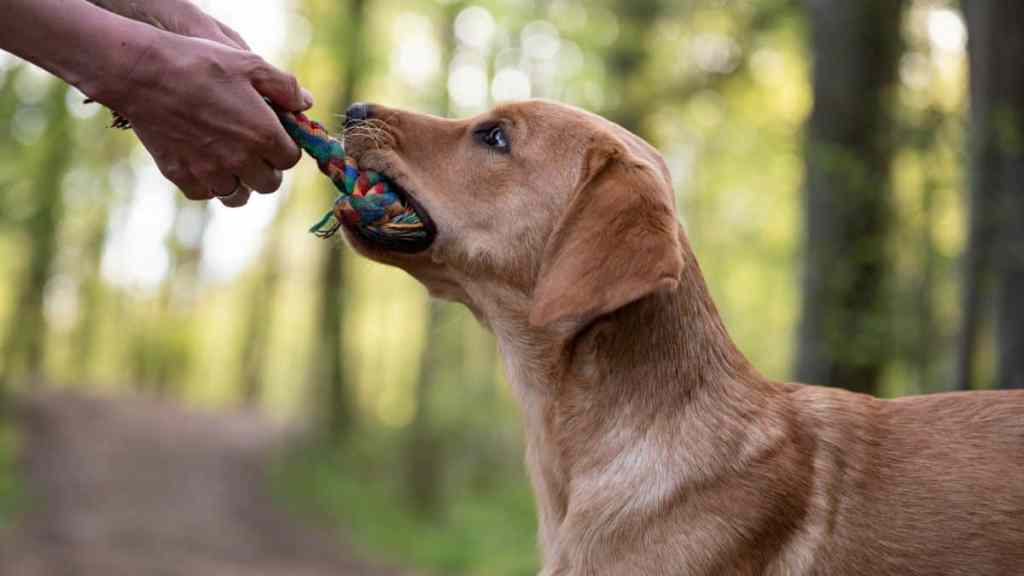
Dogs love play—but when things get over the top (especially with mouthing or jumping), adding cuddles or excited voices can send mixed messages. Your dog might not know whether to calm down or keep going—and they might think rough behaviour = rewards.
This confusion can lead to unwanted patterns, like jumping on guests, ignoring cues during play, or becoming overstimulated.
What to do instead ✅:
Introduce clear start and stop cues during play. If your dog gets too rough, pause the game, go still, and wait for calmness before resuming. Save affection for post-play snuggles, when they’re back in a relaxed state.
13. Skipping Decompression Time After Walks or Events
You might assume your dog is fine after a walk, trip to the vet, or visit to the dog park—but dogs need decompression time to mentally and physically reset. Without it, they can become overstimulated, reactive, or anxious without you realising why.
Skipping this rest period can lead to a buildup of tension that shows up in unexpected ways—like zoomies, barking, or disobedience hours later.
What to do instead ✅:
After busy outings, give your dog quiet time in a calm space. Let them chew, sniff, or nap. Avoid stacking activities too closely, and watch for signs that they need downtime (yawning, pacing, hiding).
14. Training in Busy, Overstimulating Environments
Trying to teach recall at a dog park? Asking for a “stay” near a bus stop? Dogs struggle to focus in high-distraction settings, especially if they’re still learning a command. What looks like defiance is often just distraction overload.
When training happens in the wrong context, your dog can become confused about what you’re asking—or worse, fail repeatedly and lose confidence.
What to do instead ✅:
Start training in low-distraction areas (like your kitchen or garden), and gradually build difficulty. Once your dog is confident, slowly introduce new locations or triggers one at a time. Success builds trust—and that’s what good training is built on.
15. Ending Walks Right at the Front Door (So They Hate Coming Back)
Here’s a subtle one: many dogs resist recall or slow down at the end of a walk—not because they’re disobedient, but because they know the fun stops the moment they reach the front door.
When recall always equals “fun’s over,” dogs get wise to it—and start dodging you, running off, or delaying the return.
What to do instead ✅:
Mix it up. Call them back, then let them go again. End walks with a few minutes of sniff time or a short training session in the driveway. Make “coming back” part of the fun—not the end of it.
Final Thoughts
Dogs don’t speak our language—but they’re always listening. The more we learn to communicate clearly, consistently, and with empathy, the more our dogs will trust us—and thrive.
Confusing your dog isn’t a failure—it’s a normal part of learning how to live together. By noticing the little things and making simple changes, you can create a calmer, more connected relationship—and your dog will thank you for it (probably with a tail wag and a sloppy kiss).