Noticing your dog gulping down bowl after bowl of water can be a bit unsettling — especially if it seems like a new behaviour. While some variation in thirst is perfectly normal, excessive drinking could be a sign that something’s not quite right.
Whether your dog’s just hot, active, or something more serious is going on, understanding what’s normal and what’s not when it comes to canine thirst is crucial for every pet owner. In this guide, we’ll break down how much water your dog should be drinking per day, when to worry, and what health issues to rule out — with vet-approved advice tailored for UK owners.
Quick Answer: Is My Dog Drinking Too Much Water?
Most healthy dogs drink between 50–70ml of water per kilogram of body weight per day.
For example, a 10kg dog would typically need around 500–700ml per day.
If your dog is drinking significantly more — especially if it’s sudden or paired with other symptoms like excessive urination or lethargy — it could point to an underlying issue like diabetes, kidney disease, or a urinary tract infection. Speak to your vet if you’re concerned.
How Much Water Should a Dog Drink Daily?
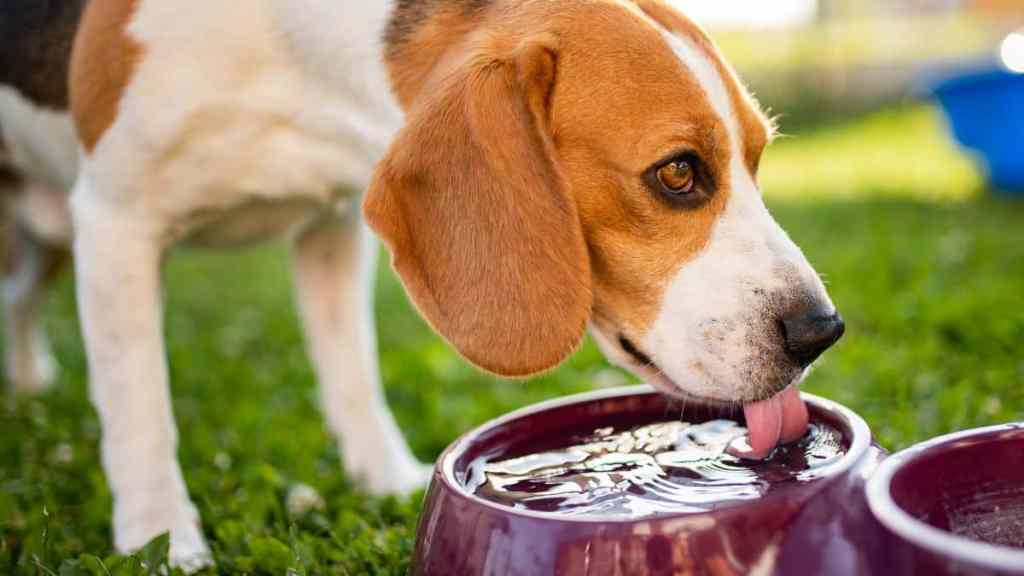
On average, a healthy dog needs to drink 50–70 millilitres of water per kilogram of body weight per day. This means:
These are rough guidelines — and individual needs can vary. What’s important is consistency. If your dog always drinks a certain amount and that changes suddenly, it’s worth paying attention.
Factors that affect water needs:
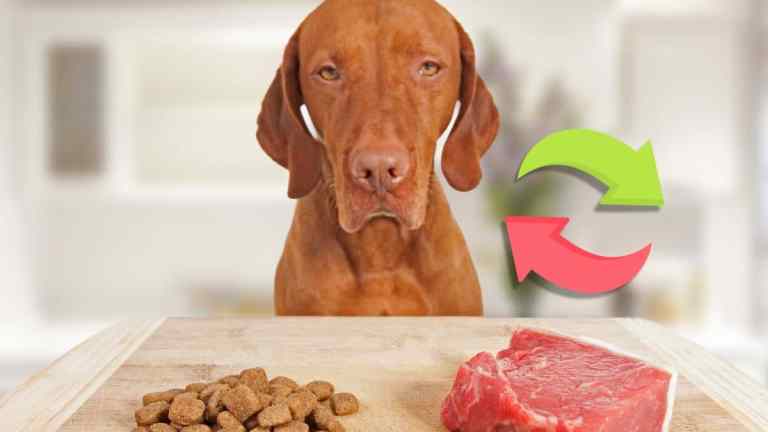
- Diet type – Dogs fed a dry kibble diet will typically drink more water than those eating wet or raw food, which has higher moisture content.
- Exercise levels – Active dogs — especially those walked off-lead or during warm weather — will naturally drink more.
- Weather and environment – During hot summer months, or if your home is centrally heated in winter, your dog may drink more to stay hydrated.
- Age and size – Puppies, lactating bitches, and larger breeds may have slightly higher hydration needs — but puppies, in particular, should be monitored closely as they can dehydrate quickly.
- Health conditions – Dogs with diabetes, kidney problems, or Cushing’s disease may consume significantly more water.

Quick Tip
Use a measuring jug to track how much water your dog drinks over 24 hours. It’s a simple way to spot changes early — and your vet will thank you for the info if something’s not right.
Signs Your Dog Might Be Drinking Too Much
Some dogs naturally drink more than others, but if you’ve noticed a sudden increase in how often your dog is emptying their water bowl — or if you’re constantly topping it up — it could be a sign of something more than just thirst.
The medical term for excessive drinking is polydipsia, and it often goes hand-in-hand with polyuria (peeing more than normal). Together, they can signal a range of underlying health conditions that may need veterinary attention.
Common signs your dog is drinking excessively:
Context is key
A hot day, extra-long walk, or dry kibble meal can all lead to temporary thirst spikes. But if the increase is consistent, sudden, or comes with other symptoms, it’s worth investigating further.
Quick Tip
If you’re unsure whether your dog’s drinking is excessive, start tracking it over 48 hours using a measuring jug. It helps you spot patterns — and gives your vet useful data if a check-up is needed.
Common Causes of Excessive Thirst in Dogs (Polydipsia)
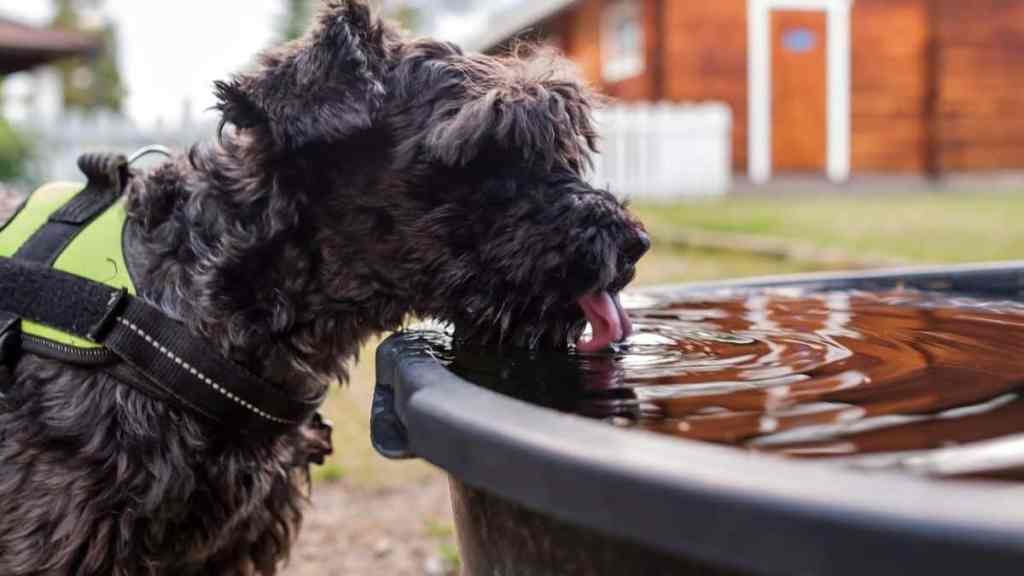
If your dog is drinking more than usual, it’s not always something to panic about — but it shouldn’t be ignored either. Increased thirst, especially when paired with more frequent urination, can point to a wide range of causes, from harmless to serious.
Benign or temporary causes:
Medical causes that require a vet check:
If you’re seeing any combination of the above signs — or if your gut tells you something isn’t right — it’s always better to check with your vet sooner rather than later.
When to See a Vet
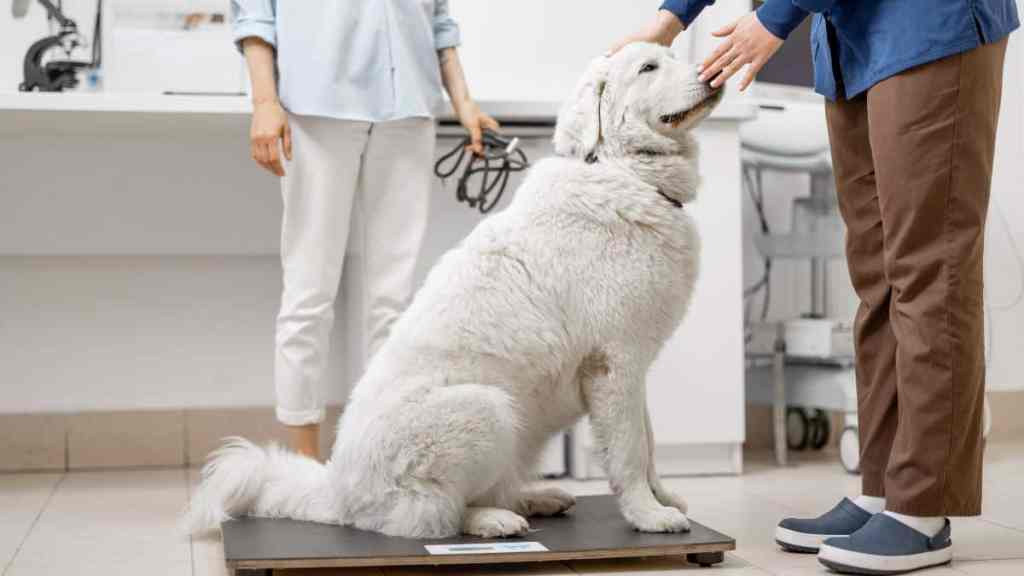
While some increase in thirst is perfectly normal — especially during hot weather or after exercise — sustained or excessive drinking can be an early warning sign of a deeper issue. If you’re even slightly unsure, it’s always better to speak to your vet rather than wait and see.
🩺 Contact your vet if:
- Your dog is drinking noticeably more than usual for more than 48 hours
- You’re refilling their water bowl multiple times a day unexpectedly
- There are accidents indoors or increased urination, especially in a previously house-trained dog
- They show other symptoms, such as:
- Lethargy or weakness
- Loss of appetite
- Vomiting or diarrhoea
- Sudden weight loss
- Blood in urine or straining to pee
Senior dogs and unspayed females need closer monitoring
Senior dogs are more prone to conditions like kidney disease, diabetes, and Cushing’s disease, all of which can increase thirst.
If your dog is a female and hasn’t been spayed, keep in mind that excessive drinking can sometimes be an early sign of a serious uterine infection called pyometra. This condition is potentially life-threatening and usually appears in middle-aged to older bitches, often a few weeks after a season. It may also cause lethargy, vomiting, and a vaginal discharge, but thirst is often one of the first signs.
What your vet might do:
- Take a full clinical history (when the thirst started, any other changes)
- Perform a physical examination
- Run blood tests and a urinalysis to check kidney function, glucose levels, or infection markers
- Possibly conduct imaging (ultrasound or X-ray) depending on findings
Quick Tip
If caught early, many underlying issues can be managed or treated effectively — so don’t hesitate to book an appointment if something seems off.
How to Measure Your Dog’s Water Intake at Home
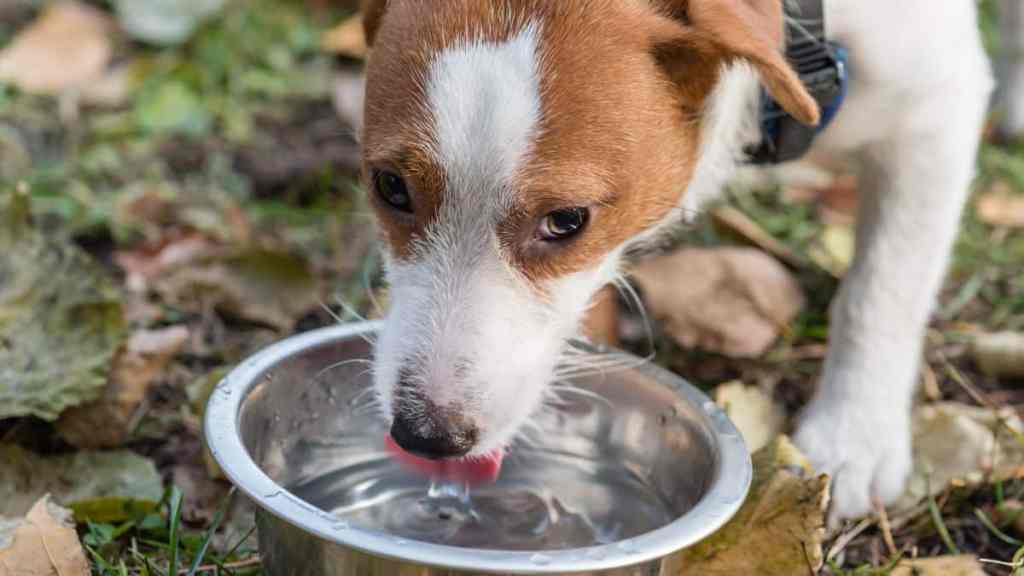
If you’re worried your dog might be drinking too much water, the first step is to get a clear picture of how much they’re actually consuming. Fortunately, it’s easy to track this at home — and the information can be incredibly helpful if your vet needs to investigate further.
Step-by-step: Tracking your dog’s water intake
- Use a clean measuring jug – Fill your dog’s water bowl using a jug so you know exactly how much water is going in.
- Record how much is left – After 24 hours, pour out any leftover water and subtract it from the original amount. This tells you how much your dog has actually drunk.
- Repeat for 2–3 days – Daily fluctuations are normal, so aim to track intake over 48–72 hours to get a clearer average.
- Keep other variables steady – Try not to change food types, treats, or exercise routines during this period — otherwise it could affect thirst levels and skew your results.
- Note any other symptoms – If your dog is also urinating more, vomiting, losing weight, or acting out of character, jot these down too — they’ll help your vet assess the bigger picture.
Quick Tip
A 10kg dog should drink around 500–700ml per day. If you’re consistently seeing much more than that, and there’s no obvious cause like heat or heavy exercise, it’s time to check in with your vet.
Can a Dog Drink Too Much Water at Once? (Water Intoxication)

While most dogs self-regulate their water intake well, there is such a thing as drinking too much too quickly — and in rare cases, this can lead to a serious condition called water intoxication.
What is water intoxication?
Water intoxication (also called hyponatraemia) occurs when a dog consumes an excessive amount of water in a short time. This dilutes the sodium levels in their blood, leading to an electrolyte imbalance that can affect brain function. It’s rare, but it can happen — especially during certain types of play.
When is it most likely to happen?
- Dogs playing with hoses or sprinklers, where they may gulp water repeatedly
- Prolonged swimming sessions, particularly with dogs who retrieve toys from water
- Intense exercise combined with heavy drinking straight after
- Small dogs are more at risk due to their lower body weight and fluid tolerance
Signs of water intoxication to watch for:
If you ever suspect water intoxication, it’s an emergency — seek vet attention immediately.
How to prevent it:
- Supervise hose play or swimming sessions
- Use smaller amounts of water during reward-based games
- Don’t allow your dog to guzzle water straight after intense activity — allow a cool-down period first
Should You Ever Limit a Dog’s Water Access?
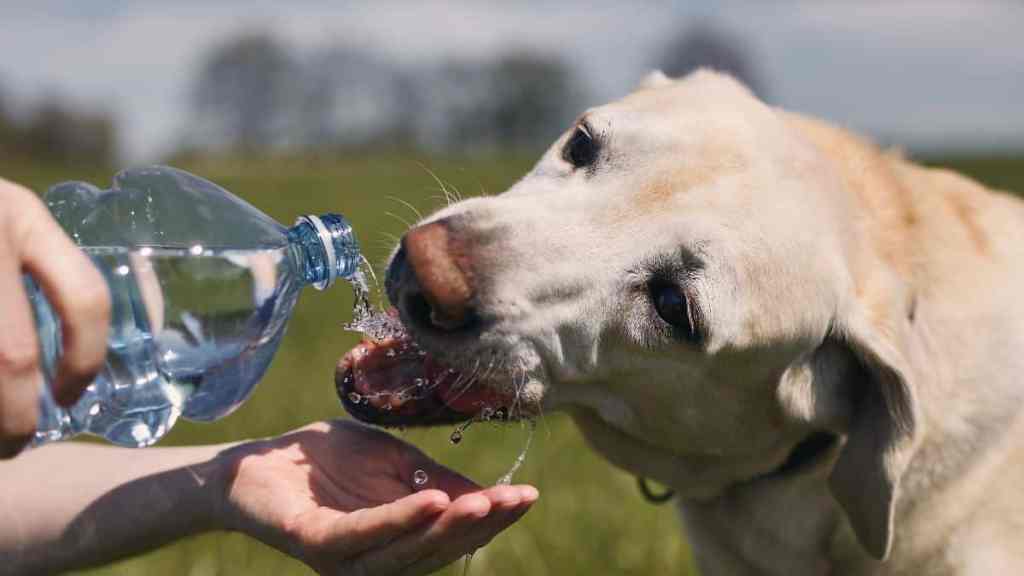
In almost all cases, the answer is no — dogs should have access to clean, fresh water at all times. Withholding water can quickly lead to dehydration, especially in hot weather, after exercise, or for puppies and senior dogs who are more vulnerable.
When limiting water might be appropriate:
There are a few rare medical scenarios where your vet may advise controlled water intake — but this should only ever be done under veterinary supervision. Examples include:
- Certain bladder conditions, where fluid restriction is part of the treatment plan
- Heart or kidney disease, where fluid balance needs careful management
- Post-operative recovery, in specific cases where fluid overload is a risk
Even in these situations, your vet will provide clear instructions and monitor your dog closely.
Why limiting water on your own is risky:
- Dogs can’t tell you when they’re getting dehydrated
- Restricting access can lead to serious complications like overheating, electrolyte imbalance, or even kidney stress
- It can also create anxiety or obsessive behaviours around water bowls
Quick Tip
Unless your vet tells you otherwise, your dog should always have access to clean drinking water — even overnight or when left alone during the day.
FAQs About Dogs and Water Intake
Final Thoughts
Dogs drink water for all sorts of reasons — to stay cool, to rehydrate after a long walk, or simply because it’s part of their routine. But when thirst seems excessive, sudden, or unusual, it’s worth paying closer attention.
Tracking your dog’s water intake can be a simple but powerful tool. It helps you spot changes early, and gives your vet the information they need to investigate if something’s wrong. In most cases, extra thirst has a harmless explanation — but in others, it could be the first sign of a more serious condition like diabetes, kidney disease, or a UTI.
When in doubt, don’t guess — speak to your vet. It’s always better to act early than to wait until symptoms get worse.
Stay observant, offer clean water, and trust your instincts — your dog’s health depends on it.