Guinea pigs may be confident little chatterboxes once they settle in, but they’re also prey animals at heart — and that means they instinctively seek shelter, safety, and somewhere private to rest. If you’ve ever wondered whether guinea pigs really need hides in their enclosure, the answer isn’t just yes — it’s essential to their wellbeing.
Quick Answer: Do Guinea Pigs Need Hides?
Yes, guinea pigs absolutely need hides. As prey animals, they require safe, enclosed shelters where they can rest, retreat, and feel secure. A lack of hiding spaces can cause chronic stress, anxiety, and behavioural problems. Every guinea pig should have access to at least one hide — ideally more than one.
Why Do Guinea Pigs Need Hides?
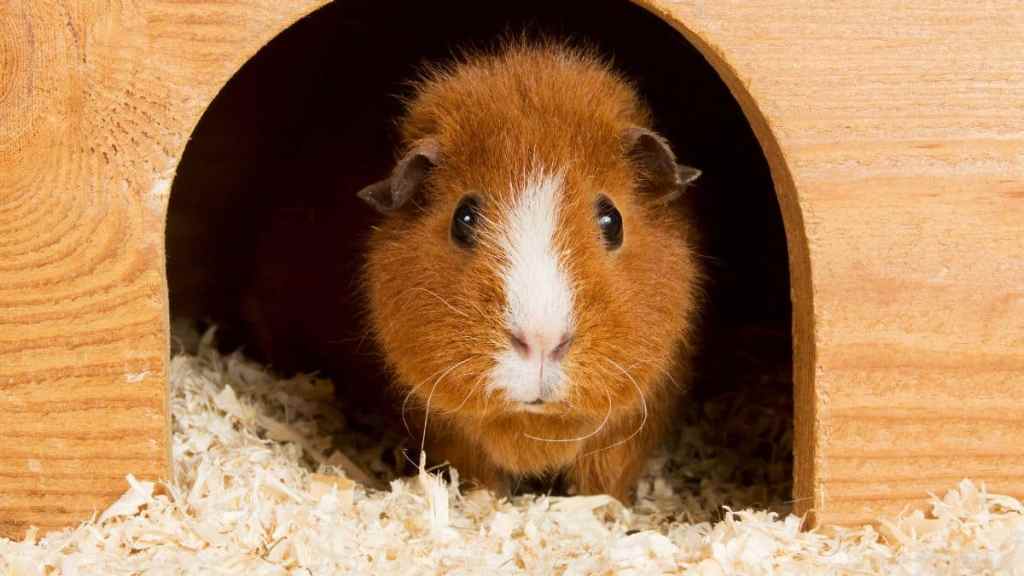
In the wild, guinea pigs (or cavies) survive by being alert, fast, and cautious. They don’t have sharp teeth or claws to defend themselves — instead, they rely on their ability to detect danger and quickly dart into a hiding place.
That instinct doesn’t disappear in captivity. Even the tamest piggie still needs the option to retreat from view — whether it’s to nap, decompress, or avoid a stressful situation like loud noises or unexpected movement.
Providing a suitable hide helps your guinea pig feel:
Without hides, your guinea pig may become skittish, withdrawn, overly reactive, or even aggressive. Hides aren’t a luxury — they’re a core part of responsible guinea pig housing.
What Happens If a Guinea Pig Has Nowhere to Hide?
A guinea pig with no access to proper shelter may:
Stress doesn’t just make guinea pigs unhappy — it puts them at higher risk of illness. According to the RSPCA and Blue Cross, all guinea pigs need places to hide to feel secure in their environment.

Quick Tip
Think of a guinea pig hide as their bedroom — somewhere they know they can relax, snooze, and stay safe.
How Many Hides Should a Guinea Pig Have?

The number of hides you provide can make a big difference to how safe, relaxed, and in control your guinea pigs feel in their environment.
Minimum: One hide per guinea pig
Every piggie needs their own space. Even bonded pairs should each have access to a private hide, in case they want alone time or need to avoid squabbles.
Better: Multiple hides in different areas
Having multiple shelters (with more than one entrance) gives your guinea pigs freedom to choose — and helps reduce dominance-related tension.
Ideal setup:
- 2–3 hides per pair of guinea pigs
- Some covered, some open
- Placed in different parts of the cage
- With more than one entrance for safety and choice
Best Hideout Types for Guinea Pigs
There’s no single “right” hide — variety is great! What matters is that it’s:
Here are some popular and piggie-approved options:
1. 🪵 Wooden Houses
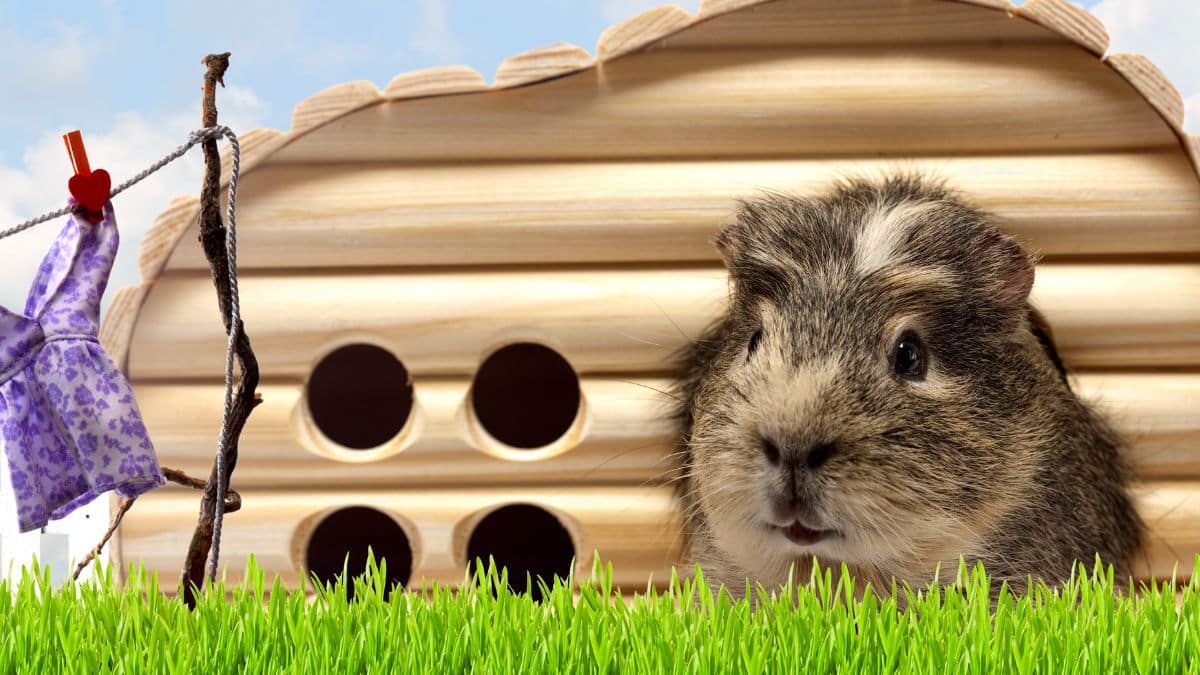
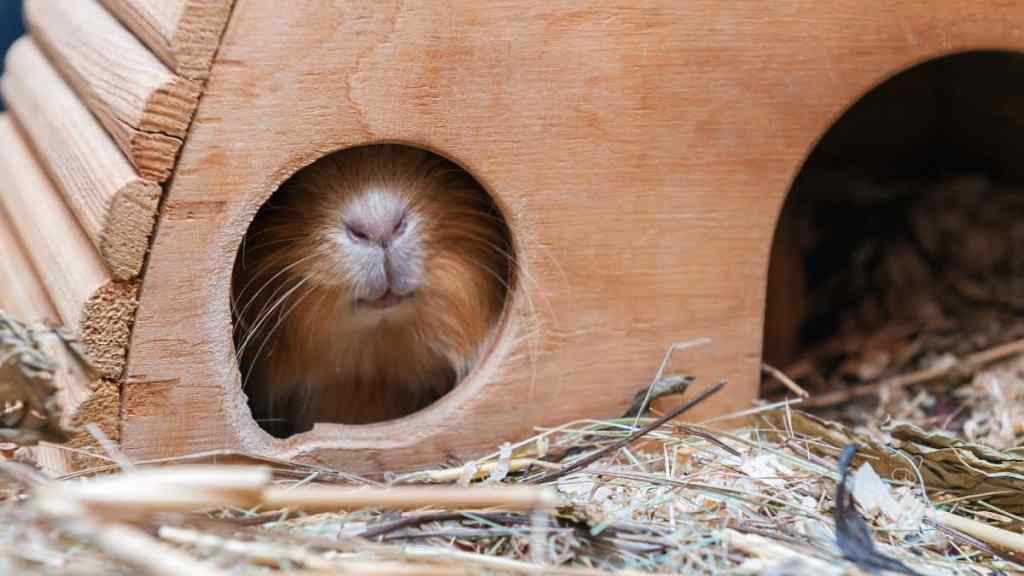
Sturdy, chewable, and natural. Wooden hides are a favourite among guinea pigs — especially when they’re roomy and have more than one entrance for easy access and escape. Look for kiln-dried pine or untreated hardwoods, and avoid anything painted or glued.
A great example is the Pipkins Alpine Small Animal Hideaway on Amazon. Made from pet-safe wood and styled like a miniature chalet, it’s not just functional — it adds charm to any setup while offering shade, privacy, and chew-safe enrichment.

2. 🏠 Plastic Igloos or Domes
Easy to clean and often colourful, these are great all-rounders. Just be mindful of ventilation in hot weather — plastic can retain heat, so they’re best in cooler rooms or shaded zones. If you’re after something sturdy and pet-safe, the Zippi Guinea Pig Shelter from Omlet is a fantastic option — weather-resistant, easy to move, and ideal for both indoor and outdoor runs.
3. 🧺 Fabric Tents and Cuddle Sacks
Soft and cosy, these offer great comfort and warmth, especially in colder months. Just make sure they’re washed regularly to prevent damp, odours, or build-up of bacteria.
4. 📦 Cardboard Boxes
Budget-friendly, biodegradable, and endlessly replaceable. Most guinea pigs love chewing them into new shapes! Just ensure any ink is non-toxic, and swap them out once they get too soggy or chewed through.
5. 🌀 Tunnel Hides
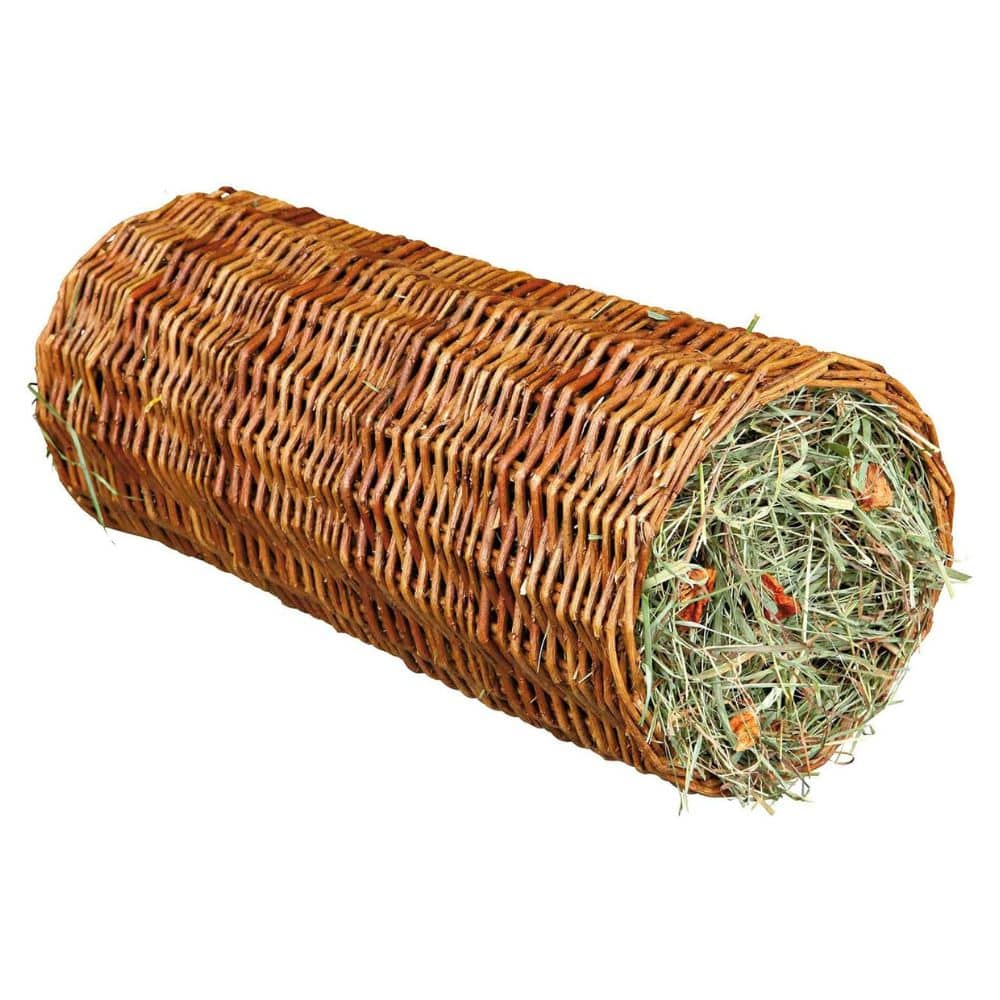
Tunnels double as enrichment and shelter, making them a brilliant multi-purpose option. Flexible tubes, hay-stuffed tunnels, or fleece-lined options all work well. A lovely natural choice is this Woven Wicker Tunnel from Amazon, which is chew-safe, breathable, and perfect for encouraging natural play and hiding instincts.
Do Guinea Pigs Still Need Hides if They’re Confident?
Yes — even bold, outgoing guinea pigs still benefit from having a safe space. It’s not just about shyness — it’s about providing an environment that supports natural behaviours.
Confident guinea pigs may:
Even if your piggie only uses their hide occasionally, it’s still a key part of their welfare.
What to Avoid When Choosing Hides
Not all shelters are created equal. Some are unsafe or unsuitable for guinea pigs. Here’s what to avoid:
Quick Tip
Choose hides that match the size of your guinea pigs — a pair of adults will need roomier shelters than young ones or singles.
Should Hides Be in Every Part of the Cage?
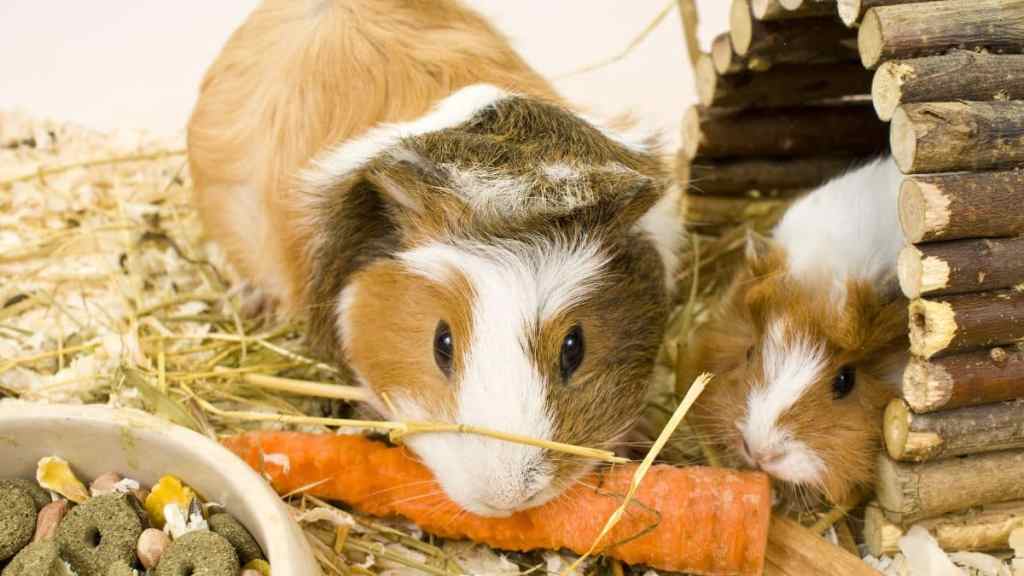
Yes — placing hides in different zones helps your guinea pigs feel secure throughout their enclosure. Think of it like this:
- Main hide: A central shelter where they nap or relax
- Corner hide: Tucked away for quiet time or retreat
- Open tunnel or archway: Allows shelter without isolation
- Play hide: Something chewable or changeable for enrichment
Change things up occasionally to keep their space interesting — but always ensure familiar shelters are available too.
Recap Table: Guinea Pig Hideout Essentials
|
Do guinea pigs need hides? |
Yes — hides are essential for safety and mental wellbeing |
|---|---|
|
Minimum number of hides |
One per pig (more if possible) |
|
Best hideout types |
Wooden houses, plastic igloos, cuddle sacks, tunnels, cardboard boxes |
|
Avoid |
Small hamster hides, sharp plastics, single-exit designs |
|
Key benefits of hides |
Reduces stress, encourages natural behaviour, prevents conflict |
|
Ideal setup |
Several hides in different areas, with more than one entrance |
Final Thoughts
Guinea pigs may be small, but their need for shelter is massive. Whether they’re skittish or bold, solo or part of a herd, every guinea pig deserves a space they can call their own — somewhere quiet, dark, and just for them.
Providing hides isn’t just about comfort — it’s about creating a home where your guinea pig feels safe, respected, and free to be themselves. When you meet their instinctive need for privacy, you’ll notice they become more relaxed, confident, and sociable as a result.
So go ahead — add that extra tunnel, cosy up their cage with a fleece hut, or repurpose a cardboard box. You’re not just decorating — you’re building trust, reducing stress, and giving your piggies the safety net they instinctively crave.
🐹 Happy guinea pigs are hiding guinea pigs — and that’s a sign you’re doing it right.