Bathing your dog should leave them smelling fresh, clean, and cuddle-ready — but what if it doesn’t? You’ve gone through the whole process: rinsed thoroughly, used dog-specific shampoo, dried them properly… and yet, somehow, that distinctive doggy smell still lingers. For owners of particularly pongy pups, it can feel like a never-ending cycle of wash and repeat with no improvement. The truth is, if your dog still smells after a bath, it’s likely due to an underlying cause that shampoo alone won’t fix.
Persistent doggy odour isn’t just unpleasant — it can be a sign of issues that go beyond dirt or outdoor mischief. From overlooked body parts like ears or paws, to medical conditions affecting the skin or glands, there are many potential causes of ongoing odour. Even things like your dog’s diet or how they dry after a bath can play a role. And while many of us are quick to assume we’ve used the wrong shampoo or not dried thoroughly enough, the real root of the smell is often more specific — and more fixable.
This guide takes a deep dive into the common causes of post-bath dog odour, how to spot more serious issues early, and what you can actually do to solve the problem long term. Whether you’re dealing with musty ears, fishy anal gland smells, or just that classic “wet dog” aroma that never seems to fade, here’s what you need to know.
1. The Smell Isn’t Coming From Their Coat

It’s a common misconception that a dog’s bad smell is always due to a dirty or oily coat. But in many cases, even when the fur looks clean and fresh, there are hidden sources of odour lurking in less obvious places — often areas that aren’t fully addressed during a regular bath. In fact, some of the worst smells come from small, neglected spots where bacteria and yeast thrive, and washing the fur alone does very little to help.
Take the ears, for example. Dogs with floppy ears — like Spaniels, Basset Hounds or even Frenchies — are prone to ear infections due to the way moisture and wax build up in their ear canals. These infections can give off a sour, damp smell that shampoo won’t touch. Similarly, if your dog’s breath is constantly foul, it could be due to plaque buildup, gum disease or other dental problems — and no amount of washing will get rid of it. The same goes for skin folds, especially in brachycephalic breeds (dogs with short, flat faces). These folds trap moisture, food, and bacteria, creating a perfect breeding ground for odour and infection.
One of the most unpleasant (yet surprisingly common) causes of smell is related to the anal glands. These small scent glands, located near your dog’s anus, can become full or impacted, leading to a very distinctive fishy odour. And it doesn’t stop there — paws can harbour bacteria, yeast, and other nasties, especially if they’re constantly damp or not cleaned properly. The classic “corn chip” smell some owners notice comes from natural bacteria on the paw pads, but when left unchecked, it can become overpowering.
Common hidden sources of bad odour:
- Ears: Sour or musty smells often indicate yeast or bacterial infections
- Mouth & teeth: Dental issues like plaque, gingivitis or tooth decay
- Skin folds: Moisture and trapped food create a breeding ground for bacteria
- Anal glands: Fishy smell can signal impaction or infection
- Paws: Bacteria and yeast thrive between toes and under pads
What you can do:
- Use a vet-approved ear cleaner and gently clean once a week
- Brush teeth daily with canine-safe toothpaste — not human toothpaste
- Wipe folds with a soft cloth and dry them thoroughly
- Keep paws clean and dry after walks, especially in wet weather
- Ask your vet or groomer to check and express anal glands if needed
These problem areas are often missed, but they’re some of the most important to address if you want your dog to genuinely smell better after a bath — and not just temporarily mask the problem.
2. Skin Issues Could Be the Real Cause
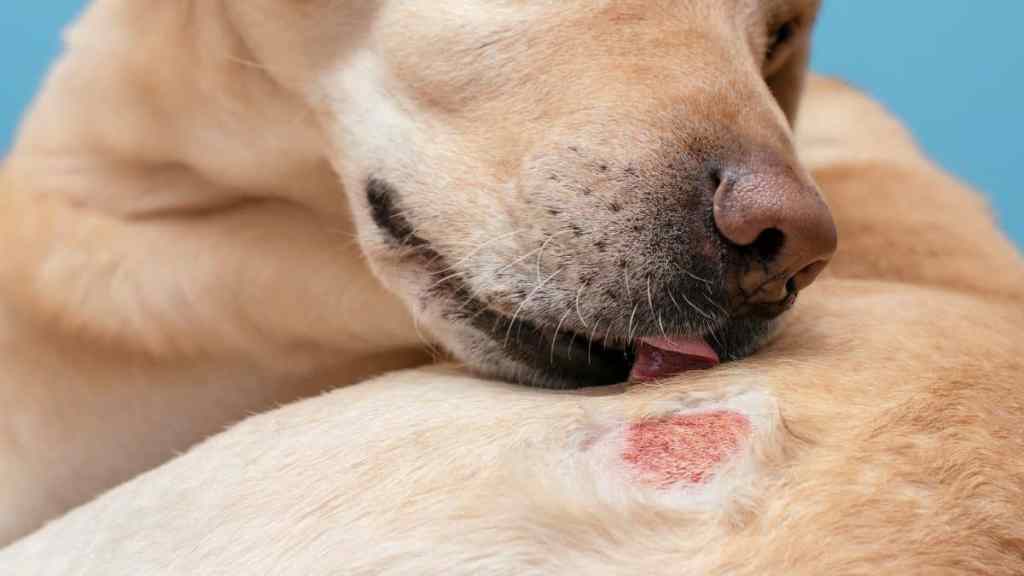
If your dog still smells after a proper bath, the issue may be more than just surface-level dirt. One of the most common causes of lingering odour in dogs is an underlying skin condition — something that even regular grooming won’t fix. Dogs can develop a range of dermatological problems that cause inflammation, excess oil production, or infection, all of which can produce strong, unpleasant smells. These issues are often overlooked, especially when symptoms are subtle or hidden under thick fur.
For instance, seborrhoea is a skin disorder that causes the glands to produce too much oil, resulting in greasy fur, flakiness, and a distinct ‘doggy’ smell that tends to return quickly after washing. Similarly, bacterial skin infections (pyoderma) can cause sores, redness, and scabbing that ooze or crust over — often accompanied by a musty or sour scent. Yeast infections, commonly found in warm, moist areas such as skin folds or under the legs, give off a sweet, almost bread-like smell that worsens when the dog is damp or hasn’t been dried properly.
Allergies, whether triggered by food, pollen, dust mites or household products, can also be a root cause. Dogs suffering from allergies often lick, chew or scratch certain areas excessively. This behaviour can break the skin, create dampness, and introduce bacteria — leading to a cycle of irritation, infection, and persistent odour. In many cases, dogs with ongoing allergies will require both skin treatment and an investigation into the allergen itself. Hot spots (acute moist dermatitis), are another issue to watch for — these fast-developing, inflamed patches are painful and produce a strong, unpleasant smell if not treated quickly.
Possible skin-related causes of odour:
- Seborrhoea: Overproduction of oils causing greasy, smelly skin
- Bacterial infections: Red, scabby patches with musty odour
- Yeast infections: Sweet or cheesy smell in warm, damp areas
- Hot spots: Inflamed, oozing patches of skin
- Allergies: Licking and chewing leading to secondary infection
What you can do:
- Consult your vet to diagnose the underlying cause
- Use medicated shampoos (prescribed only) when advised
- Avoid overbathing, which can disrupt natural oils
- Keep your dog’s environment clean and dry
- Review your dog’s diet, especially if allergies are suspected

Quick Tip
Skin health is one of the biggest contributors to how your dog smells. If your pup is consistently pongy no matter how often you bathe them, a vet visit is likely your best next step.
3. Your Dog Isn’t Being Dried Properly

Even with a thorough bath, how you dry your dog afterwards can make or break the final result. Damp fur that hasn’t been properly dried is a prime environment for bacteria and mildew, especially in dogs with thick or double coats. This is one of the most overlooked reasons why some dogs start smelling again just hours after a bath.
Dogs don’t naturally air-dry well — especially in a humid bathroom or chilly UK weather. Moisture trapped close to the skin promotes musty smells, and in some cases, even hot spots or fungal issues. Dogs with thick undercoats like Huskies, Newfoundlands or Retrievers are particularly at risk. And for flat-faced breeds, moisture in skin folds and around the neck can linger without you realising.
Signs of improper drying:
- Fur feels dry on the surface but damp near the skin
- Odour returns within a few hours of bathing
- Dog shivers or scratches excessively after bath
Tips for drying properly:
- Use absorbent microfibre towels to soak up excess water
- Invest in a dog-specific dryer (low heat, high airflow) for thick-coated breeds
- Gently separate fur to allow airflow to reach the skin
- Ensure skin folds and paws are dried thoroughly
Quick Tip
Taking the time to dry your dog completely can make a big difference in post-bath freshness.
4. Diet and Digestion May Be Playing a Role

Believe it or not, what goes into your dog has a huge impact on how they smell on the outside. A poor-quality diet can lead to imbalances in your dog’s skin and coat condition, cause bad breath, increase flatulence, and even lead to a greasy or sour odour that no amount of bathing can mask.
Cheap or heavily processed dog food often contains fillers, artificial additives, or poor protein sources that are harder for dogs to digest. This can disrupt their gut microbiome, which in turn affects skin health, breath, and even body odour. Dogs with food sensitivities or allergies may also suffer from skin irritation and itchiness, leading to excessive licking — especially of their paws and groin — and creating a cycle of dampness and smell.
Raw or homemade diets that aren’t properly balanced can also contribute to odour issues if key nutrients like omega-3 fatty acids or zinc are missing. These nutrients are essential for skin barrier function and reducing inflammation.
Signs your dog’s diet may be affecting their smell:
- Constant bad breath despite good dental hygiene
- Greasy or flaky coat
- Excessive gas or loose stools
- Chronic ear or skin infections
What you can do:
- Choose a high-quality, complete dog food with named proteins and no unnecessary fillers
- Discuss food allergies or sensitivities with your vet and consider an elimination diet
- Add a skin supplement (like salmon oil or omega-3 capsules) with vet approval
- Introduce probiotics to support gut health
Quick Tip
If you’ve recently changed foods and noticed a new smell, it might be worth switching back or consulting a nutrition-savvy vet for advice.
5. Environmental Factors and Triggers
Sometimes, the smell isn’t coming from your dog directly — but rather what they’ve rolled in, walked through, or laid on. Even if you’ve bathed them thoroughly, odours from the environment can linger on the skin or coat, especially if not addressed right away.
Common culprits include things like damp bedding, unwashed collars, old harnesses, or even car seats. If these fabrics harbour mildew, bacteria, or old urine smells, your freshly washed dog might pick those scents right back up. Similarly, dogs who love rolling in fox poo, dead animals, or pond sludge may require multiple washes (and special deodorisers) to truly get clean.
Environmental smell sources to consider:
- Bedding and blankets: Need regular hot washing
- Collars and harnesses: Absorb smells and can re-contaminate fur
- Garden areas or parks: Especially places with stagnant water or animal faeces
What you can do:
- Wash your dog’s bedding weekly at 60°C or higher
- Clean collars, leads and harnesses every few weeks
- Use a dog-safe deodorising spray after outdoor adventures
- Wipe your dog down with a microfibre cloth after muddy or wet walks
Quick Tip
If your dog loves rolling, keep natural pet wipes or dry shampoo handy for spot-cleaning.
6. When to See a Vet
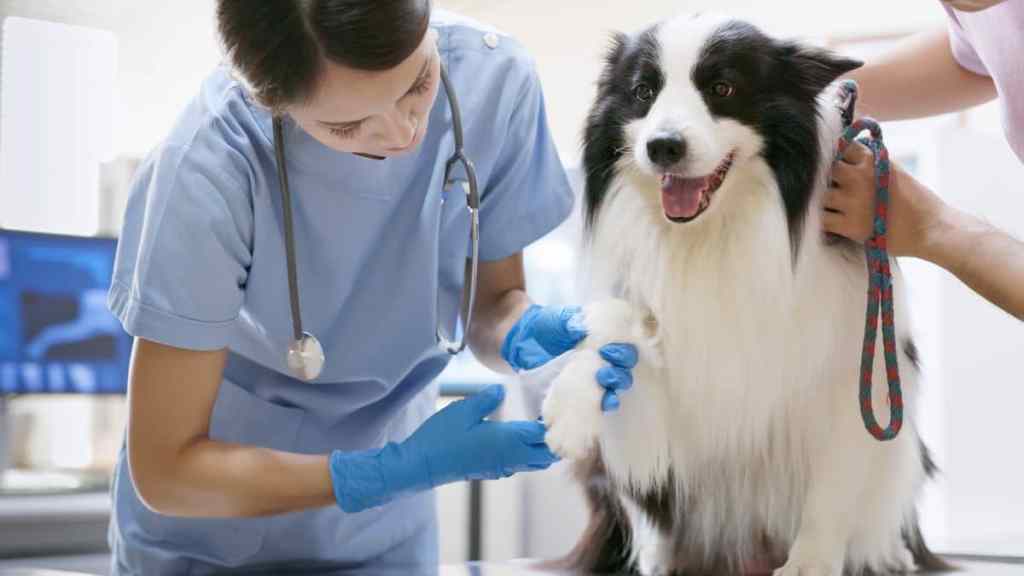
If you’ve ruled out all the above — cleaned the ears, checked the paws, upgraded the diet, dried thoroughly, and kept the environment fresh — but your dog still has a lingering odour, it’s time to speak to a professional.
Persistent bad smell can indicate more serious issues like metabolic diseases, infections that need antibiotics, dental abscesses, or even tumours in some cases. Especially if the smell is accompanied by other symptoms like changes in behaviour, appetite, energy levels, or skin appearance.
Signs it’s time to call your vet:
- Smell persists for more than a few days after bathing
- Red or swollen skin, ears, or gums
- Lethargy or behavioural changes
- Frequent scratching, licking, or chewing
Don’t try to cover up or mask the smell with excessive bathing or strong perfumes. Your dog’s body odour is a clue — and your vet is the best person to help interpret it.
Final Thoughts
A bath should leave your dog smelling sweet — or at the very least, neutral. If it doesn’t, it’s a signal that something more is going on. Whether it’s skin infections, missed body parts, environmental grime or internal issues, a lingering doggy odour can usually be traced back to a root cause.
The good news? Most of these are easily treatable once identified.
Stay observant, clean smart, and when in doubt — consult your vet. A fresh-smelling pup isn’t just more pleasant to cuddle, it’s often a sign of better overall health.