They might be small in stature, but Dachshunds come with full-sized personalities — bold, stubborn, hilarious, and often louder than dogs three times their size. Whether you’re already a proud sausage dog parent or considering bringing one home, there’s a lot to love (and a few things to prepare for).
From their surprisingly loud bark to their intense loyalty and burrowing habits, Dachshunds aren’t your average lap dog. This guide covers the ups, the downs, and the “oh no, not the cushions again” moments of life with one of the UK’s most beloved — and opinionated — breeds.
Quick Answer: What’s it really like to live with a Dachshund?
Dachshunds are loyal, lively, and notoriously stubborn dogs with big personalities. They thrive on companionship, love to burrow, and often believe they’re bigger than they are. While they make fantastic pets for the right home, their independent streak and tendency to bark can be challenging for first-time owners. They need firm but gentle training, and due to their long backs, they require extra care around stairs and jumping.
What Makes Dachshunds So Unique?
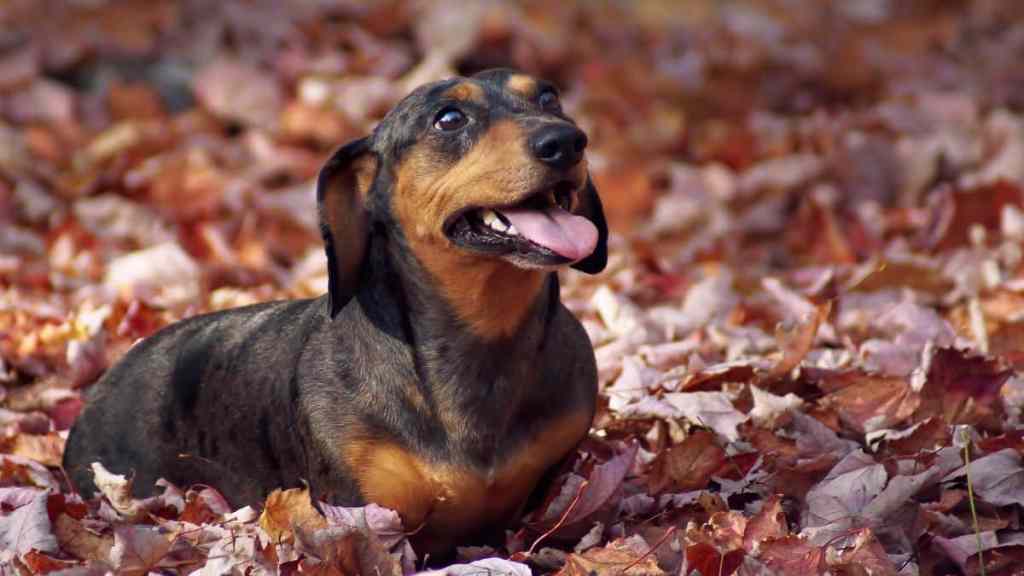
Originally bred in Germany for hunting badgers, Dachshunds are purpose-built with long, low bodies and a surprisingly strong prey drive. Their name literally means “badger dog” (Dachs = badger, Hund = dog), and even today, those instincts show up in their curious noses, confident attitude, and love for digging.
Despite their size, Dachshunds are known for having one of the biggest personalities in the dog world — often described as fearless, comical, and completely unaware of their small stature.
Key Dachshund traits:

Quick Tip
Because Dachshunds were bred for independent work underground, they tend to ignore commands unless they see value in following them. Short, reward-based training sessions work best — and consistency is key.
The Best Bits: Pros of Living With a Dachshund
Dachshunds have a cult following for a reason. They might be small in stature, but they’re packed with love, loyalty, and a surprising amount of laughter. Living with one means daily entertainment, deep companionship — and the occasional sock theft.
Here’s why so many UK dog lovers are completely obsessed with these sausage-shaped legends:
❤️ They’re affectionate and people-focused
Most Dachshunds form strong bonds with their humans — often picking one person as their “chosen human” and following them everywhere (yes, even the loo).
😂 They’re absolute comedians
Their expressions, stubbornness, and dramatic sighs are all part of the package. Dachshunds don’t just live in your house — they own the stage.
🧠 They’re clever and surprisingly cunning
Dachshunds learn fast (especially when food is involved). They’ll work out where the treats are stored, how to guilt-trip you into cuddles, and which cushion they like best.
🛋️ They’re happy in smaller homes
Their compact size makes them great for flats or smaller UK homes — as long as they’re walked regularly and mentally stimulated.
🐾 They’re low-maintenance in some ways
Short-haired Dachshunds don’t shed much, don’t need clipping, and generally don’t have that “doggy smell.” They’re pretty neat little housemates.
Quick Tip
Dachshunds love being near you — but they’re also sensitive. Shouting or harsh corrections can make them anxious or withdrawn. Use positive reinforcement and set clear boundaries early.
The Tough Bits: Cons of Living With a Dachshund

As loveable as they are, Dachshunds aren’t the right fit for everyone. Their big personalities come with big quirks — and without proper boundaries, they can become a handful. Before bringing one home, it’s worth understanding what you’re really signing up for.
🧱 They’re notoriously stubborn
Dachshunds are independent thinkers. If they’re not in the mood to sit, stay, or come, they simply won’t. Training takes patience, consistency, and plenty of snacks.
📢 They bark. A lot.
Dachshunds are known for their deep, loud bark — often surprising for their size. They’ll alert you to knocks, birds, leaves, or mysterious noises you can’t even hear.
🧠 They get bored easily
Without enough stimulation, Dachshunds can become destructive or difficult. Mental enrichment is just as important as walkies — puzzles, sniffing games, and learning tricks can help.
🦴 They’re prone to back problems
That iconic long back makes Dachshunds especially vulnerable to IVDD (intervertebral disc disease). Jumping off furniture, climbing stairs, or gaining weight increases their risk of injury.
😤 They can be possessive
Some Dachshunds become very attached to one person — and a bit bossy about it. Resource guarding and jealousy can develop if not managed early.
Quick Tip
If your home has stairs or high sofas, consider dog ramps or blocked access to protect your Dachshund’s spine. Prevention is much easier (and cheaper) than treatment.
Dachshund Care Essentials: What These Dogs Really Need
Dachshunds might be small, but their care needs are surprisingly specific. From protecting their long backs to keeping their sharp little minds engaged, here’s what it takes to keep your sausage dog healthy and happy.
Exercise: Short Legs, Big Energy
Despite their size, Dachshunds have plenty of stamina and love a good sniff-and-stroll. They’re not long-distance runners, but daily walks (30–60 minutes split across the day) are a must — ideally with chances to explore, sniff, and dig.
- Avoid repetitive stair use or jumping during play
- Always warm up and cool down gently to protect their joints
- Mix in indoor play and scent games for mental exercise
Feeding: Watch That Waistline
Dachshunds are prone to weight gain, and even a little extra fat can put huge strain on their spine.
- Feed a complete, high-quality dog food designed for small breeds
- Stick to measured portions (don’t free-feed)
- Use treats for training, but account for them in the daily total
- Avoid table scraps — they’ll beg, and they’ll be convincing, but stay strong!
Grooming: Simple but Regular
There are three coat types: smooth, long-haired, and wire-haired. Each has slightly different needs.
- Smooth-coated: Low-shed, easy to brush weekly
- Long-haired: Needs regular brushing to prevent mats
- Wire-haired: Requires hand-stripping or occasional clipping
All types benefit from regular nail trims, ear checks (they’re prone to wax build-up), and dental care.
Spinal Health: The Big One
Dachshunds are at increased risk of IVDD, a painful spinal condition that can lead to paralysis. Prevention is crucial.
Tips for spine safety:
- Use ramps or steps for sofas and beds
- Carry them with support under both chest and back legs
- Avoid letting them jump off furniture
- Keep them slim — excess weight = extra strain
Dachshund Life Stages: From Pup to Pensioner

Dachshunds bring their cheeky personality into every stage of life — but their needs change quite a bit along the way. Here’s what to expect as your sausage dog grows:
Puppy (0–6 months)
- Extremely curious, bitey, and full of zoomies
- Needs gentle, early socialisation with people and dogs
- Toilet training can take time (they’re tiny — and stubborn)
- Start handling and grooming habits early
Adolescent (6–18 months)
- Energy spikes, training tests your patience
- May show selective hearing (especially outdoors!)
- Watch for guarding behaviour — set boundaries early
- Keep spinal safety top of mind as they explore more
Adult (1.5–7 years)
- Still playful but more predictable
- Great time to reinforce training and settle into routines
- Keep their weight in check — mid-life is when back issues often begin
Senior (7+ years)
- May slow down but still sharp and vocal
- Regular vet checks and joint care are important
- Modify walks if they tire faster
- Keep them mentally stimulated — Dachshunds hate boredom at any age
Quick Tip
Many Dachshunds live well into their teens — but senior care starts earlier than you think. Adjust routines and exercise around age 7 to protect their spine and joints long-term.
Dachshund Myths (Debunked)

They might be Instagram stars, but Dachshunds often come with a few myths that don’t quite stack up in real life. Here’s what you should not assume about the breed:
MYTH: “Dachshunds are yappy and mean.”
FACT: Dachshunds are vocal, alert, and protective — it’s in their nature as watchdogs. But with proper socialisation and training, they’re not aggressive. Most issues stem from fear, boredom, or inconsistent boundaries — not bad temper.
MYTH: “They don’t need much exercise.”
FACT: Despite those tiny legs, Dachshunds have bags of energy and need daily walks and enrichment. Under-exercised Dachshunds can become destructive, vocal, or anxious.
MYTH: “You can’t train a Dachshund.”
FACT: You absolutely can — they’re clever, but they like doing things their own way. Keep sessions short, fun, and food-motivated, and they’ll surprise you with what they can learn.
MYTH: “All Dachshunds have the same personality.”
FACT: While they share some core traits, temperament varies. Smooth, long-haired, and wire-haired Dachshunds often differ — with wire-haired types often described as cheekier and more outgoing. Early handling and life experiences also shape personality just as much as breed type.
Are Dachshunds Good with Kids and Other Pets?
Dachshunds can be incredibly loving companions — but they don’t automatically get along with everyone. Their bold nature, loyalty to their humans, and occasional stubborn streak can make them selective when it comes to playmates.
Dachshunds and Children
Dachshunds can live happily with children — especially in calm, respectful households. But they’re not always the best match for very young kids who may be unpredictable with noise, movement, or rough handling.
Things to keep in mind:
- They may become snappy if startled or annoyed
- They’re small, and their backs are delicate — children must be taught how to pick up and play with them safely
- Dachshunds often bond tightly to one person, which can create jealousy or guarding behaviour
Quick Tip
Best fit: Families with older children who understand boundaries and can respect the dog’s space
Dachshunds and Other Dogs
Dachshunds can get on well with other dogs, especially if raised together — but some are prone to being bossy or territorial, particularly with same-sex dogs.
- Socialise them early and frequently
- Introduce new dogs slowly and in neutral spaces
- Monitor for resource guarding or possessiveness over toys or people
Dachshunds and Cats
Some Dachshunds coexist peacefully with cats — especially if introduced at a young age. Others may see smaller pets as prey due to their strong hunting instincts.
- Slow, scent-based introductions are essential
- Always supervise early interactions
- Never leave a Dachshund alone with small animals like hamsters or rabbits
Dachshund Coat Types Compared: Smooth, Long-Haired & Wire-Haired

Not all Dachshunds are created equal — and we’re not just talking about colour. The breed comes in three distinct coat types, and while they share the same classic sausage-dog shape, they often differ in grooming needs and even personality.
Here’s what you need to know to choose the right type for your home and lifestyle.
Smooth-Coated Dachshunds
The most common type, and what most people picture when they think of a sausage dog.
- Coat: Short, sleek, low-shed
- Grooming: Weekly brushing, minimal fuss
- Personality notes: Often a little more intense or stubborn; loyal, alert, and occasionally bossy
- Ideal for: Low-maintenance owners or smaller homes
Long-Haired Dachshunds
These beauties have a more flowing coat and often a gentler nature.
- Coat: Soft, wavy, medium-length hair
- Grooming: Brushing 2–3 times per week to prevent mats
- Personality notes: Often described as calmer or more laid-back (but still cheeky!)
- Ideal for: Families who enjoy regular grooming and a fluffier companion
Wire-Haired Dachshunds
The scruffiest and arguably the cheekiest of the bunch — wire-haired Daxies have a bearded, rough-and-tumble look.
- Coat: Dense, coarse outer coat with soft undercoat
- Grooming: Requires hand-stripping or clipping a few times a year
- Personality notes: Often more sociable, playful, and clownish
- Ideal for: Active households who love a bit of character (and don’t mind a little upkeep)
Is a Dachshund the Right Dog for You?

Dachshunds are bursting with charm, loyalty, and personality — but they’re not the easiest breed to raise. If you’re looking for a laid-back, go-with-the-flow companion, a Daxie might surprise you with their sass.
But if you’re after a fun-sized dog with a fearless streak, a comical nature, and a fiercely loyal heart, they’re hard to beat.
Here’s what a good Dachshund home usually looks like:
💡 Not ideal for: Families with very young children, homes with lots of stairs, or anyone expecting an obedient lapdog. Dachshunds are companions with attitude, not couch potatoes with manners.
Final Thoughts
Living with a Dachshund is rarely dull. They’ll test your patience, steal your heart (and your slippers), and wrap you around their tiny paws in no time.
But behind the bark and the bossiness is a deeply loyal, intelligent little dog who wants nothing more than to be part of your world. If you can handle the quirks and embrace the chaos, life with a Dachshund is full of laughs, love, and the occasional dramatic sigh.