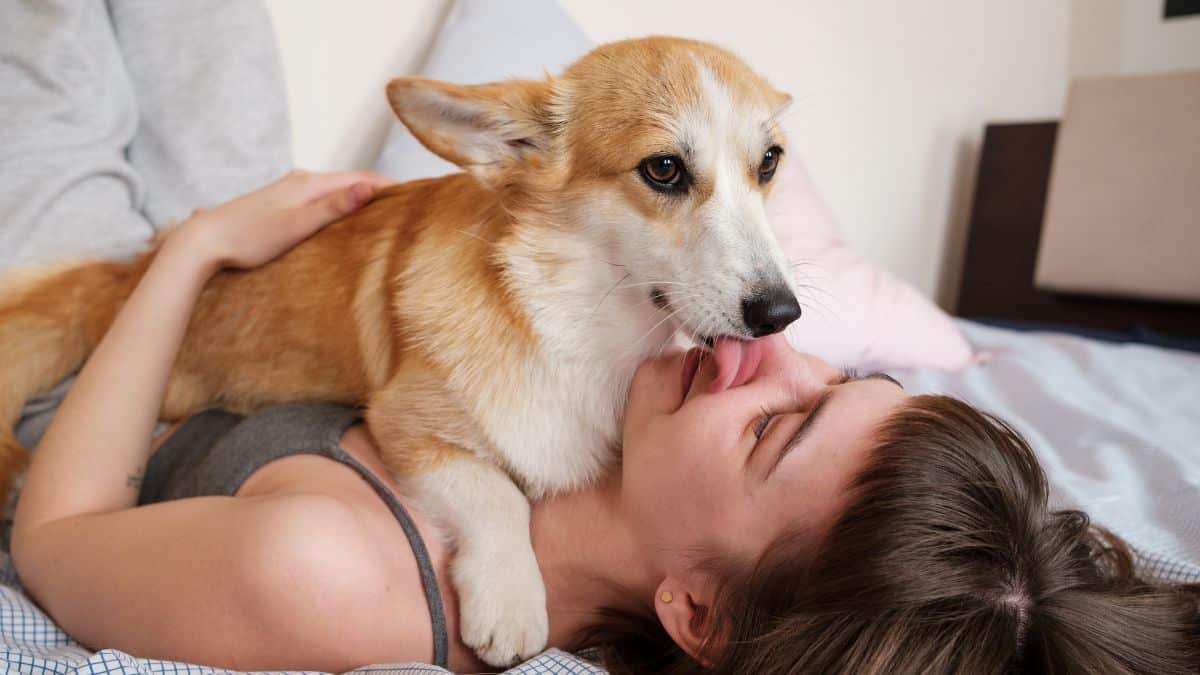
You’re sat on the sofa, and before you know it, your dog’s tongue is everywhere. Your face, your hands, even your feet. But why do dogs lick us so much? Is it affection? Habit? Or could it be a sign of something more?
Licking is one of the most common — and often misunderstood — behaviours in dogs. While it can seem like a simple display of love, the reasons behind licking are surprisingly complex. From bonding and grooming instincts to anxiety or even medical issues, your dog’s licking habit can reveal a lot about how they’re feeling.
In this guide, we’ll break down the most common reasons dogs lick, when it’s completely normal, when it might signal a problem, and how to gently manage it if it becomes excessive.
Quick answer: Why does my dog lick me?
Dogs lick for a variety of reasons. The most common is affection, where licking helps strengthen the bond between dog and owner. Other reasons include attention-seeking, tasting salt or scents on your skin, self-soothing when anxious, or even medical issues such as nausea or dental problems. Occasional licking is normal, but if it becomes excessive or changes suddenly, it may need veterinary advice.
1. Affection and Bonding

For many dogs, licking is simply a way of showing love. From the moment they’re born, puppies are licked by their mothers for grooming, comfort, and bonding. This early association often stays with them into adulthood.
When your dog licks you, they may be mimicking this same behaviour. It’s their way of expressing trust, affection, and a sense of safety around you. In fact, licking can trigger the release of feel-good hormones like endorphins, helping your dog feel calm and connected.
Some breeds are naturally more prone to affectionate licking than others. Companion breeds such as Cavalier King Charles Spaniels, Labradors, and French Bulldogs often display this behaviour more frequently.
Key signs your dog’s licking is affectionate:
In most cases, affectionate licking is harmless and simply part of your dog’s way of bonding with you.
2. Attention-Seeking Behaviour

Sometimes, licking is less about love and more about getting your attention. Dogs are quick learners. If licking you results in a reaction — whether it’s a smile, a stroke, or even asking them to stop — they often view that as a win.
Over time, this can easily become a habit. Your dog learns that licking gets a response, and that response reinforces the behaviour. For some dogs, especially those that crave interaction or are easily bored, licking becomes their go-to strategy when they want your focus.
This type of attention-seeking licking is particularly common:
- When you’re distracted (on your phone or working)
- As you return home
- When they want food or playtime
- During moments when they feel ignored
Tips to manage attention-seeking licking:
- Avoid rewarding the behaviour with immediate attention
- Gently redirect them to another activity
- Ensure your dog is getting enough mental and physical stimulation
- Reinforce calm, non-licking behaviour with praise or treats

Quick Tip
If managed carefully, attention-seeking licking usually fades once the behaviour stops being rewarded.
3. Taste and Smell
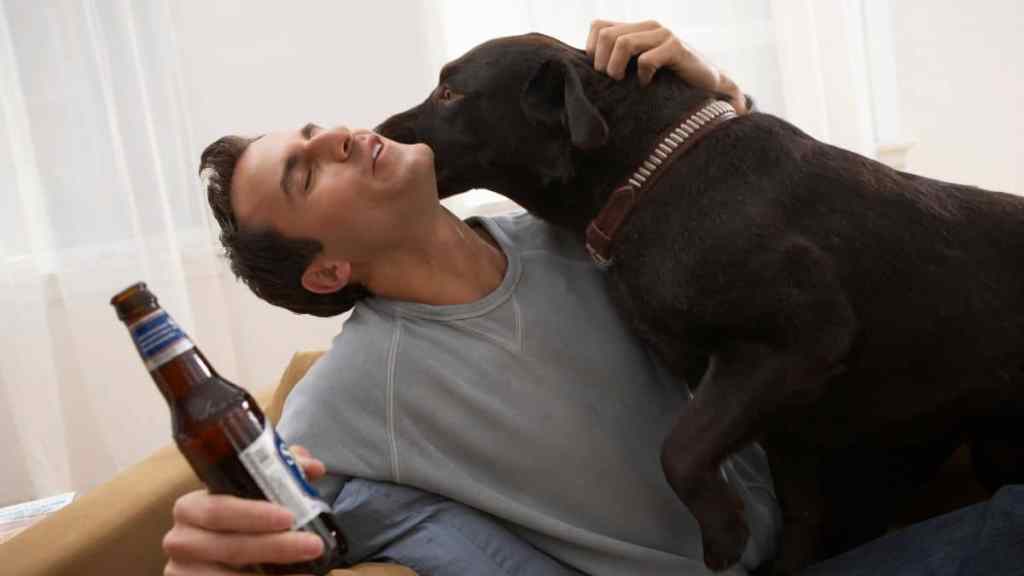
Your skin carries all sorts of interesting scents and flavours that your dog’s sensitive nose can easily detect. For some dogs, licking is simply their way of exploring these smells more closely.
Human skin can taste salty, especially after exercise or on warmer days when sweat collects. Lotions, perfumes, soaps, or even the scent of food on your hands can all attract curious tongues.
Common triggers for taste-driven licking:
- Sweat and salt on your skin
- Traces of food or drink
- Moisturising creams or scented lotions
- Soaps, shampoos or perfumes
- Residual scents from other animals
While taste-based licking is usually harmless, be mindful of any products on your skin. Some creams or lotions may contain ingredients that aren’t safe if ingested by dogs.
Quick Tip
If your dog seems particularly fixated on licking after you apply skincare or cosmetics, it may be worth distracting them until the product fully absorbs.
4. Anxiety or Stress

Licking isn’t always about affection or taste. For some dogs, it’s a way of coping with anxiety or emotional stress. Just like humans might bite their nails or fidget, dogs may lick to calm themselves down. This self-soothing behaviour helps release endorphins, providing temporary comfort.
It’s particularly common in dogs that struggle with:
- Separation anxiety
- Changes to their routine
- Loud noises or unfamiliar environments
- New people or animals in the home
In anxious dogs, licking often extends beyond people. They may lick furniture, floors, or even themselves as part of this coping mechanism.
Signs your dog’s licking may be anxiety-related:
If you suspect anxiety is behind your dog’s licking, it’s important to address the underlying cause. Increasing exercise, providing enrichment activities, and creating a calm environment can help. In more severe cases, speak to your vet or a qualified behaviourist for professional support.
5. Obsessive or Compulsive Behaviour
In some cases, licking can shift from a normal habit to something more serious. When licking becomes constant, repetitive, and difficult to interrupt, it may be part of a compulsive behaviour disorder.
Compulsive licking often develops when dogs experience prolonged stress, frustration, or chronic under-stimulation. Over time, the behaviour becomes hardwired, and your dog may struggle to stop even when there’s no clear trigger.
Unlike occasional licking, compulsive licking tends to:
- Happen frequently throughout the day
- Continue even when you’re not giving attention
- Interfere with eating, sleeping, or play
- Cause raw spots or irritation on their own skin (if self-directed)
Possible causes of compulsive licking include:
Compulsive behaviours rarely resolve on their own. If you notice this type of excessive licking, speak to your vet as soon as possible. They may rule out medical causes and recommend behavioural therapy, medication, or structured training to help break the cycle.
6. Grooming Instinct
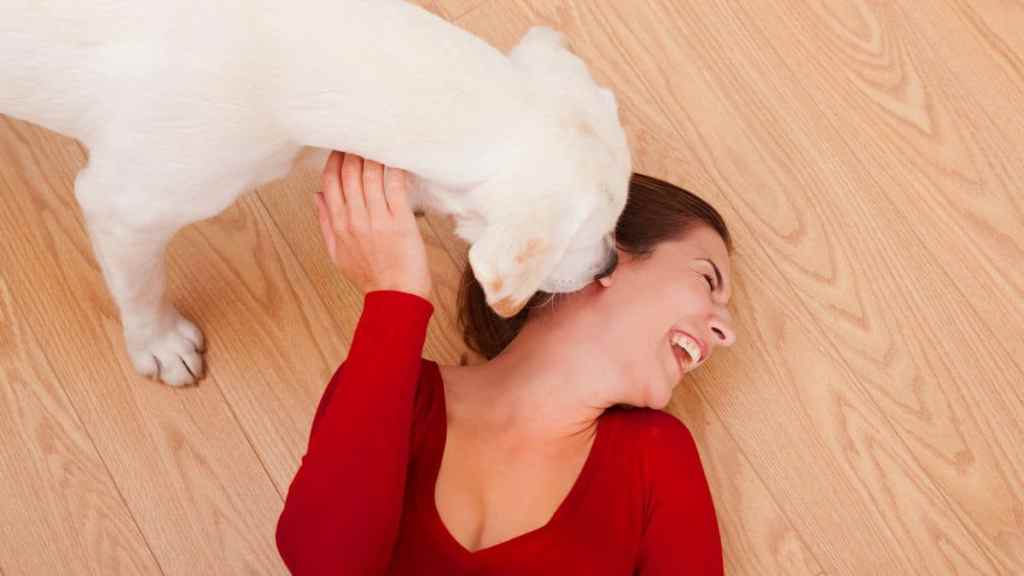
Licking is one of the first behaviours puppies experience from their mother. In the wild, dogs and other pack animals groom each other to strengthen social bonds and maintain hygiene. Domestic dogs often carry this instinct into their relationships with humans.
When your dog licks you, they may be trying to groom you as part of their ‘pack’. This is especially common in highly social breeds or dogs that live with other pets and regularly engage in mutual grooming.
Signs your dog’s licking is linked to grooming:
For most dogs, this type of licking is simply another way to connect with you. It helps reinforce their bond and can be a soothing part of their routine.
Quick Tip
As long as the behaviour isn’t excessive or bothersome, grooming-style licking is entirely natural and nothing to worry about.
7. Medical Causes
While licking is often harmless, there are times when it can point to an underlying health issue. Some dogs lick their owners more frequently when they’re feeling unwell or uncomfortable.
Common medical reasons for increased licking include:
In some cases, dogs may also lick excessively as a response to neurological issues or cognitive decline, particularly in older dogs.
Speak to your vet if you notice:
- Sudden increase in licking frequency
- Licking paired with vomiting, drooling, or appetite changes
- Visible sores, redness or swelling
- Behaviour changes such as restlessness or agitation
Quick Tip
Early intervention can help rule out serious conditions and ensure your dog stays healthy and comfortable.
Should You Let Your Dog Lick You?

For most owners, the occasional lick is harmless and even endearing. However, it’s worth understanding the potential risks so you can make an informed decision.
Dogs’ mouths carry a range of bacteria. While many of these are harmless to humans, some can lead to infections, particularly if you have broken skin or a weakened immune system.
Potential risks include:
Who should take extra care:
- Young children
- Pregnant women
- Elderly individuals
- Anyone with a weakened immune system
Allowing your dog to lick your face, mouth or open wounds increases the risk of transmission. Many vets recommend setting gentle boundaries around where your dog is allowed to lick.
Safe practice tips:
Ultimately, the choice comes down to your personal comfort, your dog’s habits, and any specific health concerns in your household.
When to Worry (Red Flags)
While most licking is completely normal, there are times when it can signal a deeper issue that needs attention. Being aware of the warning signs helps you catch potential problems early.
🩺 Speak to your vet if you notice:
- A sudden increase in licking frequency
- Licking becomes obsessive or difficult to interrupt
- Your dog licks you during the night or wakes you to lick
- Changes in personality, such as increased anxiety or withdrawal
- Licking combined with vomiting, diarrhoea, drooling, or loss of appetite
- Visible skin irritation, sores, or hair loss
- Limping, stiffness, or signs of physical discomfort
If in doubt, always err on the side of caution. Identifying medical or behavioural issues early gives your dog the best chance of a quick and full recovery.
FAQs About Dogs Licking
Final Thoughts
Licking is one of the most natural behaviours in dogs, and in most cases, it’s simply their way of connecting with you. Whether they’re showing affection, exploring scents, or seeking attention, the occasional lick is perfectly normal.
However, it’s always important to pay attention to changes in your dog’s behaviour. Sudden or excessive licking can sometimes point to anxiety, boredom, or an underlying health problem that needs professional advice.
By understanding the reasons behind your dog’s licking, you’ll be better equipped to support their wellbeing while setting healthy boundaries where needed. And for most owners, a little slobbery affection is just another part of life with a happy, well-loved dog.