They’ve been gods, scapegoats, science heroes, and pets — yet most people still shudder at the mention of rats. Why?
Rats have played a surprisingly complex role in human history. For some cultures, they were symbols of wisdom and prosperity. For others, they were omens of disease and chaos. Their image has shifted over time — shaped by pandemics, propaganda, and pop culture.
Today, many people see rats as little more than pests. But the truth is far more nuanced. Whether you’re a lifelong rat lover or someone just curious about their bad reputation, this deep dive will help you see these clever creatures in a whole new light.
Quick Answer: Why Do Rats Have a Bad Reputation?
For centuries, rats have been linked to disease, chaos, and fear — most famously during the Black Death. But this view oversimplifies a long, fascinating history. Across the globe, rats have been symbols of wisdom, adaptability, and even divinity. And today, pet rats are clean, clever, and affectionate companions who deserve a fresh look.
Rats in Ancient Cultures: Sacred and Symbolic
Long before rats were seen as vermin, they were deeply woven into the mythology and spiritual beliefs of ancient civilisations.
Ancient India: Sacred symbols of wisdom
In Hinduism, rats are closely associated with Lord Ganesha, the elephant-headed god of wisdom, intellect, and prosperity.
- Ganesha’s mount (vahana) is a rat named Mushika, chosen not for silliness but for symbolic meaning.
- The rat represents the power to overcome obstacles, squeeze through difficulties, and thrive through intellect.
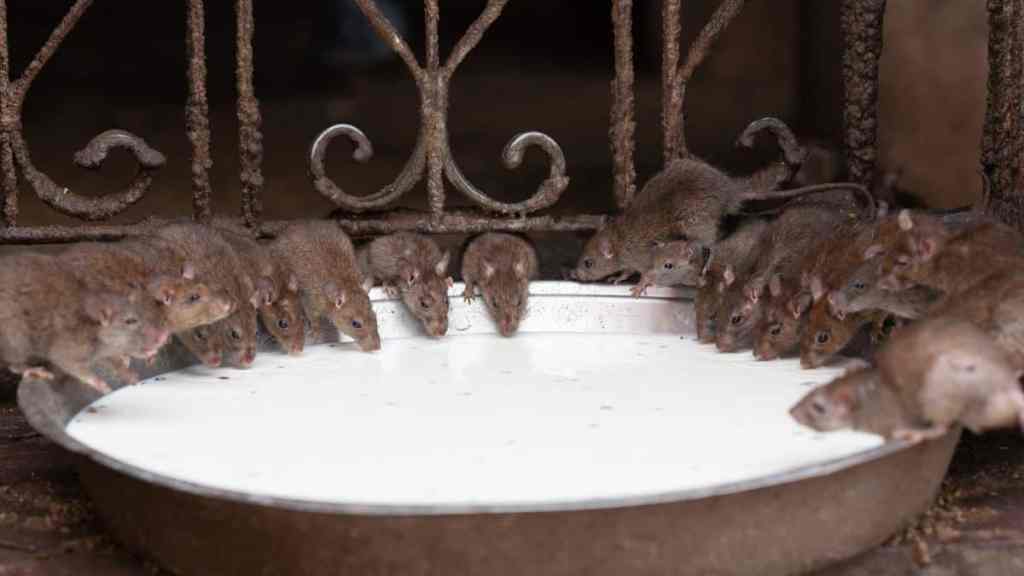
- At the Karni Mata Temple in Rajasthan, India, over 25,000 rats are protected and revered. Pilgrims feed them milk and sweets, and seeing a white rat among the black is considered incredibly lucky.

Interesting Note
These temple rats are called kabbas, and harming one is considered sacrilege — a stark contrast to Western attitudes.
Ancient China: The clever survivor
In Chinese culture, the rat is the first sign of the 12-year zodiac cycle, which is no accident.
- According to legend, the rat won a race organised by the Jade Emperor by outsmarting the others — it tricked the ox into carrying it and leapt ahead at the finish line.
- Rats are viewed as resourceful, shrewd, and adaptable — qualities that bring prosperity.
- People born in the Year of the Rat are thought to be clever, quick-witted, and ambitious.
Classical Europe: Omens, adaptability, and early disdain
In Ancient Rome and Greece, rats weren’t yet universally hated — but they weren’t exactly beloved either.
- Roman naturalist Pliny the Elder made early observations about rats chewing off their own limbs to escape traps — a myth, but one that fuelled a sense of unease.
- Greek writings mention rats in connection with both crop destruction and omens, particularly when they appeared in unusual places.
- By the 1st century, rats were already seen as unsettling, invasive, and hard to control.
The seeds of suspicion had been planted — but the full cultural downfall of the rat hadn’t happened yet.
Medieval Europe: Plague, panic, and permanent damage
This is the era where rats truly earned their bad reputation — whether it was fair or not.
The Black Death (1347–1351)
The bubonic plague devastated Europe, killing up to 60% of the population in some regions. The disease was caused by the bacterium Yersinia pestis, spread by fleas.
- The fleas travelled on black rats (Rattus rattus), which were common in medieval towns and ships.
- These rats thrived in unsanitary conditions: open sewers, piles of waste, crowded marketplaces.
- As people watched the rats die or flee, the visual became symbolic — rats were seen as omens of death.
⚠️ Did Rats Really Spread the Plague?
Not entirely. While rats carried fleas that hosted Yersinia pestis, newer research points to human fleas and lice playing a larger role. Sadly, the visual of fleeing rats became a lasting symbol of disease and fear.
The Early Modern period: Filth, fire, and folklore
After the Black Death, rats continued to be maligned in Europe, reinforced by both scientific ignorance and social upheaval.
The Great Plague of London (1665–1666)
This outbreak killed around 100,000 Londoners — nearly a quarter of the population. Rats were again scapegoated.
- People noticed that where rats appeared, illness followed.
- No one understood microbiology yet — so visual association turned into folk belief.
- As London’s urban sprawl grew, rats became a visible reminder of poverty, filth, and chaos.
The Great Fire of London the following year actually helped curb the plague — not because it killed rats, but because it destroyed the fleas, lice, and unsanitary dwellings they infested.
Victorian Britain: Public health panic and the pest industry

The 19th century was a major turning point in both public health and rat persecution.
- Industrial cities like Manchester, Liverpool, and London became crowded, polluted, and rodent-prone.
- Poor living conditions and open drains created ideal breeding grounds.
- The emerging middle class associated rats with the lower classes, deepening classist and sanitary fears.
Enter the rat-catcher
A real Victorian profession — often romanticised or sensationalised.
- Jack Black, Queen Victoria’s personal rat-catcher, became famous for catching rats with dogs and ferrets.
- He also bred rats in different colours, inadvertently contributing to the birth of the fancy rat movement!
Quick Tip
The very first pet rats were likely bred from rats caught by 19th-century pest control experts — a surprising but true origin for your beloved furry friend.
Rats in literature, art, and media
Rats never stood a chance once the world of storytelling got hold of them — from sinister villains in fairy tales to monstrous invaders in horror films, popular culture has relentlessly cast them as symbols of fear, filth, and betrayal.
Folk tales and classic fiction
- The Pied Piper of Hamelin: Rats are cast as chaotic invaders who overrun a town.
- Charles Dickens: Often used rats to describe urban decay or human greed.
- Beatrix Potter & Kenneth Grahame: Even in children’s literature, mice were cute — but rats? Often shady and untrustworthy.
20th-century films and horror
- The Rats (James Herbert, 1974): A horror novel turned film series featuring giant, man-eating rats.
- Willard (1971) and Ben (1972): Films where rats are used as weapons or metaphors for mental illness.
- Newsreels and propaganda films during wartime likened rats to enemy forces, feeding xenophobic and anti-Semitic imagery.
These portrayals cemented rats in the Western mind as something to fear, even hate.
From Lab Rats to Loving Pets: The Redemption Story

For centuries, rats were feared as bringers of disease and chaos — but in the halls of science, a different story was unfolding. Far from being pests, rats became pioneers.
🔬 The Scientific Legacy of Rats
By the late 19th century, researchers began turning to one particular species: the Norway rat (Rattus norvegicus). Hardy, adaptable, and surprisingly similar to humans in physiology and brain function, these rats quickly became the gold standard in scientific research.
They weren’t just convenient — they were essential.
Over the past century, rats have helped scientists:
From mental health to memory research, “lab rats” have contributed to some of the most important medical discoveries in human history. Today, millions of lives have been saved or improved thanks to findings that began with a rat in a lab.
Yet despite these contributions, rats remained unloved outside the laboratory — until a quiet movement began to shift perceptions.
Did You Know?
Rats have even helped researchers study empathy. In one experiment, rats repeatedly freed their trapped cage-mates — even when treats were offered as a distraction.
🐀 The Rise of the Fancy Rat
In the early 20th century, a new kind of rat emerged — not in a lab, but in the hands of hobbyists and animal lovers. These were the first fancy rats: selectively bred for gentle temperament, unique colours, and intelligence.
What began as a niche interest grew into a global community.
By the 1970s and 80s, rat fancier clubs had formed in both the UK and US, holding shows, creating standards for coat types and colours, and promoting rats as friendly, trainable, and affectionate pets.
These aren’t wild rats — they’re a completely domesticated breed. Fancy rats:
They’re also clean animals. Despite popular myths, rats groom themselves constantly and often develop predictable toilet habits, making them easier to care for than many small pets.
Quick Tip
Fancy rats are genetically distinct from wild rats. They’re no more dangerous than a hamster, guinea pig, or rabbit — and in many cases, even more affectionate.
Why It Matters

The transformation of the rat’s image — from plague-bearing pest to beloved companion — is more than a feel-good tale. It’s a lesson in how misinformation, fear, and media portrayal can distort our understanding of an entire species.
Pet rats today are still fighting for acceptance. But thanks to a growing number of passionate owners, ethical breeders, and animal educators, the tide is finally turning.
Recap: Why do rats still get such a bad rep?
Despite centuries of progress, rats still fight a losing battle in the public eye.
Let’s break down the key reasons:
But thanks to passionate owners, growing awareness, and the rise of ethical pet care, more people are learning the truth about rats — and loving them for who they really are.
Summary Table: Rat Reputation Timeline
|
Era |
How Rats Were Viewed |
Why It Mattered |
|---|---|---|
|
Ancient Civilisations |
Clever, sacred, resourceful |
Celebrated in myth and religion (India, China) |
|
Classical Europe |
Curious but suspicious |
Seen as omens and thieves |
|
Medieval Europe |
Dangerous plague-spreaders |
Black Death scapegoats |
|
Early Modern Period |
Filthy, feared |
Associated with death, chaos |
|
Victorian Era |
Urban pest |
Fuelled public health fears, media hysteria |
|
20th Century |
Villains and lab animals |
Horror films, wartime propaganda |
|
Today |
Misunderstood pets or pests |
Still fighting stigma despite scientific knowledge |
Final Thoughts
It’s no surprise rats have a PR problem — when you trace their story through history, it’s a tale of fear, misinformation, and bad timing. But we now know that pet rats are loving, intelligent, and far cleaner than their wild cousins ever were.
By digging into their past, we can finally move beyond the myths and give rats the appreciation they deserve — not just as research pioneers or historical scapegoats, but as incredible, loyal little pets.
So next time someone wrinkles their nose at rats? You’ll know exactly what to say — and why the truth is a lot more heartwarming than they think.