Choosing what to feed your dog is one of the most important decisions you’ll make as a pet parent. With so many options lining supermarket shelves and pet shop aisles—from crunchy kibble to juicy tins—it’s easy to feel overwhelmed. Should you choose wet food for its flavour and moisture, or dry food for its convenience and price? What about fussy eaters, puppies, or older dogs?
In this guide, we’ll break down the real differences between wet and dry dog food. You’ll learn the pros, cons, nutritional facts, and real-world considerations to help you decide what’s best for your dog—and for you. Whether you’ve got a snooty Cavapoo or a senior Staffy, this guide has you covered.
What’s the Difference Between Wet and Dry Dog Food?
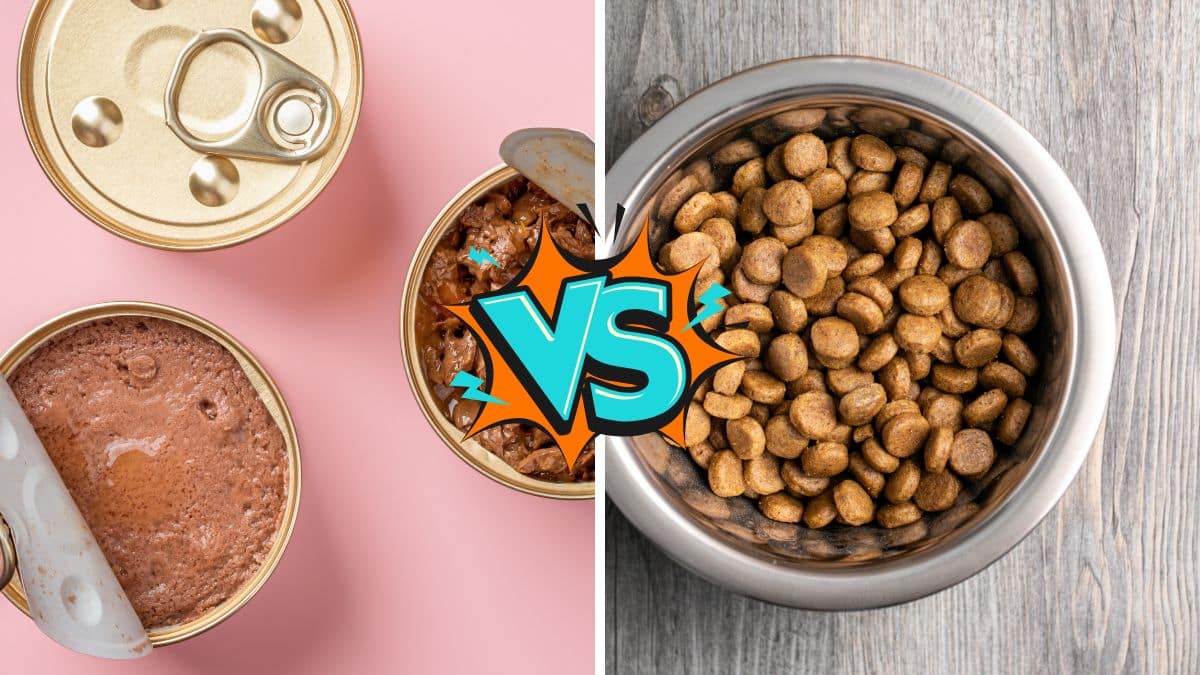
The key difference is moisture. Wet food typically contains 70–85% water, while dry dog food (kibble) has around 10–12% moisture. This changes the food’s texture, shelf life, taste, and even how it’s digested.
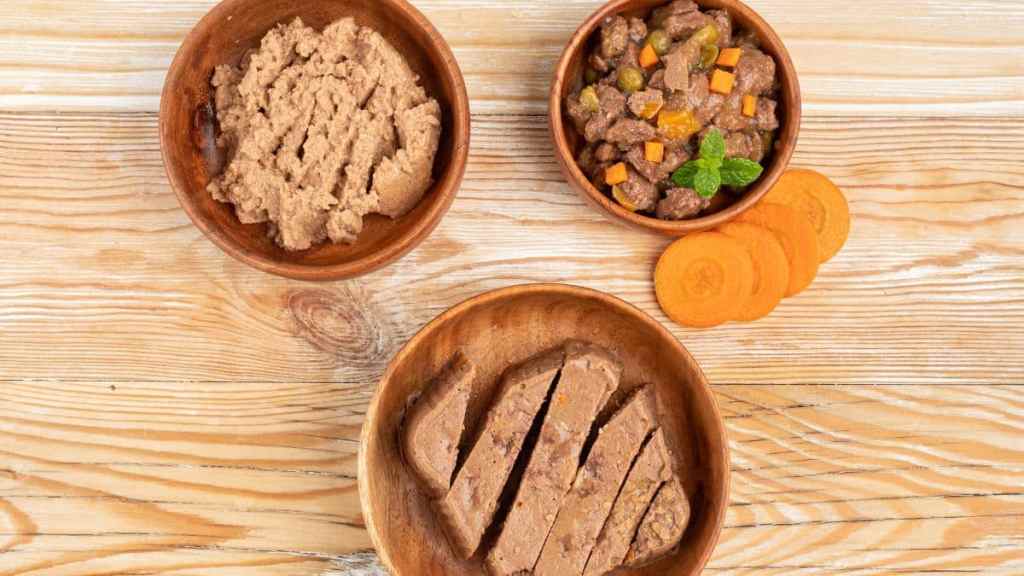
Wet food usually comes in tins, trays, or pouches and resembles a soft stew or loaf. It’s rich-smelling and often more palatable to dogs. Dry food comes in bags of crunchy kibble and is far more convenient to store, measure, and transport.
Both can be complete and balanced meals, as long as they meet FEDIAF standards (the regulatory body for pet food in Europe).
Wet vs Dry Dog Food: Pros and Cons at a Glance
Here’s a quick comparison of the benefits and drawbacks:
|
Feature |
Wet Dog Food |
Dry Dog Food |
|
Taste |
Very palatable – great for fussy eaters |
Less appealing for some dogs |
|
Moisture Content |
High = supports hydrations |
Low = dogs must drink more water |
|
Shelf Life (Opened) |
2-3 days (must refrigerate) |
Several weeks or longer |
|
Storage |
Requires fridge space |
Cupboard-friendly |
|
Dental Health |
No cleaning benefit |
May help reduce tartar (slightly) |
|
Cost Per Meal |
Mor expensive |
More cost-effective |
|
Convenience |
Messier, needs refrigeration |
Clean, easy & travel friendly |
Nutritional Comparison
When it comes to nutrition, both wet and dry foods can provide complete and balanced meals, provided they meet the guidelines set by FEDIAF. However, there are key differences in formulation and density.
Wet Dog Food:
Dry Dog Food:
|
Nutrient |
Wet Dog Food (pet 100g) |
Dry Dog Food (per 100g) |
|
Moisture |
70 – 85% |
10 – 12% |
|
Calories |
70 – 120kcal |
300 – 400kcal |
|
Protein |
8 – 12% |
20 – 30% |
|
Fat |
5 – 8% |
10 – 20% |
|
Fibre |
0.5 – 2% |
2 – 4% |

Quick Tip
Always check packaging for specific nutrient breakdowns—quality varies across brands.
Which Is Better for Puppies?

Puppies need nutrient-rich food that supports growth and development. Both wet and dry foods can be suitable as long as they’re specifically labelled for puppies and marked as complete.
Wet food is great during early weaning or for tiny breeds—it’s easier to chew, very tasty, and helps with hydration. However, feeding only wet food long-term can get expensive, especially for large or fast-growing breeds.
Dry food is ideal for older puppies. It supports jaw development, can be soaked to soften, and is easier to measure for portion control. Many dry puppy foods are fortified with extra DHA (for brain development), calcium, and protein.
Best approach? Start with wet or softened kibble, and gradually transition to dry food or a mixed feeding routine by 10–12 weeks.
What About Senior Dogs?
Older dogs often have different dietary needs: they may need fewer calories, more joint support, or easier-to-digest food. Some also struggle with dental issues, making crunchy kibble uncomfortable.
Wet food is a strong choice for senior dogs:
- Softer on the teeth
- Easier to digest
- Often more appetising for dogs with reduced senses
That said, many senior-specific dry foods are designed with smaller, softer kibble, joint supplements (like glucosamine), and reduced calories to help with weight management.
If your senior dog enjoys dry food and has no chewing problems, there’s no reason to switch. But if they’re losing weight, ignoring meals, or struggling to chew, it may be time to introduce wet or mixed feeding.
Is Dry Food Better for Dental Health?
Many people assume dry food cleans a dog’s teeth—but the science says it’s not quite that simple.
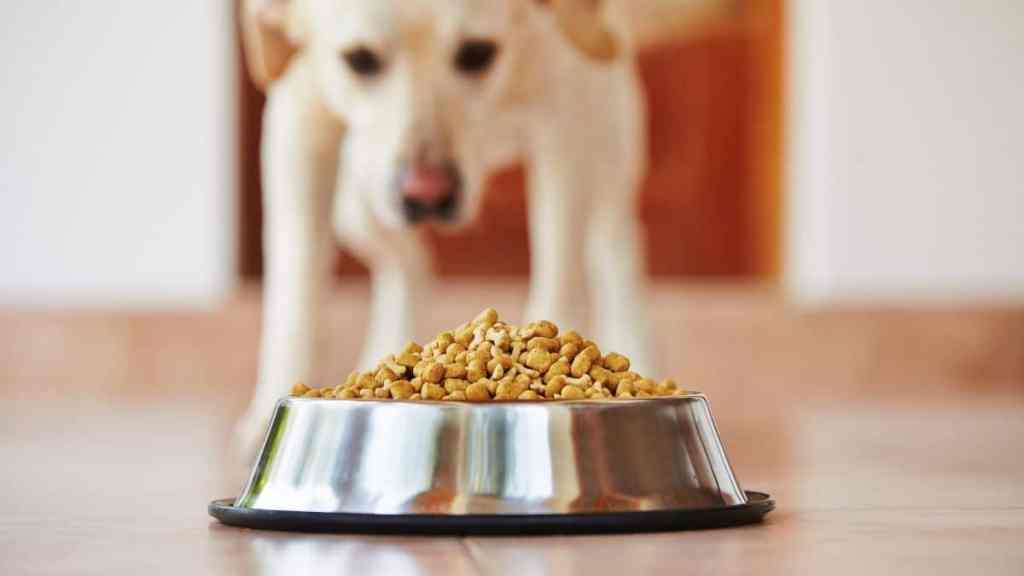
According to the British Veterinary Dental Association (BVDA), regular dry kibble provides limited dental benefits, and shouldn’t replace brushing. Only specialised dental diets and chews (like those approved by the VOHC) have been shown to reduce plaque and tartar meaningfully.
- Dry food can help reduce tartar slightly through mechanical action
- Wet food does not clean teeth and may contribute to plaque
- Tooth brushing is still the gold standard
- Dental chews, water additives, and regular check-ups are also key
Quick Tip
In short, don’t rely on food alone to keep your dog’s teeth clean—especially as they age.
What If Your Dog Is a Fussy Eater?

Fussy eaters are a common challenge, and wet food almost always wins in the flavour department. Its richer aroma and softer texture make it more tempting for dogs who turn their nose up at plain kibble.
Ways to boost appeal:
- Add a spoonful of wet food to dry kibble
- Try warming wet food slightly
- Rotate between flavours (gradually)
- Ensure dental issues or illness aren’t affecting appetite
If your dog flat-out refuses dry food, it might be worth switching to wet or doing a 50/50 mix for balance.
Cost Comparison (UK Prices)
Let’s talk numbers. Wet food often costs more per portion because of packaging, storage, and moisture content. Dry food is much more budget-friendly, especially for medium to large breeds.
Typical UK prices (2024):
Money-saving tips:
- Buy in bulk from retailers like Pets at Home, Zooplus or Jollyes
- Look for subscription discounts or loyalty programmes
- Use dry as a base, with wet as a topper to stretch it out
- Always check cost per 100g—not just sticker price
Storage and Convenience
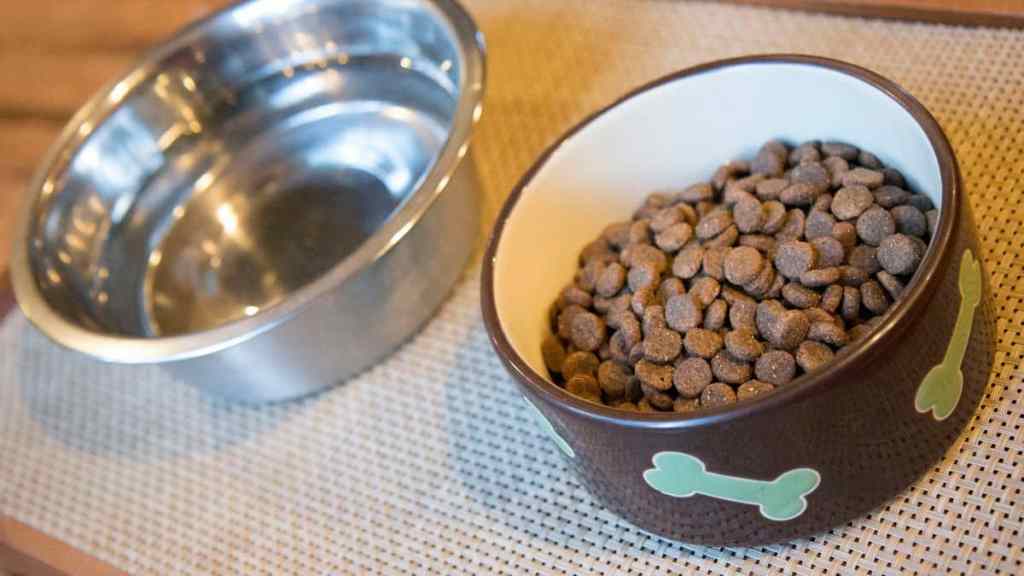
If you travel often, have limited fridge space, or feed multiple dogs, dry food wins on convenience.
Wet food:
- Requires fridge storage after opening
- Short shelf life (2–3 days)
- Can be messy to serve
- Ideal for dogs needing moisture or soft meals
Dry food:
- Stores easily in a cupboard
- Long-lasting after opening
- Works in automatic feeders and puzzle toys
- Easier to portion and less waste
That said, many owners find a mix of both suits their needs and their dog’s preferences best.
Can You Mix Wet and Dry Food?
Yes—and it’s often the best of both worlds. Mixing wet and dry food can:
Just make sure both products are labelled as “complete” or balance them carefully. Keep an eye on portion sizes to avoid overfeeding, and transition slowly to avoid upset stomachs.
What Do UK Vets Recommend?
Most UK vets agree: there’s no one-size-fits-all. The best diet is the one that:
- Meets your dog’s nutritional needs
- Matches their age, breed, and health
- Is complete and balanced (FEDIAF-approved)
- Is something your dog actually enjoys eating
- Fits your lifestyle and budget
Quick Tip
If you’re unsure, speak to your vet or a veterinary nurse. They can offer tailored advice based on your dog’s health history and needs.
Final Verdict: Wet, Dry or Both?
There’s no universal “right” choice—it depends on your dog, your routine, and your budget. But here’s a quick guide:
- Choose wet food if: Your dog is a fussy eater, needs hydration, or has dental issues
- Choose dry food if: You want convenience, lower cost, and your dog chews well
- Choose both if: You want balance—flavour, cost-efficiency, and flexibility
Whatever you choose, stick with a reputable brand, monitor your dog’s weight and condition, and don’t hesitate to adjust if their needs change.