It starts the moment the hoover comes out. Your sweet, chilled-out pup becomes a panicked, sofa-diving blur — tail between legs, ears flat, trembling at the sound of your weekly clean. Sound familiar?
Whether your dog has always hated the hoover or is suddenly terrified of it out of nowhere, you’re not alone. This is one of the most common household fears in dogs, and it doesn’t mean your dog is broken — it means they’re reacting to something they find overwhelming, confusing, or just plain scary.
From sound sensitivity and scent to anxiety triggers and past experiences, this guide explains why the hoover sparks such a strong reaction — and, more importantly, how to help your dog feel safe again (without giving up on clean floors forever).
Quick Answer: Why Is My Dog Afraid Of The Hoover?
Dogs are often afraid of the hoover because of its loud noise, unpredictable movement, strong scent, or past negative associations. Some dogs develop fear suddenly due to age-related changes, a single bad experience, or increased anxiety in general. If your dog panics at the sight or sound of the vacuum, it’s likely rooted in fear, not defiance — and can be eased with calm, gradual desensitisation and a safe space away from the noise.
What Hoover Fear Looks Like in Dogs
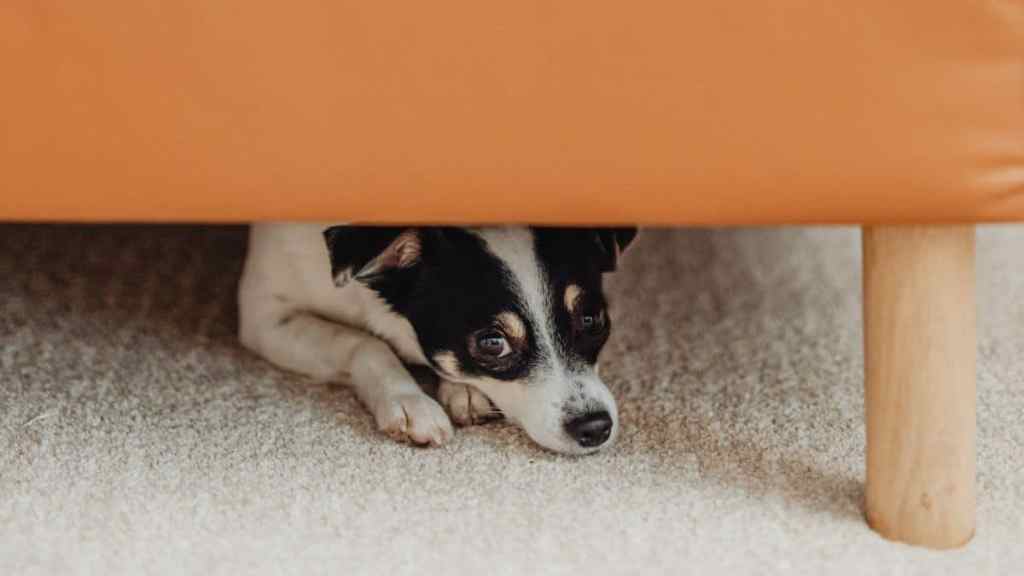
Dogs don’t just dislike the hoover — many are genuinely scared of it. For some, the fear shows up as a mild unease. For others, it’s full-on panic. Recognising the signs of hoover-related fear helps you respond calmly and figure out how serious it might be.
Even if your dog’s reaction feels “dramatic,” it’s not about misbehaving — it’s about survival instincts kicking in when something loud and confusing invades their space.
🔎 Common signs your dog is afraid of the hoover:
- Hiding under beds, behind furniture, or in another room
- Trembling, drooling, or shaking when the hoover appears
- Barking, growling, or lunging at the vacuum
- Pacing or panicking when the hoover is turned on
- Tail tucked, ears flat, wide eyes
- Refusing to enter the room where the hoover is kept
- Clingy behaviour before or after cleaning
- Refusing to eat or play if the hoover is visible

Quick Tip
If your dog starts reacting when you just open the cupboard the hoover lives in — it’s a strong sign the fear is linked to the object, not just the sound. That makes it easier to plan how you help them feel safe again.
Why Are Dogs Scared of the Hoover?
To us, the hoover is just part of keeping the house tidy. To your dog? It’s a growling, unpredictable beast that charges around the room like it owns the place. From their point of view, it’s loud, chaotic, and utterly unnatural — and their reactions often come down to instinct and sensitivity.
Some dogs tolerate it. Others see it as a full-on threat. And it turns out, they have good reasons.
🔊 1. The Noise Is Overwhelming
Vacuum cleaners operate at around 70–80 decibels — like a hairdryer, but bigger and lower-pitched. Many dogs have far more sensitive hearing than humans, so the hoover can sound aggressive or even painful to them. It’s especially triggering for:
- Puppies still developing sensory tolerance
- Older dogs with heightened sensitivity
- Breeds prone to anxiety (Collies, Spaniels, Chihuahuas)
🌀 2. Unpredictable Movement Triggers Prey or Panic Response
The hoover moves erratically, chases dust, reverses direction suddenly — it’s all wildly unnatural for a dog’s pattern-based brain. To them, it behaves nothing like a “normal” object, which can set off their internal alarm bells.
Think of it like this: The hoover moves like prey… but sounds like a threat. That combo is confusing and unsettling.
🫧 3. Strong Scent or Static Electricity
Vacuuming stirs up odours, especially if you’re cleaning pet beds, rugs, or carpets. The hoover can also give off static shocks or weird smells (especially bagged models), which some dogs find offensive or even painful.
🧠 4. Past Experiences or Negative Associations
If your dog was startled by a hoover as a puppy — or heard it during a thunderstorm, or was accidentally bumped — that association can stick. One scary moment, even if unintentional, can cause a lasting fear response.
Why Is My Dog Suddenly Scared of the Hoover?
If your dog used to snooze through your Sunday cleaning routine and now bolts at the first whirr — don’t worry, it’s more common than you think. Fear of the hoover can develop later in life, even if they’ve been fine with it for years.
Here’s why that might be happening:
Ageing and Sensory Changes
Older dogs can develop new sensitivities as their hearing sharpens or their eyesight fades. The sound of the hoover, once tolerable, may suddenly feel too intense — especially if paired with confusion or early signs of canine cognitive decline.
Increased General Anxiety
If your dog’s feeling more anxious overall — due to changes in your home, routine, or even your mood — they may become more reactive to things they used to ignore. The hoover becomes the unlucky outlet for that stress.
A Single Scary Incident
Sometimes the shift is caused by one bad moment:
- The hoover startled them when they were asleep
- It bumped into their tail
- It was switched on without warning nearby
Dogs are brilliant at remembering patterns — but not always at judging intention. One fright can become a rule in their brain: “Hoover = danger.”
You’ve Changed Models or Settings
Did you recently upgrade to a new, louder vacuum? Change from corded to cordless? Robot vacuums and upright hoovers move differently — and that new behaviour might be triggering even if your dog was fine before.
How to Help Your Dog Feel Safe Around the Hoover

You don’t need to choose between clean floors and a calm dog. With time, patience, and a few clever tricks, you can reduce your dog’s fear of the vacuum — or even turn it into a total non-event.
1. Give Them a Safe Space — and Permission to Use It
Before anything else: don’t force your dog to face the hoover.
Let them leave the room. Set up a comfy retreat with a bed, toys, and background noise (like calming music or TV) in another part of the house. Safe zone essentials:
2. Play Background Hoover Sounds (Without the Real Thing)
This is step one of desensitisation. Find hoover sound clips on YouTube or Spotify and play them quietly while your dog is doing something they love — like eating or playing. Then:
3. Let Them Watch You “Pretend” to Hoover
Try pushing the unplugged hoover around calmly while your dog watches. No noise, no stress — just movement. Reward any calm behaviour or interest with a treat. Eventually you can:
This helps rewire the fear response — they learn the hoover exists without disaster striking.
4. Use Treats to Reframe the Experience
If your dog is food motivated, you can use high-value treats during and after hoovering sessions. Try:
Never reward barking or panicking — wait until they’re calm again and reinforce that state.
Quick Tip
Keep hoover sessions short and predictable. Always vacuum at the same time of day and in the same order. Routine = safety in a dog’s mind.
When to Worry About Your Dog’s Fear of the Hoover
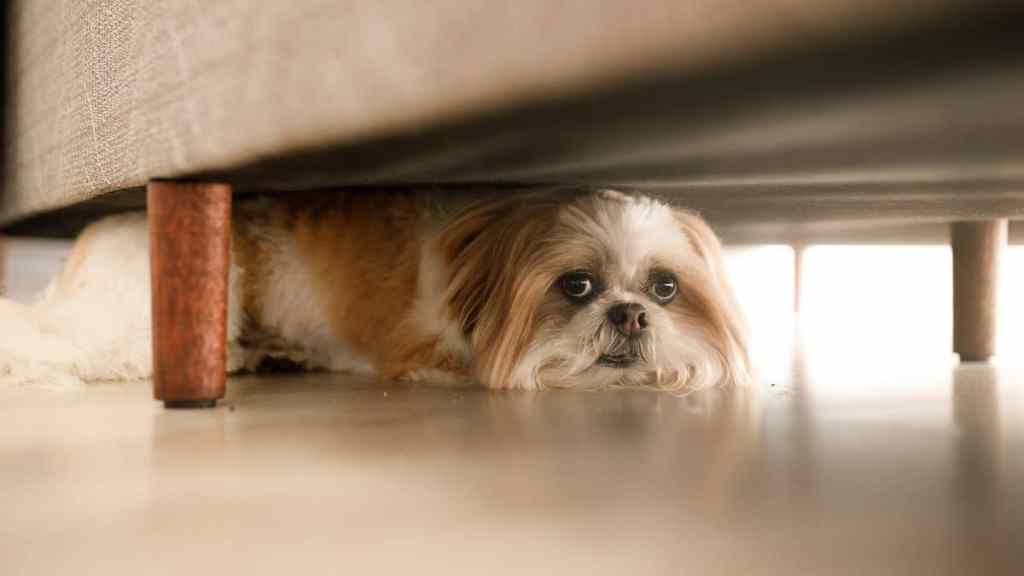
Most dogs are just startled or unsettled by the hoover — and that’s completely normal. But if your dog’s fear is extreme, worsening, or affecting their quality of life, it’s worth digging deeper.
Sometimes, what seems like “just a hoover issue” can point to a bigger problem — like general anxiety, sensory overload, or even early cognitive decline.
⚠️ Signs it may be more than just the hoover:
- Fear has spread to other sounds (e.g. hairdryer, microwave, washing machine)
- Your dog won’t settle for hours after vacuuming
- They panic before the hoover is even visible
- Behaviour has changed suddenly and dramatically
- They’ve stopped eating, playing, or engaging normally
- Clinginess, trembling, or hiding are happening more often
If you’re concerned, speak with your vet or a canine behaviourist. A tailored desensitisation plan, calming aids, or even gentle medication may help.
Summary Table: Helping a Dog Afraid of the Hoover
|
Issue |
What to Try |
Notes |
|---|---|---|
|
Loud noise fear |
Desensitisation with low-volume audio |
Pair with treats and positive associations |
|
Movement/startle response |
Unplugged hoover practice |
Reward calm observation, never force contact |
|
Scent/static sensitivity |
Clean filter regularly, avoid wool rugs |
Use in well-ventilated spaces |
|
General anxiety |
Predictable hoover routine + safe zone |
Calming sprays, diffusers, or chew toys help |
|
Extreme or spreading fear |
Speak to a behaviourist or vet |
May need a structured anxiety reduction plan |
Final Thoughts
A dog’s fear of the hoover might seem quirky or inconvenient — but to them, it can feel genuinely overwhelming. The noise, the movement, the unpredictability… it’s not hard to see why some pups would rather hide behind the sofa than face off with a growling floor beast.
The good news? With a little patience, a predictable routine, and the right approach, even the most vacuum-averse dogs can learn to feel safe again. You don’t have to choose between a tidy house and a happy pup.
Just go slow, stay calm, and remember — it’s not about forcing bravery, it’s about building trust. And if your dog never fully comes around? That’s okay too. Shut the door, pop on a chew, and hoover in peace.