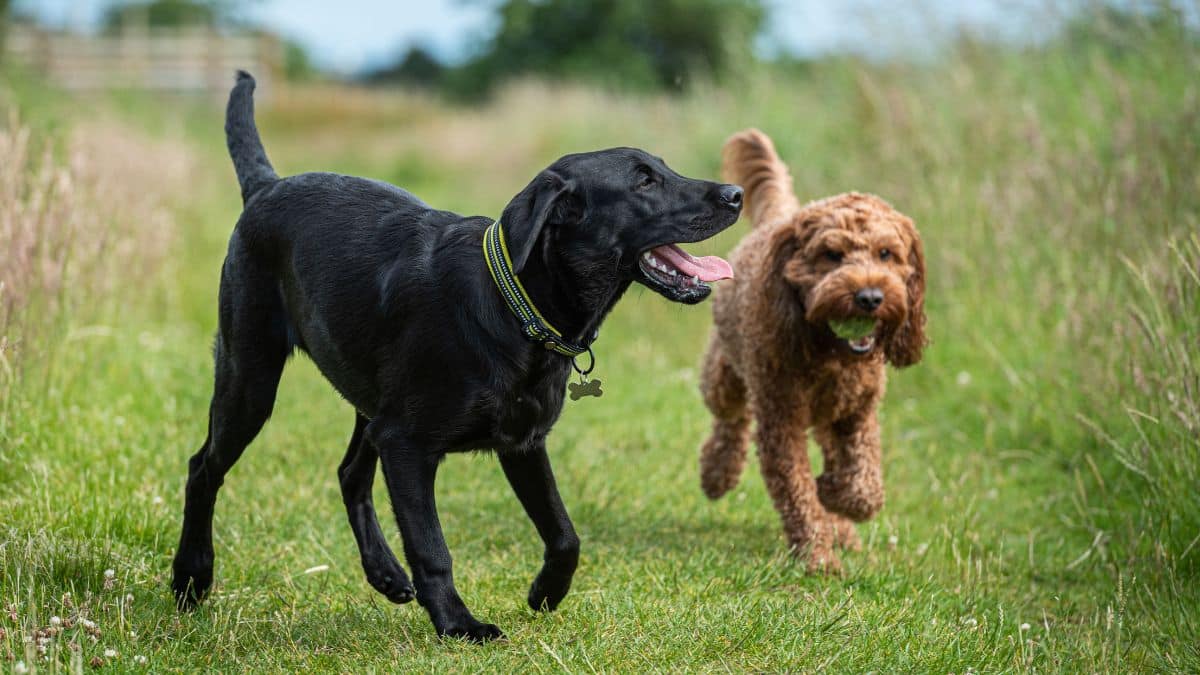
Thinking of adding a second dog to your family? It might seem like the perfect solution to keep your current pup company and double the fun — but owning two dogs isn’t just double the love. It can be double the work, the cost, and sometimes, the stress. This in-depth UK guide helps dog owners evaluate whether they (and their dog) are truly ready for the responsibility of a multi-dog household.
What’s Driving the Rise in Two-Dog Households in the UK?
More UK households than ever are opting for two dogs. Whether it’s a product of pandemic-induced lifestyle shifts or the emotional draw of constant companionship, the appeal is undeniable. Work-from-home setups have made dog ownership more manageable, and many owners feel that adding another dog might cure loneliness — for both themselves and their existing pup.
But trends shouldn’t dictate your decision. A second dog means more walks, more expenses, more mess, and more complex routines. It’s not a duplicate of your current life — it’s an overhaul.

Quick Tip
If your current dog seems bored or lonely, consider trying enrichment toys, scent games, or regular doggy daycare before rushing into another adoption.
Is Your Current Dog Ready for a Canine Companion?
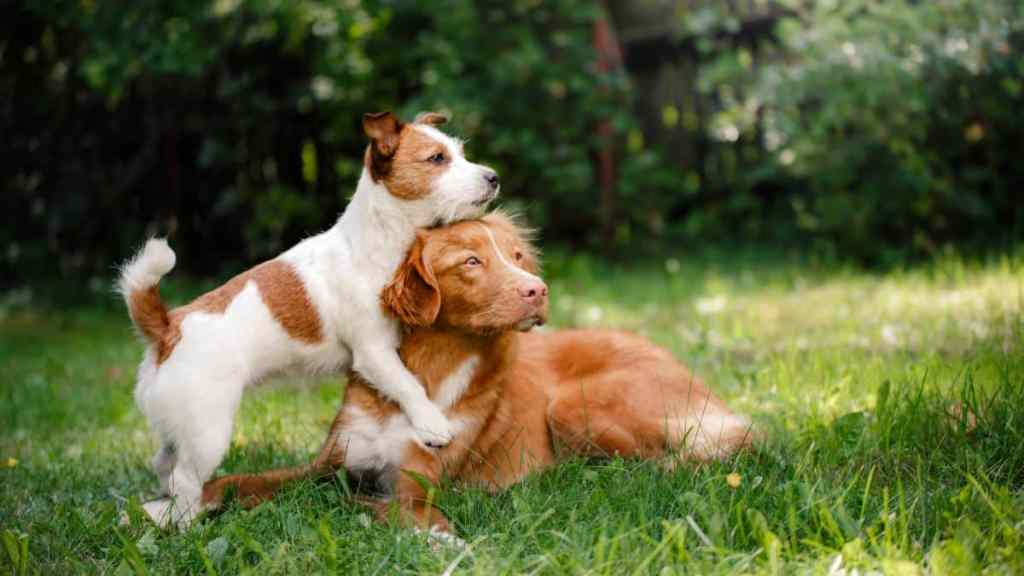
Before thinking about what you want, assess your dog’s needs. Some dogs thrive on being the only pet in the household. Others blossom when paired with a compatible buddy. Social, calm, and well-adjusted dogs typically integrate best with new canine companions.
If your dog displays territorial behaviours, resource guarding, or anxiety around other dogs, introducing a second pet could lead to stress or even aggression. Consider age too — a senior dog may not welcome a lively new pup, while a young dog may enjoy the energy match.
Are YOU Ready for Two Dogs?

Let’s be honest: two dogs will change your lifestyle. Everything from food and vet care to walking schedules and holiday arrangements becomes more complicated.
You need to consider:
- Time: Do you have enough hours in your day to walk, train, feed, and love both dogs?
- Cost: Can you afford double food, vet bills, grooming, pet insurance, and unexpected emergencies?
- Space: Is your home (and car!) big enough to comfortably accommodate two dogs?
- Energy: Will you be able to meet both dogs’ physical and emotional needs every day?
Quick Tip
Keep in mind that double the dogs doesn’t always mean double the fun — it could mean double the chaos if you’re unprepared.
The Benefits of Having Two Dogs
Despite the challenges, a successful two-dog household comes with serious perks:
Quick Tip
Choose a second dog that complements your current dog’s temperament, not just one that appeals to you.
The Challenges You Can’t Ignore
But it’s not all tail wags and cuddle piles. Here are the real-world struggles of two-dog life:
Also, many UK landlords or hotels only allow one dog. It’s worth checking this before taking the leap.
How to Choose the Right Second Dog

Getting the match right is half the battle. A compatible second dog can lead to years of harmony — a mismatch can cause years of stress.
- Age matters: Try to avoid two dogs of the same age, especially two young puppies. An age gap of 1.5–2 years is usually ideal.
- Gender mix: Opposite-sex pairings often reduce the risk of dominance issues.
- Energy levels: Match your current dog’s energy and temperament. A high-energy pup and a low-key senior won’t make a great pair.
- Size compatibility: Ensure they can play safely together.
Quick Tip
Arrange multiple meet-and-greet sessions before committing. The first meeting doesn’t always show the full picture.
Introducing a Second Dog: The Right Way

A smooth introduction sets the tone for the entire relationship. Here’s how to do it right:
- Neutral ground: Always start the introduction outside, on neutral territory like a park.
- Parallel walking: Walk both dogs on leads, side by side at a distance, gradually decreasing space.
- Controlled home intro: Bring the new dog into your home calmly, with your current dog leashed.
- Separate resources: Use different bowls, beds, toys, and crates to avoid conflict.
- Supervision: Watch all interactions for the first few weeks — especially during play and feeding.
What Life Is Really Like With Two Dogs

After the adjustment period, life with two dogs becomes your new normal. But that doesn’t mean it’s easy.
- You may need to walk them separately, at least at first, to train them effectively.
- Feeding must be done with care — even well-matched dogs can guard food.
- You’ll need one-on-one time with each dog to maintain strong individual bonds.
- Be mindful of new behavioural dynamics and subtle power shifts.
Times to Hold Off on Getting a Second Dog
It’s not always the right time to expand your pack. Reconsider if:
- Your current dog has ongoing health or behavioural challenges
- You’ve recently had a major life change (moving house, new baby, job change)
- Your finances are tight or unstable
- You’re already stretched for time or mental bandwidth
Alternatives That Still Improve Your Dog’s Life
If you’re unsure about committing to another dog, there are plenty of enrichment options:
These ideas can bring fresh stimulation without the commitment of a second pup.
Final Thoughts
Bringing a second dog into your home is a big decision — one that impacts your entire lifestyle and, most importantly, your current dog’s wellbeing. There are undeniable benefits, but they only emerge when the match is right and the household is fully prepared.
Before you take the plunge, speak with your vet or a behaviourist, assess your resources, and consider the long-term implications. A thoughtful approach now will lead to a far more harmonious home in the future.