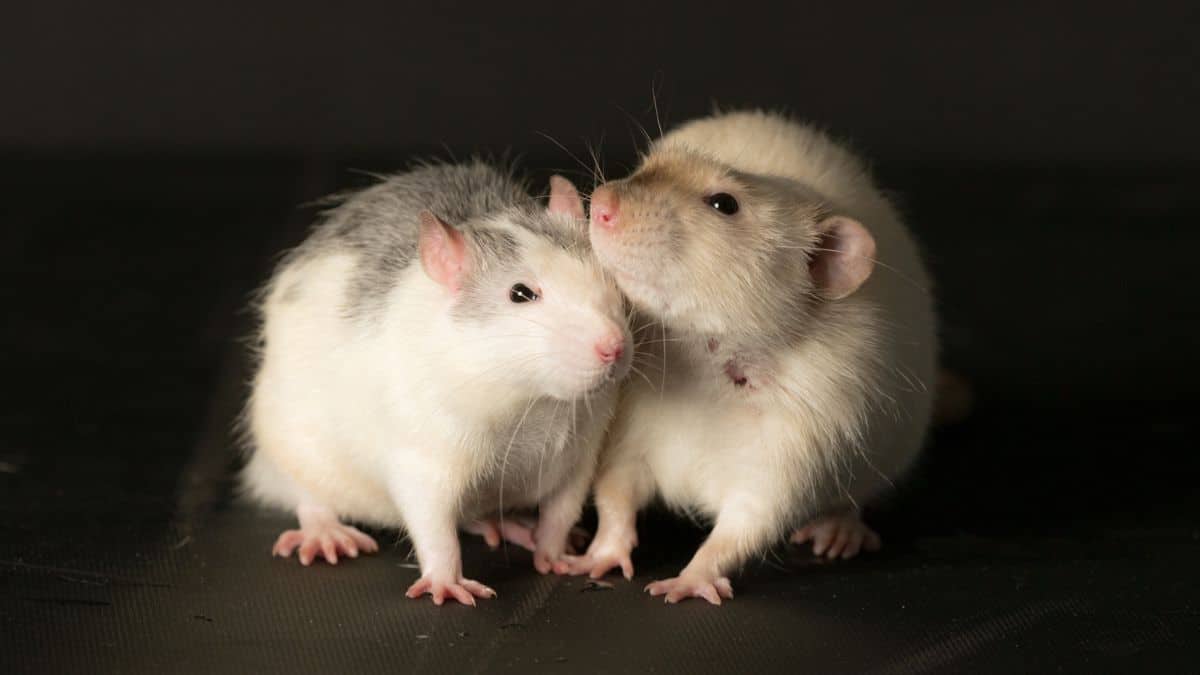
Rats have long been misunderstood — lumped in with old myths about filth and solitude. But spend even a little time with pet rats, and you’ll quickly realise they’re anything but antisocial. Rats are emotional, curious, and incredibly affectionate. They form tight bonds with their cage mates and often with their human caregivers too.
Whether they’re grooming a friend, cuddling in a hammock, or playing a game of chase, rats are social animals through and through. And if they don’t get enough interaction? Their health and happiness can seriously suffer.
Why Do Rats Need Social Interaction?
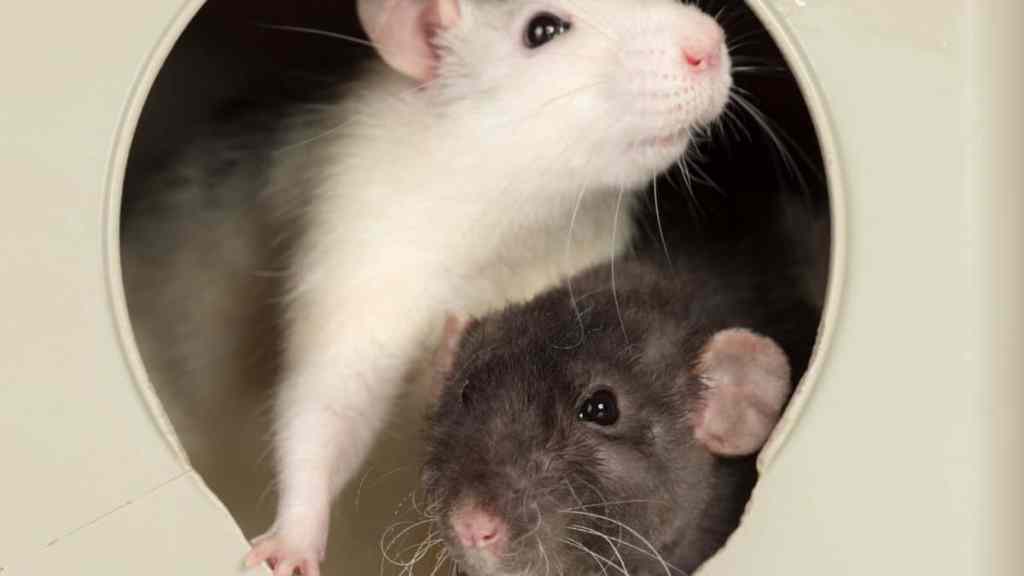
Pet rats aren’t meant to live alone. In fact, rats are one of the most socially driven small pets you can own. They’re not just looking for company — they need it to stay emotionally balanced and physically well.
Keeping a single rat might seem easier, but the reality is it can lead to chronic boredom, loneliness, and even depression. Much like dogs or humans, rats crave social cues, grooming time, play, and mutual trust.
Here’s why companionship is crucial:

Quick Tip
If you’re new to rats, adopt a same-sex pair from the start. Bonded siblings or well-socialised young rats tend to settle in quickly and happily.
Rats Are Pack Animals by Nature
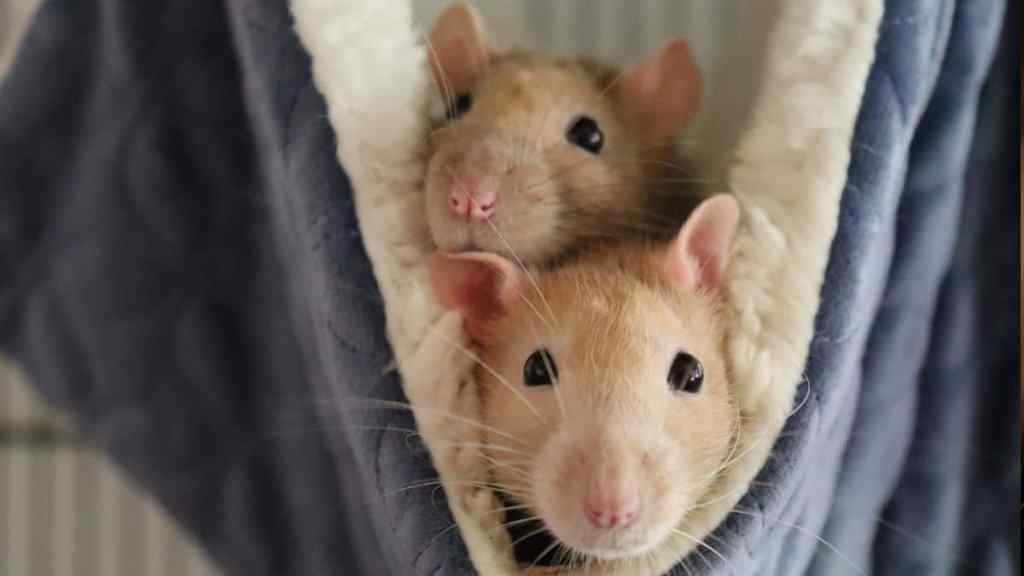
Rats don’t just like company — they’re biologically wired to live in tight-knit groups. In the wild, rats live in highly social colonies, where cooperation, grooming, and communal living help them thrive. Domestic rats haven’t lost this instinct. In fact, without regular companionship, their wellbeing can quickly decline.
When housed in pairs or groups, pet rats:
- Groom each other to show affection and reinforce social bonds
- Sleep curled up together, often in hammocks or cosy corners, for both comfort and warmth
- Engage in play-fighting and chasing, especially during early bonding stages or among younger rats
- Grieve when a companion dies, often showing signs of sadness, reduced appetite, or withdrawal
This isn’t just “nice to have” behaviour — it’s hardwired. If a rat is kept alone and begins acting withdrawn, overactive, or even aggressive, loneliness could be the root cause.
🐾 Did You Know? Rats that lose a long-term cage mate can go through a grieving period. Introducing a new companion gradually (and respectfully) can help ease the transition.
Can Rats Live Alone?
Technically, a rat can live alone — but that doesn’t mean they should. In fact, most reputable welfare organisations, including the RSPCA, Blue Cross, and countless exotic vets, strongly discourage it. A solo rat often struggles with isolation, which can lead to stress-related behaviours, reduced lifespan, and even immune issues over time.
Even the most devoted human guardian can’t fill the role of another rat. We don’t groom with our tongues, squeak at ultrasonic levels, or huddle in hammocks (well… maybe you do, but still).
Why solo living is risky:
Quick Tip
If you’re thinking of getting just one rat — don’t. Consider adopting two same-sex rats or a bonded pair instead. Many rescues can help match personalities to ensure harmony.
How Rats Interact with Each Other

Rats don’t just coexist — they collaborate, cuddle, communicate, and connect. They’ve got a complex social toolkit that includes scent, sound, touch, and body language. Watching a bonded pair (or group) of rats interact is like witnessing a tiny soap opera full of affection, drama, and gossip.
Here’s how rats socialise:
1. Allogrooming (Mutual Grooming)
This isn’t just a hygiene habit. Allogrooming is how rats bond, express trust, and even smooth over social tension. It says, “You’re my friend” — or sometimes, “I’m in charge.”
2. Wrestling and Play-Fighting
Especially common in younger rats, play-fighting helps them learn social rules and release energy. It might look rough, but unless there’s real biting or distress squeaks, it’s all part of healthy rat friendship.
3. Cuddle Piles
Rats love to sleep in a heap, even if there’s space to spread out. Shared sleep keeps them warm, regulated, and emotionally secure. If they’re sleeping apart, it may be a red flag something’s up.
4. Chirps, Clicks, and Chatters
Rats communicate with high-frequency noises that we often can’t hear — but they’re saying a lot. From play squeaks to subtle warning sounds, they’re in constant communication with their cage mates.
Quick Fact
Scientists have found that rats laugh — yes, really! They emit high-pitched giggles during play and tickles, which are associated with joy and bonding.
Human-Rat Bonding: Are You Part of the Pack?
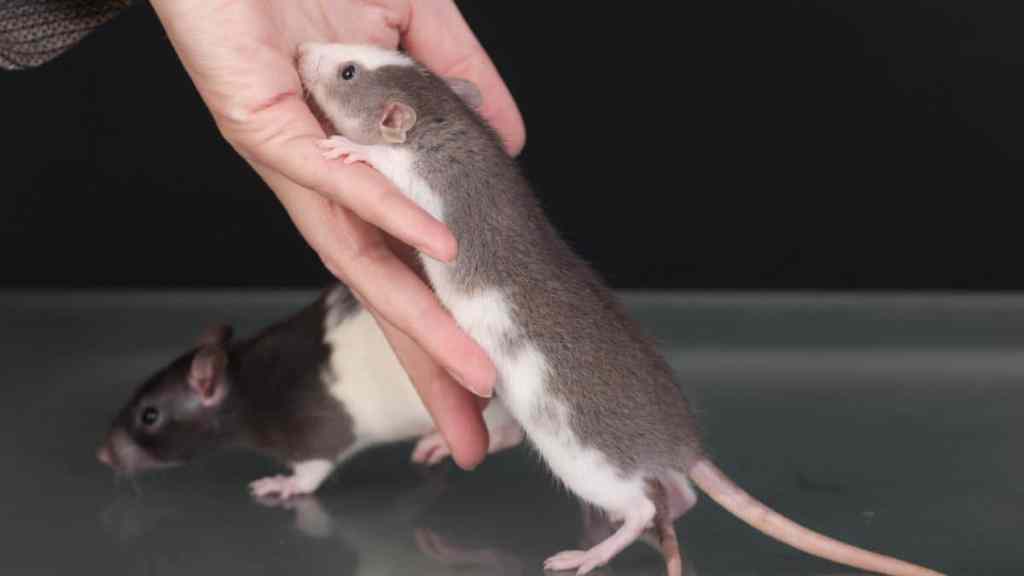
You might not have fur, but your rat still knows you’re part of their social world. Once they trust you, they’ll include you in many of their social rituals — and that’s a big deal.
Signs your rat sees you as part of the group:
- Shoulder climbing (bonus points if they do a dramatic leap onto you)
- Licking or gentle nibbling of your fingers or ears (yes, grooming!)
- Sleeping near you or curling up beside your hand during downtime
- Coming when called, especially if treats are involved
And while this bond is beautiful, it doesn’t replace rat-to-rat friendship. Humans are great, but we don’t brux, boggle, or chirp quite right.
Quick Tip
Your rat needs daily interaction with you and 24/7 companionship from another rat. It’s not either/or — it’s both.
Can Male and Female Rats Be Social Together?
Yes, rats can absolutely live together in mixed groups — but you must plan it properly.
What works best:
- Same-sex pairs or groups (easiest setup, especially if adopted as babies or siblings)
- Mixed-sex groups only if neutered/spayed — otherwise, you’ll have a litter (or several) before you can blink
- Slow introductions — rats can be territorial at first, so always use a neutral space and give them time
When done right, a multi-rat household is full of energy, affection, and hilarious antics. Watching rats groom each other, steal snacks, and play tag is pure joy — and a sign of a healthy social setup.
Warning Signs of Social Stress in Rats

Even with the best intentions, not all rat groups vibe instantly. Like people, some personalities clash. Knowing the signs of tension helps you act before it escalates.
Keep an eye out for:
- Constant hiding or isolation — especially if one rat avoids others entirely
- Aggressive chasing or lunging — play is fine; real bullying isn’t
- Overgrooming or bald patches — could be stress-related or a dominance issue
- Refusing food or treats — often an early sign of stress or illness
- Persistent loud squeaking during interactions — occasional squeaks are normal, but ongoing distress isn’t
What To Do?
Try separating the rats briefly, reassess cage space, add distractions or enrichment, and reintroduce them slowly. If it continues, speak with a vet or experienced rat behaviourist.
Rat Social Life Recap Table
|
Social Behaviour |
What It Means |
What You Should Do |
|---|---|---|
|
Grooming other rats |
Affection and bonding |
Let them do it freely — it’s totally normal |
|
Sleeping in groups |
Comfort and trust |
Provide shared hideouts and hammocks |
|
Play-fighting |
Social learning and fun |
Monitor, but only step in if it turns aggressive |
|
Chirping/squeaking |
Excitement or mild protest |
Observe tone and context |
|
Licking you |
Grooming you as part of their group |
Take the compliment! |
|
Hiding or loud squeaking |
Fear, illness, or social tension |
Reassess cage setup or group dynamics |
Final Thoughts
Rats don’t just tolerate social interaction — they crave it. Their worlds revolve around connection, whether it’s curling up with a cage mate, wrestling like toddlers, or climbing onto your lap for attention.
Keeping rats in pairs or groups isn’t just a best practice — it’s the foundation of their happiness and wellbeing. A lonely rat is a stressed rat. A bonded rat? That’s where the real magic happens.
If you’re thinking of adding rats to your life, give them the one thing that matters most: each other. Do that, and you’ll get to witness one of the most affectionate, entertaining, and misunderstood social animals truly shine. ✨