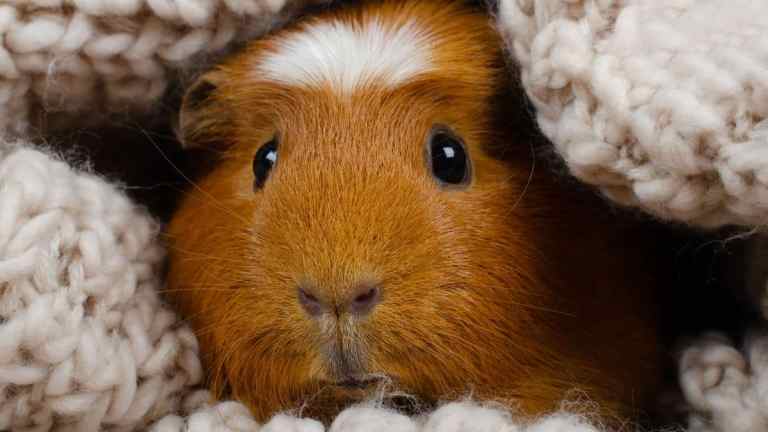
When you picture a pet mouse, do you imagine a tiny white lab-style squeaker with pink eyes? You’re not alone — but the truth is, domesticated mice come in an incredible variety of colours, coat types, and even ear shapes.
Whether you’re new to mouse keeping or looking to add a unique little character to your crew, learning about the different types of mice can help you choose a pet that suits your lifestyle, care preferences, and personality. From soft rex curls to eye-catching blue coats, there’s a mouse for everyone — and no, they’re not all white.
Quick Answer: What Types of Pet Mice Are There?
Pet mice come in a surprisingly wide range of colours, coat styles, and ear types. Common coat colours include agouti, black, champagne, dove, fawn, and albino. Coat textures vary from short and smooth to long-haired, satin, or curly (rex). Ears may be upright (standard) or low-set and oversized, known as “Dumbo.” Each combination gives pet mice their own unique charm — no two are quite the same.
Types of Pet Mice in the UK

🐭 Fancy Mice: The Pet Shop Standard
Fancy mice are the domesticated descendants of the common house mouse. Bred for gentleness, health and appearance, they’re the mice you’ll usually find in reputable UK pet shops or from local breeders. They’re social, active, and come in a wide range of colours and coat types.
🏆 Show Mice: Bred to Standard
Show mice are selectively bred to meet standards set by organisations such as the UK’s National Mouse Club. These mice often have more refined features, larger bodies, and rare coat or eye colours. They’re typically more docile and handled regularly from a young age.
👂 Dumbo Mice: Adorably Different
Dumbo mice aren’t a separate breed — they’re a variation defined by their large, low-set ears. Their rounded appearance gives them an instantly recognisable and endearing look. While ear shape doesn’t affect health, Dumbo mice are often described as having gentler temperaments, making them a favourite among families and experienced mouse owners alike.

Quick Tip
If you’re adopting a mouse for the first time, focus less on the colour or coat and more on the mouse’s temperament and how they interact with other mice. Compatibility matters more than appearance.
Popular Mouse Coat Colours (UK Standards)
One of the best parts of owning mice is discovering just how many colour variations exist — and in the UK, breeders and hobbyists have developed a wide palette of beautiful, unique coat shades. Here are some of the most common and eye-catching mouse coat colours you’ll find:
|
Colour |
Description |
|---|---|
|
Agouti |
A wild-type brown coat with black ticking — the classic “field mouse” look, and often seen in early generations of fancy mice. |
|
Black |
Deep, glossy black from head to tail. When healthy and well-groomed, these coats shine beautifully. |
|
Champagne |
A soft beige or pale gold coat, often paired with pink eyes. Gentle and elegant in appearance. |
|
Dove |
A cool-toned, blue-grey coat with pink or ruby eyes. Subtle but striking. |
|
Fawn |
A warm, orange-tan shade that gives mice a glowing, almost golden look. Common in show lines. |
|
Blue |
A deep greyish-blue that appears almost metallic. One of the more striking colours in the fancy mouse world. |
|
Albino |
Pure white fur with red or pink eyes. Often mistaken for “lab mice,” but just as lovable and tame. |
|
Broken Coat |
A patterned coat with irregular white patches over any base colour — similar to a piebald or spotted look. No two are the same! |
Types of Mouse Coats
Just like dogs and cats, mice don’t just vary in colour — their fur texture can change everything about their appearance and care needs. Here’s a breakdown of the most common coat types seen in UK pet mice:
Smooth Coat
This is the most typical coat type — short, sleek, and low-maintenance. It’s the standard coat found in most fancy mice, making them a great option for first-time owners.
Satin Coat
Satin mice have a beautiful, iridescent sheen to their fur that catches the light. Their glossy coats look silky but can be slightly more sensitive to cold, so cosy bedding and draft-free environments are a must.
Long-haired (Angora)
Long-haired or “Angora” mice look like tiny plush toys, with soft, fluffy coats that give them a teddy bear appearance. They’re particularly popular for their cute factor, but benefit from bedding that won’t mat their fur.
Rex Coat
Rex mice have curly or wavy fur — and even their whiskers twist! Caused by a specific genetic mutation, rex coats are incredibly soft and full of personality. The curls can thin slightly with age, but these mice remain favourites among enthusiasts.
Quick Tip
If you’re keeping multiple coat types in one enclosure (e.g. a rex and a satin), make sure the environment suits the most sensitive coat — for example, avoid sharp or dusty bedding that could tangle long fur or irritate skin.
Understanding Eye Colour in Mice
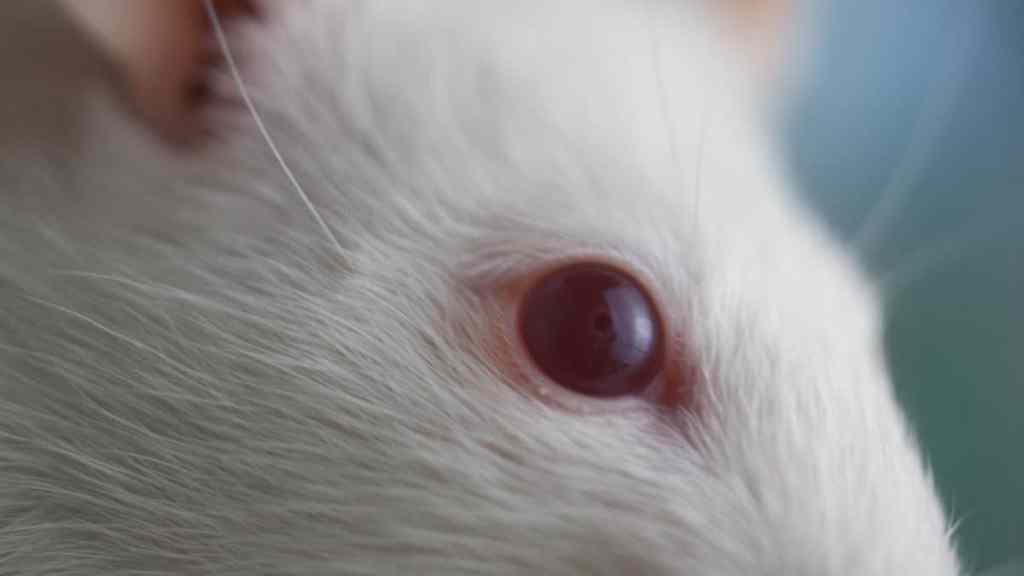
A mouse’s eye colour is closely linked to its coat colour — and while it’s often a subtle detail, it can affect how your mouse experiences the world.
Here are the most common eye colours in pet mice:
- Black eyes – The most typical and versatile. Found in many coat types, including agouti, black, and blue.
- Pink or red eyes – Often seen in champagne, albino, and dove-coloured mice. These lighter eyes are more light-sensitive and may slightly affect vision.
- Ruby eyes – A deeper, darker red that appears in certain fawn and cinnamon mice. Less common, but striking.
Quick Tip
Mice with pink or ruby eyes may have slightly reduced vision, especially in bright spaces. Avoid placing their cage near direct sunlight and help them feel secure by keeping their environment familiar and well-scented.
Ear Types: Standard vs Dumbo

While most people focus on coat or colour, a mouse’s ear shape is another charming feature that sets individuals apart. Domesticated mice typically have one of two ear types:
- Standard ears – These sit high on the head and point slightly upward. They’re the classic mouse look and found in most fancy mice.
- Dumbo ears – Set lower and larger, Dumbo ears give a rounder, more gentle appearance that many find especially endearing. Despite the name, there’s nothing oversized about their care — Dumbo mice require the same attention and housing as any other.
Both ear types are equally healthy and functional — it simply comes down to your personal preference.
Choosing the Right Mouse for You
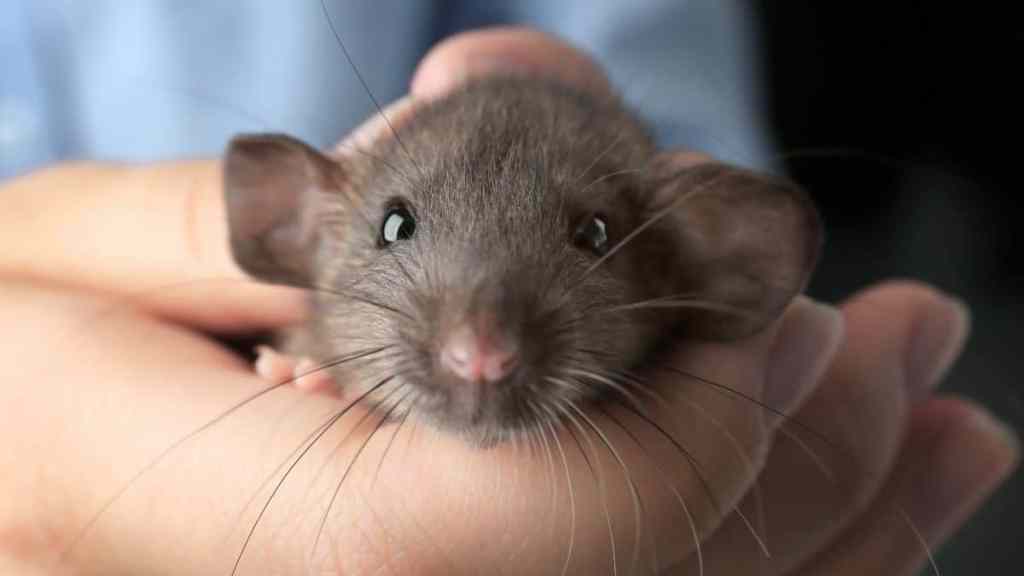
With all these coat types, colours, and features, it’s easy to fall for a mouse based on looks — but there are a few other things to consider before choosing your new companion:
Quick Tip
When buying or adopting, ask about the mouse’s background — including age, prior socialisation, and whether they’ve been handled. This can make a big difference in how quickly they settle in.
Summary Table: Mouse Types and Traits
|
Trait |
Options |
Notes |
|---|---|---|
|
Coat Type |
Smooth, Satin, Long-haired, Rex |
Different textures = different care needs. Smooth is easiest for beginners. |
|
Colour |
Agouti, Black, Champagne, Dove, Fawn, Blue, Albino, Broken |
Choose the colour you love — there’s no wrong answer. |
|
Eye Colour |
Black, Pink/Red, Ruby |
Linked to coat colour; pink/red eyes may have slightly poorer vision. |
|
Ear Type |
Standard, Dumbo |
Both are equally healthy — Dumbo adds a softer look. |
|
Best For… |
Beginners – Smooth Coat, Black or Agouti |
Readily available, low-maintenance, sociable. |
Final Thoughts
Whether you’re drawn to a fluffy long-haired rex, a glossy black satin, or a ruby-eyed fawn, one thing’s for sure — there’s far more variety in the world of pet mice than most people realise. And that’s part of what makes them so brilliant.
From playful personalities to charming quirks, mice bring more than cuteness to the table — they’re intelligent, social, and full of life. While appearance is fun to explore, it’s their behaviour, bonds, and enrichment that truly matter day to day.
Choosing the right mouse means balancing what you love visually with what suits your lifestyle — and that starts with understanding the basics.