Bringing dogs and children together can create one of the most heartwarming and mutually beneficial relationships in the home. But this kind of bond doesn’t happen by chance. It takes thoughtful preparation, ongoing supervision, and clear communication — for both your child and your dog. In this guide, we explore how to make it work safely, practically, and with long-term success in mind.
Why Dog-Child Relationships Matter
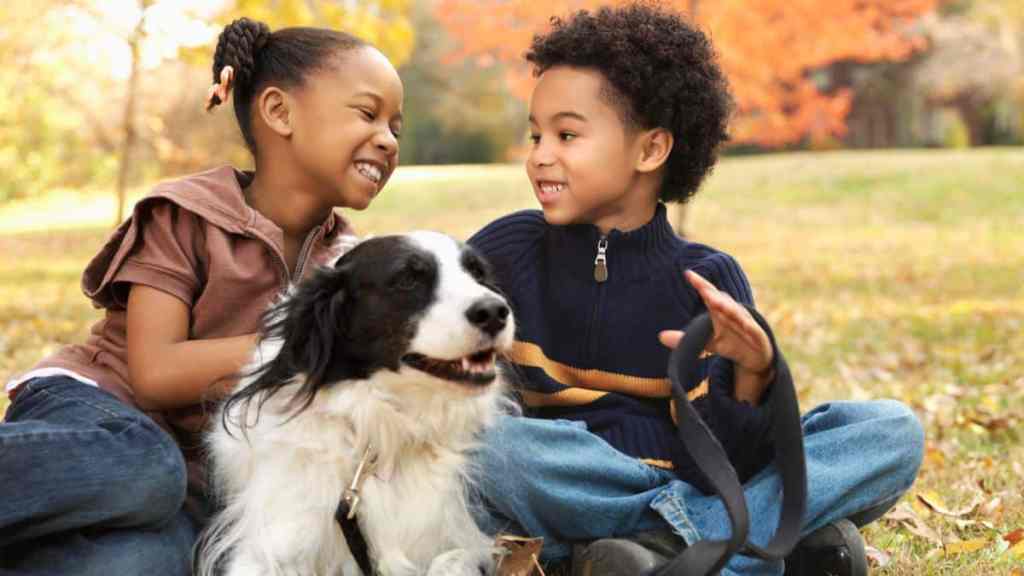
When done right, children who grow up with dogs often benefit emotionally, socially, and even physically. These early bonds help shape core emotional skills that last a lifetime.
However, there are risks if boundaries are unclear or interactions are poorly managed. Dog bites, anxiety, and behavioural problems can result — but these are almost always preventable.
Before Bringing a Dog into a Child’s Life
Whether you’re welcoming a dog into a household with children or preparing your existing dog for a new baby, proactive planning is essential.
1. Choose the Right Dog
Not all dogs are a good fit for busy family homes. While some breeds — like Labradors, Beagles, and Cavalier King Charles Spaniels — are known for their gentle nature, temperament varies greatly even within a breed. Make time to meet individual dogs, observe their behaviour, and ask the breeder or rescue staff the right questions.
2. Set Realistic Expectations
Puppies may seem ideal for children, but they require enormous amounts of time and training. They nip, chew, jump, and have little impulse control. On the other hand, rescue dogs might come with their own triggers or traumas. Consider your family’s energy levels and daily routine honestly.
3. Prepare the Environment
Create a safe, low-stress environment with clearly defined zones. This might include dog-only areas, child-free spaces, and shared supervised zones. Tools like baby gates, crates, and pens help prevent overstimulation and give everyone breathing room.

Quick Tip
Get children involved early — let them help prepare a toy box, name the dog’s bed, or decorate a feeding chart to build emotional investment and excitement.
Teaching Children How to Interact With Dogs

Children are naturally curious — but dogs have boundaries. Even the friendliest pooch can react defensively if pushed too far. Teaching children how to interact calmly and respectfully is one of the most important parts of building a safe relationship.
What Kids Should Learn:
- Don’t disturb dogs while they’re eating, sleeping, or chewing.
- Avoid hugging or leaning on dogs — these gestures feel invasive.
- Move slowly and speak gently.
- Always let the dog approach first.
- Ask permission before touching unfamiliar dogs.
What Parents Must Reinforce:
- Supervise all interactions and step in at the first sign of discomfort.
- Praise soft voices and gentle hands.
- Model good behaviour — children copy what they see.
Quick Tip
Practice everyday scenarios through roleplay, like encountering dogs in the park, to build confidence and safety awareness.
Training The Dog Around Children
Even if your dog has lived with adults for years, children are a whole new experience. Their unpredictable movement, sudden sounds, and small stature can be overwhelming. That’s why focused training is critical.
Key Commands to Prioritise:
Quick Tip
Never punish warning signs like growling. A growl is a dog’s way of communicating discomfort. If you suppress the warning, you risk escalation without notice. Instead, identify the cause and adjust the situation.
Supervision Is Non-Negotiable
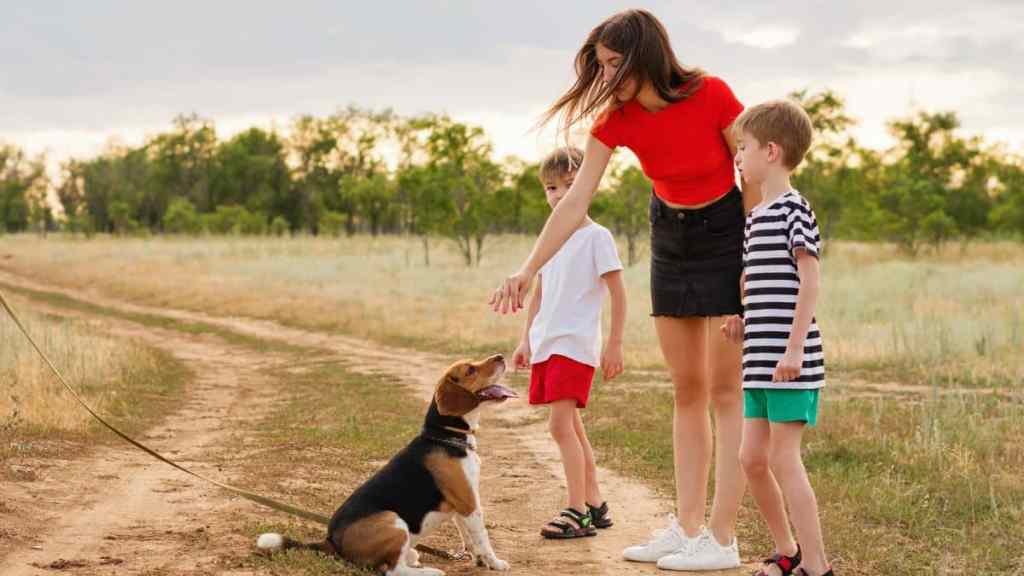
Even if your dog is a family favourite and your child is gentle, supervision is still required. Children develop rapidly, and what was safe yesterday may not be today.
Signs of Stress in Dogs:
- Lip licking, yawning, or sudden stillness
- Whale eye (seeing the whites of the eyes)
- Ears back or body turning away
- Hiding or seeking distance
These are signs your dog needs a break — act fast.
Quick Tip
Try the “1-2-3” supervision method: 1 adult, 2 eyes on, and always within 3 feet.
Age-Specific Tips

Toddlers (0–3 years)
- Focus on environment management rather than education — toddlers cannot yet follow safety rules.
- Use baby gates and playpens to separate and protect both parties.
Young Children (4–7 years)
- Teach through stories, repetition, and visual reminders (charts, posters).
- Involve them in daily care like brushing or pouring food, under supervision.
Older Kids (8+ years)
- Teach body language signs and encourage participation in training.
- Offer structured roles — walking with an adult, helping with games or puzzle toys.
What If Things Go Wrong?

Sometimes, despite your best efforts, conflict arises. Maybe your dog growls at your child or your child suddenly becomes anxious.
Warning Signs:
- The dog is growling, hiding, or refusing to engage.
- The child becomes fearful, avoids the dog, or stops interacting.
What to Do:
- Seek help from a qualified dog behaviourist, ideally IMDT or APBC accredited.
- Talk to your child’s GP or health visitor if anxiety or fear develops.
- Reassess your environment, routines, and training. A few small tweaks can make a huge difference.
Final Thoughts
With care, consistency, and compassion, a relationship between your dog and child can flourish into something magical. But it doesn’t happen without work. You are the bridge between them — teaching, guiding, and protecting.
Give your dog a safe space. Give your child tools to understand and respect animals. And go easy on yourself — this is a learning process for everyone.