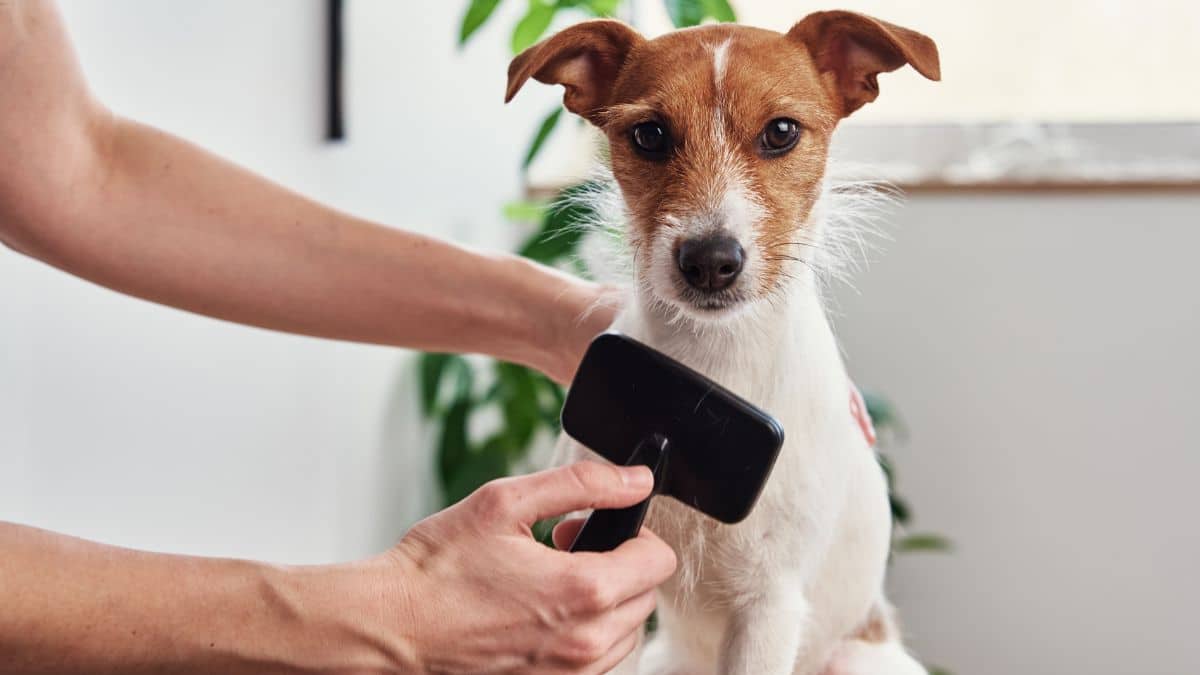
Grooming your dog isn’t just about appearances — it’s a cornerstone of good health and wellbeing. Brushing removes dirt, detangles fur, spreads natural oils, and gives you the chance to check for parasites, lumps, or skin issues. But how often should you really be brushing your dog?
The answer depends on a few key factors: coat type, breed, lifestyle, and even the time of year. In this guide, we’ll break it all down by coat type, explain what happens if you don’t brush enough, and help you build a routine that works for both of you.
Why Regular Brushing Matters
Dogs rely on their coats for protection and insulation. A healthy coat also plays a role in regulating temperature and repelling moisture. When a coat becomes matted, oily, or impacted with dirt, it’s not just uncomfortable — it can become a health hazard.

Regular brushing has benefits beyond detangling:

Quick Tip
Brushing is also a bonding activity — many dogs love the attention once they get used to it.
Brushing Frequency by Coat Type
Every dog is different, but their coat type gives a good indication of how often they’ll need grooming. Here’s a breakdown:
Short-Haired Dogs (Staffies, French Bulldogs, Whippets, etc.)
Short, smooth coats don’t require as much grooming — but don’t skip it entirely. These coats still shed and can benefit from weekly brushing to remove dirt and distribute oils.
Double-Coated Dogs (Labradors, Golden Retrievers, Huskies, Etc.)
These breeds shed heavily, especially during seasonal coat blows in spring and autumn. Regular brushing is essential to avoid undercoat matting and to reduce shedding around your home.
Long-Haired Dogs (Shih Tzus, Afghan Hounds, Yorkshire Terriers, Etc.)
Long coats tangle and mat easily, especially around the legs, belly and ears. These breeds often need daily maintenance to keep their fur in good condition.
Curly or Wavy Coats (Poodles, Cockapoos, Bichons, Etc.)
Curly coats can be deceptive — they don’t shed much, but they trap hair and dirt, leading to matting beneath the surface. Without regular brushing, you’ll likely end up with a full shave at the groomers.
Wire-Haired Coats (Border Terriers, Schnauzers, Etc.)
These coats require hand-stripping or trimming to maintain their texture, but brushing is still important to keep them tidy and dirt-free.
What Happens If You Don’t Brush Enough?

Infrequent brushing can lead to a range of problems:
- Painful mats that pull on the skin
- Increased risk of skin infections and hotspots
- Excessive shedding and hair around the house
- Missed signs of parasites or skin issues
- More stressful grooming appointments
Quick Tip
Mats can form quickly behind ears, under collars, in armpits, and around the back legs — and they often hide dirt, moisture and bacteria.
Tailoring Your Brushing Routine

Consider these factors when deciding on a routine:
- Outdoor lifestyle: Muddy walks mean more dirt — brush after each outing
- Allergy concerns: Brushing more often can reduce dander and pollen in the home
- Time of year: Dogs shed more in spring and autumn
- Age and health: Older or less mobile dogs may need gentler, more frequent grooming
Quick Tip
Keep sessions short and sweet. Ten minutes a day is better than one long weekly battle.
Final Thoughts
Brushing isn’t optional — it’s a vital part of your dog’s health routine. Whether your pup has silky locks or a low-maintenance short coat, creating a consistent grooming habit will keep them looking and feeling their best.
And remember: the more often you do it, the easier (and more enjoyable) it becomes.
Important Note: All grooming advice in this article has been reviewed using UK-based veterinary and grooming guidelines. These brushing frequencies are general recommendations — always adjust based on your dog’s individual needs, health and comfort.