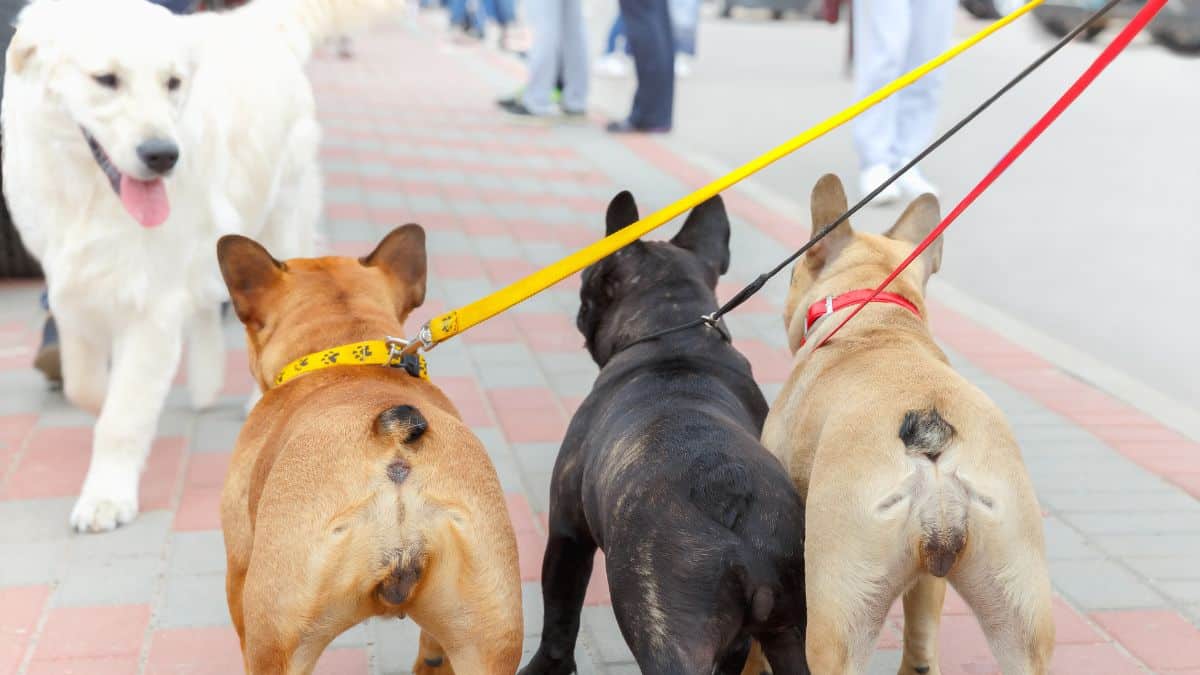
Ever noticed that other dogs seem wary of your French Bulldog at the park — or even bark, snap, or avoid them completely? You’re not imagining it. Frenchies often trigger confusing responses from other dogs, and it’s not because they’re unlikeable — it’s because they’re misunderstood. Here’s why…
Quick Answer: Why Don’t Other Dogs Like Frenchies?
French Bulldogs often confuse other dogs because of their flat faces, stocky bodies, and unusual vocalisations. Their body language can be hard to interpret, which can lead to misunderstandings or defensive reactions from other dogs. While most Frenchies are friendly, they’re often misread — not disliked.
Why Do Some Dogs Seem to Avoid French Bulldogs?

If your Frenchie regularly gets side-eyed, barked at, or outright ignored by other dogs, don’t take it personally — and definitely don’t blame your dog. The issue isn’t that French Bulldogs are unfriendly. Quite the opposite. Most are full of charm and affection. The problem? Dog-to-dog communication is all about body language — and Frenchies speak a slightly different dialect.
Flat Faces and Mixed Signals: Why Do French Bulldogs Confuse Other Dogs?
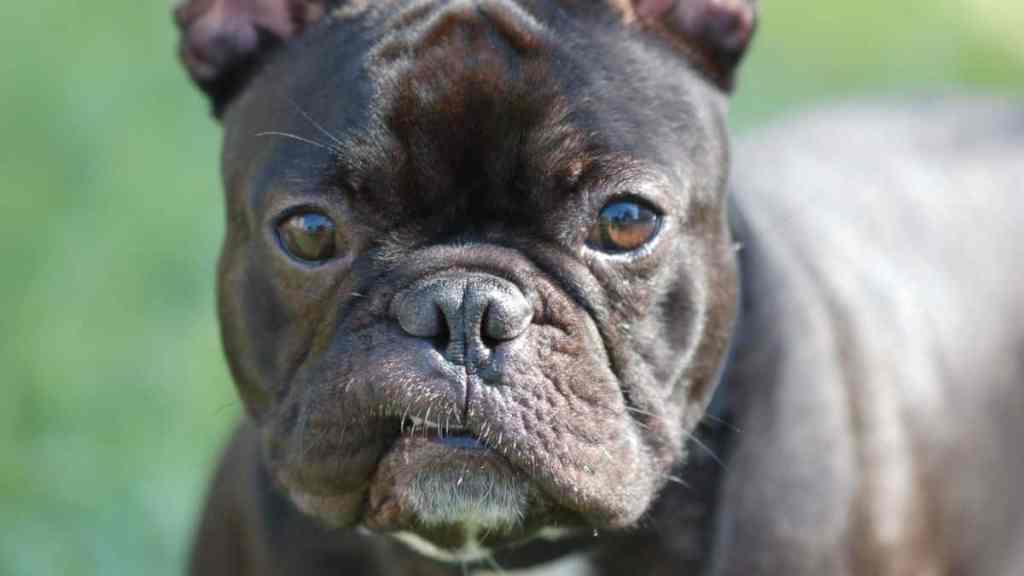
Dogs rely heavily on subtle facial cues, tail movements, posture, and vocal tones to communicate. But French Bulldogs come with a few physical quirks that make their signals harder for other dogs to interpret.
Here’s what often trips other dogs up:
In short: other dogs often misread your Frenchie’s signals — or miss them altogether.

Quick Tip
Avoid face-to-face introductions when meeting new dogs. Let them sniff side-by-side or on a gentle curve rather than head-on, which can feel confrontational — especially with a flat-faced breed like a Frenchie.
Are French Bulldogs Too Enthusiastic?

Let’s be honest — most Frenchies are social butterflies. They waddle over, tail stub wagging, and dive straight into a snorty snuffle-fest. But not all dogs are ready for that kind of high-energy hello.
Some dogs prefer:
- Slow introductions
- Respect for personal space
- Subtle body cues before play begins
Frenchies? Often a bit more like:
- “HI I’M HERE LET’S BE FRIENDS!”
That mismatch in social style can trigger a defensive response — not because other dogs “don’t like” Frenchies, but because they feel overwhelmed or unsure.
Dogs Who Tend to Struggle Most With French Bulldogs
While every dog is an individual, some breeds or personality types are more likely to react warily around French Bulldogs. These include:
- Sensitive or anxious dogs who prefer calm, predictable body language
- Guarding or herding breeds that are highly alert to visual cues and may interpret Frenchie mannerisms as rude
- Senior dogs who have less tolerance for bouncy energy or strange noises
- Dogs who had a bad past experience with a pushy bulldog-type breed
Is It a French Bulldog Thing, or a Training Thing?
It’s true that Frenchies come with unique communication quirks, but how your dog handles social situations is also shaped by:
- Early socialisation
- Ongoing exposure to a range of dog types
- How you handle greetings and interactions as their owner
Social skills can be improved. With guidance and practice, most French Bulldogs can learn to approach other dogs more politely and read social cues more effectively (even if their face doesn’t do much of the talking).
How to Help Your Frenchie Socialise With Other Dogs
The key is to set your dog up for social success. Here’s how:
Quick Tip
Always ask the other owner before allowing your Frenchie to greet their dog — even if your dog is friendly. “Can they say hello?” is a great habit to build, and it gives both dogs the best chance of a good experience.
What If Your Frenchie Is Being Rude?

Sometimes it’s not miscommunication — it’s overexcitement, poor manners, or lack of recall. Even the most charming Frenchie can cross the line if they haven’t been taught boundaries.
Look out for:
None of this means your dog is “bad” — it just means they need a bit more structured training and supervision around others.
When Things Go Wrong: Reactivity or Aggression
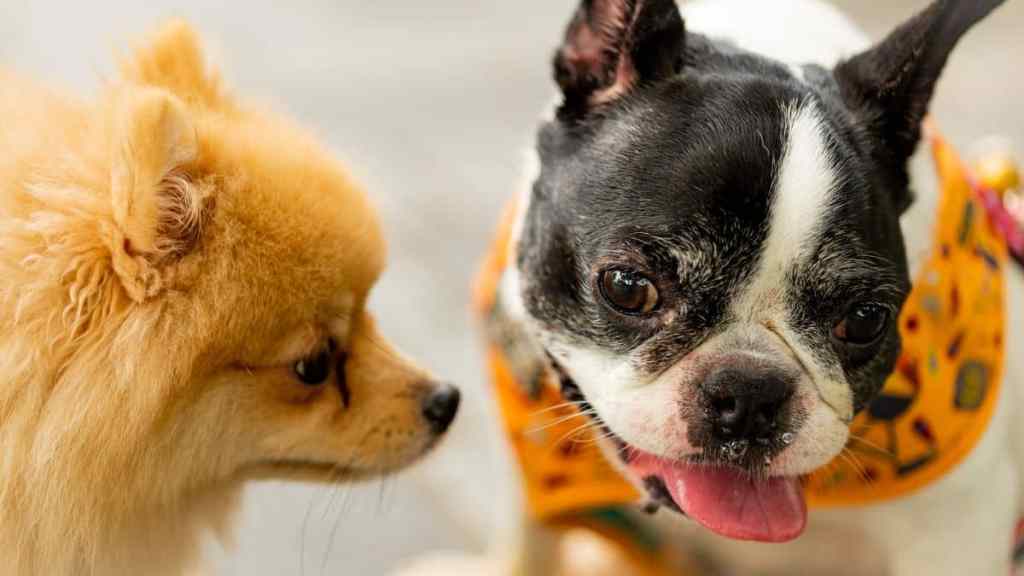
Occasionally, you’ll come across a dog who reacts strongly to your Frenchie — snapping, growling, or lunging on sight. Don’t panic. It might not be personal.
Some dogs have:
- Poor socialisation history
- Breed-specific triggers
- Pain or fear issues that cause reactivity
If it’s happening often, though, it’s worth working with a qualified behaviourist to assess whether your Frenchie is unknowingly triggering these responses — and how to manage it calmly.
Recap: Why Do Dogs Dislike French Bulldogs?
|
Reason |
What It Means |
|---|---|
|
Flat face and body language quirks |
Other dogs may struggle to “read” them |
|
Noisy breathing/snorting |
Sounds can seem odd or threatening |
|
Energetic or bouncy social style |
May overwhelm calmer or older dogs |
|
Mixed signals during greetings |
Confusion can lead to tension or avoidance |
|
Not disliked — just misinterpreted |
Most Frenchies are friendly at heart |
Final Thoughts
If you’ve ever walked away from the park wondering “Why don’t other dogs like my Frenchie?” — now you know: it’s not dislike, it’s miscommunication. French Bulldogs are full of charm, loyalty, and affection — especially with people — but their unique appearance and excitable behaviour can sometimes throw other dogs off. Flat faces, snorty sounds, and a bouncy ‘let’s be mates!’ approach aren’t always received the way your Frenchie intends.
That doesn’t mean you have to avoid walks or park play altogether. With the right support and a bit of patience, your Frenchie can absolutely enjoy positive, friendly encounters with a wide range of dogs. It’s all about being tuned in to their body language, advocating for your dog if another pup seems unsure, and giving them the tools to greet and play politely. By learning how to guide interactions, reading the room (or the field!), and helping your Frenchie brush up on their doggy etiquette, you’ll give them the best chance of making four-legged friends wherever they go.
Your Frenchie isn’t the problem — they’re just a little misunderstood.