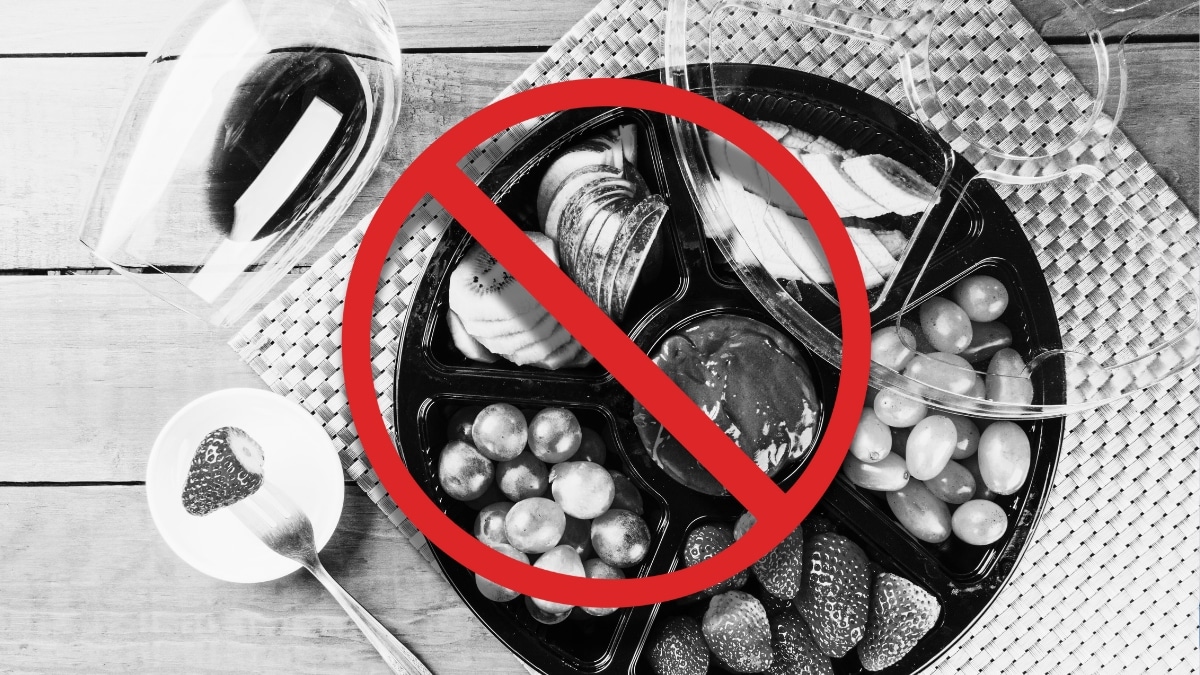
Dogs love to beg for food, and it can be tempting to share a snack with them. However, some human foods can be toxic or dangerous to dogs, leading to serious health problems. Knowing what’s safe and what’s harmful can help keep your pup happy and healthy.
In this guide, we’ll break down the most dangerous foods for dogs, why they’re harmful, and what to do if your dog accidentally eats something they shouldn’t.
Why Some Human Foods Are Dangerous to Dogs
Dogs process food differently than humans. Some foods that are completely harmless to us can cause serious digestive issues, toxicity, or even organ failure in dogs. Their metabolism, liver function, and digestive enzymes vary greatly from ours, making it important to understand what foods to avoid sharing.

Quick Tip
If you’re unsure whether a food is safe for your dog, always check with your vet before feeding it.
Common Toxic Foods for Dogs
Chocolate 🍫
Chocolate contains theobromine and caffeine, both of which are toxic to dogs. Even a small amount can cause:
- Increased heart rate
- Restlessness
- Vomiting & diarrhoea
- ❌ Severe cases can lead to seizures, heart failure, or death.
- 💡 Tip: The darker the chocolate, the more toxic it is. If your dog eats chocolate, contact your vet immediately.
Grapes & Raisins 🍇
Grapes and raisins can cause kidney failure in dogs, even in small amounts.
- Symptoms include vomiting, lethargy, and loss of appetite.
- ❌ Even one or two grapes can be fatal.
- 💡 Tip: If your dog eats grapes or raisins, seek emergency vet care immediately.
Onions & Garlic 🧄
Onions, garlic, leeks, and chives contain compounds that damage red blood cells, leading to anemia.
- Symptoms include weakness, pale gums, and lethargy.
- ❌ Even small amounts can be harmful, especially over time.
- 💡 Tip: Avoid feeding dogs foods that contain onion or garlic powder, like sauces and processed foods.
Avocados 🥑
Avocados contain persin, a toxin that can cause vomiting and diarrhoea in dogs.
- The pit is a choking hazard and can cause intestinal blockages.
- ❌ Can cause stomach upset and pancreatitis.
- 💡 Tip: Keep guacamole and avocado-based foods out of reach.
Xylitol (Artificial Sweetener) 🚫
Xylitol is found in sugar-free gum, candy, baked goods, and some peanut butter. It causes a rapid drop in blood sugar and can lead to liver failure.
- Can cause vomiting, lethargy, and seizures.
- ❌ Can lead to death if not treated quickly.
- 💡 Tip: Always check ingredients before giving your dog human food.
Alcohol 🍺
Dogs’ livers cannot process alcohol like humans can. Even small amounts can cause:
- Lack of coordination
- Vomiting and diarrhoea
- ❌ Severe poisoning can lead to coma or death.
- 💡 Tip: Never give your dog beer, wine, or alcohol-infused food.
Caffeine ☕
Found in coffee, tea, energy drinks, and certain medications, caffeine affects a dog’s nervous system.
- Can cause restlessness and rapid heart rate.
- ❌ Large doses can be fatal.
- 💡 Tip: Keep coffee grounds, energy drinks, and tea bags out of reach.
Macadamia Nuts 🌰
Macadamia nuts are highly toxic to dogs and can cause:
- Weakness, vomiting, and tremors
- ❌ Can lead to severe illness within 12 hours of ingestion.
- 💡 Tip: Avoid giving dogs any type of nuts.
Safe Alternatives to These Foods
If you want to treat your dog without worrying about toxicity, here are some safe options:
- Peanut butter (xylitol-free)
- Carrots, apples, and blueberries
- Plain, cooked chicken or turkey
- Pumpkin (great for digestion!)
- Coconut oil (in small amounts)
- Plain Rice & Oatmeal – Great for sensitive stomachs.
- Sweet Potatoes – Nutritious, fiber-rich, and dog-friendly.
- Plain, Scrambled Eggs – High protein, easy to digest.
- Cooked Salmon & Tuna – Great sources of Omega-3s.

What to Do If Your Dog Eats Something Toxic
- 🚨 Call your vet or an emergency pet poison hotline.
- 🚨 Do NOT induce vomiting unless instructed by a vet.
- 🚨 Monitor your dog for symptoms like vomiting, lethargy, or seizures.
Quick Tip
The UK’s Animal Poison Line (01202 509000) can provide urgent advice on poisoning cases.
Additional Steps You Can Take
- Hydration – If your dog is vomiting or has diarrhea, provide fresh water to prevent dehydration.
- Activated Charcoal – Some vets recommend this to absorb toxins, but only use it if directed by a professional.
- Keep a Symptom Log – Note any changes in behavior, appetite, or energy levels to report to the vet.
- Secure Hazardous Foods – Prevent future incidents by keeping toxic foods out of reach.
Final Thoughts
Keeping your dog safe means being aware of what they can and cannot eat. If you’re ever in doubt, always check with a vet before feeding human food to your pup.
🐶 Did any of these foods surprise you? Let us know in the comments!