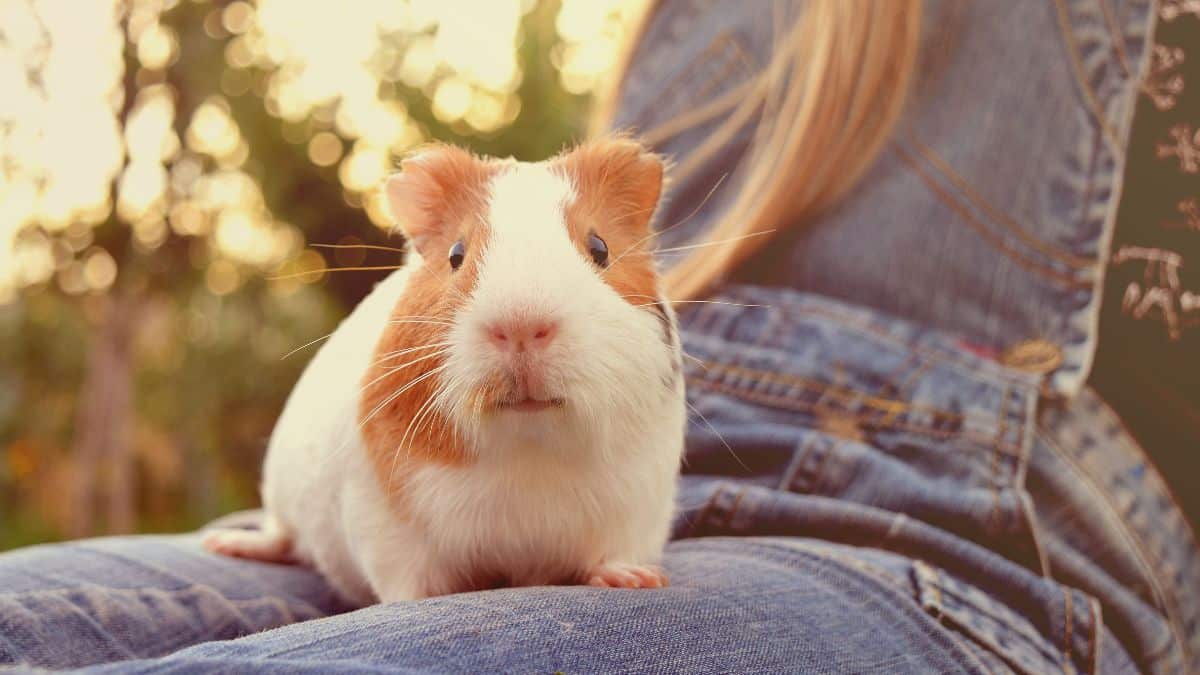
Some of the most common mistakes guinea pig owners make include housing them alone, feeding them incorrectly, using the wrong bedding, neglecting vet care, and underestimating their need for enrichment. Avoiding these can dramatically improve your guinea pig’s health, happiness, and quality of life.
Why Guinea Pig Care Isn’t as Simple as It Seems
Guinea pigs are often seen as “starter pets” — small, cute, and seemingly easy to care for. But this perception has led to a lot of misinformation and accidental neglect, even from well-meaning owners. The truth is: guinea pigs are intelligent, sensitive animals with very specific needs.
As a trusted UK source of expert pet care advice, FluffPost is here to help you steer clear of the most common mistakes — whether you’re a new owner or just checking in to see how you can do better. These five slip-ups are surprisingly easy to make, but also incredibly simple to fix once you know how.
1. Keeping a Guinea Pig on Their Own
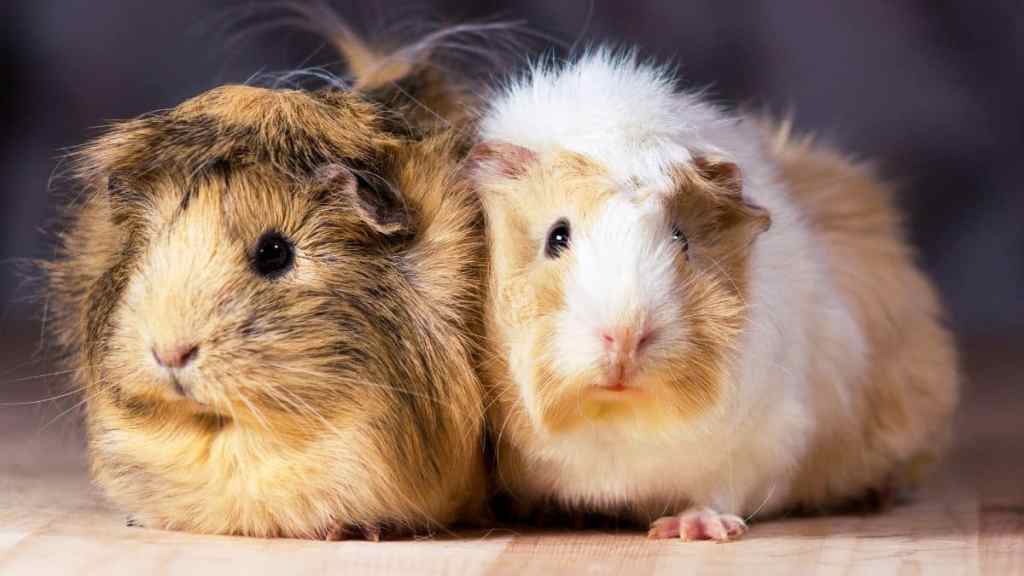
Why guinea pigs need companions
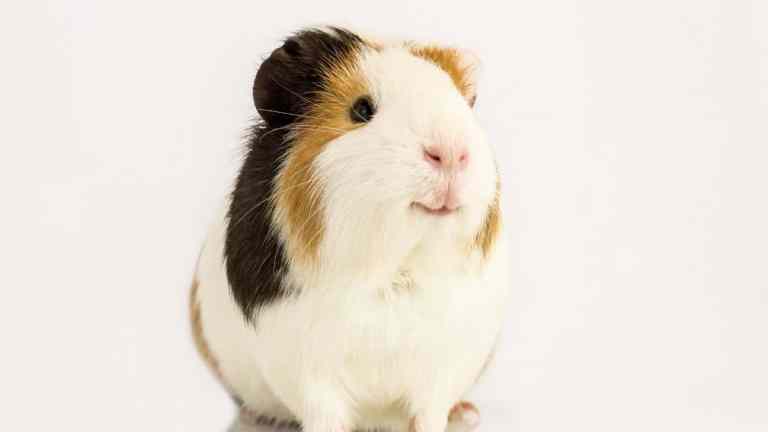
Guinea pigs are highly social animals who need the company of their own kind to thrive. In the wild, they live in groups — and in domestic settings, they still require daily interaction with another guinea pig to feel secure and mentally healthy.
Keeping a single pig alone, even with lots of human attention, can lead to boredom, depression, and a reduced quality of life.
The Fix
Guinea pigs should always be kept in same-sex pairs or neutered mixed-sex pairs, unless advised otherwise by a vet. Ideally, adopt a bonded pair from a rescue — or if you already have one, speak to your local guinea pig charity about carefully introducing a companion.

Quick Tip
Rabbits and guinea pigs are not suitable companions. They communicate differently, require different diets, and rabbits can unintentionally injure guinea pigs with kicks or dominant behaviour.
2. Feeding The Wrong Diet

Hay isn’t optional — it’s essential
A common mistake is feeding too many pellets or vegetables and not enough hay. In reality, hay should make up 90% of a guinea pig’s daily diet. It helps keep their digestion working and their constantly growing teeth worn down.
Guinea pigs also can’t make their own vitamin C, which must come from their food.
What a healthy diet should include
Avoid high-sugar treats, iceberg lettuce, or too much fruit. These can lead to digestive issues or dental problems.
3. Using the Wrong Bedding or Enclosure Setup
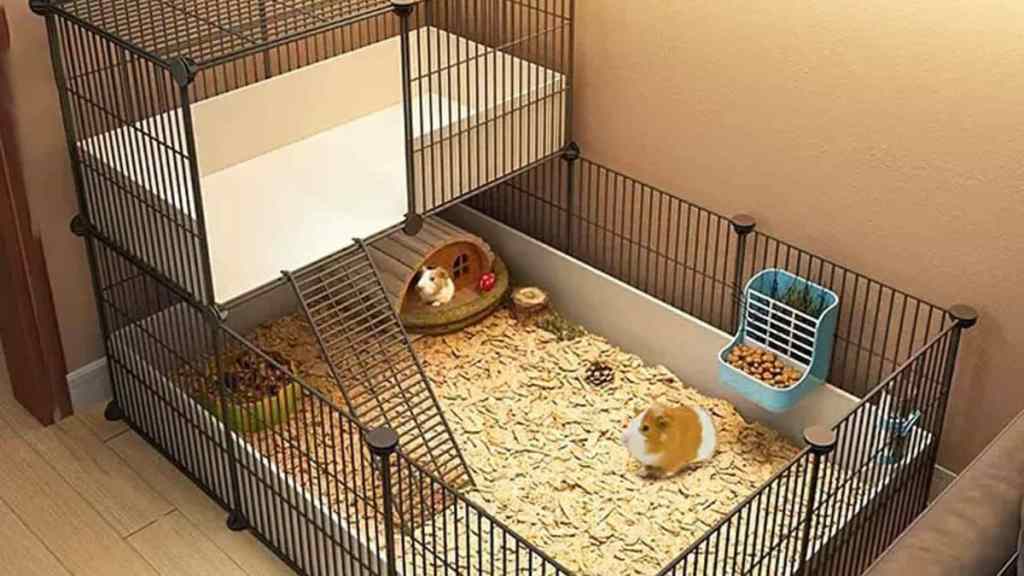
Small cages and poor substrates cause stress
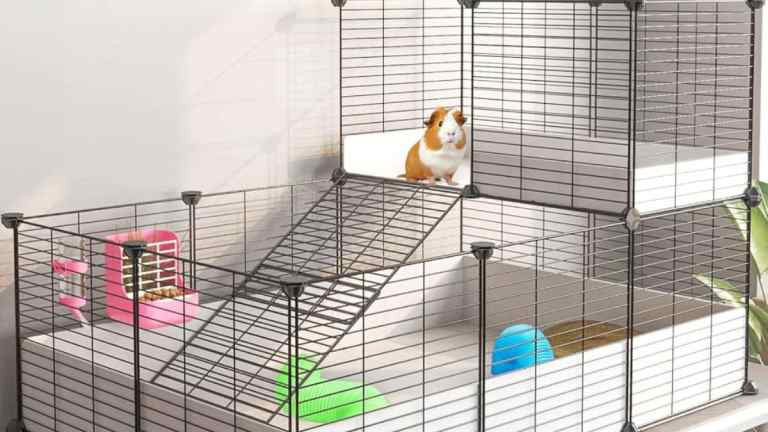
Pet shop cages are often far too small for guinea pigs. In the UK, the RSPCA recommends a minimum of 120cm x 60cm for two guinea pigs, but more space is always better.
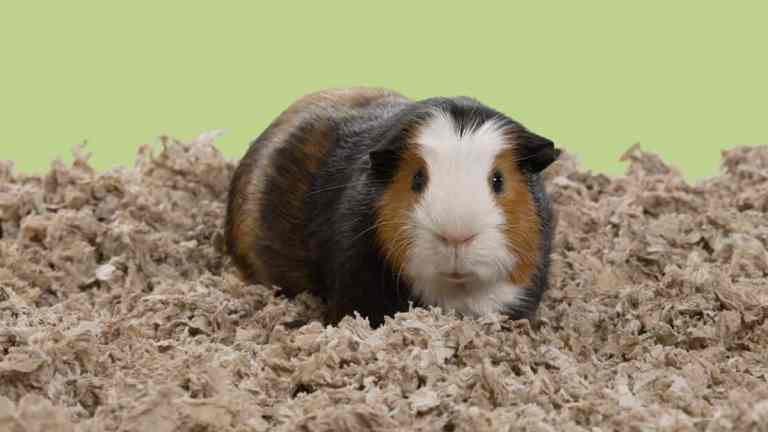
Bedding mistakes are also common. Some owners unknowingly use sawdust, pine shavings, or scented litter, which can irritate guinea pigs’ lungs and skin.
How to get it right
Choose a large, well-ventilated enclosure with plenty of floor space. Line it with:
- Paper-based bedding (dust-free and absorbent)
- Fleece liners (if washed correctly and changed regularly)
Include plenty of hidey-holes, tunnels, hay trays, and enrichment toys to allow for natural behaviours like burrowing and foraging.
4. Skipping Routine Vet Care

Guinea pigs hide illness — and it can escalate quickly
One of the most dangerous mistakes is assuming that guinea pigs don’t need vet care unless they’re obviously ill. But guinea pigs are prey animals — they instinctively hide signs of sickness until they’re seriously unwell.
Without regular checks, owners can miss:
- Overgrown teeth
- Parasites
- Respiratory infections
- Bladder stones
- Weight loss
- Skin issues
What you should do instead
Find a vet who specialises in exotic or small mammals, and book in annual health checks even if your pig seems fine. Keep a digital scale at home and weigh them weekly — small weight drops can be the first sign something’s wrong.
5. Underestimating Their Need for Enrichment and Interaction
Boredom isn’t just sad — it’s stressful
Guinea pigs are bright, curious creatures who need mental stimulation as much as physical care. A dull, unchanging environment can lead to boredom, anxiety, and even aggressive or withdrawn behaviour.
How to enrich their world
They’ll go from zero to chaos in 0.3 seconds… then collapse like a Victorian fainting lady. Drama. Always.
- Rearrange their enclosure layout regularly
- Provide tunnels, chew toys, and foraging opportunities
- Offer safe floor time in a pig-proofed area every day
- Use soft voices and hand feeding to build trust
- Keep them near the action — in a quiet but not isolated part of your home
Quick Tip
Enrichment isn’t just about toys — it’s about variety, companionship, and meaningful interaction.
5 Common Mistakes Guinea Pig Owners Make
Quick Check List:
Final Thoughts
If you’ve made any of these mistakes — don’t worry. Most guinea pig owners do at some point, especially when the advice out there is so mixed. What matters is recognising them and making positive changes now.
Start with the basics: a companion pig, proper diet, clean and safe bedding, routine health checks, and plenty of space to explore. Get those right, and you’ll be giving your guinea pigs the life they truly deserve — happy, healthy, and full of popcorning joy.