Choosing the right bedding for your guinea pig isn’t just about keeping their cage tidy — it directly affects their health, happiness, and how safe they feel in their own space. With so many options out there, it can be hard to know what’s safe, what works, and what to steer well clear of. This guide breaks down all the common guinea pig bedding types, so you can make an informed decision that suits both your pet and your home.
Quick Answer: What’s the Best Guinea Pig Bedding?
The best bedding for guinea pigs is soft, absorbent, low-dust, and safe to chew — think paper-based bedding, fleece liners, or kiln-dried wood shavings. Avoid sawdust, cedar, or untreated pine, which can cause irritation and stress.
Why Bedding Matters for Guinea Pigs
Bedding isn’t just for comfort — it plays a key role in your guinea pig’s hygiene, temperature regulation, and overall wellbeing. A good bedding setup absorbs urine, controls odour, keeps their feet dry, and encourages natural behaviours like burrowing and foraging.
Poor bedding choices can lead to:
So while it might be tempting to cut corners, investing in the right bedding will save money (and vet trips!) in the long run.
What Makes a Bedding “Good” for Guinea Pigs?
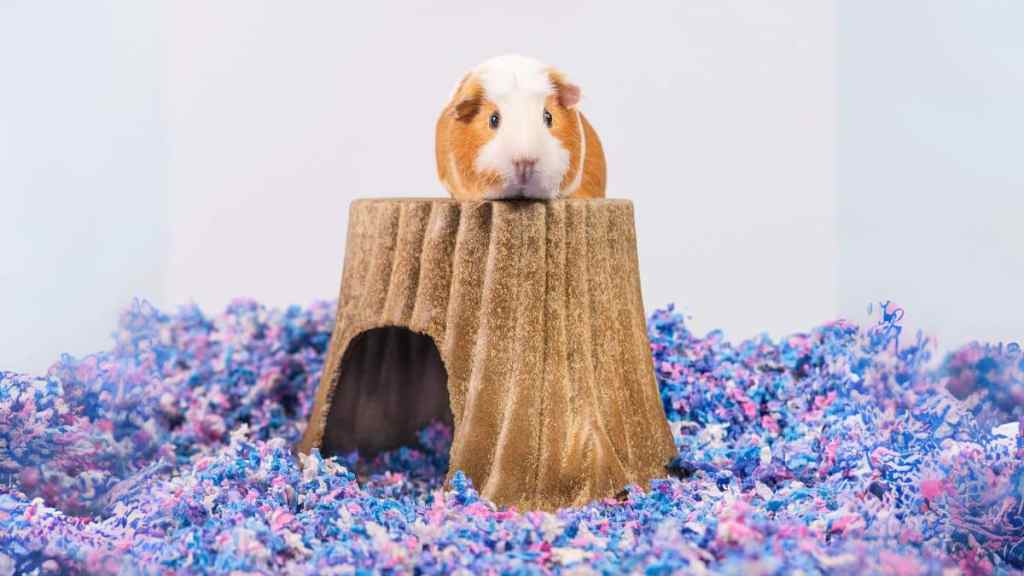
When choosing bedding, keep the following essentials in mind:

Quick Tip
Avoid strong-smelling bedding (even if marketed as “fresh” or “pine-scented”) — guinea pigs have sensitive respiratory systems and do best with neutral, natural materials.
The Best Bedding Types for Guinea Pigs (Explained)
Let’s break down the most popular guinea pig bedding types used in the UK — and what makes each one worth considering.
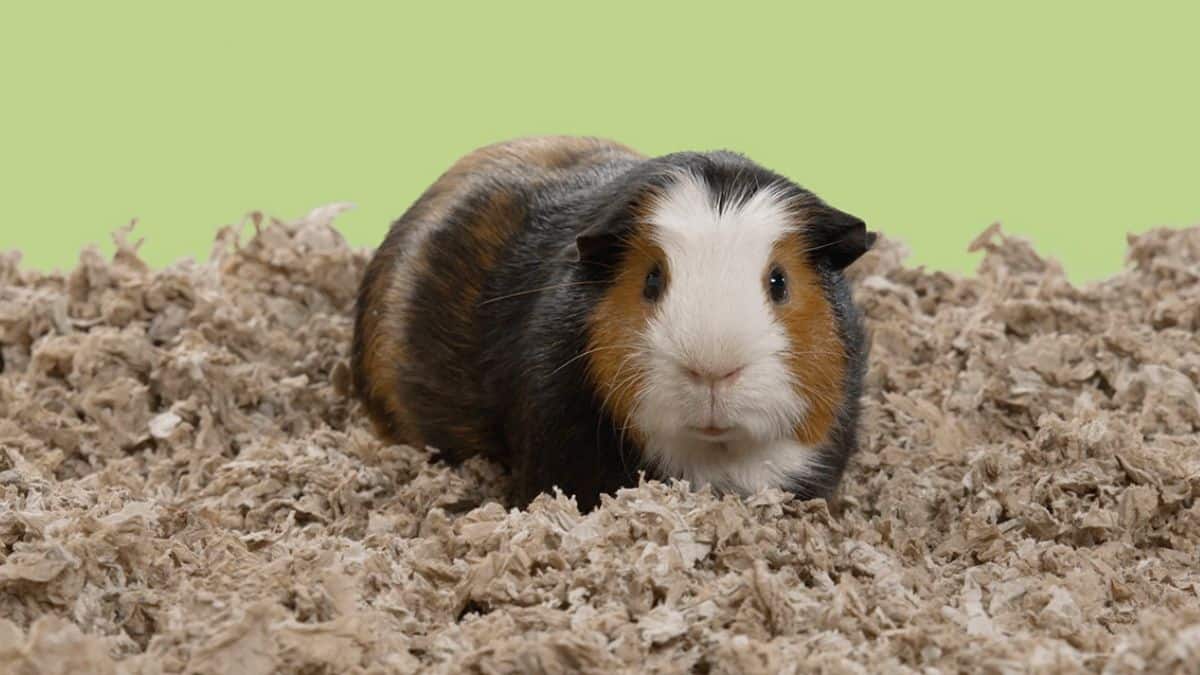
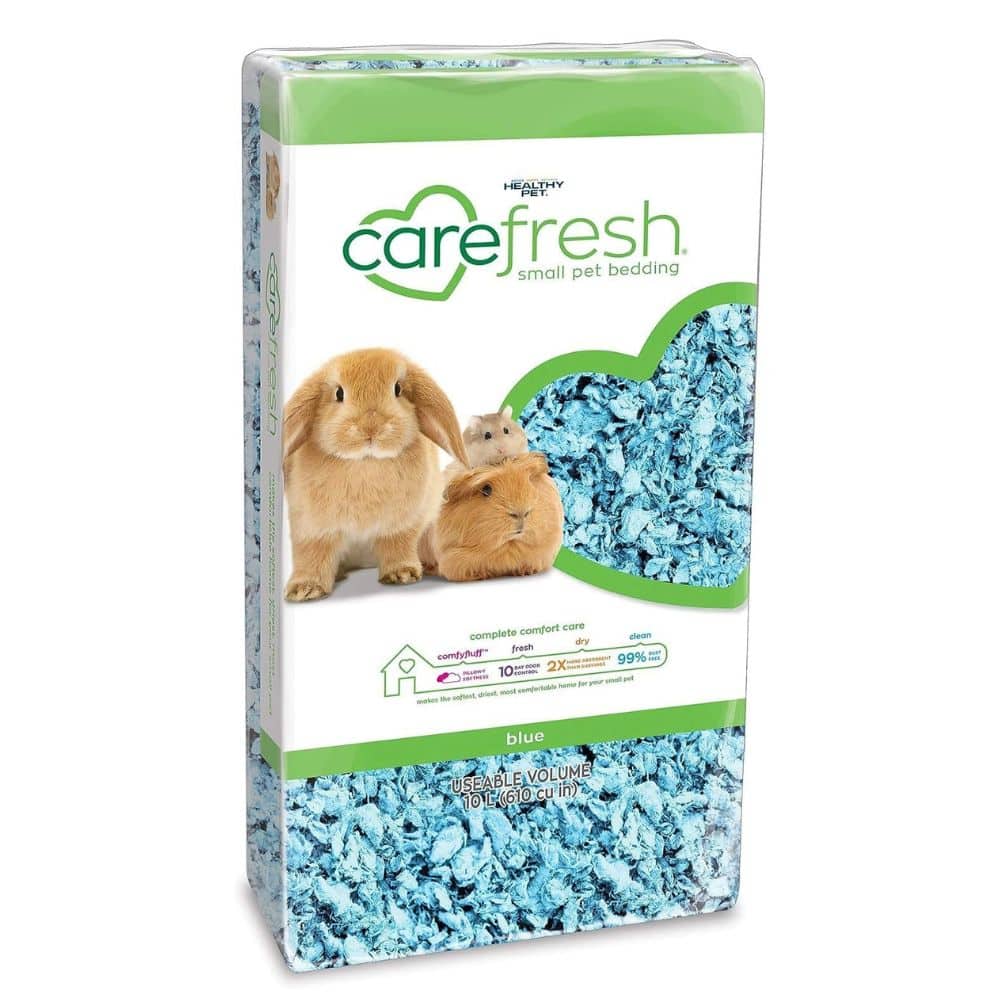
1. Paper-Based Bedding (e.g. Carefresh, Back-2-Nature)
Soft, dust-extracted, and super absorbent — this is a top choice for many piggie owners.
Pros:
Cons:
Best for: Owners who want an easy, pet-safe bedding with great absorbency and minimal smell.
2. Fleece Liners (Reusable Cage Liners)
Fleece liners are washable fabric layers that wick moisture away into an absorbent layer beneath. You’ll need a setup that includes fleece on top and an absorbent layer (like towel or Zorb) underneath.
Pros:
Cons:
Best for: Dedicated owners who want a clean look, less waste, and don’t mind regular laundry.
3. Kiln-Dried Wood Shavings (e.g. Aspen)
Safe wood shavings can work well if they’re properly dried and free from harmful oils. Aspen is the most recommended wood type in the UK.
Pros:
Cons:
Best for: Budget-conscious owners wanting a natural, widely available bedding with reasonable absorbency.
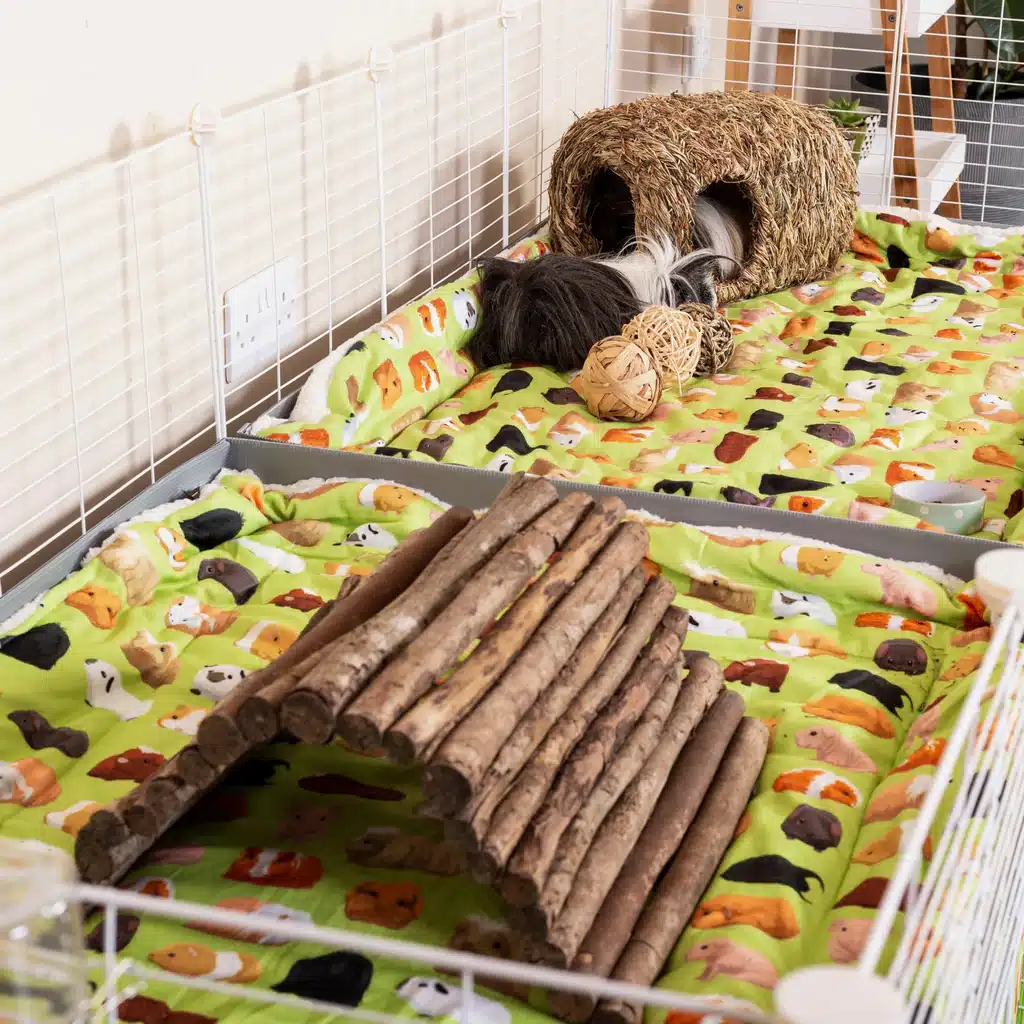
Kavee’s fleece liners are custom-made for C&C cages, offering ultra-soft comfort with a waterproof base. They’re absorbent, machine washable, and come in stylish, piggy-approved prints.
4. Hemp Bedding
A lesser-known but brilliant option — hemp is absorbent, compostable, and usually low in dust.
Pros:
Cons:
Best for: Eco-conscious piggie parents who want a gentle, natural bedding with good performance.
5. Hay as Bedding (Top Layer Only)
Hay isn’t a base bedding, but guinea pigs must have constant access to it. It can be used as a top layer over absorbent bedding.
Pros:
Cons:
Best for: Every guinea pig! Hay should always be available in generous amounts, preferably in hay racks and cosy piles.
Bedding Types to Avoid (And Why)
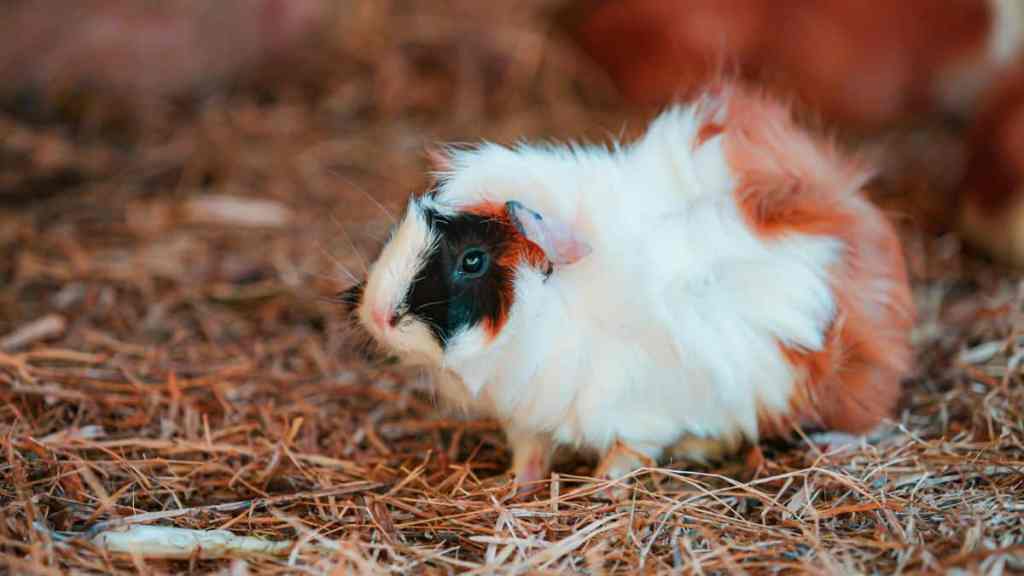
Not all bedding options are safe for guinea pigs. Some common types can actually cause harm — even if they’re sold in pet shops.
1. ❌ Sawdust
Why to avoid it:
- Extremely dusty — can cause respiratory issues
- Often too fine and clumps when wet
- Triggers sneezing, eye irritation, or wheezing
Even though it’s cheap and widely available, sawdust should be avoided entirely for guinea pigs.
2. ❌ Non-Kiln-Dried Pine or Cedar
Why to avoid it:
- Contains aromatic oils (phenols) that can harm the lungs
- Strong scent can cause stress or breathing difficulties
- Often not labelled clearly — risky unless you’re 100% sure
If you can’t confirm it’s heat-treated and safe, steer clear.
3. ❌ Cat Litter (Clumping or Clay-Based)
Why to avoid it?
- Designed for entirely different animals
- Dangerous if swallowed
- Can expand inside the gut
- Too rough for delicate guinea pig feet
Never use any type of cat litter in your guinea pig’s cage — even in litter trays.
4. ❌ Straw
Why to avoid it:
- Not absorbent
- Can have sharp ends that injure eyes or feet
- Offers little comfort or insulation
Straw is often sold alongside hay in pet shops, so it’s easy to assume it’s a suitable bedding — but for guinea pigs, it’s not ideal. The stalks are stiff and hollow, which means they don’t absorb urine properly and can cause painful eye scratches or skin irritation. It also doesn’t offer the softness or burrowing ability that guinea pigs love.
Don’t worry if you’ve been using straw! Lots of owners start out this way. If your guinea pig has been well and healthy, there’s no need to panic — just consider switching to something softer and more absorbent, like paper-based bedding, fleece liners, or hemp. Small changes can make a big difference, and it’s never too late to upgrade their setup.
How Often Should You Change Guinea Pig Bedding?

This depends on your setup and how many guinea pigs you have, but as a rule of thumb:
- Spot-clean daily: Remove soiled bedding, wet patches, and old hay
- Full change every 3–5 days: For paper or wood-based bedding
- Fleece liners: Shake out and wash every 2–4 days, depending on usage
Clean cages mean healthier piggies. A dirty or damp cage can quickly lead to infections, foot problems, and poor hygiene.
Recap Table: Guinea Pig Bedding Options at a Glance
|
Bedding Type |
Safe? |
Key Features |
Best For |
|---|---|---|---|
|
Paper-based bedding |
✅ |
Soft, absorbent, dust-free |
Everyday use, all piggies |
|
Fleece liners |
✅ |
Reusable, cosy, needs frequent washing |
Eco-conscious, hands-on owners |
|
Kiln-dried wood shavings |
✅ |
Affordable, natural odour control (must be kiln-dried) |
Budget-friendly setups |
|
Hemp bedding |
✅ |
Low-dust, compostable, sustainable |
Eco-aware piggy homes |
|
Sawdust |
❌ |
Dusty, clumps, causes respiratory issues |
Avoid completely |
|
Non-treated pine/cedar |
❌ |
Contains oils that irritate lungs |
Unsafe — avoid unless kiln-dried |
|
Cat litter |
❌ |
Clumping, unsafe to ingest, too rough |
Not suitable for guinea pigs |
|
Straw |
❌ |
Sharp, non-absorbent, uncomfortable |
Not appropriate bedding |
Final Thoughts
Your guinea pig spends most of their time in their enclosure — so what they’re sitting, sleeping, and walking on matters more than you might think. The right bedding creates a cleaner, comfier, and safer environment that helps your piggies stay healthy and happy.
There’s no one-size-fits-all answer — the best bedding for you will depend on your setup, cleaning routine, budget, and your piggies’ needs. What’s most important is choosing something absorbent, dust-free, soft, and safe.
Whether you go for reusable fleece liners or stick with soft paper bedding, making thoughtful choices now can prevent health issues later — and give your guinea pigs the cosy little kingdom they deserve. 🐹