Planning to take your dog around town or across the country using public transport? Whether you’re commuting through London or visiting family up north, this guide covers everything UK dog owners need to know about bringing dogs on buses, coaches, and the London Underground.
This is your complete, up-to-date guide for 2025 — fully fact-checked, UK-specific, and designed to answer all the common questions (and a few you might not have thought of). Let’s dive in.
Are Dogs Allowed on Buses in the UK?
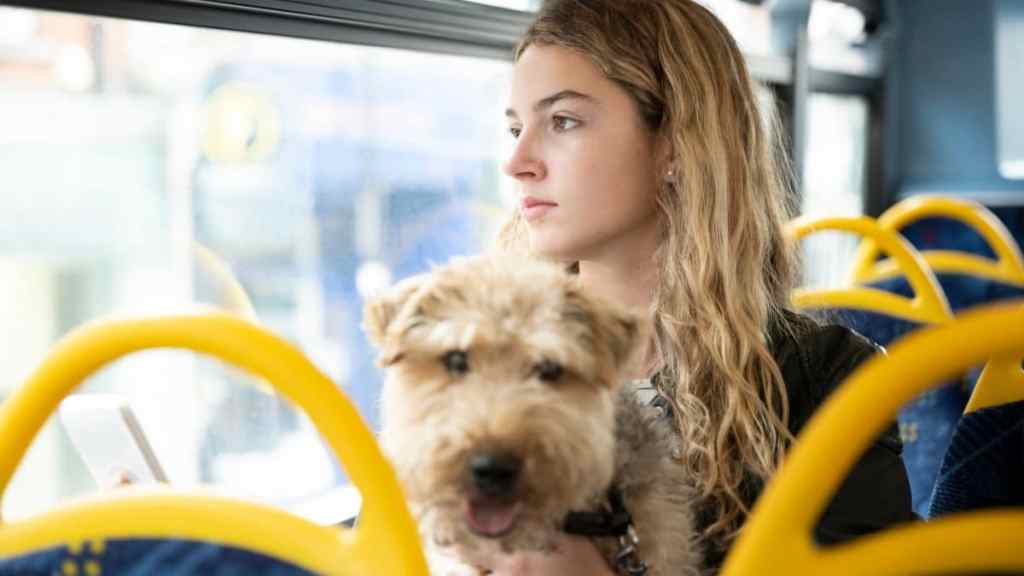
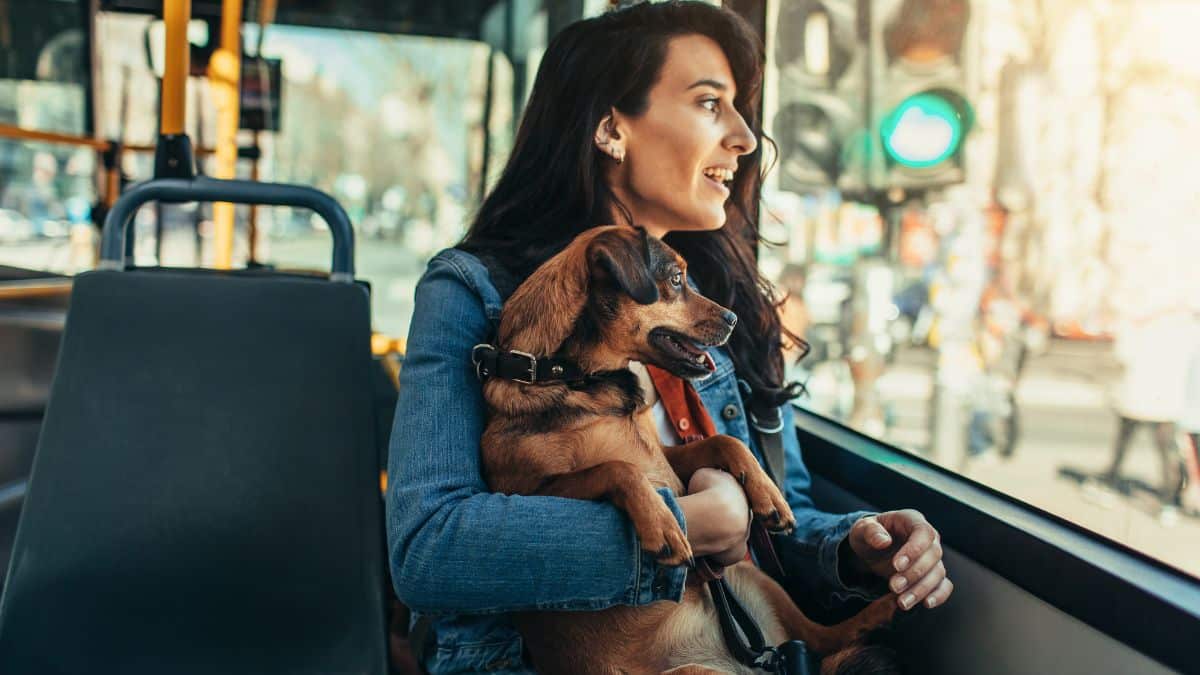
Yes, in most cases — but it depends on the operator and the driver. Unlike trains, where the rules are fairly consistent, UK bus companies have different policies. Some allow dogs on board without issue, while others leave it up to the driver’s discretion.
General UK Bus Dog Policy (2025):
- Most local buses (Arriva, Stagecoach, First Bus, etc.) allow well-behaved dogs on leads
- You usually do not need to pay for your dog (they travel free)
- Dogs cannot occupy seats
- Drivers can refuse entry if they believe the dog poses a risk or is disruptive
Major Operators & Their Policies:
- Stagecoach – Dogs allowed at the driver’s discretion. Must be on a lead or in a carrier.
- Arriva – Dogs allowed, maximum one per passenger. Not permitted on seats.
- First Bus – Most dogs allowed, driver can refuse if overcrowded or disruptive.
- Go-Ahead Group (including Go North East) – Allows dogs on a lead. Discretion applies.
- Transport for London (TfL) buses – Dogs are welcome at all times, provided they’re on a lead or in a carrier.
Always check with your local operator before you travel, especially in rural or regional areas.
Are Dogs Allowed on Coaches (National Express & Megabus)?
No — with very few exceptions. As of 2025, dogs are not allowed on most long-distance coach services in the UK:
- National Express – Only assistance dogs are allowed on board.
- Megabus – Same policy. Only registered assistance dogs are permitted.
This means if you’re travelling a long distance and don’t have a car or want to avoid the train, coaches are not dog-friendly — unless your dog is a trained assistance animal.
Can Dogs Go on the London Underground?
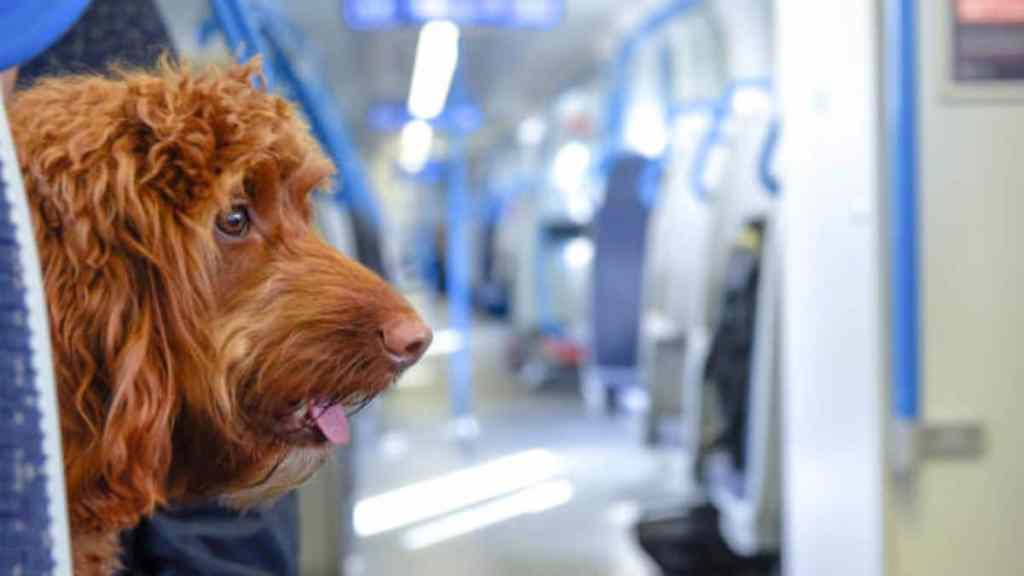
Yes — dogs are allowed on the Tube, DLR, Overground, and other TfL services. Transport for London (TfL) has one of the most pet-friendly public transport policies in the UK:
TfL Dog Rules (2025):
- Dogs are allowed on all services, including:
- London Underground
- London Overground
- Docklands Light Railway (DLR)
- Elizabeth Line
- London Buses
- Dogs must be kept on a lead or in a suitable carrier
- Dogs are not allowed to sit on seats
- You must carry your dog on escalators (or use lifts) to avoid injury
Tip: Large dogs may need to be carried on stairs or through crowded stations, so plan ahead.
What About Other City Transport Networks?
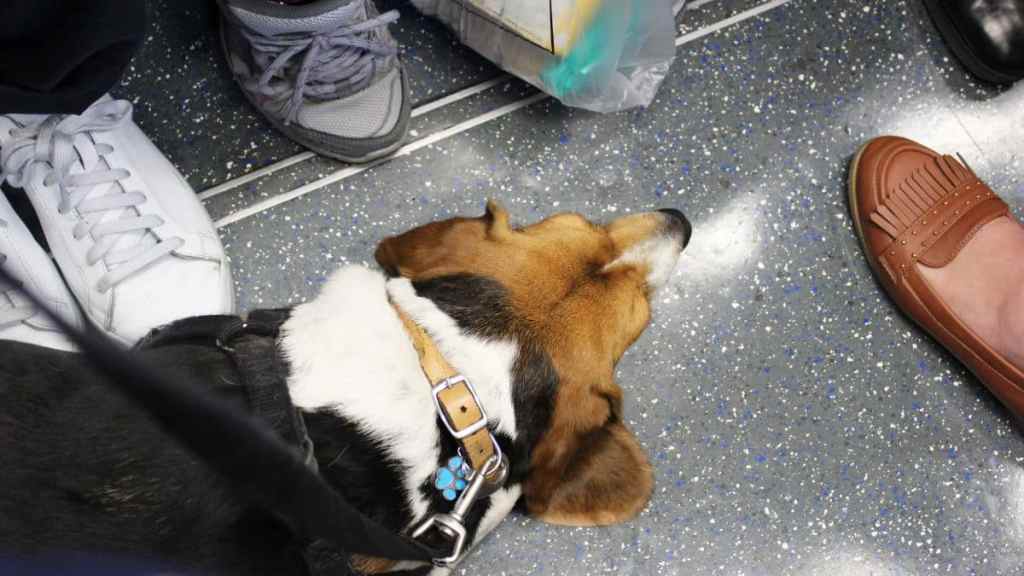
Each UK city or region has its own transport authority. Here are a few examples:
- Manchester Metrolink – Well-behaved dogs are allowed as of 2025. Up to two dogs per person, on leads and under control. Not allowed on seats. Owners are responsible for any messes.
- West Midlands Metro – Only assistance dogs are allowed.
- Merseyrail (Liverpool) – Dogs are allowed on trains, on leads.
- Edinburgh Trams – Small dogs allowed in carriers. Larger dogs at the driver’s discretion.
- Glasgow Subway – Only assistance dogs permitted.
Always check the specific city’s transport website before travelling.
Tips for Taking Dogs on Buses & Tubes
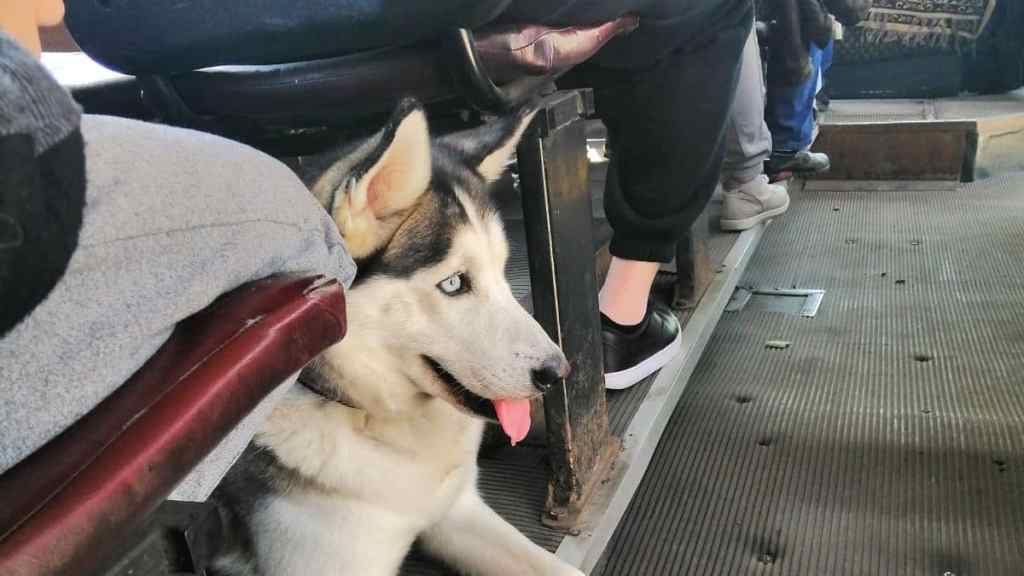
1. Choose Off-Peak Times
Less busy services reduce stress and give your dog space to settle.
2. Carry a Blanket or Mat
Helps your dog feel safe and protects the floor.
3. Bring Poo Bags and Wipes
Accidents happen — be prepared and respectful of other passengers.
4. Carry Water & a Foldable Bowl
Especially on long or warm journeys.
5. Practice at Home First
If your dog has never been on public transport, do a short journey first to test their comfort.
6. Stay Calm and Confident
Dogs pick up on your energy. Stay cool, and they’ll likely settle faster.
7. Watch the Escalators
Escalator treads can trap paws. Always carry your dog or use lifts.
Travelling With Puppies or Nervous Dogs
If your dog is nervous, reactive, or just inexperienced, consider:
- Using a carrier for smaller dogs
- Sitting near exits for easy departure if needed
- Rewarding calm behaviour with treats or praise
- Using calming sprays or supplements (always vet-approved)
Assistance Dogs on UK Transport
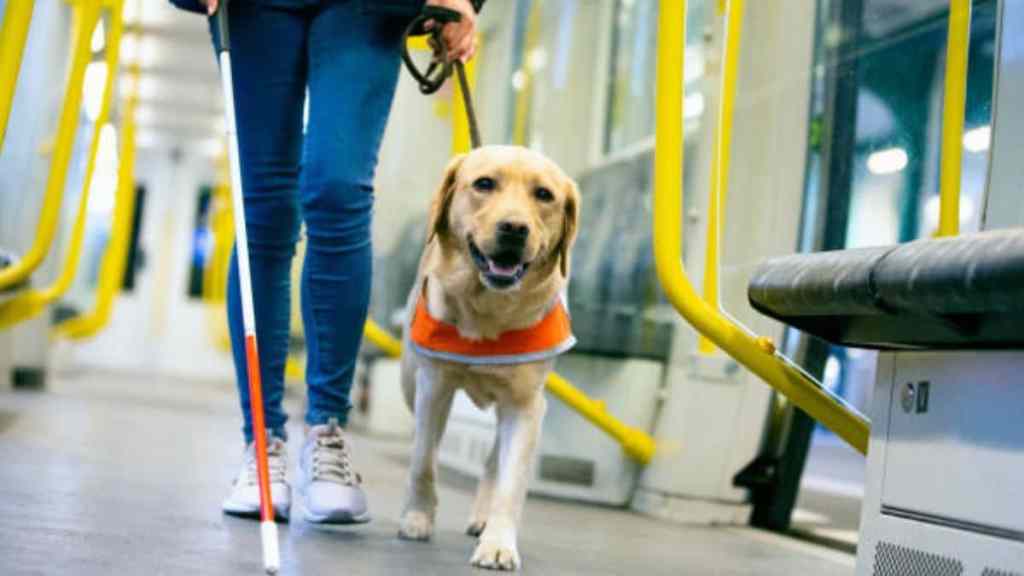
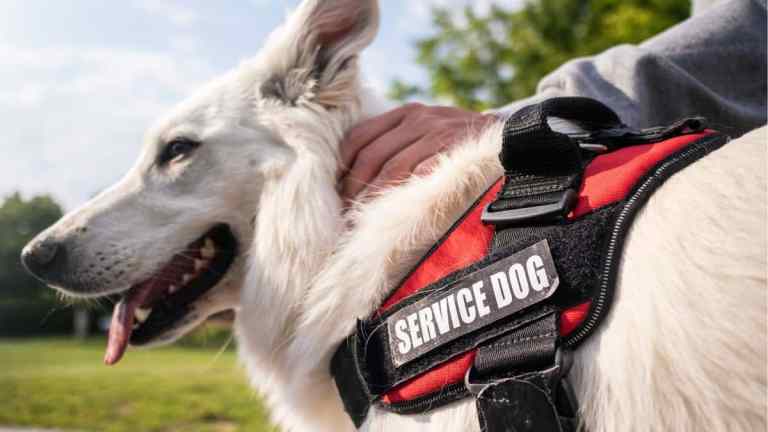
Registered assistance dogs are permitted on all UK public transport, including coaches, trams, buses, tubes, and trains. They are legally protected under the Equality Act 2010, and cannot be refused.
Final Thoughts
In 2025, the UK remains one of the most dog-friendly countries in Europe when it comes to public transport — especially in cities like London and now Manchester.
But it’s not always consistent: some regions and companies welcome dogs, while others still enforce strict rules or bans. That’s why it pays to plan ahead, understand your local operator’s policy, and travel responsibly.
Public transport can be a great way to explore new places with your dog. With a little patience and preparation, your pup can be just as comfortable on the bus or tube as they are on a walk around the park.