Most dog lovers have heard the phrase “breed standard,” especially around events like Crufts or when browsing Kennel Club listings. But what does it actually mean? How does it affect breeders, buyers, and everyday pet owners? Whether you’re thinking about getting a dog or just want to understand the system better, this in-depth UK guide will walk you through everything you need to know.
What Is a Dog Breed Standard?

A breed standard is a written description of the ideal specimen of a particular dog breed. It outlines the expected physical appearance, movement, and temperament of that breed and serves as a blueprint for responsible breeders.
In the UK, these standards are typically set and maintained by The Kennel Club, often in collaboration with relevant breed clubs. Each standard is unique to its breed and is used as the benchmark when dogs are judged at shows.
Breed standards include:
Example: The Labrador Retriever standard calls for a dog that is “kind, outgoing, and eager to please,” with a dense coat and a strong, balanced body.

Quick Tip
Breed standards are not laws, but they hold significant influence in the world of breeding, showing, and buying dogs.
Why Breed Standards Exist

Breed standards were created to preserve and protect the defining characteristics of each breed. Originally, most dog breeds were developed for specific working roles — herding, retrieving, guarding, etc. These jobs required dogs to have particular traits and temperaments. The breed standard helped ensure consistency.
Today, breed standards:
- Provide consistency in what defines a breed
- Allow judges to assess dogs fairly at conformation shows
- Help breeders make decisions that retain desired traits
- Act as a reference for potential dog owners wanting predictability in a dog’s appearance or behaviour
While many modern dog owners may never attend a show, these standards still influence how dogs are bred and sold across the UK.
Breed Standards vs Kennel Club Registration
There’s often confusion around Kennel Club registration and breed standards, but they’re not the same thing.
- Kennel Club registration means a dog’s pedigree has been recorded and it comes from KC-registered parents. It does not automatically mean the dog meets the breed standard.
- A dog can be registered but still fall far outside the standard in terms of size, coat, or temperament.
Important distinction:
- Dogs that closely match the breed standard may be entered into dog shows.
- Dogs that don’t meet the standard may still be KC registered but are often “pet quality.”
It’s also worth noting that KC registration is not a guarantee of good breeding or health — always check for Assured Breeder status or health testing certificates.
The Role of Breed Standards in Dog Shows
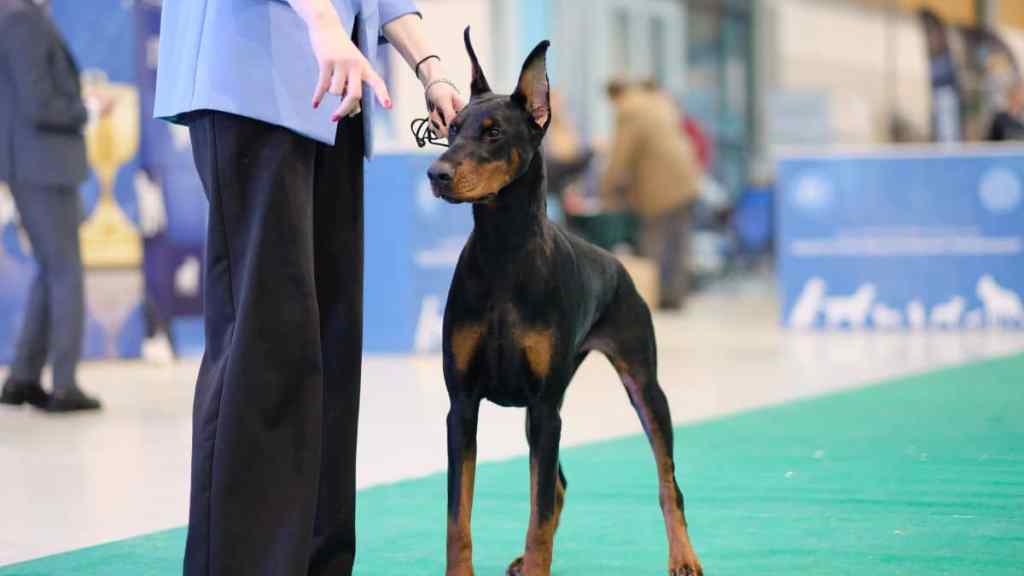
In UK dog shows like Crufts, dogs are judged based on how closely they align with their breed’s standard. Judges will assess things like structure, coat, proportions, movement, and behaviour.
Example: A Border Collie should move smoothly and look alert, with a moderately long body.
Example: A French Bulldog should have bat-like ears and a compact, muscular body.
The dog that most closely matches the ideal standard in its breed class may go on to compete for group placements and Best in Show.
Quick Fact
Showing dogs is less about tricks and more about conformation — structure, balance, and expression.
The Controversy Around Breed Standards

Breed standards are not without criticism. In some cases, certain traits described in breed standards have been linked to health issues — especially when they encourage extreme features.
Health concerns linked to breed standards:
- Flat-faced breeds (like Pugs or Bulldogs) bred for short muzzles may suffer from breathing difficulties (BOAS).
- German Shepherds bred with overly sloping backs can develop hip issues.
- Shar Peis with excessive skin folds are prone to skin infections.
In recent years, The Kennel Club has revised several breed standards to discourage exaggerations that may harm dogs. There’s growing pressure from vets and welfare groups to prioritise health and function over aesthetics.
Ethical breeders aim to strike a balance between maintaining breed type and ensuring good health. Puppy buyers should always ask about health testing, not just pedigree papers.
Do Breed Standards Matter If You’re Not Showing Dogs?
Yes — and no.
If you’re simply looking for a loving companion, you might not care about things like tail set or gait. But breed standards can still be useful because:
- They give you a rough idea of what to expect in terms of size, temperament, and exercise needs
- They help distinguish between ethical breeders and those just producing puppies for money
- They can help you avoid surprises — especially if you want a specific type of dog
However, a dog doesn’t need to match the breed standard to be a great pet. Many “pet quality” pedigree dogs make wonderful companions.
Quick Tip
If predictability is important to you — such as wanting a low-shedding or kid-friendly dog — breed standards can help guide your decision.
Should Breed Standards Change With Time?

Yes — and many already are.
As society evolves, so do our lifestyles and values. Features once prized in show rings (like an extremely flat face or a narrow waist) may no longer be appropriate in light of modern welfare knowledge.
The Kennel Club has started modernising breed standards to:
Breed clubs and welfare groups often work together to propose revisions. However, some breeders still resist change — especially if it affects show outcomes or traditional ideals.
Quick Fact
In 2009, the BBC dropped coverage of Crufts after concerns about exaggerated breed traits and health issues in show dogs. This prompted a wave of reforms in the UK.
FAQs
Final Thoughts: Do Breed Standards Matter?
Breed standards can be incredibly helpful — especially if you’re interested in showing dogs or want predictability in your pet. They preserve the traits that define our beloved breeds and help maintain consistency across generations.
But they shouldn’t be treated as sacred rules.
A dog that doesn’t meet its breed standard isn’t “less than” — it might just be a better fit for life as a family pet than a show ring. What matters most is choosing a healthy, happy, well-adjusted companion who fits your lifestyle.