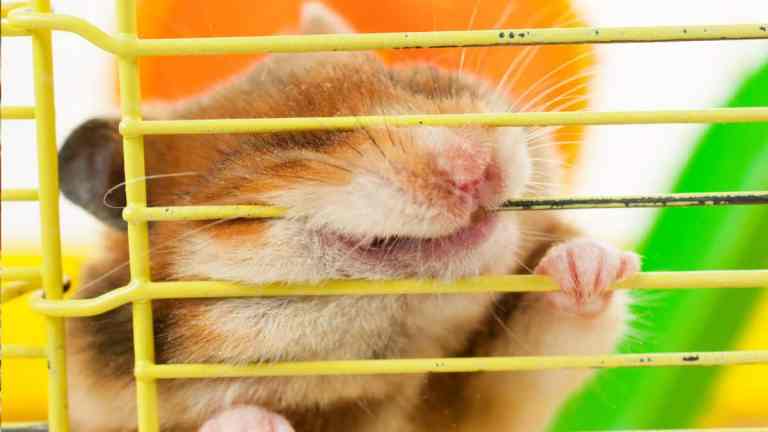
Guinea pigs are highly social animals and should not live alone. They need the companionship of their own species to thrive emotionally and physically. Keeping a single guinea pig, even with lots of human attention, can lead to loneliness, stress, and long-term health problems.
Why People Think Guinea Pigs Can Live Alone
It’s easy to understand the confusion. Some pet shops still sell guinea pigs individually. Others may suggest that a single guinea pig with lots of human interaction is “enough.” And of course, many owners simply don’t know how social guinea pigs really are — especially if they’re used to more solitary pets like hamsters or reptiles.
But here’s the truth: guinea pigs are not solitary animals. In fact, they’re the complete opposite.
What Science and Animal Welfare Say
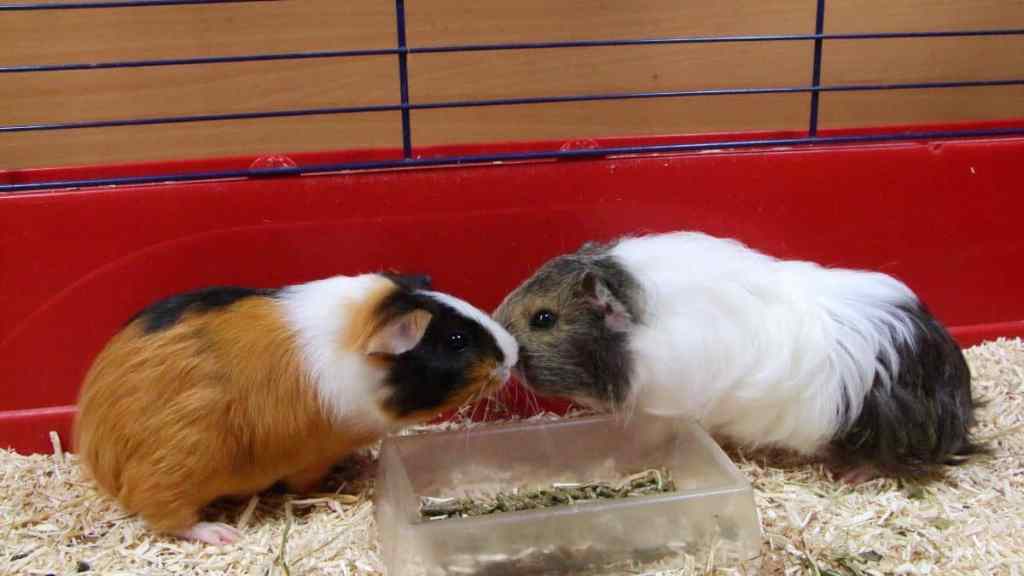
Guinea pigs are social by nature
In the wild, guinea pigs live in herds. They form strong bonds, communicate constantly, and rely on social interaction to feel safe. This hasn’t changed just because they live in our homes.
The RSPCA, Blue Cross, and PDSA all agree: guinea pigs should always be kept in compatible pairs or small groups.
Being alone can cause serious issues like:
It’s not about “company in the room” — guinea pigs need another pig they can snuggle up to, groom, and communicate with in their own language.
“But I Give My Guinea Pig Lots of Attention”
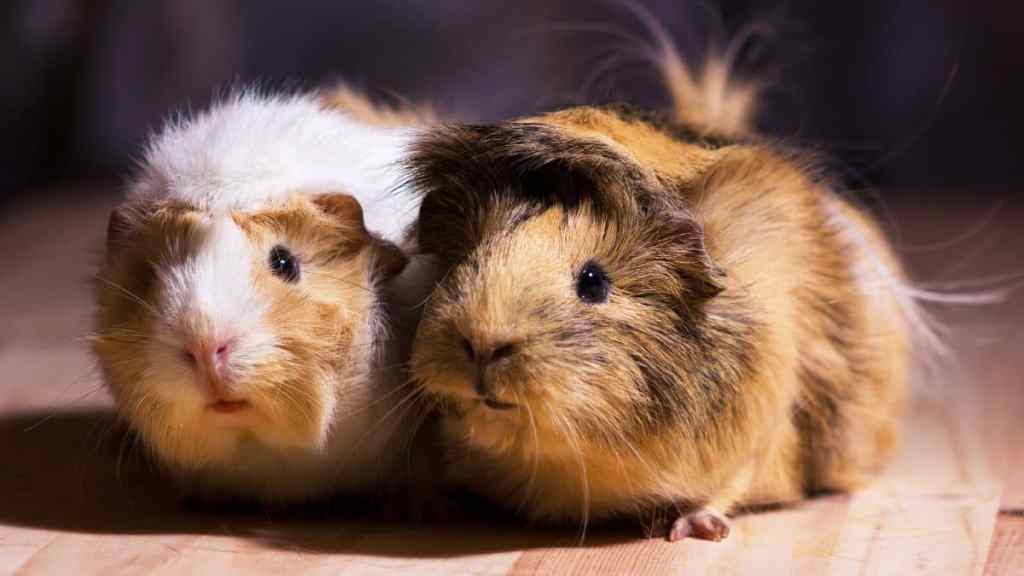
Why humans can’t replace another guinea pig
Of course you love your guinea pig. You may sit with them every day, talk to them, and offer toys and enrichment. And that’s brilliant. But you’re not a guinea pig.
You can’t mimic the subtle body language, scent cues, vocal signals, or round-the-clock companionship another guinea pig offers. Even the most doting human can’t meet all of those emotional needs.

Quick Tip
If you already have a lone guinea pig, don’t feel guilty. Many people start off this way — the important thing is knowing better now, and being open to improving their life moving forward.
Is It Ever OK for a Guinea Pig to Live Alone?
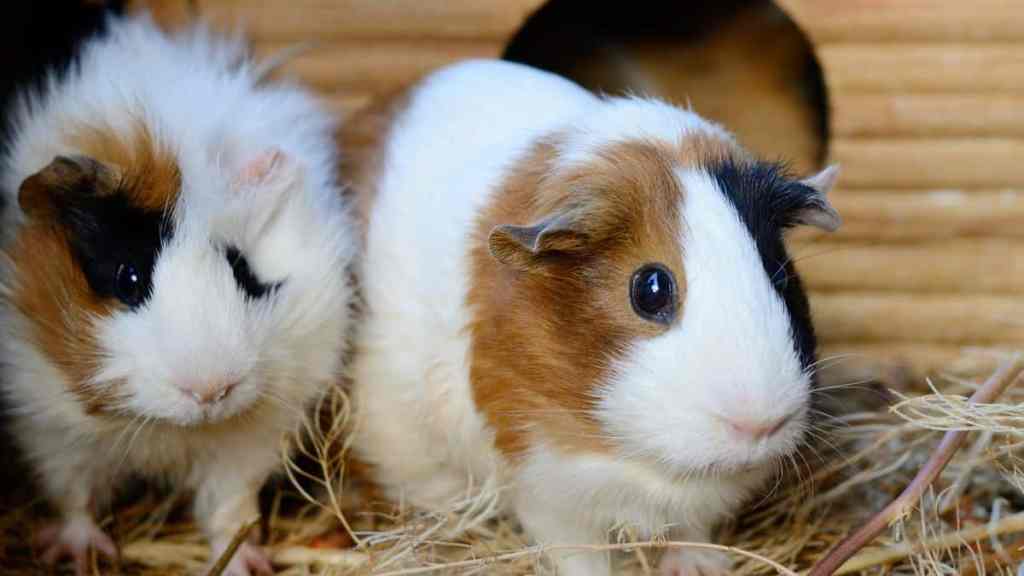
There are very few exceptions where living alone might be temporarily necessary:
- After a bonded companion passes away (while searching for a new friend)
- On vet advice, due to extreme aggression or contagious illness
- In rescue centres, where pairings must be done safely and gradually
Even then, these situations should be short-term only. A guinea pig left alone for weeks or months — even if well cared for — is likely to suffer emotionally.
How to Introduce a Companion Guinea Pig
Finding the right match
Guinea pigs need to be carefully introduced to avoid stress or fighting. The best combinations are usually:
- Two females
- A neutered male and a female
- Two males (only if introduced while young and carefully monitored)
Never just “pop another pig in” — introductions must be done gradually and on neutral ground, ideally under the guidance of a rescue or experienced owner.
Adopt, don’t shop
Reputable rescues in the UK often have pre-bonded pairs ready for adoption, or offer bonding services for single pigs. This is safer, more ethical, and helps reduce the number of guinea pigs needing homes.
Caring for a Pair or Group: Is It More Work?
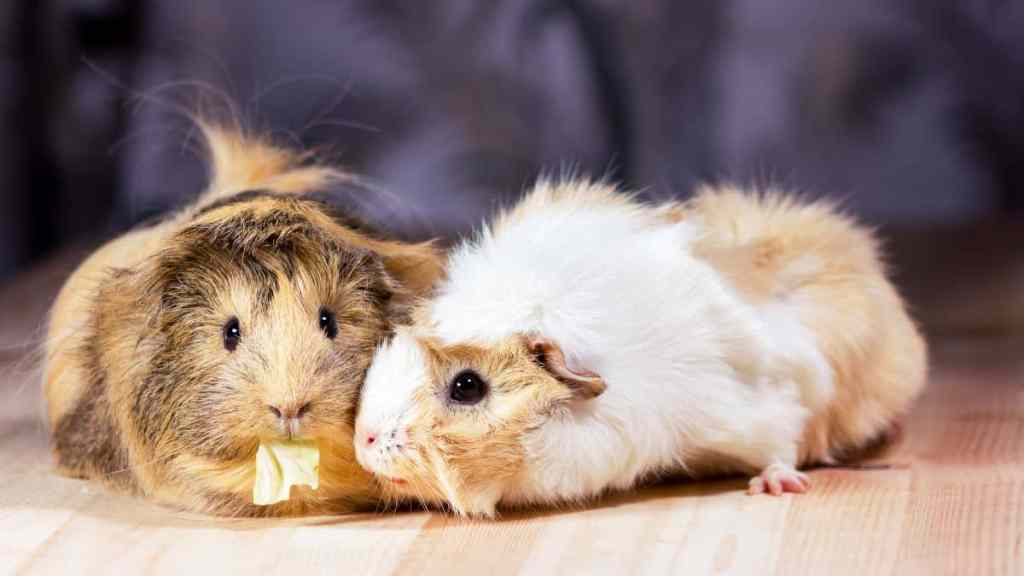
Not really. Guinea pigs are naturally tidy and benefit from shared routines. In fact, in many ways, two pigs are easier than one.
The benefits of keeping pigs in pairs include:
- Less loneliness and stress
- More natural behaviour (foraging, grooming, vocalising)
- Better mental stimulation
- Less reliance on human attention
- Healthier eating and sleeping patterns
Your cleaning, feeding, and interaction time will barely increase — but your guinea pigs’ quality of life will improve dramatically.
What If My Guinea Pig Has Lived Alone for a Long Time?
It’s never too late to consider a companion. Even older guinea pigs can bond with the right friend — and many rescues specialise in matching pigs of different ages.
Signs your lone guinea pig may be lonely:
- Listlessness or disinterest in food
- Increased hiding or sleeping
- Over-vocalising
- Chewing cage bars or acting frustrated
- Clinginess when you’re around — followed by silence when you leave
You may be surprised how quickly a once-withdrawn guinea pig perks up with a gentle companion. Always introduce slowly and monitor closely — but the transformation can be life-changing.
Can Guinea Pigs Live Alone? Key Points
Quick Check List:
Final Thoughts
So — can guinea pigs live alone? Technically, yes. But ethically, they shouldn’t. Guinea pigs are herd animals with deep social needs. Even the most loving human home can’t replace the comfort and security of a bonded cage mate.
If you’re caring for a single guinea pig, the kindest thing you can do is look into adding a friend. With careful introductions, expert advice, and a bit of patience, you can give your pig the one thing they can’t get from you: another pig to be a pig with.