Hamsters are endlessly fascinating little creatures. From midnight zoomies to stuffing their cheeks like furry hoarders, they keep us guessing. But sometimes, their quirks leave you wondering… is that normal?
If your hamster’s been stashing snacks in their bedding or exhibiting other odd behaviours, don’t worry — you’re not alone, and it’s usually nothing to panic about. In this guide, we’ll walk you through the most common curious hamster behaviours and what they really mean.
🐹 Why Do Hamsters Stash Food in Their Bed?
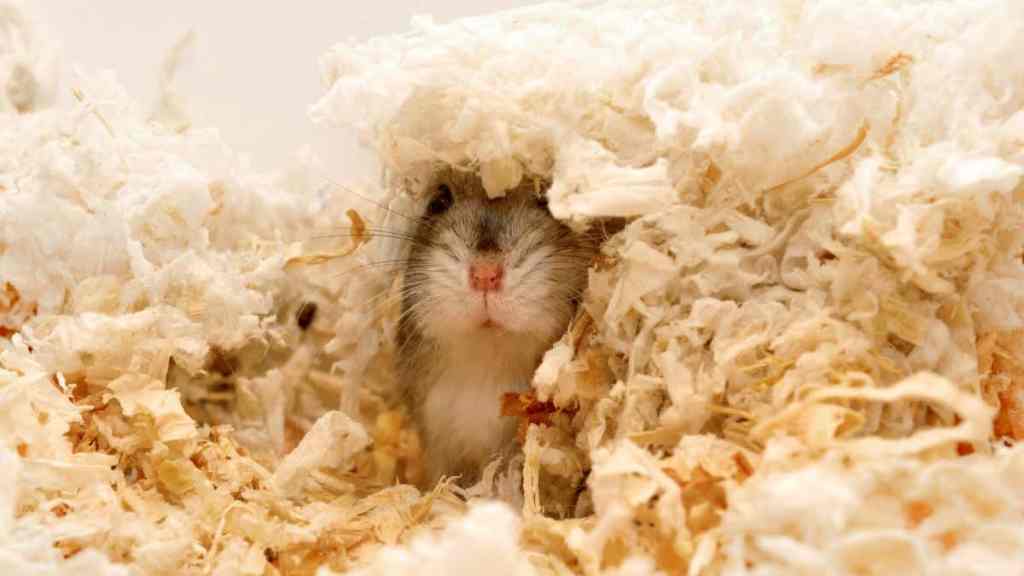
If you’ve caught your hamster tucking seeds into their bedding like a midnight snack hoarder, you might be wondering if it’s something to worry about. Good news — it’s completely normal. In fact, it’s instinct.
Hamsters are natural foragers and hoarders. In the wild, they spend their nights gathering food and stashing it deep in their burrows to eat later. Since your pet hamster doesn’t have miles of underground tunnels, their cosy bedding becomes the next best thing. It’s warm, familiar, and smells like them — the perfect “pantry” spot.
Why the bed specifically?

Quick Tip
If you notice mouldy food or overly full stashes, reduce portion sizes slightly and scatter feed to encourage foraging instead of over-hoarding.
The Real Reason Behind Common “Weird” Hamster Behaviours
Hamsters might be small, but they come with some seriously quirky routines — and understanding these helps you meet their natural needs better. Let’s unpack some of the more unusual habits and what they mean for your hamster’s health and happiness.
Cheek Stuffing Like a Tiny Hoarder
Ever seen your hamster’s face balloon to cartoonish proportions? Those expandable cheek pouches can stretch back to their shoulders and are used to transport food, bedding, or even snacks for later. It’s one of their most natural behaviours — a built-in grocery bag!
✅ Totally normal
⚠️ Be concerned only if one pouch stays swollen — it could be impacted or abscessed, which requires a vet check.
Bar Chewing That Just Won’t Stop
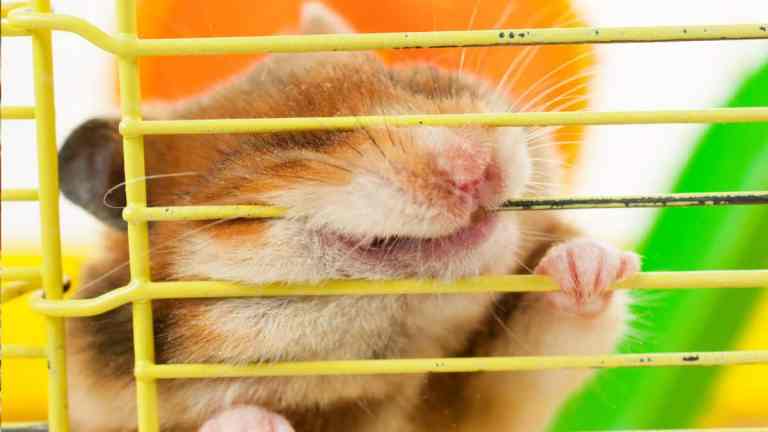
Cage bar chewing isn’t just noisy — it’s often a red flag. When a hamster repeatedly gnaws at the bars, especially at night, they’re likely trying to tell you something. This behaviour is linked to:
- Lack of enrichment or stimulation
- Frustration from a cage that’s too small
- Instinctual need to escape or wear down teeth
If you’ve ruled out dental problems, it’s time to reassess the setup. A hamster chewing bars is rarely a happy hamster.
💡 Solution: Upgrade to a larger, bar-free enclosure (like a tank or bin cage) with deeper bedding and more variety.
Corner-Digging Like Their Life Depends on It
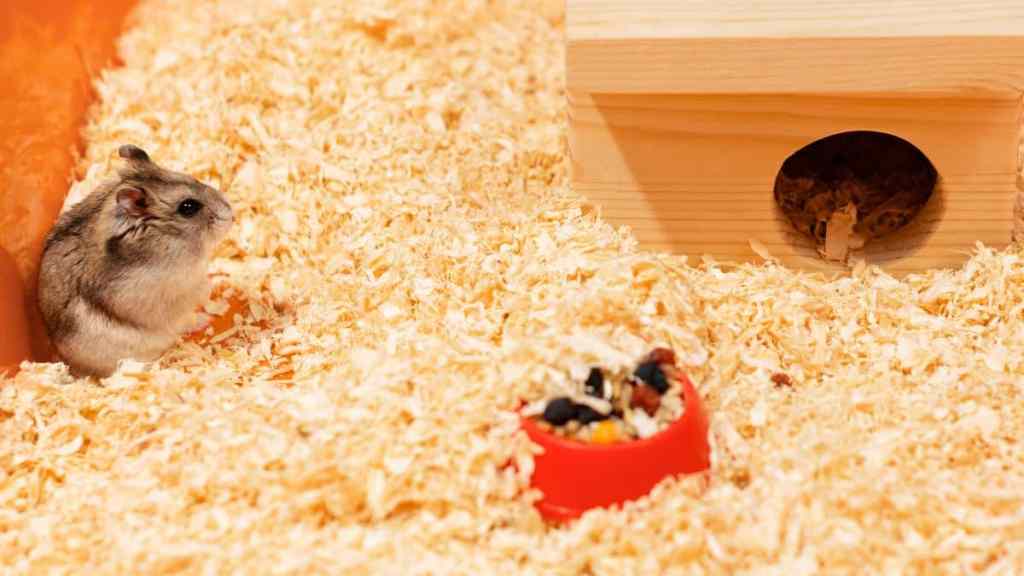
All hamsters dig — it’s what they’re born to do. But when they obsessively scratch at the same spot, especially in a shallow cage, it can be a sign that the bedding isn’t deep or satisfying enough.
Aim for a minimum of 15–20cm of diggable substrate across a large portion of the cage. Try mixing in hay, shredded tissue, or dried moss to help tunnels hold and stimulate natural burrowing behaviours.
Cage Climbing: Acrobat or Escape Artist?
Hamsters climbing the sides or top of their cage can be amusing to watch, but this behaviour usually signals more than just curiosity. While some climbing is natural, especially in young or energetic hamsters, persistent attempts to scale the bars can mean:
- Boredom – not enough variety in the enclosure
- Stress – particularly in small or loud environments
- Desire to escape – when their enclosure feels too restrictive
💡 What to do: Add more vertical features like platforms or hanging toys, provide regular out-of-cage time, and make sure their cage size exceeds the UK minimum of 80 x 50cm.
All-Night Zoomies (And Daytime Snoozing)
Hamsters are crepuscular, meaning they’re naturally active during dusk and dawn — and often through the night. Zoomies, wheel sprints, or even redecorating their cage at 2 a.m. are completely normal.
However, if your hamster is unusually sluggish during their active hours or not responding to enrichment, it could be worth a closer look.
🛌 Don’t disturb them during the day — sleep is crucial for their health and stress levels. Just make sure they’re active and engaged during their preferred hours.
Sprinting, Popping, and Sudden Energy Bursts
Ever seen your hamster do a quick dart across the cage, bounce off a hide, and freeze in place? That sudden jolt of energy, sometimes called “popcorning,” is common — and usually just means your hamster is feeling playful or stimulated.
These little bursts are more common in young hamsters or after a fresh cage rearrangement. Think of it like a hamster version of a happy dance.
✅ Totally normal
⚠️ Only a concern if it’s paired with disorientation, wheezing, or signs of stress
Licking the Bars, Walls, or Corners
Licking can look strange, but in small doses, it’s usually harmless. Reasons your hamster might do this include:
- Exploring new smells
- Searching for moisture
- Lacking minerals (a salt lick or mineral block can help)
- Stress or obsessive behaviour if it becomes constant
💧 Check their water bottle daily for clogs or low flow — dehydration can sneak up quickly.
Supporting Natural Instincts (Without Letting Things Get Weird)

Understanding hamster behaviour is about working with their instincts, not against them. These creatures thrive in spaces that mimic the wild — which means they need more than a wheel and a food bowl.
To help your hamster express their natural behaviours safely and positively:
- Bedding depth: At least 15–20cm across most of the cage
- Enrichment: Rotate toys and hideouts every 1–2 weeks
- Nest materials: Plain toilet paper is better than any “fluffy” bedding
- Foraging opportunities: Scatter feeding and shreddable items make meals more rewarding
- Wheel size: 28cm+ for Syrians, 20cm+ for dwarfs — solid surface only
Quick Tip
Even if your hamster seems content, changing things up from time to time keeps them engaged and reduces boredom.
When to Worry: Red Flags That Need a Vet’s Eye

Most quirky behaviours are nothing to stress over — but occasionally, something more serious may be going on. If you notice any of the signs below, don’t delay getting expert advice.
Signs your hamster might need veterinary attention:
If anything feels off — even if you can’t quite put your finger on it — trust your gut. A quick check-up can make all the difference.
Hamster Behaviour Cheat Sheet: Normal or Not?
For quick reference (or to screenshot and save), here’s a behaviour breakdown you can use when you’re not sure what’s typical or what’s trouble.
|
Behaviour ❓ |
What It Means |
Should You Worry? |
|---|---|---|
|
Stashing food in their bed |
Instinctive hoarding for safety |
❌ Totally normal |
|
Cheek stuffing |
Carrying food to stash |
❌ Normal — unless pouch stays full |
|
Bar biting |
Frustration, boredom, or lack of space |
✅ Check cage size & enrichment |
|
Digging constantly |
Nesting instinct or escape behaviour |
✅ Increase bedding depth |
|
Climbing cage bars |
Curiosity or unmet enrichment needs |
✅ Add variety to their setup |
|
Nocturnal zoomies |
Crepuscular behaviour |
❌ Completely normal |
|
Licking walls or bars |
Exploring or seeking minerals |
✅ Monitor hydration and diet |
Final Thoughts
At first glance, your hamster’s odd little habits — like stashing food in their bed, climbing cage walls, or sprinting like a maniac — might seem strange, or even concerning. But in most cases, these quirky behaviours are your hamster’s way of expressing deeply rooted instincts, adapted from life in the wild to life in your home.
Understanding these behaviours isn’t just about curiosity — it’s about empathy. When you take the time to observe and learn what’s normal, what’s playful, and what’s a red flag, you become a better, more responsive pet parent. You create a space where your hamster feels safe enough to be themselves — even if that means snoozing on a mountain of snacks or turning their sand bath into a construction site.
So if your hamster prefers to sleep in their pantry, spends half the night redecorating, or occasionally goes full-on ninja across the bars, don’t panic. These aren’t faults — they’re features. What matters most is that they’ve got the room, the stimulation, and the support to do all these things safely.
Because a happy hamster isn’t just one that’s eating and sleeping — it’s one that’s hoarding, digging, zooming, and living life to the fullest in their own gloriously weird way. 🐹✨