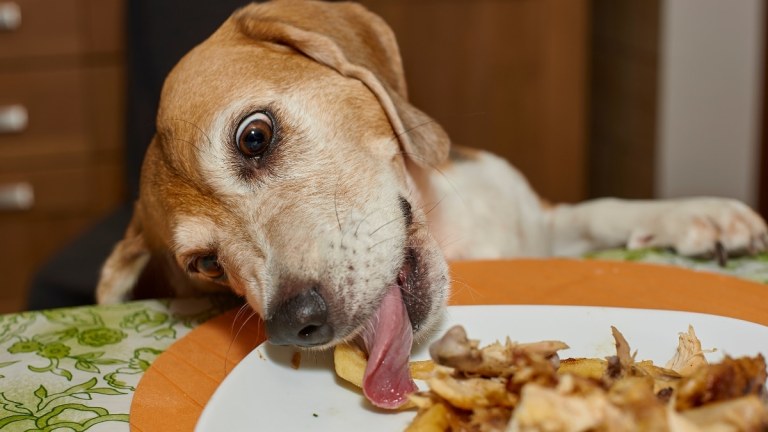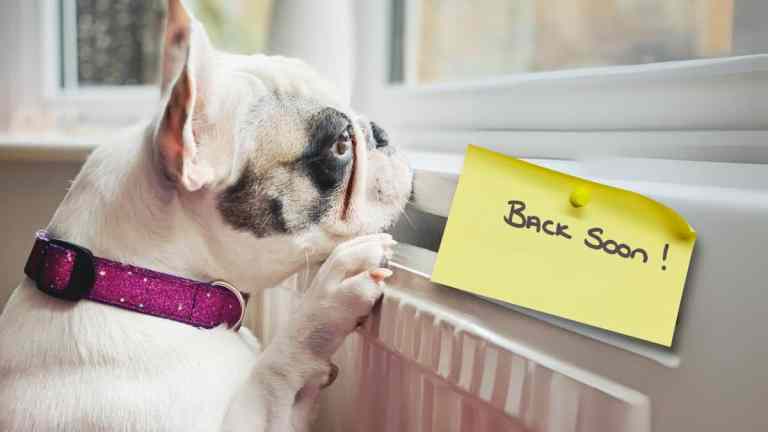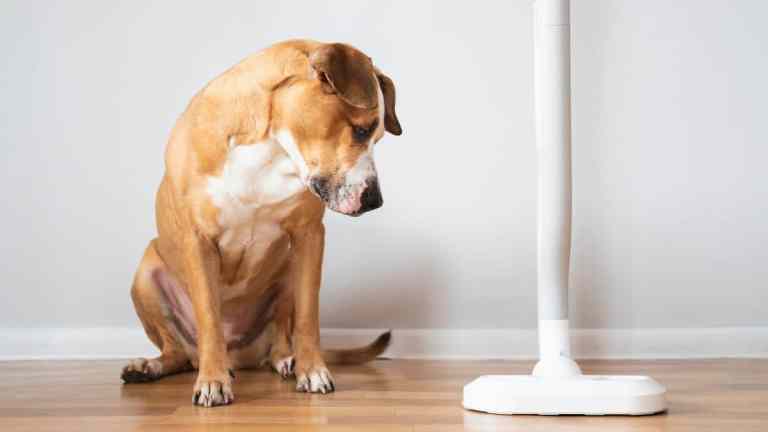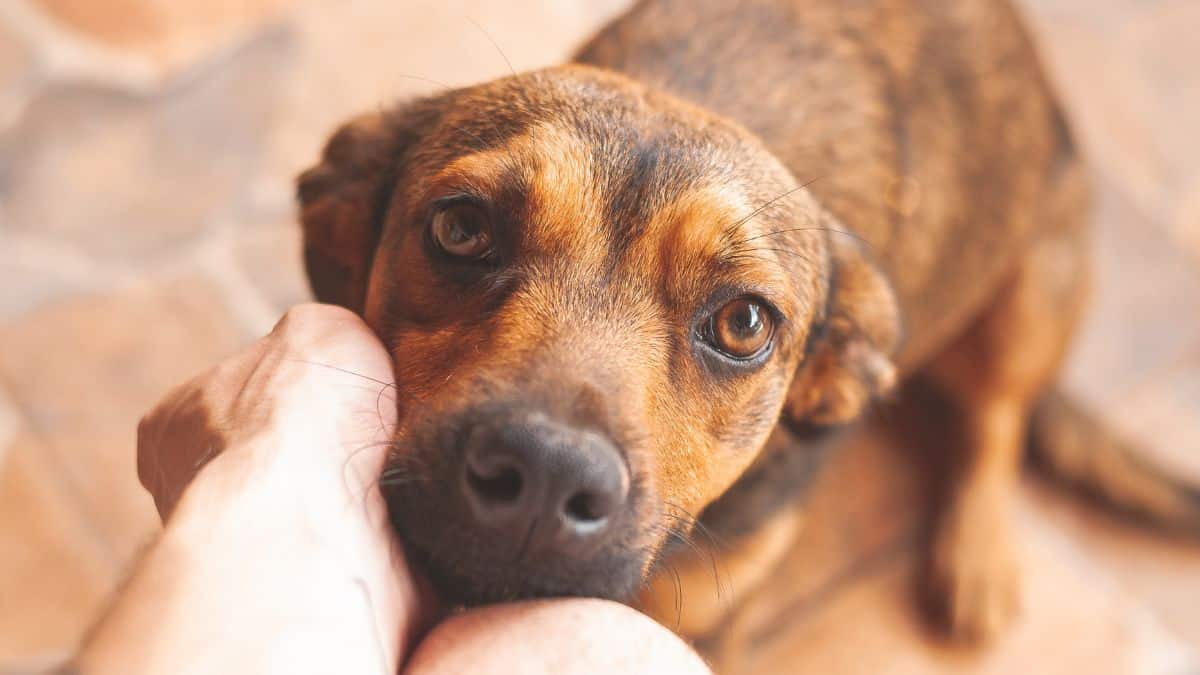
It’s late evening, you’re curled up on the sofa, and there it is again—that intense, unblinking gaze from across the room. Your dog is staring at you. Not barking. Not moving. Just… staring.
Should you be flattered? Is your dog trying to tell you something? Or are you about to be judged for finishing the last of the roast chicken?
In this ultimate FluffPost guide, we explore why dogs stare at their owners, what different types of stares mean, and when it might be a sign of something more serious. From canine communication and love to behavioural issues and medical red flags, here’s everything UK dog owners need to know about those big, soulful eyes locked on yours.
Quick Answer: Why Does My Dog Stare at Me?
Dogs stare at their owners to communicate. It could mean they want something—like food, affection, or a walk—or that they’re simply expressing love and connection. Some dogs stare to read body language or await cues, while in rarer cases, staring may signal stress, confusion, or illness.
1. Your Dog Wants Something
This is by far the most common reason for the stare. Dogs are brilliant observers. Over time, they learn that eye contact = attention. If staring at you results in a treat, a walk, or belly rubs, they’ll keep doing it.
Common “I want…” stares:
- Food or treats – especially if you’re in the kitchen or holding something edible
- Walks or outdoor time – cue the lead or coat and they’ll light up
- Playtime – expect this one if you’ve ignored their toy drop
- Your attention – maybe you’ve been staring at your phone too long…

Quick Tip
If your dog’s stare is soft, calm, and paired with tail wags, they’re probably asking nicely. If it’s more intense with pacing or whining, the request might be more urgent.
2. Your Dog Is Bonding With You

Yes—dogs stare to show affection. In fact, mutual eye contact between you and your dog can release oxytocin, the same hormone that helps mothers bond with their babies. It’s often referred to as the “love hormone.”
So if your dog looks at you with relaxed eyes, perhaps during a cuddle or quiet moment, they’re likely just telling you: “I love you.”
Signs your dog is bonding through eye contact:
- Soft, slow blinking
- Calm body language
- Relaxed ears and tail
- No expectation of action (they’re just being with you)
3. Your Dog Is Waiting for a Cue
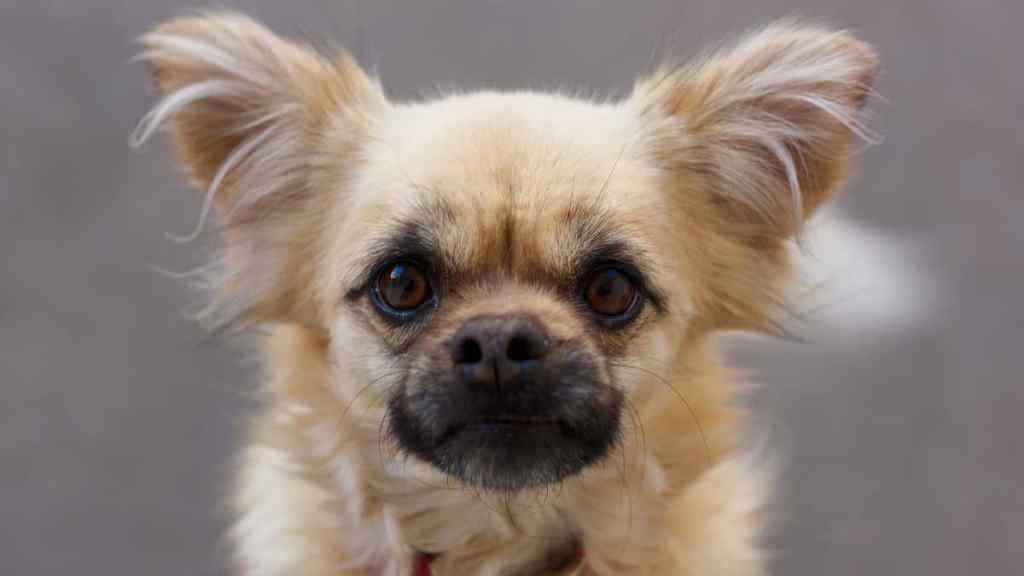
Dogs are incredibly attuned to their owners’ body language. If your dog is staring at you while standing or sitting alert, they may be waiting for a command, signal, or routine cue.
Situations where this is common:
- Before a meal – waiting for “okay” to eat
- Before going out – waiting for the lead or door to open
- During training – awaiting a hand signal or treat
- While walking – checking in for guidance
In many cases, this means your training is going well! A dog that checks in regularly is one that’s engaged, responsive, and trusting.
4. Your Dog Is Confused or Anxious
Sometimes, staring is a sign your dog is trying to make sense of something—or is feeling unsure.
This might happen if:
- You’re acting differently (e.g. new clothes, different routine)
- They’ve heard a sound they can’t locate
- They don’t understand a command
- They feel overwhelmed by a situation (e.g. new environment, visitors)
Look for context clues: tense body posture, lip licking, yawning, or paw lifting can indicate confusion or low-level stress.
Quick Tip
In these cases, respond gently—reassure them, repeat commands clearly, or remove them from overwhelming environments.
5. Your Dog Is Trying to Manipulate You (Yes, Really)
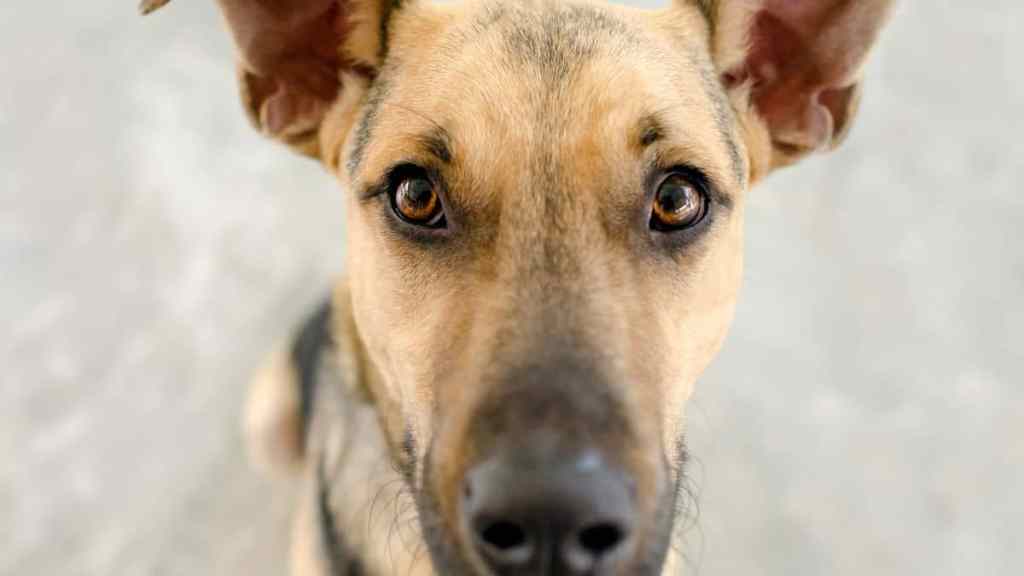
Dogs are clever. Some learn that a long, soulful stare gets them what they want—whether it’s your dinner, the sofa spot, or the last word. This isn’t “bad behaviour”—it’s learned communication. You’ve accidentally taught them that a long stare leads to a reward.
To stop reward-based staring:
- Be consistent. Only respond when it’s on your terms
- Use commands to redirect (“bed” or “sit”)
- Avoid giving in to guilt-induced eye contact during dinner!
6. Is Your Dog Staring Aggressively?
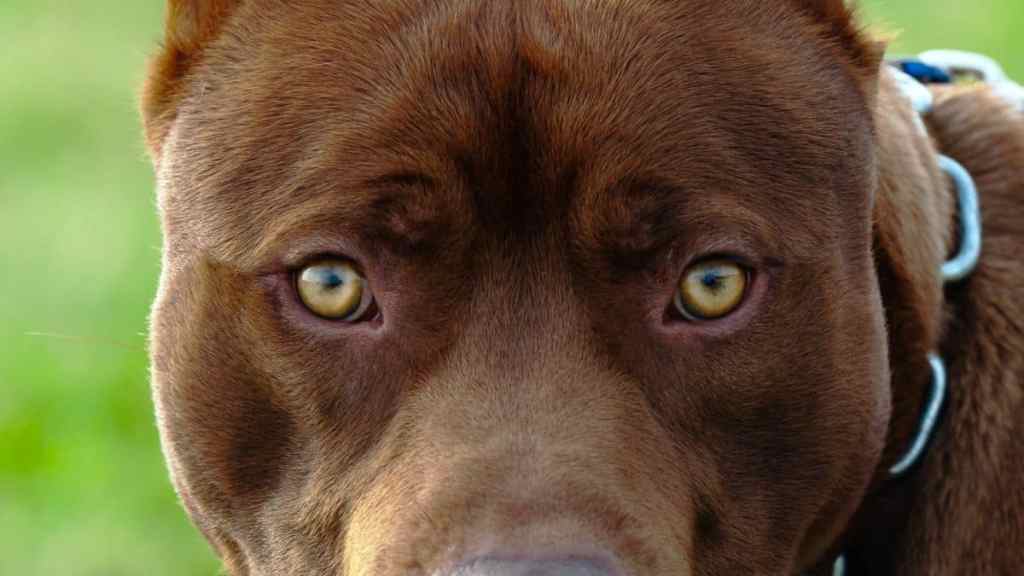
Here’s where it gets serious. Not all staring is affectionate or curious. In rare cases, a dog’s hard, unblinking stare—especially with a stiff body—can signal aggression, guarding, or fear.
Warning signs of an aggressive stare:
- Fixed, unblinking eyes
- Tense or frozen posture
- Closed mouth, furrowed brow
- Growling or lip curling
‼️ If you see these signs—especially near food, toys, or strangers—back off and don’t challenge the dog. This could be resource guarding or fear-based behaviour that requires professional help.
7. Older Dog Staring Could Be a Medical Issue
If your senior dog is suddenly staring into space, walls, or even at you more than usual, it could be a sign of canine cognitive dysfunction (doggy dementia).
Signs to look out for:
- Disorientation or “zoning out”
- Changes in sleep or toileting patterns
- Pacing, whining, or night-time restlessness
- Lack of response to name or cues
Quick Tip
Always speak to your vet if your dog’s staring feels “off” or is accompanied by other behavioural changes.
8. Can I Stare Back at My Dog?
In most cases, yes—but do it gently. Soft, calm eye contact can be part of positive bonding. But hard, direct staring—especially over a dog’s head—can feel threatening to some dogs, particularly rescues or those with trauma history.
Safe ways to engage:
- Blink slowly while making eye contact
- Speak softly to reinforce the bond
- Break eye contact occasionally to keep things relaxed
Final Thoughts: What to Take from Your Dog’s Stare
Your dog’s stare is rarely random. Whether they want a treat, a cuddle, or just a bit of your attention, that eye contact is their way of connecting with you.
- They’re confused – and looking for guidance
- They’re manipulating you – with charm, not malice
- They’re stressed or aggressive – rare, but serious
- They’re unwell – especially in older dogs
Watch the context. Read their body language. And remember—when in doubt, it’s usually just love wrapped in a stare.