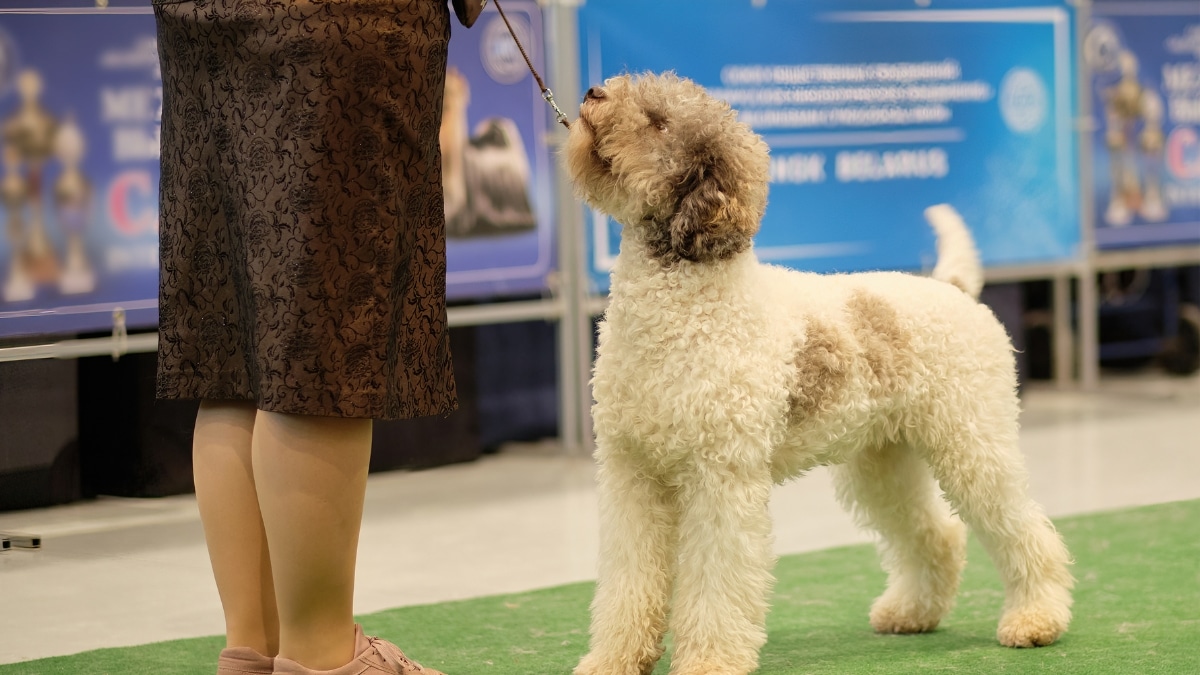
If you’ve ever watched a prestigious dog show like Crufts, you might have noticed that many dogs have elaborate, multi-word names that differ from the simpler names their owners use daily. These lengthy monikers aren’t just for show; they carry significant meaning within the world of pedigree dogs. Let’s delve into why these names are so intricate and what they signify.
Understanding Kennel Club Naming Conventions
The Role of Kennel Names
A kennel name serves as a prefix or suffix in a dog’s registered name, indicating the breeder’s establishment. It’s a mark of origin and pride, much like a surname in human culture. For instance, if a breeder’s kennel name is “Whimsical,” a puppy they breed might have a registered name starting with “Whimsical,” such as “Whimsical’s Brave Knight.” This practice not only showcases the breeder’s identity but also helps trace the dog’s lineage.
Structure of Registered Names
Registered names often follow a specific structure:
- Kennel Prefix: The breeder’s registered kennel name.
- Individual Name: A unique name chosen by the breeder or owner.
- Kennel Suffix (optional): If the dog is co-owned or has been transferred, the new owner’s kennel name might be added at the end.
For example, “Whimsical’s Brave Knight of Sunnydale” could indicate that the dog was bred by Whimsical Kennels and is now associated with Sunnydale Kennels.
Naming Rules and Restrictions
To maintain uniqueness and avoid confusion, kennel clubs have specific rules:
- Length: Names must be more than one word but not exceed 24 letters, including the kennel name.
- Uniqueness: Duplicate names within the same breed are not permitted.
- Content: Names cannot include numerals, initials, or the owner’s surname. Additionally, names that conflict with an approved kennel name granted to another person are not accepted.
These guidelines ensure that each registered name is distinctive and traceable.
Purpose Behind Elaborate Names
Distinguishing Identity
In the world of pedigree dogs, especially those participating in shows or breeding programmes, a unique registered name is crucial. It helps in accurately identifying and differentiating dogs, particularly when multiple dogs might share common call names like “Max” or “Bella.”
Reflecting Lineage and Achievements
An elaborate name can encapsulate a dog’s heritage and accomplishments. For instance:
- Lineage: Including the names of sire and dam or notable ancestors.
- Achievements: Incorporating titles or accolades, such as “Champion” or “Grand Champion.”
For example, “GCH Whimsical’s Noble Heart” indicates that the dog has achieved the Grand Champion title.
Thematic Naming
Breeders often use themes for naming litters, making it easier to track and remember. Themes can range from gemstones to literary characters. For instance, a litter might be named after celestial bodies: “Whimsical’s Star Voyager,” “Whimsical’s Lunar Eclipse,” etc.
Funny and Unusual Registered Dog Names (For Fun!)
Some pedigree dogs have hilariously extravagant names, whether officially registered or creatively imagined for fun. While the following names are not confirmed real registrations, they reflect the whimsical and playful nature often seen in the world of dog naming. Here are a few real examples from dog shows:
- “Bumbleberry Crumpet of Wensleydale” – A name that sounds as British as it gets.
- “Waggerland Whirlwind” – Perfect for an excitable pup.
- “Sir Lancelot of Puddleby” – A regal-sounding name for a distinguished dog.
- “Duchess Flopsy McSniff” – A playful mix of aristocracy and fun.
While these names may seem over the top, they follow kennel club rules and make each dog uniquely identifiable.
Call Names vs. Registered Names: Choosing the Right Everyday Name
While a dog might have a grand registered name, their call name is the everyday name used at home. When choosing a call name for your dog, consider factors like ease of pronunciation, uniqueness, and how well it suits your dog’s personality. For example, “Whimsical’s Brave Knight” might simply be called “Bruno” by his family. This distinction allows for formal recognition in official settings while keeping daily interactions simple.
How to Choose a Great Dog Name
Picking a name for your dog is exciting but also a big decision. Whether you’re choosing a registered name or a call name, here are some tips:
- Keep it short and simple – One or two syllables are easiest for your dog to recognise.
- Avoid names that sound like commands – Names like “Bo” (sounds like “No”) may cause confusion.
- Consider personality or appearance – Names that reflect your dog’s traits can be a great fit.
- Try saying it out loud – You’ll be calling it a lot, so make sure it feels natural!
Final Thoughts
The tradition of giving dogs long and fancy registered names is deeply rooted in the practices of kennel clubs and breeders. These names serve multiple purposes: honouring the breeder’s identity, reflecting the dog’s lineage and achievements, and ensuring each dog’s unique identity within the pedigree system. So, the next time you hear an elaborate dog name at a show, you’ll understand the rich history and significance behind it.
🐾 Have you come across any interesting or elaborate dog names? Share your favourites in the comments below!