It’s one of the most gut-wrenching feelings any dog owner can experience. One minute your dog is right there beside you… and the next, they’ve vanished. Whether they’ve darted out of an open gate, slipped a lead in the park, or bolted in fear after a loud noise, the panic hits fast—and hard.
But here’s the good news: most dogs who run away are found within 24 hours, and there’s a lot you can do to help bring them home safely.
This guide walks you through everything UK dog owners need to know—from exactly what to do in the first 30 minutes to how to report them missing, widen your search, and prevent it from happening again.
Let’s take it step-by-step.
Quick Answer: What Should I Do if My Dog Runs Off?
Stay calm, return to the spot you last saw your dog, and call them in a calm, happy tone. Avoid chasing. Use familiar sounds like whistles or treat bags. After 15–30 minutes, begin alerting others—friends, local vets, dog wardens, DogLost UK, and online community groups. Time matters, but so does staying composed.
Step 1: Stay Calm and Return to the Spot They Disappeared
Your natural instinct may be to run and search—but the best first step is actually to pause.
Dogs who’ve bolted due to excitement, fear, or overstimulation often don’t run far, and will instinctively try to return to where they last saw their person. If you immediately chase them or shout in panic, they’re more likely to continue running out of fear.
Instead, go back to the exact spot they vanished and do the following:

Quick Tip
Give them 10–15 minutes. It might feel like forever—but this pause can stop a simple bolt from turning into a full disappearance.
Step 2: Get Help Searching—But Stay Organised
If your dog doesn’t return within 15–20 minutes, it’s time to bring in help—but without causing chaos.
Start by contacting anyone nearby who can assist with a controlled search: friends, family, neighbours, or fellow dog walkers. Give them a clear description and a precise last-seen location. Split up and cover logical routes: park paths, nearby roads, wooded trails, alleyways, or escape routes.
Quick Tip
Stay in contact. And avoid everyone calling the dog at once—this can be confusing or overwhelming, especially for nervous dogs.
Step 3: Use Scent and Familiarity to Lure Them Back
Dogs rely on scent more than sight. Even if they’ve wandered far, familiar smells can help guide them home or back to you.
Leave one or more of the following in the area where they disappeared:
- A worn piece of your clothing (jumper, T-shirt, or coat)
- Their bed or blanket
- A favourite toy
- Their lead or harness
- Scattered treats or bits of food
These scent cues act as homing signals, especially when paired with a quiet, still environment. Return to that spot regularly—many lost dogs sneak back during the night when it’s quieter and less overwhelming.
Step 4: Begin Alerting Local Services and Online Groups

If it’s been over 30–60 minutes and your dog still hasn’t returned, begin officially reporting them missing. This step helps local services and communities start looking for them too.
Start with these key contacts:
Microchip Provider
Contact your dog’s microchip database (e.g. Petlog, Animal Tracker, Identibase) and report them as lost. They can flag your pet in case someone tries to scan or re-register them.
Local Dog Warden
Every UK council has a dog warden service responsible for handling strays. Call your local council or check their website for the dog warden’s contact number. Most councils recommend also calling 101 (non-emergency police).
Vets & Animal Shelters
Call local vet practices and nearby rehoming centres like Dogs Trust, RSPCA, Blue Cross, and PDSA. Share your dog’s name, breed, age, microchip number, and a contact number.
DogLost UK
Register your dog for free at doglost.co.uk. This is the UK’s largest lost dog network, with volunteers who help post alerts, distribute posters, and coordinate searches.
Social Media
Post to:
- Local Lost & Found Pet groups on Facebook
- Local community groups in your area
- Breed-specific pages, if applicable
- Nextdoor app for neighbourhood alerts
Include:
- A clear, recent photo
- Name, breed, size, and colour
- Last seen time and location (postcode or park name)
- Your contact number
- Any identifying details (collar colour, tag info)
The more eyes out there, the better.

Step 5: Expand Your Search Strategically
As hours pass, your dog may be travelling, resting, or hiding. Expand your search methodically, focusing on areas with:
- Dense shrubbery or woodlands
- Quiet roads and car parks
- Barns, sheds, and outbuildings (especially in rural areas)
- Water sources (rivers, canals, ponds)
Speak to local dog walkers and post fliers in:
- Parks
- Pet shops
- Groomers
- Local cafés and shops
Quick Tip
Keep calling calmly, and try night-time visits—many dogs return when it’s dark and quiet.
Step 6: What If You’re Away From Home?
If your dog runs off while you’re on holiday or visiting a new place, it can feel even more overwhelming. But the steps are the same—just adapted slightly.
Make sure you:
Step 7: When to Worry—And When to Keep Hope
Not all missing dog cases are high-risk, but some situations may require extra urgency.
Less serious if:
More serious if:
Quick Tip
If you believe your dog is in immediate danger, you can also report it as a priority via 101 (police non-emergency).
Step 8: Once You’re Reunited—What to Do
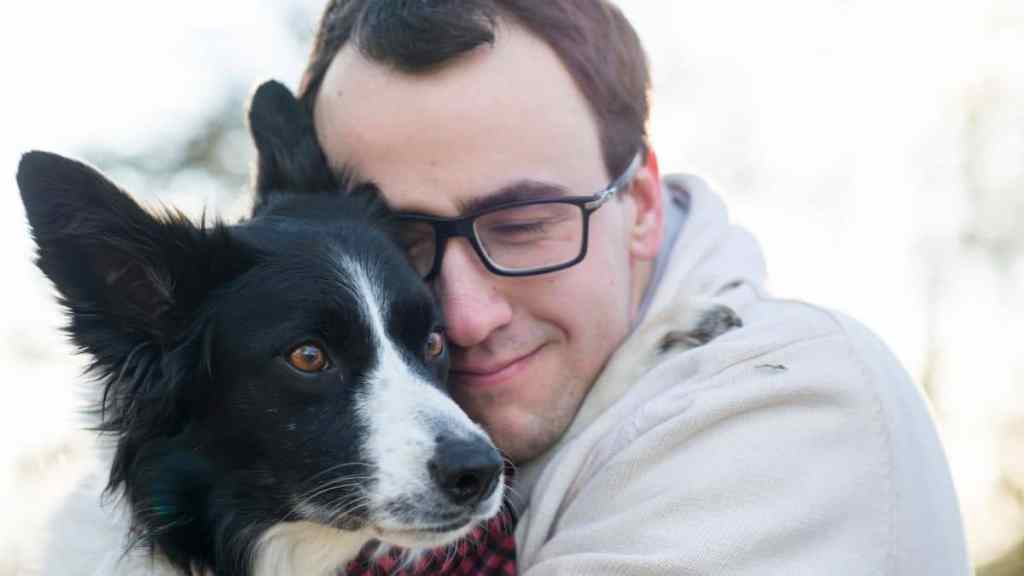
When your dog returns—whether in minutes or after a day—stay calm and positive.
Avoid punishment or shouting. Your dog doesn’t understand what they “did wrong,” and fear-based reactions can make it less likely they’ll return next time.
Instead:
- Check for cuts, ticks, or signs of injury
- Offer water and a quiet place to rest
- Contact your vet if they were gone a long time
- Update any platforms where you reported them missing
- Give them a gentle but thorough check-up over the next 24 hours
Step 9: How to Prevent It From Happening Again
While it’s not always preventable, there are key things you can do to reduce the chances of a repeat event.
Prevention strategies:
Even well-behaved dogs can bolt under the right conditions—especially if frightened by fireworks, loud bangs, or unfamiliar animals.
Final Thoughts: You’ve Got More Power Than You Think
If you’re reading this because your dog is missing—pause, breathe, and know that you’re not alone. Thousands of dogs go missing in the UK every year, and most of them make it back home safely thanks to quick action, community help, and a calm, clear-headed owner.
Stay focused. Keep searching. Trust your bond. You’ve got this.