With their deep-set wrinkles, signature scowl, and fiercely loyal nature, the Shar Pei is one of the most visually striking and unique dog breeds. But beneath those folds lies a complex history, a distinctive personality, and breed-specific care needs that every potential owner should understand. This in-depth guide explores everything you need to know about the Shar Pei — from ancient origins and physical traits to training, grooming, and long-term health considerations.
A Deep Dive into Shar Pei History
The Shar Pei’s history dates back more than 2,000 years, originating in the southern provinces of China. These dogs were originally bred as multipurpose farm companions — serving as hunters, herders, guardians, and even fighting dogs due to their loose skin, which made them difficult for opponents to grab during combat.
The breed nearly vanished during the Communist Revolution in the mid-20th century, when pet ownership was discouraged and heavy taxes were imposed. By the 1970s, the Shar Pei was listed in the Guinness Book of Records as the rarest dog breed in the world. A Hong Kong breeder, Matgo Law, famously appealed to the international community — particularly American breeders — to help save the Shar Pei from extinction. Thanks to those efforts, the breed was re-established and gained global popularity in the decades that followed.

Quick Fact
The term “Shar Pei” translates to “sand skin” — a reference to their rough, bristly coat texture.
Physical Characteristics & Wrinkle Care
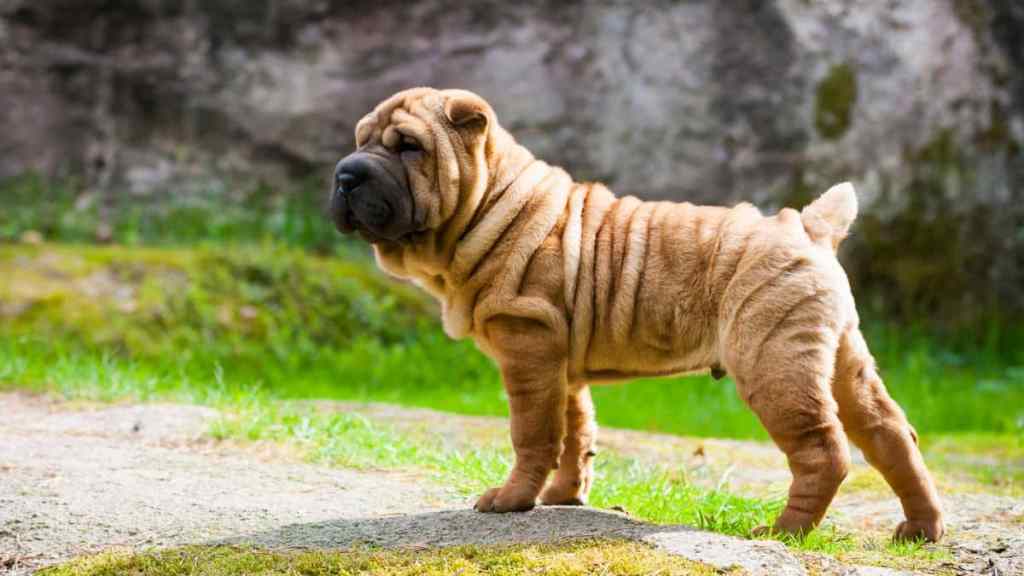
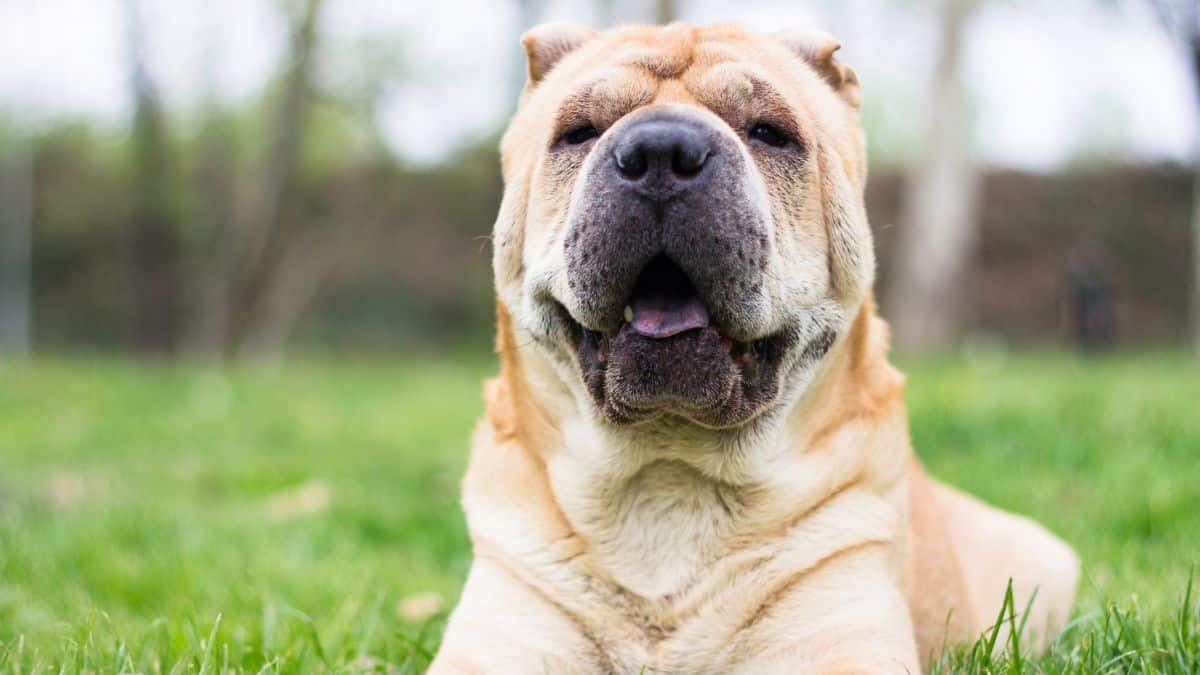
Shar Peis are instantly recognisable. Their broad muzzle and plentiful wrinkles give them a look like no other. These signature features come with their own set of challenges that owners must be prepared to manage properly.
- Loose, wrinkled skin: Especially prominent in puppies, though some wrinkling remains into adulthood, mostly around the neck and face.
- Unique head shape: Their broad skull and flat muzzle, combined with tiny, deep-set eyes, create a serious, expressive look.
- Blue-black tongue: An uncommon trait shared with the Chow Chow, believed to stem from ancient lineage.
- Coat varieties: Shar Peis come in horse coat (short, rough) and brush coat (slightly longer, softer) varieties. The bear coat is longer but not recognised by kennel clubs.
Wrinkles must be kept clean and dry to avoid infections. Neglect can lead to painful skin conditions and ongoing health issues. Extra care is needed in damp or warm environments.
Quick Tip
A soft, dry cloth or vet-approved antimicrobial wipe can be used daily to keep folds clean — particularly after walks or meals.
Personality, Temperament & Suitability

Shar Peis are known for their calm demeanour, deep loyalty, and strong independence. They’re often described as “cat-like” due to their reserved nature. They are:
Early socialisation is key. Without it, a Shar Pei’s wariness can develop into reactivity or aggression. They thrive best in homes with experienced or committed owners who understand their nature.
Quick Tip
Don’t rely on dog parks — instead, focus on controlled, positive interactions with a variety of people and calm dogs.
Common Health Issues & How to Manage Them
Shar Peis are prone to several breed-specific medical conditions. While not all individuals suffer from these problems, potential owners should be aware and prepared.
Top health concerns include:
- Shar Pei Fever (FSF): Characterised by sudden fevers, swelling of the hocks, and lethargy. May lead to Amyloidosis — a serious condition where abnormal proteins affect organ function.
- Entropion: A painful condition where eyelids roll inward, potentially damaging the cornea. Surgery is often required.
- Skin infections: Moisture trapped in folds can cause bacterial or yeast overgrowth. Regular cleaning is vital.
- Ear infections: Their narrow ear canals restrict airflow, leading to frequent infections if not kept clean.
- Hip and elbow dysplasia: Joint deformities that can reduce mobility and cause chronic pain.
Regular check-ups and preventative care make a huge difference. Always choose a reputable breeder who screens for known issues.
Quick Tip
Feed a high-quality diet and consider allergy testing — many Shar Peis are sensitive to food and environmental triggers that impact skin and coat.
Grooming, Hygiene & Coat Maintenance
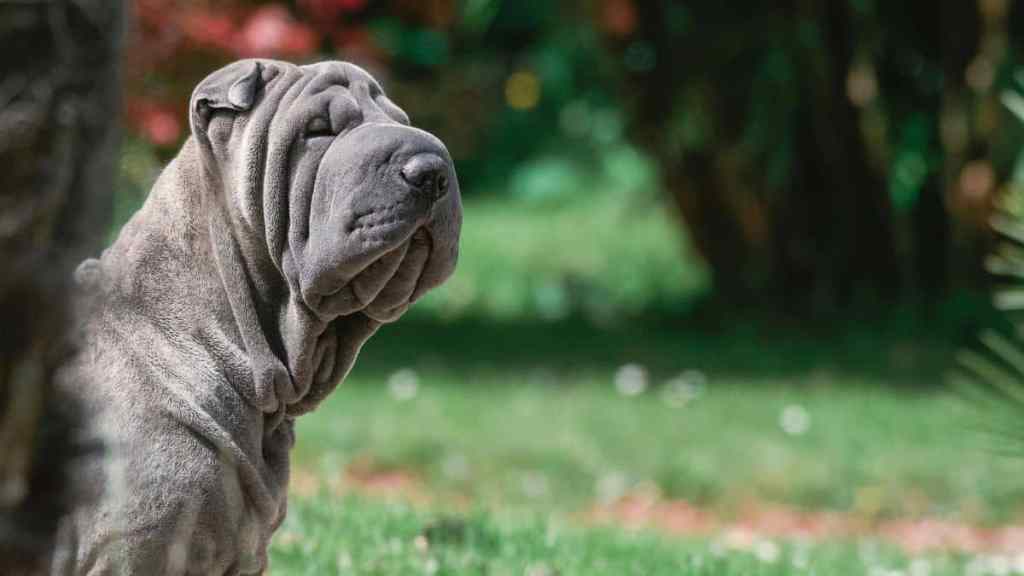
While they don’t shed excessively, Shar Peis are not maintenance-free. Grooming them properly is essential to their health.
Here’s what they need:
Quick Tip
After bathing or getting wet, use a clean towel to pat every fold dry. Dampness can lead to irritation and infection.
Exercise & Mental Stimulation
Shar Peis are not high-energy dogs, but they still need regular mental and physical activity to stay healthy.
- Daily walks (20–30 minutes) help prevent boredom and maintain weight.
- Interactive toys and puzzles are great for engaging their minds.
- Basic training sessions (5–10 minutes a day) reinforce structure.
- Access to a secure outdoor space can be a bonus but isn’t essential.
Avoid overexertion, especially in hot weather, as Shar Peis can be heat-sensitive.
Are Shar Peis Good Family Dogs?
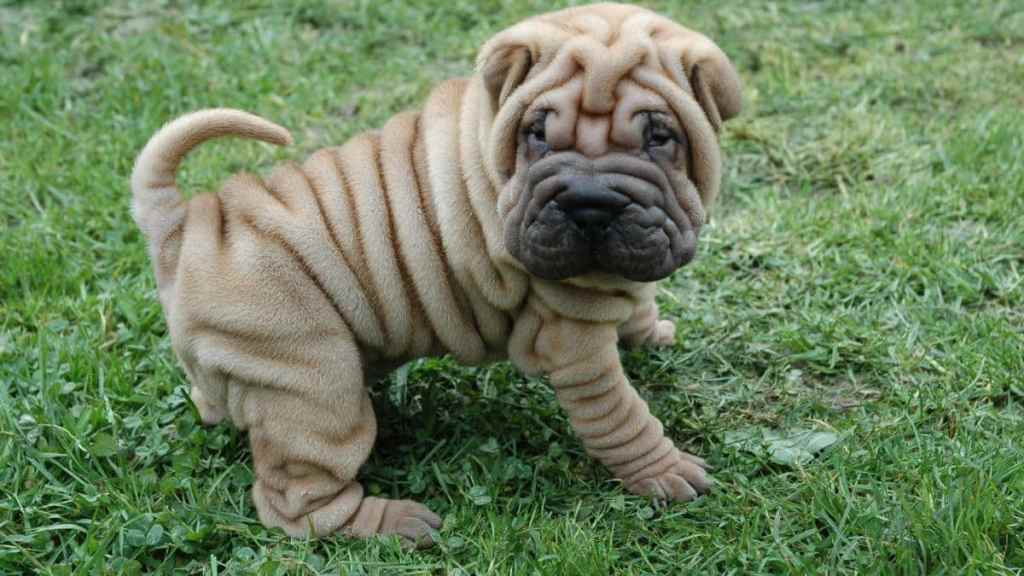
Shar Peis can be excellent family pets for the right households. Their calm nature and low need for attention make them appealing, but they are not a “one-size-fits-all” breed. They do best with:
- Adults or older children who respect boundaries.
- Owners who are patient, confident, and consistent.
- Calm households with minimal chaos.
They may not be ideal for first-time dog owners or households with lots of visitors, other pets, or unpredictable environments.
Things to Know Before You Buy or Adopt
- Not a hypoallergenic breed.
- Insurance may be more expensive due to health risks.
- Can be banned or restricted in some housing or insurance policies — always check.
- Require commitment to wrinkle care, training, and vet visits.
Quick Tip
Consider adopting a rescue Shar Pei. Breed-specific rescues can match you with a dog that suits your lifestyle and experience.
Feeding & Nutrition for Shar Peis
Shar Peis benefit from a high-quality, balanced diet tailored to their individual sensitivities. Many have food allergies, so it’s important to monitor their reactions and consult a vet if issues arise.
Quick Tip
Divide meals into two servings a day rather than free-feeding — it helps with digestion and routine.
Training Challenges & Tips
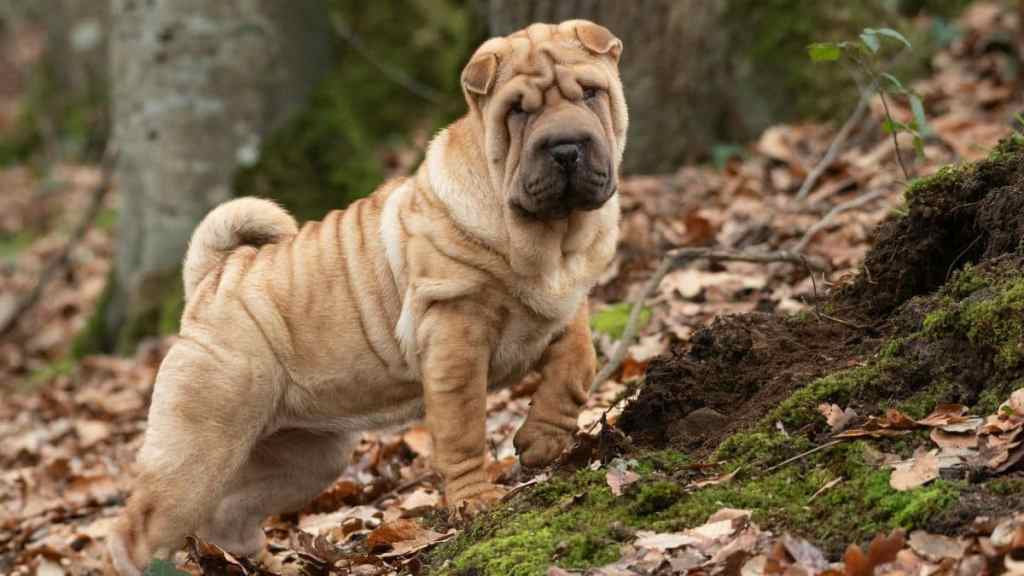
Shar Peis are smart but not always obedient. Their independent nature can be misread as stubbornness. They respond best to calm, assertive, and consistent training methods.
- Positive reinforcement works better than punishment.
- Short training sessions are more effective than long ones.
- Start early with socialisation to prevent reactivity.
- Crate training can help manage behaviour and give them a secure space.
Final Thoughts
The Shar Pei is a breed like no other — fiercely loyal, striking in appearance, and full of quiet dignity. But owning one is not without challenges. From regular grooming and wrinkle care to understanding their health risks and temperament, it’s essential to go in with your eyes open.
If you’re ready to meet them where they are — with patience, care, and informed decision-making — a Shar Pei can offer an incredibly rewarding relationship and loyal companionship for years to come.