Opening your home to a rescue cat isn’t just kind — it’s transformational. You’re not just giving a cat a second chance; you’re beginning a new chapter, filled with cautious curiosity, gradual trust, and unexpected joy.
But let’s be honest: the beginning isn’t all head bumps and purrs. It’s often quiet, uncertain, and occasionally a bit awkward. Understanding what to expect — and what your cat is going through — can make the difference between a rocky start and a beautifully smooth transition.
This guide gives you a clear, compassionate roadmap for your rescue cat’s early days — with practical tips, expert-backed insights, and the kind of honest advice you’ll wish you’d had sooner.
Quick Answer: What should I expect when bringing home a rescue cat?
Bringing home a rescue cat often means navigating an initial adjustment period marked by shyness, stress, and silence. Your cat may hide, avoid contact, or show little interest in food or play. This is completely normal. By providing a calm space, a predictable routine, and gentle interaction on their terms, you’ll build trust — and help them transform into a confident, affectionate companion over time.
The First Hours: A Brand-New World for Your Rescue Cat

Imagine waking up somewhere completely unknown — surrounded by strange smells, unfamiliar sounds, and people you don’t know. That’s exactly what your rescue cat is experiencing on their first day home.
Even confident cats often react with extreme caution during these first few hours. It’s important to set the right tone straight away: calm, patient, and understanding.
Here’s what you’re likely to see — and what it means:
Common behaviours in the first few hours:
• Nervousness or hiding
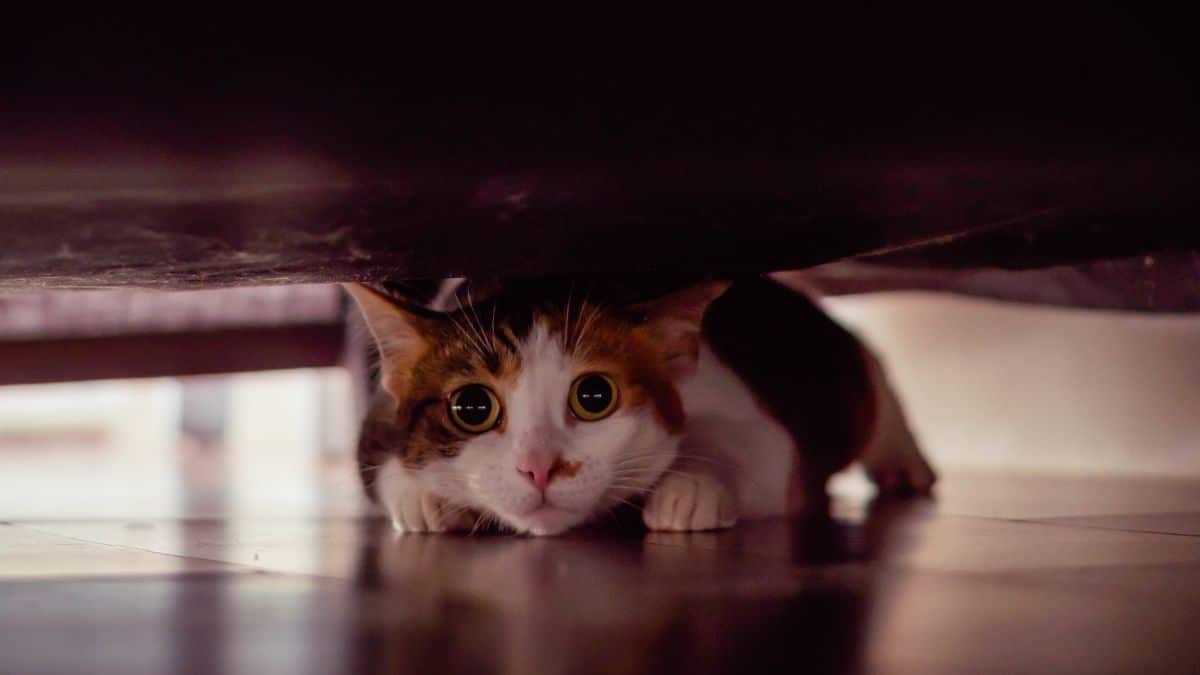
Your cat may immediately disappear under a bed, behind furniture, or into the nearest quiet spot. This isn’t rejection — it’s instinct. In the wild, hiding keeps cats safe from predators while they assess new environments.
• Cautious, low-to-the-ground movement
Cats often slink around close to walls or crawl under tables, staying small and hidden as they explore. It’s their way of gathering information while keeping escape routes open.
• Silent observation
Some cats go completely quiet when stressed. Instead of meowing or seeking attention, they may sit motionless, watching everything — a survival behaviour known as “freezing.”
• Startle responses
Even normal household noises — a creaky floorboard, a kettle boiling — might cause flinching, bolting, or wide-eyed alertness.
Important: Resist the urge to “check in” constantly
While it’s tempting to peek under the bed every hour, hovering will only reinforce fear. Instead:
- Sit quietly in the room with a book or phone.
- Occasionally speak softly without looking directly at them.
- Let your cat observe you at a safe distance.
Many cats feel safer when they’re allowed to watch from afar before choosing to engage.

Quick Tip
Set up a designated “starter room” with everything your cat needs: food, water, a litter tray, a soft bed, and at least one cosy hiding spot. Keep the environment calm and quiet. Let them decide when to approach — not the other way around.
The First Few Days: Settling Into a Routine
The initial shock of a new home begins to wear off after a day or two — but that doesn’t mean your cat will suddenly be bold and cuddly. In fact, the first few days are often marked by tentative curiosity, slow exploration, and occasional setbacks. This is a vital stage where your cat is gathering data: “Is this place safe? Are you safe?”
What you might see:
• Hiding continues (and that’s okay)
Some cats hide for hours, others for days. It’s part of how they process change. They may shift hiding spots or come out only when the house is silent. It’s progress — even if it doesn’t look like much.
• Reduced appetite
Stress can suppress hunger. If your cat nibbles very little or waits until night to eat, don’t worry just yet. Strong-smelling wet food (like tuna or chicken broth) can help encourage them.
• Litter tray avoidance or accidents
A new layout, strange smells, or feeling exposed can cause litter mishaps. Make sure trays are clean, placed in a quiet corner, and easy to find. Avoid telling off your cat — it’ll only add stress.
• Cautious nighttime exploration
Many rescue cats become more active after dark. They’ll creep into new rooms, sniff around food bowls, or even play when no one’s watching. Think of it as silent progress.
• No signs of affection — yet
Don’t take it personally. Cats are private by nature, and rescues often take longer to open up. No purrs doesn’t mean no bond — it means “not yet.”
Quick Tip
Stick to a simple daily routine — same feeding times, same soft voice, same gentle movements. Consistency builds security, and security builds trust.
Keep in mind:
- Most cats don’t start playing or seeking attention right away.
- Sudden noises (doorbells, hoovers, even phone rings) might send them darting back to safety.
- If they begin to approach you — even briefly — it’s a major step forward.
Common Rescue Cat Behaviours — and What They Mean

Rescue cats come with their own unique histories — and they don’t always tell you what that history was. Trauma, neglect, abandonment, or simply too much change can all shape how a cat behaves in a new home.
The result? Behaviours that might seem odd, intense, or even worrying — but are often completely normal.
Here’s what you might encounter, what it means, and how to handle it like a pro:
1. Fearful or Defensive Reactions
- What it looks like: Hissing, swatting, growling, bolting when you enter the room
- What it means: Your cat doesn’t hate you — they just don’t feel safe yet. This is fear, not aggression.
- Why it happens: Many rescue cats have lived in high-stress environments where they had little control. Defensive behaviour is their way of saying, “Please back off — I’m not ready.”
✅ What to do:
- Give them space.
- Avoid eye contact and sudden movements.
- Speak softly.
- Never punish fear-based behaviour — it will only set you back.
2. Over-Attachment
- What it looks like: Your cat follows you room to room, cries when you leave, or insists on being near you constantly.
- What it means: Clinginess is common in cats who’ve experienced abandonment or sudden rehoming. You’re their new anchor — and they’re scared of losing you.
- Why it happens: This behaviour often shows up after the first few days, once your cat realises you’re “the safe one.”
✅ What to do:
- Offer reassurance, but don’t reinforce dependence.
- Build their confidence through play and food puzzles.
- Encourage solo time in cosy spaces with treats and toys.
3. Sensitivity to Household Sounds
- What it looks like: Jumping at the sound of the kettle, fleeing from the hoover, hiding when music plays
- What it means: Your cat may not be used to typical household noise — or it may remind them of something stressful in the past.
- Why it happens: Sudden sounds trigger a natural startle response in cats, especially those already on edge.
✅ What to do:
- Gradually expose them to low-volume versions of these sounds.
- Pair exposure with something positive — treats, play, or calm affection.
- Leave soft music or talk radio on when you leave to create a soothing atmosphere.
Quick Tip
Cats are experts at picking up on tone. A calm voice, even if you’re just narrating what you’re doing, can help them feel safe.
Building Trust: How to Help Your Rescue Cat Feel Safe

Earning a rescue cat’s trust isn’t something you do — it’s something you build, moment by moment. Each blink, pause, and purr-free day matters more than you think. And once your cat feels safe, that bond will be unbreakable.
Here’s how to gently guide your rescue cat from self-protective to self-assured:
Essentials for helping your cat settle:
• Consistency is comfort
Cats thrive on routine. Feed, play, and gently interact at the same times each day. Predictability builds security.
• Let them come to you
Always. Sit nearby, offer your hand for a sniff, but never force contact. Trust grows when cats feel they have control.
• Offer choices, not pressure
Give your cat multiple safe spaces — a bed in the open, a box to hide in, a perch by the window. The more agency they feel, the calmer they’ll become.
• Use calming aids
Plug-in pheromone diffusers (like Feliway) mimic the scent cats release when they feel safe. They’re invisible to humans, but can help ease anxiety.
• Stimulate their natural instincts
Play is powerful. Use feather wands, toy mice, and puzzle feeders to tap into hunting behaviour and build confidence through success.
• Let them watch the world
A window perch or a spot near a sunny ledge gives cats a natural outlet for curiosity — and helps reduce stress by offering “safe stimulation.”
Quick Tip
When your cat makes eye contact, blink slowly — and wait. If they blink back, they’re saying, “I trust you.” It’s called a cat kiss, and it means more than you think.
What trust might look like:
- A soft tail flick when you enter the room
- Sleeping somewhere visible instead of hidden
- A cautious head bump
- Following you at a distance
These are the cat version of, “I’m starting to believe in you.”
Introducing Your Rescue Cat to the Rest of Your Home

Once your rescue cat starts showing signs of comfort — eating normally, exploring their starter room, maybe even approaching you — it’s time to think about expanding their world.
But slow and steady wins the race. Too much too soon can undo all the trust you’ve built.
How to safely introduce new spaces:
• Expand their world one room at a time
When your cat seems confident in their starter space, open the door to just one additional room. Let them explore on their own schedule, without coaxing or chasing.
• Keep it quiet and calm
No visitors, loud music, or heavy cleaning sessions during these early exploration days. Your home should feel like a quiet, predictable haven.
• Maintain their original safe zone
Don’t dismantle their starter room yet. If your cat gets overwhelmed, they’ll need to retreat somewhere familiar to reset.
• Keep escape routes available
Cats feel most secure when they know they can retreat if needed. Avoid cornering your cat in new spaces — always leave clear, open pathways.
• Limit access if needed
If your home is large, keep doors to certain areas closed at first. It’s better to gradually expand their territory than to overwhelm them with too much, too fast.
Quick Tip
Let your cat lead the pace. Some will be exploring the house within days; others may take weeks. There’s no “normal” — only what feels safe for them.
Signs your cat is ready for more space:
If you’re seeing these signs, your rescue cat is saying, “I’m ready for the next adventure.”
Introducing a Rescue Cat to Other Pets
If you already share your home with other pets, it’s vital to introduce your new rescue cat carefully.
First impressions matter — and forcing too much too soon can cause fear, stress, and long-term tension.
Done right, introductions can lead to peaceful coexistence (and sometimes even unexpected friendships).
Key principles for introducing a rescue cat to other pets:
• Scent comes first
Before any face-to-face meeting, swap bedding, toys, or blankets between your new cat and your resident pets. This helps them get used to each other’s scent in a low-pressure way — crucial for cats especially, who rely heavily on smell.
• Barrier introductions are your best friend
Use a closed door, baby gate, or even a cracked door to allow pets to see, hear, and smell each other without direct contact. Watch both animals’ body language carefully.
• Short, positive sessions
When you do move to visual introductions, keep sessions brief (just a few minutes at first) and end on a positive note. Use treats, calm voices, and praise for good behaviour.
• Look for calming signals
Positive signs include:
- Slow blinking
- Relaxed body posture
- Gentle sniffing through the barrier
- Curious (not aggressive) tail movements
• Never force interaction
If hissing, growling, or stiff body language appears, separate the animals immediately and go back a step. Pushing through will only create more fear.
• Go at the slowest animal’s pace
It’s not about when you want them to meet — it’s about when they’re ready.
Quick Tip
Feeding both pets on opposite sides of a closed door helps them associate each other’s presence with something positive — food!
Special considerations:
- Cat-to-cat introductions tend to be slower. Expect some hissing, staring, and swatting at first — this is normal feline communication.
- Cat-to-dog introductions require calm, leashed control. Never allow a dog to chase, bark at, or corner a new cat, even in play.
- Other small pets (rabbits, hamsters, birds) should be kept completely separate. Even the most placid cats have prey instincts.
⚠️ Important:
Minor hissing, growling, or swatting during early introductions is normal. Full fights (biting, full-on wrestling, screaming) are not. If serious aggression occurs, stop all contact and seek advice from a professional behaviourist.
Timeline: How Long Does It Take for a Rescue Cat to Settle?

Every rescue cat adjusts at their own pace — some feel at home within weeks, while others take several months to fully relax.
Having a rough idea of what to expect can help you stay patient, positive, and supportive throughout the process.
Here’s a simple timeline to guide you:
|
Timeframe |
What to Expect |
|---|---|
|
First 24 hours |
Hiding, minimal movement, limited or no eating; silent observation from a safe spot. |
|
First week |
Cautious exploration during quieter times (especially at night); starting to eat, use the litter tray, and investigate new spaces. |
|
2–4 weeks |
Settling into routines; early signs of affection like blinking, stretching openly, or brief approaches for food or play. |
|
1–3 months |
Building trust; visible personality traits emerging; first signs of relaxed affection (head bumps, sitting near you, playful behaviour). |
|
3–6 months |
Full confidence and comfort; affectionate behaviour deepens; your cat feels completely “at home” in their environment and with you. |
Quick Tip
Focus on progress, not perfection. Every small step — a purr, a head bump, a night spent sleeping in the open — is a sign your bond is growing stronger.
Preparing Your Home: Rescue Cat Essentials Checklist

Before your rescue cat arrives, it’s important to have everything ready. A calm, prepared environment gives them the best possible start — helping reduce stress and setting the stage for trust to grow.
Here’s what you’ll need:
Quick Tip
Most puppies need a toilet break 15 minutes after eating – establish a consistent schedule!
Common Myths About Adopting Rescue Cats — Busted!
|
MYTH |
FACT |
|---|---|
|
“Rescue cats are damaged or broken.” |
Most are simply scared or misunderstood. With love and patience, they become wonderful companions. |
|
“Older cats don’t bond like kittens.” |
Adult and senior cats often form even deeper, more relaxed connections — no chaotic kitten phase! |
|
“You need a big house to adopt a cat.” |
Cats value security and enrichment far more than space. A cosy flat can be ideal. |
|
“All cats should go outdoors.” |
Indoor-only cats can be just as happy — and they’re protected from traffic, illness, and other dangers. |
Final Thoughts
Bringing home a rescue cat is a quiet kind of magic — one that unfolds slowly, moment by moment, paw by paw.
Yes, the first days may feel uncertain. There may be hiding, hesitation, and a few missed cues. But with time, patience, and gentle consistency, that nervous newcomer can become the most loyal, loving presence in your home.
Remember:
- Let them go at their own pace
- Celebrate the small wins — a blink, a head bump, a purr
- Trust the process — your bond is growing, even if it’s quiet at first
You’re not just giving a cat a second chance — you’re becoming their person. And in time, they’ll thank you in the way cats do best: with trust, warmth, and love that’s earned — not demanded.