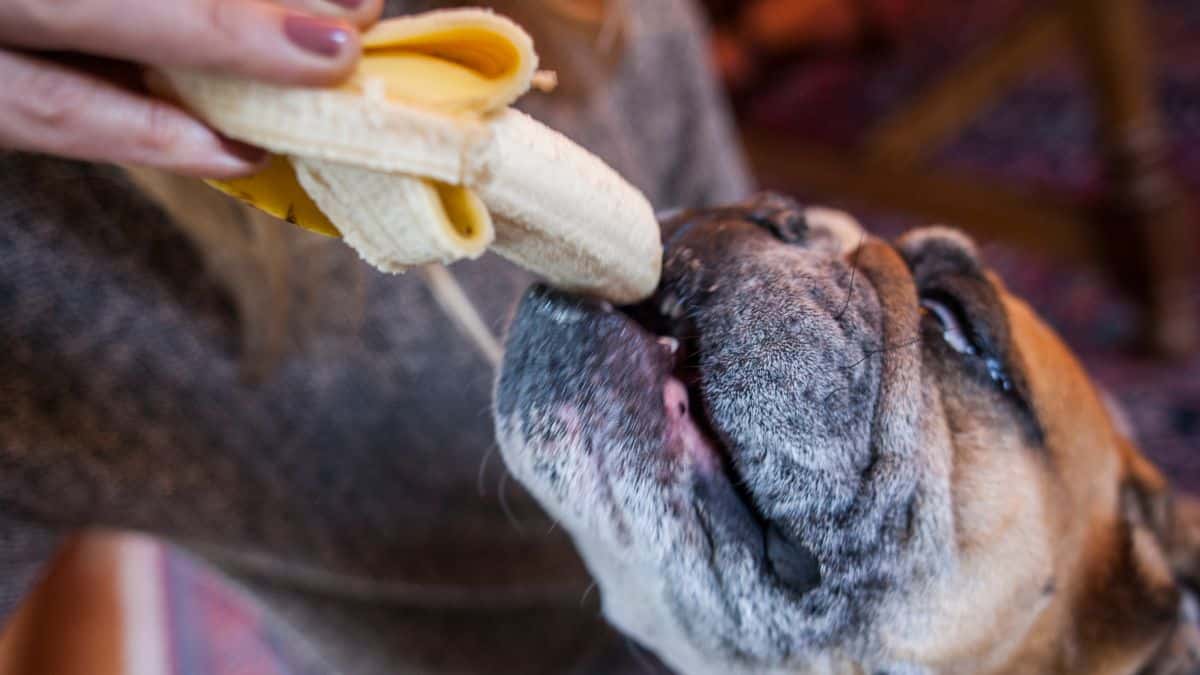
As a dog owner, you’ve probably wondered which human foods are safe to share with your furry friend. Bananas often top the list of questions, especially when your pup gives you those pleading eyes whilst you’re enjoying one.
The good news? Bananas are one of the safest fruits you can offer your dog. But like all treats, there are some important guidelines to follow.
Quick answer: Can dogs eat bananas?
Yes, dogs can safely eat bananas in moderation. Bananas are packed with potassium, vitamin B6, and vitamin C, making them a healthy treat. However, due to their high sugar content, they should only be given occasionally and never replace a balanced diet.
1. Nutritional Benefits of Bananas for Dogs
Bananas aren’t just tasty—they’re genuinely nutritious for dogs when given appropriately:

2. How Much Banana Can Dogs Eat?
Portion size matters enormously when feeding bananas to dogs. Here’s a general guideline based on your dog’s size:
- Small dogs (under 10kg) – 2-3 small slices per day maximum
- Medium dogs (10-25kg) – half a banana maximum
- Large dogs (over 25kg) – up to one banana, but spread throughout the day

Quick Tip
Freeze banana slices for a cooling summer treat! They make excellent teething soothers for puppies too.
3. When to Avoid Giving Bananas
Despite their benefits, bananas aren’t suitable for every dog or every situation:
4. Safe Ways to Serve Bananas
There are several dog-friendly ways to incorporate bananas into your pup’s diet:
- Fresh slices – the simplest method, perfect for training rewards
- Mashed into food – mix with their regular kibble for added nutrition
- Frozen chunks – ideal for hot days or teething puppies
- Stuffed in a Kong – combine with peanut butter (xylitol-free!) for mental stimulation
- Homemade treats – blend with oats and bake into biscuits
For more information on what foods are safe for dogs, check out our guide on why dogs eat grass and other natural food behaviours.

Final Thoughts
Bananas make a wonderful occasional treat for most dogs. They’re affordable, readily available, and genuinely nutritious when given in appropriate amounts. Just remember: moderation is key, always remove the peel, and if your dog has any health conditions, check with your vet first.
Looking for more advice on feeding your dog safely? Explore our dog nutrition guides for comprehensive information on keeping your pup healthy and happy.