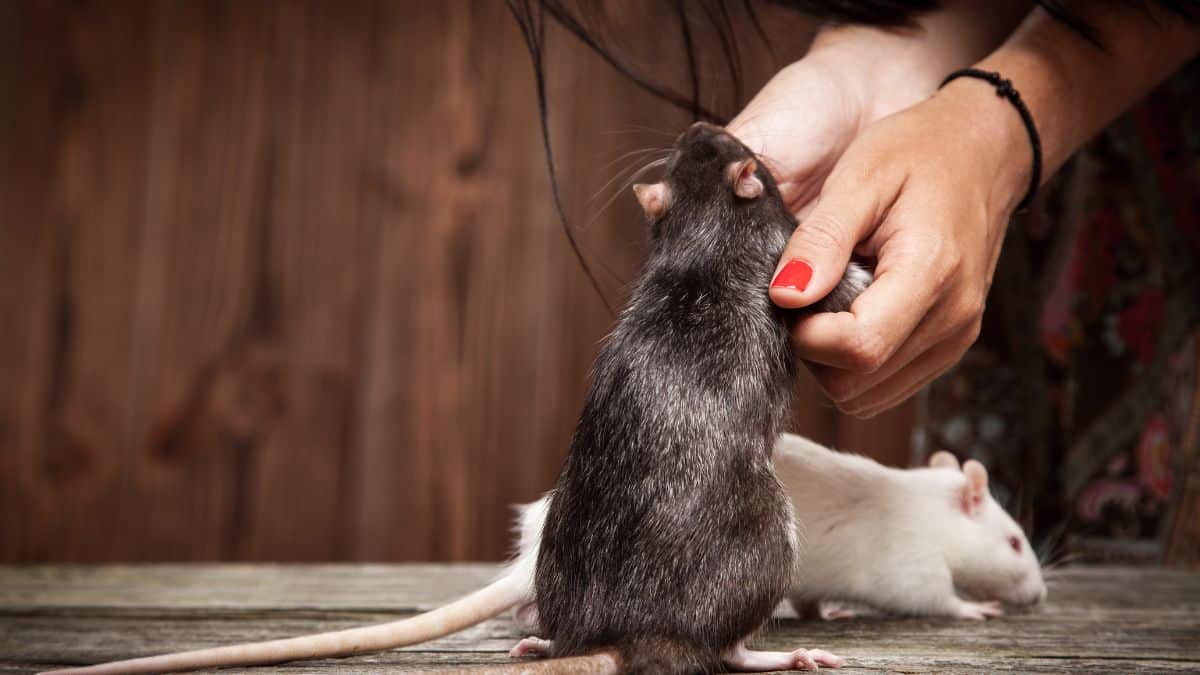
Rats might be small, but when it comes to personality and expression, they’re larger than life. Intelligent, social, and endlessly curious, rats communicate constantly — not just with their fellow rats, but with us too. But unless you know what to watch (or listen) for, their subtle signals can easily fly under the radar.
From ultrasonic squeaks and scent trails to surprise “popcorns” and gentle grooming, every twitch and sniff has meaning. Learning how rats express themselves helps you better understand their needs, build trust, and deepen your bond — whether you’re a first-time rat parent or a lifelong enthusiast.
Why Do Rats Sniff and Squeak So Much?
At first glance, a rat’s behaviour might seem erratic or hard to read — sniffing everything, squeaking randomly, or engaging in odd bursts of activity. But once you know the science behind their communication, it becomes clear: rats are constantly speaking, just not always in a way we expect.
Rats use a multi-sensory approach to communication that includes:
Scent is especially important. With a sense of smell far more powerful than ours, rats can “read” an entire environment through scent alone. That’s why they sniff your hand before you pick them up — it’s not just curiosity, it’s recognition, comfort, and greeting all rolled into one.
Squeaking is also more complex than it seems. While some sounds are clearly audible (like protest squeaks), many of a rat’s vocalisations happen in ultrasonic frequencies that humans can’t hear. In fact, rats are often chattering away when we think they’re silent!

Quick Tip
Sudden increases in audible squeaking or rapid sniffing could be signs of stress, discomfort, or overstimulation — especially in new environments.
How Rats Communicate: The Basics

Rats aren’t just clever — they’re emotionally sophisticated, social animals with rich inner worlds. In the wild, they live in colonies that depend on constant communication to maintain harmony, form hierarchies, and stay safe. Pet rats bring all those same instincts into the home, using a range of tools to connect with you and each other.
Let’s break down the core “languages” of rat communication:
🐾 Sniffing: The Nose Knows
A rat’s sense of smell is its primary window into the world. Scent is how they identify family, detect danger, and learn about new spaces — it’s their version of small talk and deep conversation in one.
- Sniffing your hands or face is usually a sign of recognition and curiosity.
- Rapid, shallow sniffing might signal alertness, mild anxiety, or a reaction to a new smell.
- Sniffing while bruxing (teeth grinding) often means they’re relaxed and content.
Rats sniff not just to explore but to build trust. Letting your rat approach your hand for a sniff before handling gives them control over the interaction and reduces stress — especially in newer or nervous rats.
Quick Tip
Always approach slowly, hand first. Let your rat sniff and investigate you on their own terms — it’s how they “shake hands.”
🎶 Squeaks and Sounds: The Hidden Language
Much of a rat’s chatter happens at ultrasonic frequencies we can’t hear — but not all of it is silent. Rats use different types of squeaks and sounds to convey everything from joy to protest.
Common sounds (and what they usually mean):
- Short, high-pitched squeaks – Excitement, surprise, or mild annoyance
- Repetitive loud squeaking – Pain, fear, or frustration
- Chirping, clicking, or buzzing (often inaudible) – Associated with play, affection, or social bonding
- Bruxing (grinding teeth) – Contentment, usually accompanied by “boggling” (eye movement)
🔎 If your rat is suddenly much more vocal than usual, or makes distress noises while being handled, it’s worth checking for injury, illness, or stress triggers in their environment.
🧠 Body Language: Every Twitch Tells a Story
Just like dogs wag their tails or cats puff up, rats use posture and movement to express emotion and intent. Paying attention to their physical behaviour is key to understanding what they’re telling you.
Watch for:
- Puffed-up fur, tense posture, or arched back – Fear or defensiveness
- Sideways shuffling, hopping, or “popcorning” – Playfulness and excitement
- Tail wagging – Rare, but can mean mild irritation or nervous energy
- Flattening or freezing – Submission, fear, or caution
- Grooming another rat (or you!) – Affection, trust, and social bonding
Quick Tip
New or young rats may freeze more often — it’s a natural fear response. Offer gentle encouragement, but give them time to gain confidence at their own pace.
Common Rat Behaviours and What They Mean
Rats are full of quirky, fascinating behaviours that often leave new owners asking: “Is that normal?” The answer is usually yes — but knowing what each behaviour means can help you spot the difference between happy, healthy instincts and signs of stress or discomfort.
Below are some of the most common behaviours you’re likely to see in pet rats, and what they’re really trying to tell you.
🐽 1. Sniffing Your Face
If your rat climbs onto your shoulder and sniffs your lips, ears, or nose, congratulations — you’ve earned their trust. This behaviour mimics how rats groom one another in a colony. They use scent to confirm familiarity and bond with those they’re close to.
Far from being nosy, this is your rat’s version of giving you a cuddle. It’s gentle, deliberate, and one of the clearest signs they see you as part of their social group.
🐀 2. Popcorning
Just like guinea pigs, rats — especially young or excited ones — may leap, twist or jerk their bodies in quick bursts of energy. This behaviour is often called “popcorning” due to its bouncy, unpredictable nature.
It usually means:
- Joy and playful excitement
- Comfort in their environment
- Social bonding in progress (often triggered by play or new toys)
This is one of the purest signs your rat is feeling good — so let them bounce away.
😬 3. Bruxing and Boggling
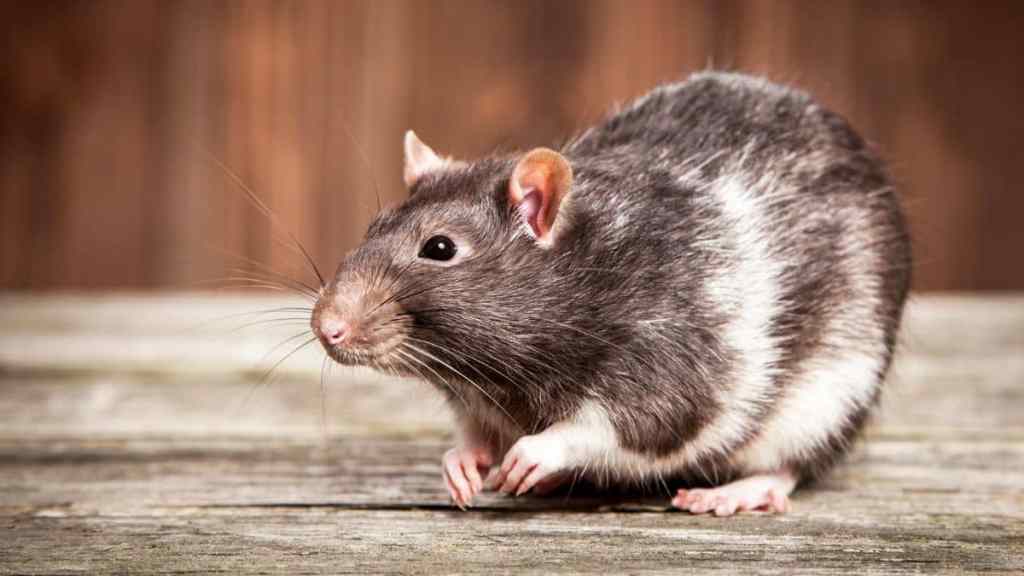
When a rat is feeling deeply content, it may grind its teeth (bruxing), causing its eyes to move or “boggle.” It can look odd — even a little alarming — but it’s actually a sign of total relaxation.
Bruxing and boggling usually happen when:
- They’re in a warm, cosy spot
- You’re gently stroking them
- They’re feeling bonded with you or a cage mate
⚠️ Important Note: If your rat is bruxing while hunched up, unresponsive, or has fur puffed out, this could indicate discomfort or pain. Context is everything — happy bruxing is relaxed and slow, not strained.
💋 4. Licking or Grooming You
This is a serious compliment in rat language. Grooming is how rats show affection, comfort, and care within their social group. If your rat licks your hand, face, or even your clothes, it’s a sign they trust you deeply.
This behaviour often follows:
- Gentle handling
- Mutual grooming with cage mates
- Established routines that make them feel safe
They’re not just licking salt from your skin — they’re letting you know you’re one of them.
🧹 5. Pushing Things Over
Whether it’s tipping over food bowls or rearranging their bedding, rats love a bit of DIY interior design. This behaviour can be linked to:
- Boredom or lack of enrichment
- Nest-building instincts
- Curiosity and playfulness
Rather than scolding your rat for being “messy,” offer more stimulation: tunnels, new layouts, shredded paper, or cardboard toys.
💦 6. Scent Marking (Yes, That Means Peeing)
This is particularly common in male rats, who like to claim ownership of new objects — and yes, that sometimes includes you.
Scent marking involves tiny dribbles of urine to make familiar things feel “safe” and secure. It’s not about poor hygiene; it’s a deeply instinctive behaviour.
You can reduce excessive marking by:
- Keeping cage layouts familiar
- Avoiding sudden environmental changes
- Neutering males if marking becomes extreme or stress-related
Quick Tip
Clean marked surfaces with a pet-safe cleaner, but don’t strip away all scent — rats find comfort in familiarity.
🤼 7. Chasing and Play-Fighting
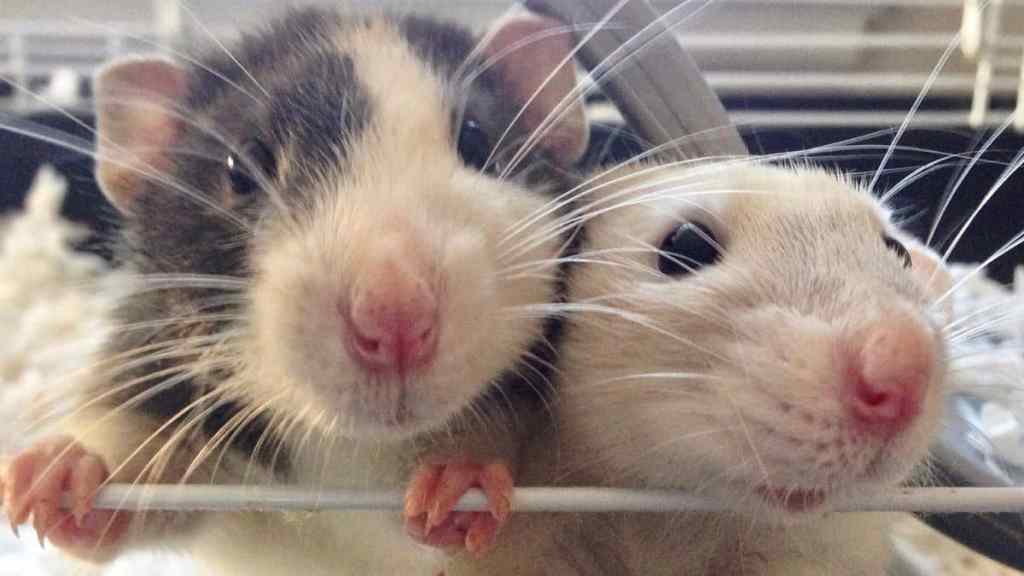
A bit of roughhousing is totally normal and important for rats to establish social boundaries and strengthen bonds. You’ll often see this in pairs or groups of rats as they wrestle, nip, or pin each other.
Healthy play looks like:
- Role-switching (each rat gets a turn)
- No blood, wounds, or hiding
- Occasional squeaks, but no loud distress sounds
Warning Signs of Real Aggression:
If you see signs of serious aggression, it might be time to reassess their introductions or seek advice on re-bonding safely.
Building Better Communication with Your Pet Rat
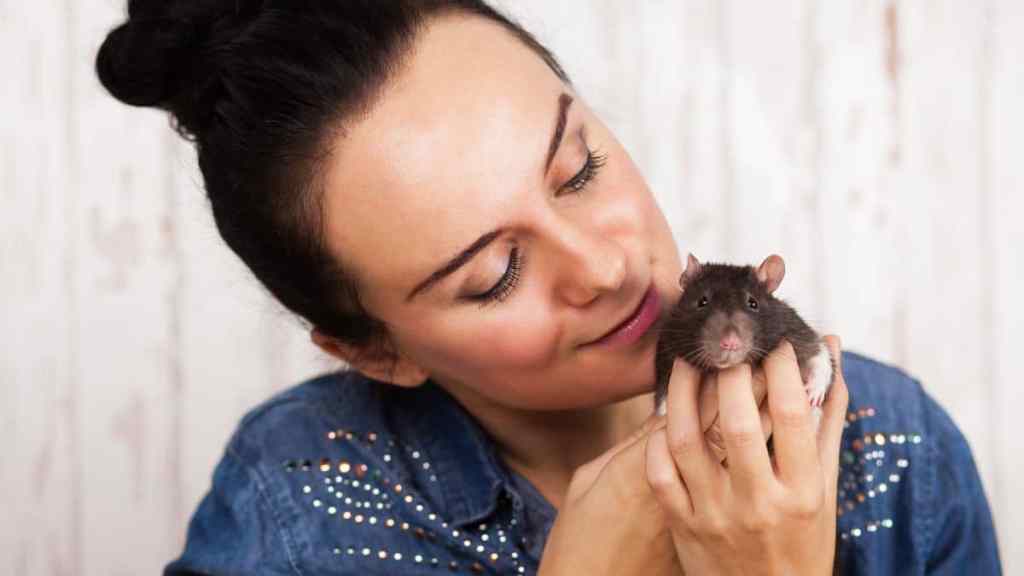
Once you’ve learned to read your rat’s squeaks, shuffles, and side-eye glances, something clicks — the relationship shifts. It’s no longer just pet and owner. It becomes a two-way conversation built on mutual trust, tiny signals, and daily connection.
How to deepen your bond with better communication:
🧠 Rats are thinkers. If you pay attention, you’ll realise they’re always watching you too — learning your scent, your habits, and your mood. Communication is a two-way street, and they’re just as eager to understand you.
Final Thoughts
Your rats aren’t just cute — they’re complex, clever, and emotionally intelligent companions. Understanding how they communicate gives you more than just a deeper connection. It gives you insight into their wellbeing, their needs, and the world as they experience it.
So whether your rat is sniffing your face, boggling with contentment, or squeaking like they’ve just won the lottery, you’ll know what they’re really trying to say — and how to say it back.
Rat chat? You’re fluent now.