Bringing a new puppy home is a joyful milestone — but it can also feel a little overwhelming at first. From sleepless nights to chewed-up shoes, there’s a learning curve ahead — but it’s worth every second.
This guide is tailored for UK puppy parents, offering practical, friendly advice to help you feel confident from day one. Whether you’re preparing for your very first pup or need a refresher, we’ve got you covered.
Essential Puppy Supplies
Getting your home ready in advance will ease the transition and help your new companion feel safe and comfortable from the start. Here’s what to have ready:
🛏️ Comfortable Dog Bed
A soft, washable bed gives your puppy a secure spot to nap and retreat. Look for options with raised edges, like the Scruffs Cosy Dog Bed.
🥣 Food & Water Bowls
Stick to stainless steel, ceramic or super high quality silicone — they’re hygienic, durable, and easy to clean.
🥘 High-Quality Puppy Food
Choose food made specifically for puppies, tailored to their size and breed. UK brands like Lily’s Kitchen, James Wellbeloved, and Burns are great starting points.
🐕 Collar, Harness & Lead
UK law requires all dogs to wear an ID tag with your name and address. Harnesses (e.g. Julius-K9) help protect delicate puppy necks on walks.
📦 Crate & Puppy Pads
Crates offer comfort and structure, especially for toilet training. Use puppy pads as a backup while your pup learns the routine.
🧸 Chew & Play Toys
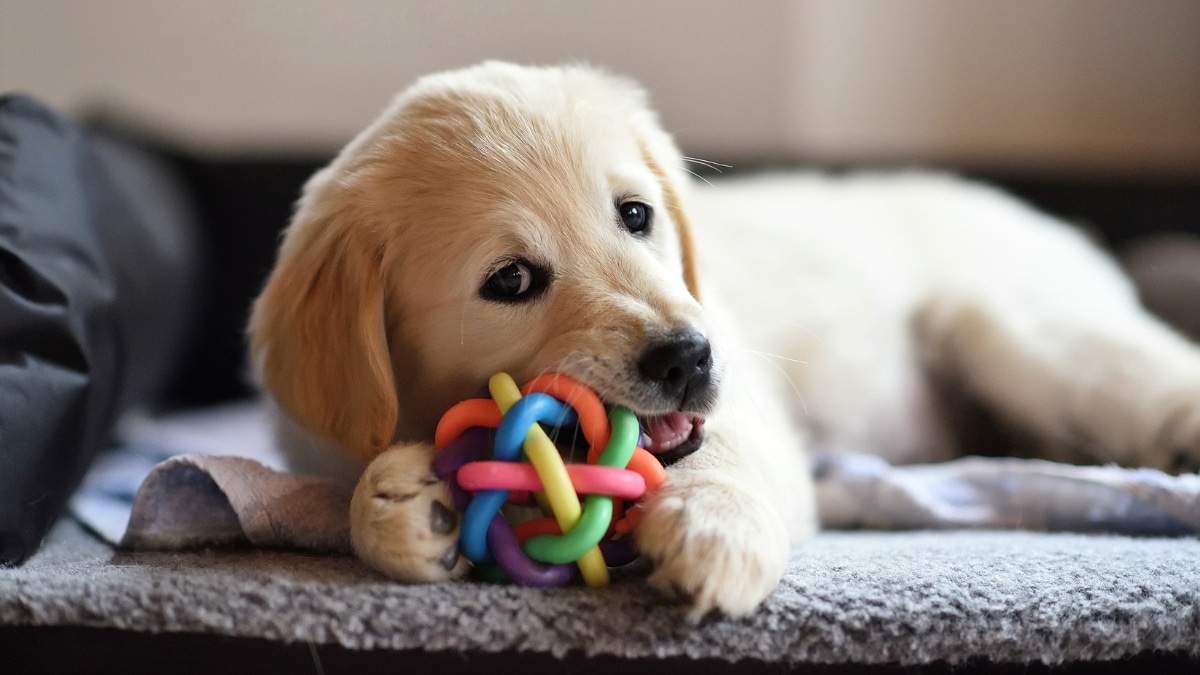
Toys like KONG Puppy are ideal for teething relief and mental stimulation. Rotate a few favourites to keep things exciting.
🧼 Grooming Basics
Start gentle grooming habits early: puppy-safe shampoo, a soft brush, nail clippers, and a toothbrush will build a lifelong routine.
First Veterinary Visit & Vaccinations
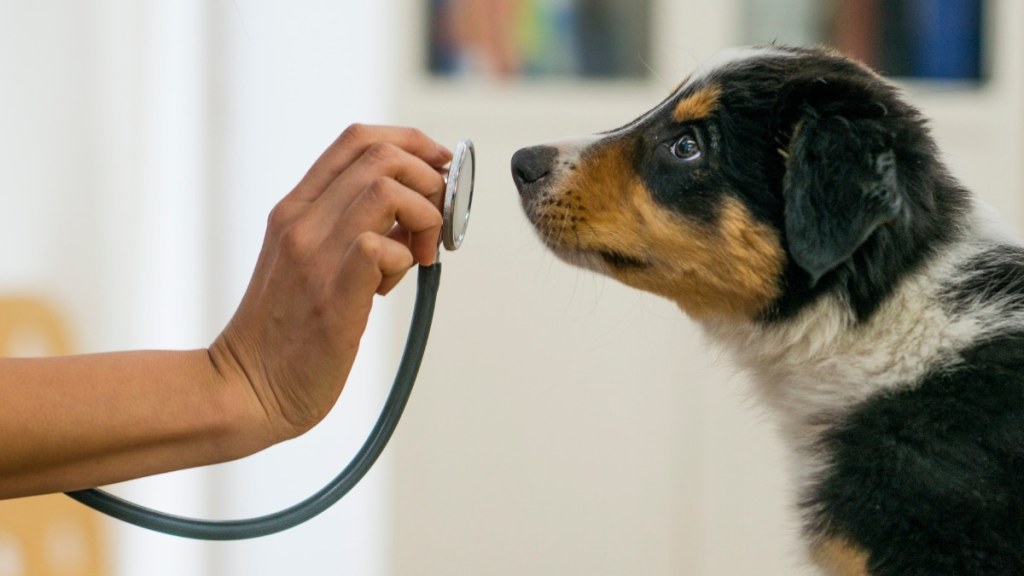
Your puppy’s first vet visit is a milestone moment — it sets the foundation for a healthy life and helps you get expert guidance from the very beginning.
✅ When to Go
Book your puppy’s first vet appointment within the first week of bringing them home. It’s also a great time to ask questions, get advice, and ensure they’re on the right track.
🐾 What to Expect at Your First Visit:
- A full health check — weight, heart, lungs, joints, eyes, ears, teeth
- Guidance on parasite prevention (fleas, ticks, and worms)
- Vaccination plan tailored to their age and lifestyle
- Advice on diet, behaviour, and what’s normal for their development
- Confirmation or scheduling of their microchip (a legal requirement in the UK before 8 weeks old)
📅 Puppy Vaccination Schedule (UK)
|
Age 🐶 |
Vaccine 💉 |
|
8 weeks |
DHPPiL: Distemper, Hepatitis, Parvovirus, Parainfluenza, Leptospirosis |
|
12 weeks |
Second DHPPiL + optional Kennel Cough |
|
Annual |
Booster to maintain immunity |

Quick Tip
Some puppies may come with their first jab already done by the breeder. Always check paperwork and bring it to your first vet appointment.
🐶 Ask Your Vet About:
- When your puppy can go for walks safely (after full immunity)
- Neutering or spaying timelines
- Any breed-specific health concerns
- Pet insurance options and what’s covered
Nutrition & Feeding Guidelines

Feeding your puppy the right food — in the right way — is one of the most important parts of raising a happy, healthy dog. A well-balanced diet supports growth, energy, digestion, and development during this crucial stage.
🐶 What Should Puppies Eat?
Puppies need food that’s specially formulated for their age, breed, and size. Always choose puppy-specific recipes that are labelled complete and balanced by trusted UK pet food brands like:
- Lily’s Kitchen
- James Wellbeloved
- Burns Pet Nutrition
- Royal Canin Puppy
- Forthglade
These options meet FEDIAF standards for pet nutrition in Europe and the UK.
📅 How Often Should Puppies Eat?
|
Age |
Meals per Day |
|
8–12 weeks |
4 meals per day |
|
3-6 months |
3 meals per day |
|
6+ months |
2 meals per day |
Always follow portion guidelines on the packaging based on your puppy’s age and weight — but adjust if they’re under or over-eating.
🦴 Wet vs Dry Food
- Dry kibble is budget-friendly, shelf-stable, and supports dental health.
- Wet food is more palatable and hydrating — ideal for fussy eaters or small breeds.
- Many owners mix both for taste, texture, and balance (known as mixed feeding).
🍗 Foods to Avoid
Some common household items are toxic to dogs — even in small amounts. Never feed your puppy:
- Chocolate
- Grapes or raisins
- Onions or garlic
- Xylitol (found in sugar-free gum)
- Cooked bones
- Raw yeast dough
🐾 Treats & Extras
- Use training treats in moderation to avoid weight gain
- Opt for natural or low-calorie options like JR Pet Products, Fish4Dogs, or small chunks of cooked chicken
- Keep treats to under 10% of daily calories
If in doubt, check with your vet before adding any new food to your puppy’s diet — especially if they have a sensitive stomach or known allergies.
Quick Tip
Puppies often need a toilet break 10–15 minutes after eating — build this into your routine to support housetraining.
Training & Socialisation Tips
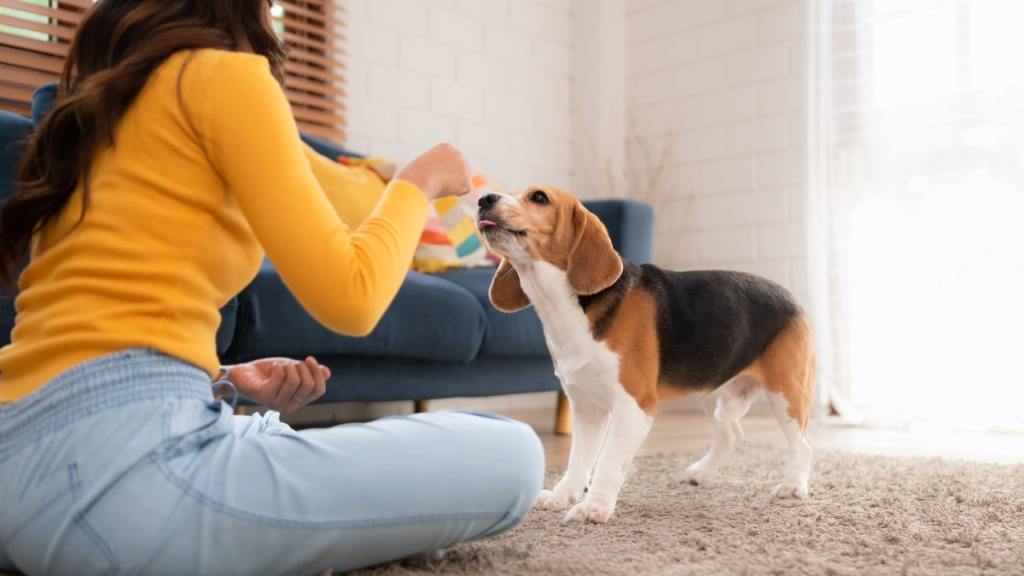
Training and socialising your puppy early on is one of the best investments you can make in their future. Good behaviour, confidence around people and other animals, and a strong bond with you — it all starts now.
This stage is crucial for shaping your puppy into a happy, well-adjusted adult dog.
📆 When to Start Training?
Immediately! Puppies are constantly learning from their environment, even before formal training begins. The socialisation window (8–16 weeks) is a key period — so make it count.
🧠 The Basics to Focus On First
- House training: Take them out frequently (after meals, naps, and play), reward success, and keep a consistent schedule.
- Crate training: A crate becomes a safe space when introduced positively — and helps with toilet training too.
- Basic commands: Start with simple cues like sit, stay, come, and leave it — using positive reinforcement (treats and praise).
- Name recognition: Teach them to respond to their name with gentle voice and reward.
Quick Tip
Use short training sessions (5–10 mins max), repeated daily — puppies have short attention spans!
🧍♀️ Safe Socialisation
Exposing your puppy to different sights, sounds, people, and environments builds confidence and prevents fear-based behaviours later on. Introduce them to:
- Friendly strangers (men, women, children)
- Other vaccinated dogs and animals
- Traffic sounds, vacuum cleaners, car rides, etc.
- Different surfaces (grass, concrete, laminate)
- Gentle handling by different people
🛑 Avoid overwhelming your puppy or forcing interactions. Let them explore at their own pace, and reward curiosity.
🐶 Puppy Classes (UK)
Look for Kennel Club-accredited puppy training classes or reputable local trainers who use positive reinforcement methods. These classes help with:
- Basic obedience
- Socialisation with other dogs
- Guidance for first-time owners
🎓 Bonus: Group classes also help your pup learn to focus around distractions!
🐾 Preventing Common Behaviour Issues
Start as you mean to go on:
- Jumping up? Don’t reward it with attention — wait for four paws on the floor.
- Nipping or biting? Redirect with a toy, and stop play briefly to signal boundaries.
- Separation anxiety? Build tolerance slowly with short departures.
💡 Puppy Biting Normal? Yes! Especially during teething. But teaching bite inhibition early is key — praise gentle play and stop rough behaviour.
Grooming & Hygiene Essentials
Grooming isn’t just about looking good — it’s about keeping your puppy healthy, comfortable, and confident. Starting a gentle grooming routine early helps your pup get used to handling, making future care (and vet visits) easier and less stressful.
🐶 Why Grooming Matters
Regular grooming:
- Keeps skin and coat in good condition
- Helps spot health issues early (like ticks, lumps or skin irritation)
- Reduces shedding and matting
- Strengthens your bond with your puppy through touch and trust
✂️ Your Puppy Grooming Kit (UK Essentials)
Stock up on:
- Puppy-safe shampoo (e.g. Animology Puppy Fresh or Wahl Puppy Shampoo)
- Soft-bristle brush for short-haired breeds, or a slicker brush for long-haired pups
- Dog nail clippers or grinder (and styptic powder in case of bleeding)
- Microfibre towel or quick-dry pet towel
- Dog toothbrush and vet-approved toothpaste
🛁 Grooming Schedule: What to Do & How Often
|
Grooming Task |
Frequency (Guide) |
|
Brushing |
1-3x per week depending on coat length |
|
Bathing |
Once a month (or when dirty) |
|
Nail Trimming |
Every 3-4 weeks |
|
Ear Cleaning |
Weekly for floppy-eared breeds |
|
Teeth Brushing |
At least a few times per week |
Puppies with longer or double coats (like Cockapoos, Retrievers, or German Shepherds) may need more frequent brushing to prevent matting.
🧽 Creating Positive Grooming Habits
- Start slow — let your puppy sniff each tool before using it
- Use treats and praise to make it a positive experience
- Touch their paws, ears, and mouth gently during downtime to desensitise them
- Keep sessions short and calm — 5 minutes is enough at first
Consistent, gentle grooming builds trust and helps your puppy feel safe and loved — while keeping them fresh, healthy, and ready for cuddles.
Exercise & Enrichment Activities

Puppies are naturally energetic, curious, and always on the move. But it’s important to strike the right balance — too much or the wrong kind of exercise can harm growing joints, while too little can lead to frustration and destructive behaviour.
🐕 How Much Exercise Does a Puppy Need?
Follow the UK guideline: 5 minutes of exercise per month of age, twice a day.
So, a 3-month-old pup = 15 minutes, twice daily. This builds gradually over time and should include both physical and mental stimulation.
🚫 Avoid long walks or repetitive high-impact activities (like jumping or stair-climbing) before 12 months — especially for large breeds — as this can strain developing joints.
🧠 Mental Stimulation Matters Too
Physical activity is only half the story. Puppies need to flex their brains with activities like:
- Training games (e.g. “find it,” basic obedience, or puzzle toys)
- Scent work — hiding treats around the room for your pup to sniff out
- Learning new tricks — it tires them out faster than you think!
- Interactive toys — treat-dispensing toys or lick mats work wonders
Always supervise play — especially with new toys — and rotate them every few days to keep things exciting.
The key is moderation and variety. Keep sessions short and positive, always let your puppy rest when needed, and prioritise safe, age-appropriate activities.
Quick Tip
Boredom is the #1 cause of naughty behaviour in puppies. Keep their day varied with short play, rest, and training periods.
Puppy-Proofing Your Home
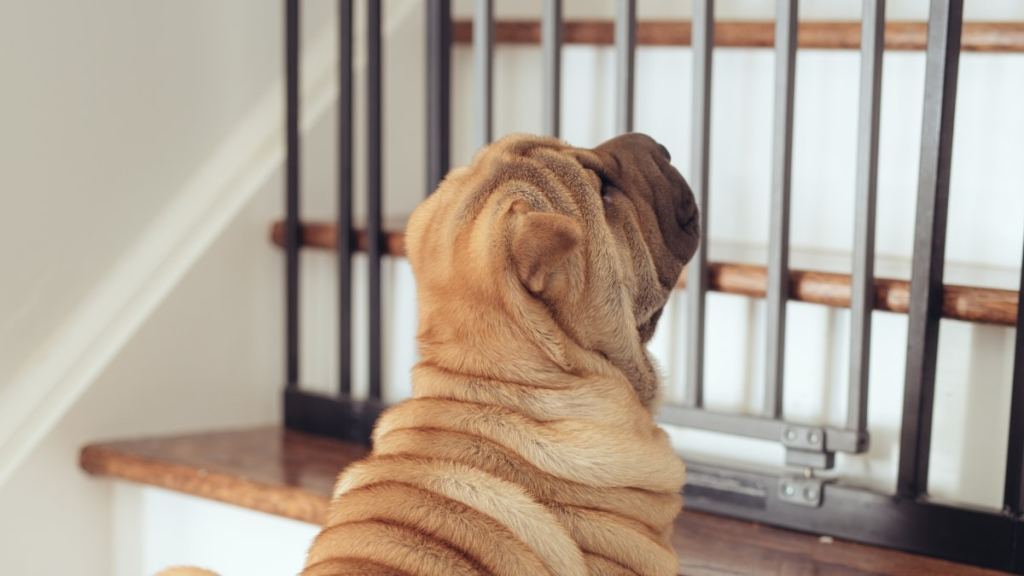
Think of your puppy like a curious toddler with sharp teeth and no sense of danger. They’ll sniff, chew, and explore everything — so creating a safe environment is one of the most important things you can do before (and after) they arrive.
🧹 Safety First
Start by getting down to their level — literally. Look at your home from a puppy’s perspective and remove or secure anything that could harm them. Key things to check:
- Hide electrical cords or use cord protectors to avoid chewing hazards.
- Store cleaning products, medicines, and chemicals in cupboards out of reach.
- Remove toxic plants such as lilies, aloe vera, or sago palm — even small amounts can be dangerous.
- Secure bins (especially food waste) to avoid rummaging or accidental ingestion.
- Keep shoes, socks, and children’s toys off the floor — if it fits in their mouth, it’s a chew toy.
🛑 Create Boundaries
You don’t need to give your puppy the run of the house. Use gates or playpens to limit access, especially during the early weeks.
- Use stair gates to block off-risk areas or prevent climbing.
- Close doors to rooms that aren’t puppy-proofed.
- Designate a “safe space” like a cosy crate or corner where they can rest undisturbed.
Quick Tip
Puppies are fast — and so are accidents. Always supervise when they’re exploring a new room, and expect a few trial-and-error moments. The goal is to keep them safe, not to stop their natural curiosity.
Bonding with Your Puppy
Building a strong, trusting relationship with your puppy doesn’t happen overnight — but every cuddle, walk, and training session helps lay the foundation for a lifelong friendship.
🐶 Spend Quality Time Together
The more positive time you spend with your puppy, the more secure and connected they’ll feel. In these early weeks, your attention and presence are everything.
- Play daily — short, regular play sessions strengthen your bond and help release excess energy.
- Use gentle touch and calm voice tones to build trust and reduce anxiety.
- Train together using rewards and praise — it boosts confidence and communication.
🐾 Be Their Safe Space
Your puppy is learning to navigate the world, and they’ll naturally look to you for guidance and reassurance.
- Be patient with accidents or mistakes — consistency and kindness always win.
- Don’t punish nervous behaviour — instead, reward calm and curious responses.
- Offer comfort during unfamiliar experiences (like car rides, vet visits, or meeting new people).
🧠 Engage Their Mind
Mental stimulation deepens the bond just as much as cuddles do.
- Teach simple tricks like “sit” or “paw”
- Try puzzle feeders or treat-finding games
- Talk to your puppy throughout the day — they’ll begin to recognise your tone and routines.
Quick Tip
Always end play and training sessions on a positive note — a quick cuddle, a treat, or a calm “good dog” goes a long way in making your pup feel safe and loved.
🗓️ Puppy Development Timeline
Understanding your puppy’s growth stages can help you support them physically, emotionally, and behaviourally as they mature. Each phase brings its own joys — and challenges — but knowing what to expect means you can stay one step ahead.
🐾 8–12 Weeks: Settling In & Socialisation
- This is the most important window for social learning.
- Your puppy is adjusting to their new home, bonding with you, and starting to explore the world.
- Introduce new sights, sounds, people, and gentle handling.
- Begin crate training, toilet training, and name recall.
- First vaccinations and vet visits typically happen during this stage.
🐾 3–6 Months: Teething & Training
- Expect biting, chewing, and testing boundaries — this is the peak teething phase.
- Reinforce positive behaviours and redirect undesirable ones calmly.
- Continue socialisation and basic training routines.
- Consider puppy training classes to build good habits.
🐾 6–12 Months: Adolescence Begins
- Your puppy becomes more independent (and possibly cheeky).
- Keep up consistent training — this stage can be challenging but is key for long-term behaviour.
- Reassess feeding amounts and routines based on growth.
- Speak to your vet about neutering or spaying options.
Quick Tip
Progress isn’t always linear — expect occasional setbacks. Stay calm, consistent, and supportive. Every pup develops at their own pace.
Mini Puppy FAQ
Final Thoughts
Bringing home a puppy is the start of an unforgettable journey — filled with new routines, challenges, and plenty of wagging tails. With the right care, patience, and guidance, you’ll build a lifelong bond rooted in trust, love, and shared adventures.
Every puppy is different, and there’s no one-size-fits-all approach — but by focusing on their core needs (health, training, comfort, and connection), you’ll be giving them the best possible start.
Stay curious, stay consistent, and don’t be afraid to ask for help when needed. And remember — FluffPost is here for every stage of the journey, from puppyhood to proud dog parent moments.
You’ve got this.