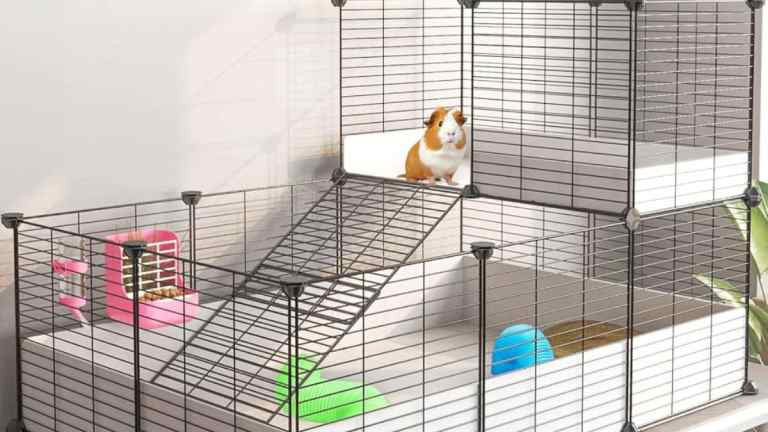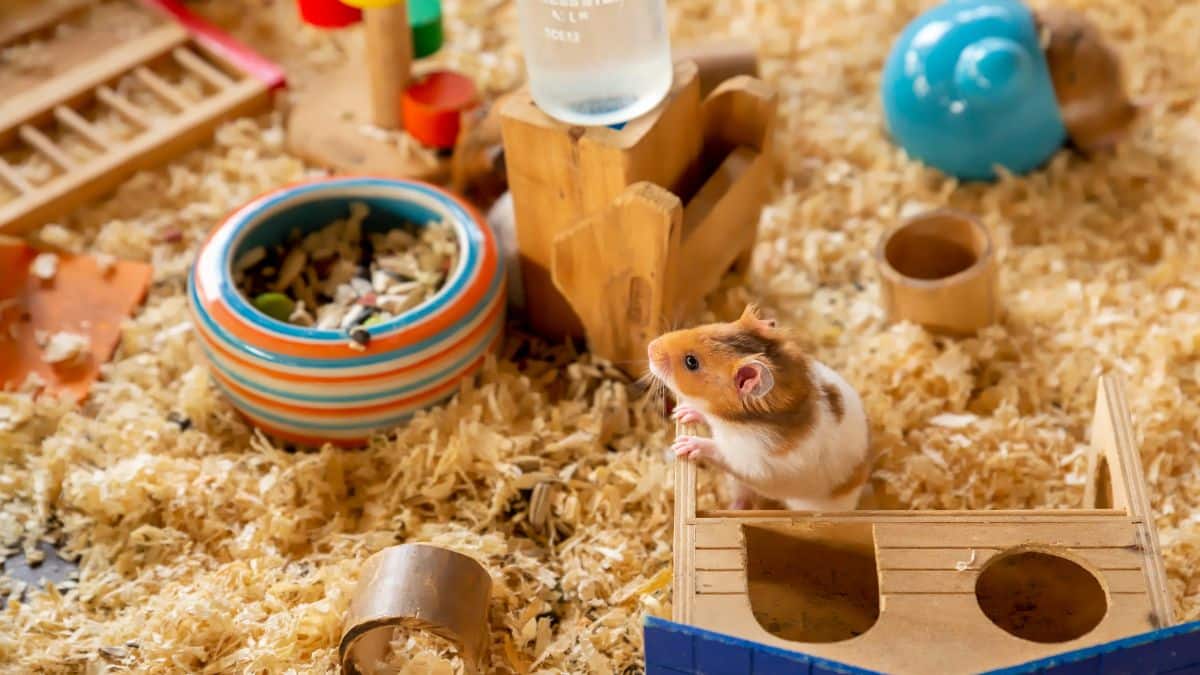
Setting up the perfect hamster cage isn’t about fancy accessories or flashy plastic tubes — it’s about creating a home that supports your hamster’s instincts, keeps them safe, and makes them happy.
Whether you’ve just brought home your first hamster or you’re upgrading a setup that’s seen better days, this guide covers everything you need — from ideal cage size and bedding depth, to enrichment essentials and cost-effective tips.
✅ Let’s build a cage that meets your hamster’s needs — not just your shelf space.
Why a Good Hamster Cage Setup Matters
Hamsters may be small, but their care needs are anything but. In the wild, hamsters travel long distances each night and dig elaborate burrows to sleep, stash food, and stay safe from predators.
Replicating these natural behaviours at home isn’t just nice — it’s essential. A well-designed hamster cage helps prevent stress, illness, and boredom-related behaviours like bar biting or obsessive digging.
A proper hamster habitat can:

Quick Tip
Think of it less like a cage — and more like your hamster’s personal wildlife reserve.
Minimum Hamster Cage Size (UK Standards)

Let’s get one thing straight: most cages sold in UK pet shops are far too small — especially those labelled as “starter kits”. The minimum recommended floor space for any hamster breed is:
This applies to both Syrian and dwarf hamsters.
Why It Matters
Cramped cages increase the risk of stress, obesity, and behavioural issues. Your hamster isn’t being “difficult” — they’re responding to an environment that doesn’t meet their basic needs.
✅ Bigger cages = better welfare. Always choose depth and width over height.
Choosing the Right Hamster Cage (Pros & Cons)
When it comes to hamster cages, there’s no single best type — just the one that fits your space, your budget, and most importantly, your hamster’s needs.
Here’s a breakdown of the most popular cage types in the UK, along with what makes them work (or not):
1. Glass Tanks or DIY Enclosures
✅ Pros
- Excellent visibility
- Easy to clean
- Holds deep bedding for digging
⚠️ Cons
- Needs a secure mesh lid for ventilation
- Can be heavy and harder to move
Quick Tip
Repurpose large fish tanks or IKEA units (like the Detolf) for brilliant, budget-friendly enclosures.
2. Barred Cages (Wire Cages)

✅ Pros
- Great airflow
- Easy access for interaction
⚠️ Cons
- Risk of bar chewing if the cage is too small
- Bedding depth often limited by shallow bases
Only choose a barred cage if it meets minimum floor space and allows at least 20 cm bedding depth. Avoid anything sold as a “starter kit” — they’re rarely adequate for long-term care.
3. Bin Cages (Budget DIY Option)
✅ Pros
- Inexpensive
- Customisable
- Lightweight and spacious
⚠️ Cons
- Requires DIY tools and a bit of effort
- Needs proper ventilation and escape-proofing
A large, clear storage tub (at least 80L) with added mesh panels can make an excellent home — especially for dwarf breeds.
What to Put in a Hamster Cage (Essential Items)
Once your cage is sorted, it’s time to make it a hamster haven. Here’s what every setup needs — whether you’re going premium or keeping it cost-effective:
1. Deep Bedding (at Least 20 cm)
Hamsters are natural diggers. To support this, provide deep bedding made from safe, soft materials like:
- Paper-based substrate (e.g. Carefresh, Fitch)
- Aspen shavings (dust-free)
- Shredded toilet roll or hay for added structure
❌ Avoid pine or cedar — they can damage your hamster’s respiratory system.
2. Solid Surface Wheel
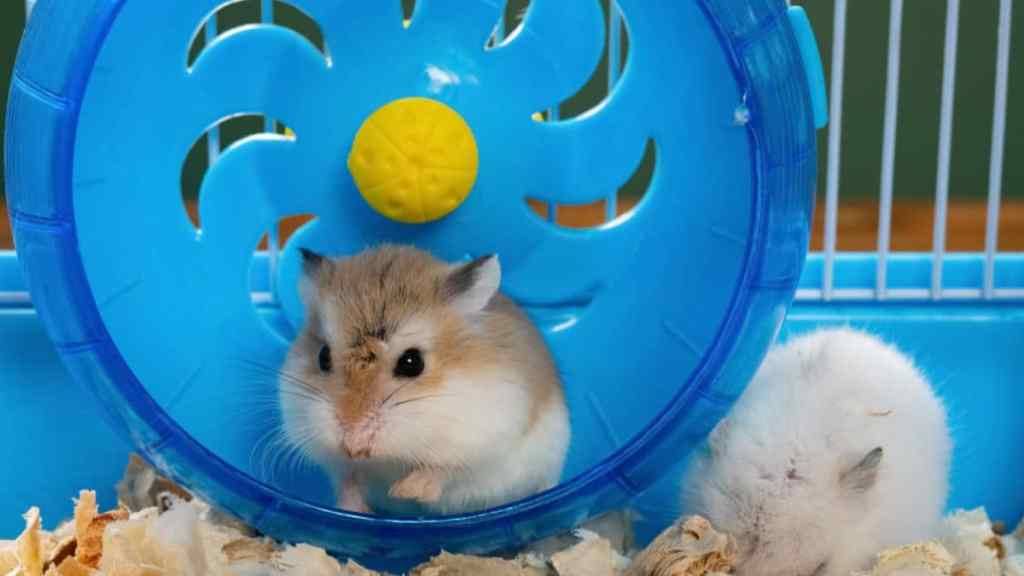
Hamsters need a wheel to burn off energy. But not just any wheel:
- Syrians: 28 cm (11″) minimum
- Dwarfs: 20 cm (8″) minimum
- Must be silent, smooth, and have no rungs or mesh
Wheels that are too small can cause spinal issues — so size truly matters here.
3. Hides and Nesting Areas
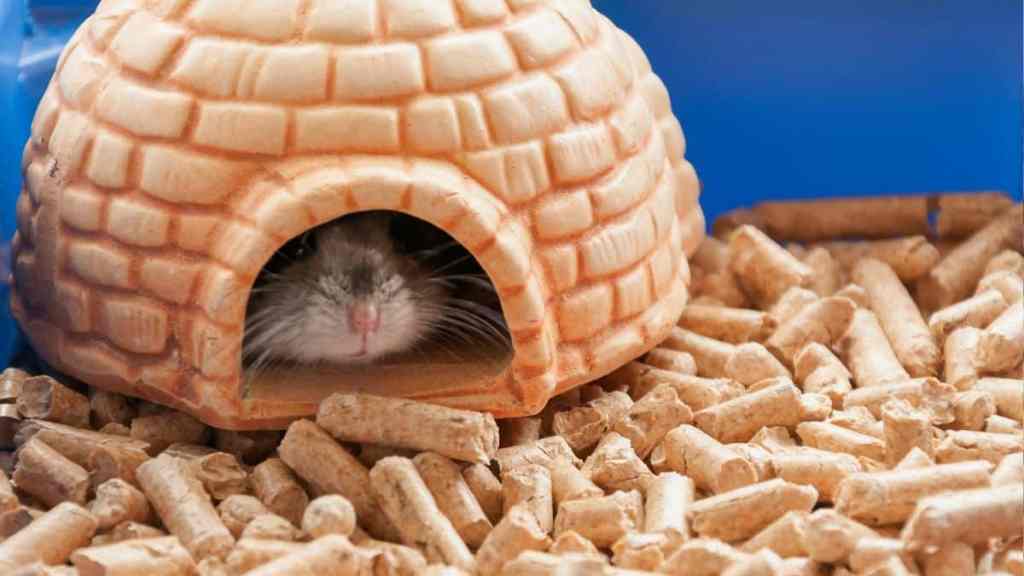
Provide at least two hiding places where your hamster can feel safe and undisturbed. Good options include:
- Wooden huts
- Coconut shells
- Ceramic hides
- DIY cardboard houses
Use plain, unscented toilet paper as nesting material — and never use fluffy bedding or cotton wool, which can cause blockages and injuries.
4. Sand Bath (Not Just a Luxury)
Every hamster, whether long-haired Syrian or tiny Roborovski, benefits from access to a sand bath. It’s how they:
- Clean their fur naturally
- Regulate oil levels
- Enjoy sensory stimulation
✅ Use chinchilla sand (not dust!) – it’s soft, absorbent and safe.
❌ Avoid fine “dust” labelled for chinchillas — it’s too fine and can cause respiratory problems.
A shallow ceramic or glass dish works well. Place it somewhere it won’t tip, and sieve weekly to keep it fresh.
Quick Tip
Some hamsters love to roll in sand. Others may use it as a toilet — which is fine! That just makes spot-cleaning easier.
5. Chew Toys and Tunnels
Hamsters’ teeth never stop growing. Chew toys help file them down naturally and prevent overgrowth.
Great chew toy options include:
- Applewood sticks
- Loofah chews
- Hay-based items
- Untreated cardboard (like toilet roll tubes)
Tunnels also provide physical and mental stimulation. Use a mix of cardboard, cork logs, or wooden tunnels. Bonus points if they can burrow underneath or hide inside.
Quick Tip
Rotate toys weekly to keep your hamster curious — and to stop the cage feeling “stale.”
6. Food, Water & Feeding Methods
Even the most exciting habitat falls flat without good nutrition and hydration.
Scatter Feeding vs Bowl Feeding
Scatter feeding mimics natural foraging — simply sprinkle your hamster’s food mix around the cage. This:
- Reduces boredom
- Encourages exercise
- Taps into instinctual behaviour
You can still use a ceramic bowl for treats, fresh veg, or supplements, but avoid relying on bowls alone.
Water Bottles or Bowls?
Both work. The key is cleanliness and safety.
- Water bottles are more hygienic but can sometimes leak
- Shallow ceramic dishes are more natural but must be stable and cleaned daily
Quick Tip
Check both daily — and always make sure fresh water is available.
7. Cage Placement, Lighting & Noise Levels
Where you place your hamster’s cage matters more than you might think.
✅ Choose a spot that’s:
- Quiet (away from TVs, speakers, and foot traffic)
- Well-ventilated but free from draughts
- Out of direct sunlight or radiator heat
- At a stable temperature (18–24°C is ideal)
❌ Avoid high-traffic areas like kitchens or living rooms where constant activity can disrupt their rest cycle.
Quick Tip
Hamsters are nocturnal — keep their cage away from bright lights during the day, and never near artificial night-time lighting.
8. Daily & Weekly Hamster Cage Maintenance
Keeping your hamster’s cage clean isn’t just about hygiene — it’s about preserving their scent-based comfort zones. Unlike other small pets, hamsters get stressed if you strip away their smell entirely. Here’s what to do instead:
✅ Daily: Spot Clean
- Remove soiled bedding from their toilet area
- Top up water and food
- Check for uneaten fresh food and remove it
✅ Every 4–6 Weeks: Full Clean
- Remove the hamster to a secure playpen or travel box
- Keep at least 1/3 of the old bedding to maintain familiar smells
- Wash toys, hides, and the enclosure with pet-safe cleaner
- Refill with fresh bedding and enrichments
Quick Tip
You don’t need to replace all the sand in the bath — just sift it weekly using a small sieve to remove droppings or clumps.
9. Budget-Friendly Cage Setup Checklist
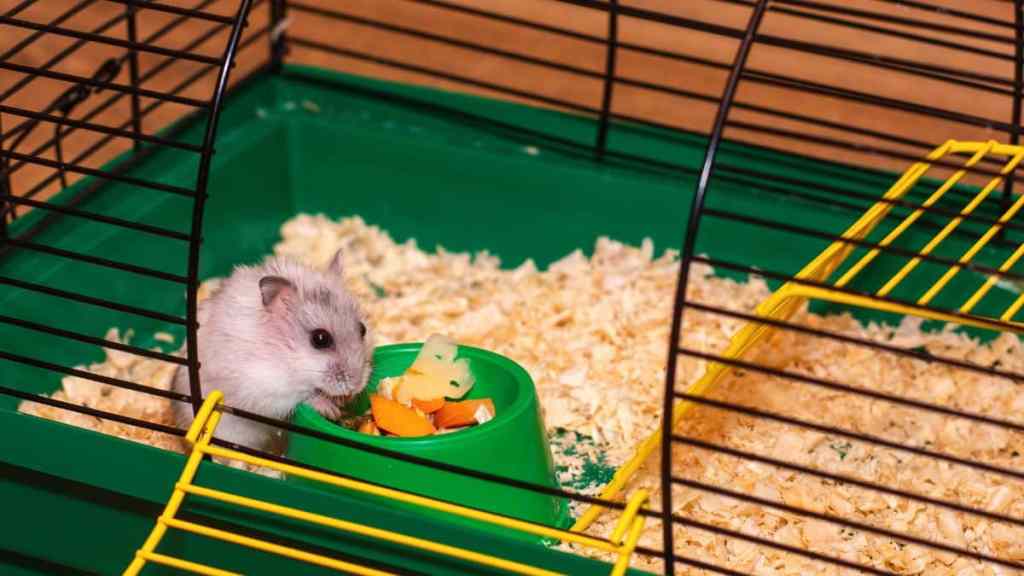
You don’t need hundreds of pounds to build a brilliant hamster home. In fact, many of the best setups come from upcycled or DIY solutions. Here’s a practical breakdown:
|
Item |
Essentials |
|---|---|
|
🏠 Cage |
80x50cm minimum (bin cage, tank, or barred) |
|
🛏️ Bedding |
20cm+ of paper-based substrate |
|
🐾 Wheel |
Solid surface – 28cm for Syrians, 20cm for dwarfs |
|
🛖 Hides |
At least two (wood, ceramic, or cardboard) |
|
🧼 Sand Bath |
With chinchilla sand (not dust!) |
|
🧀 Toys |
Chews, tunnels, digging box |
|
🥗 Food Setup |
Scatter feed + ceramic dish optional |
|
🚰 Water |
Bottle or stable ceramic bowl |
💰 Estimated cost: £60–£90 with smart choices, or less if using second-hand and DIY solutions.
Final Thoughts
Forget the flashy plastic tubes and themed cages — the best hamster homes aren’t built for Instagram. They’re built for your hamster.
What makes a cage perfect?
- Enough space to move and burrow
- A setup that supports their natural behaviours
- A clean, enriching environment that respects their instincts
- Your daily attention and care
When you give your hamster what they really need, you’ll be rewarded with tunnel explorations, wheel sprints, curious nose wiggles, and yes — those magical moments where they sit up and blink at you like you’re the most fascinating thing they’ve ever seen.
It’s not about perfection — it’s about respecting your hamster as the wild little creature they are.