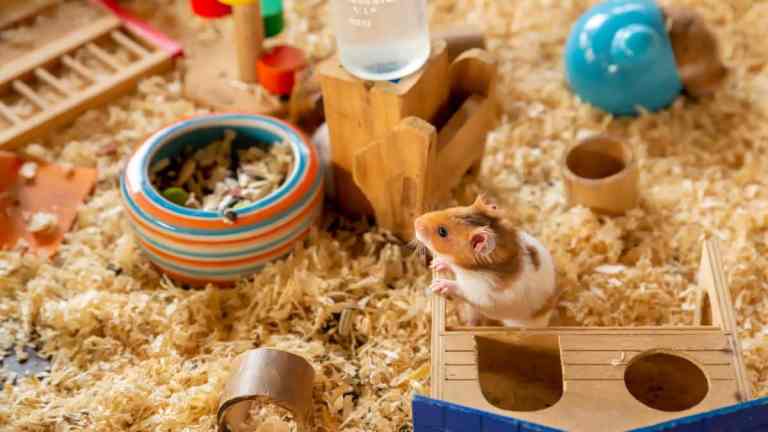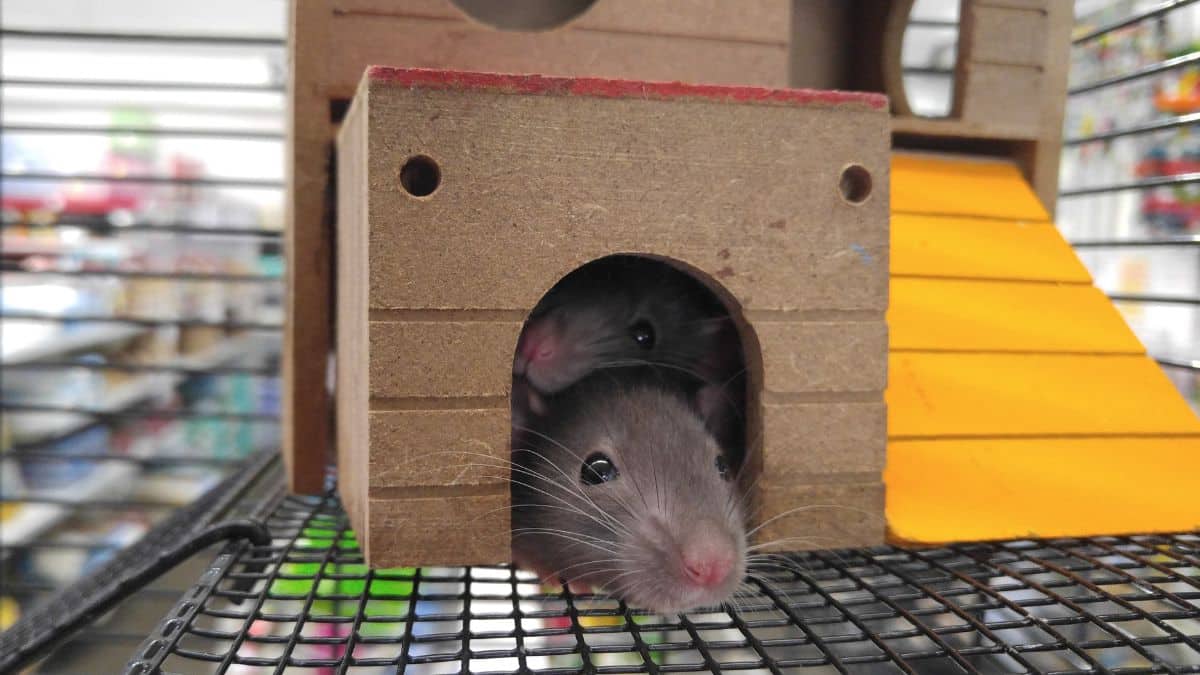
Creating the perfect home for your pet mice doesn’t require a boutique budget or flashy accessories. What matters most is replicating their natural environment — one filled with opportunities to burrow, climb, explore, and nest. Whether you’re welcoming your first mice or upgrading your current setup, this UK-friendly guide covers everything you need to build a safe, enriching, and budget-friendly mouse habitat that encourages happy, healthy behaviour.
Quick Answer: What do mice need in their cage to be happy?
To set up the perfect mouse cage, focus on space, airflow, enrichment, and safety. The ideal home includes a large, well-ventilated cage with multiple levels, deep diggable bedding, hideouts for nesting, and a rotation of toys to keep them stimulated. You don’t need expensive gear – just a setup that supports natural mouse behaviour like burrowing, climbing, and foraging.
The Ideal Cage: Bigger Is Always Better
What size cage do pet mice need?
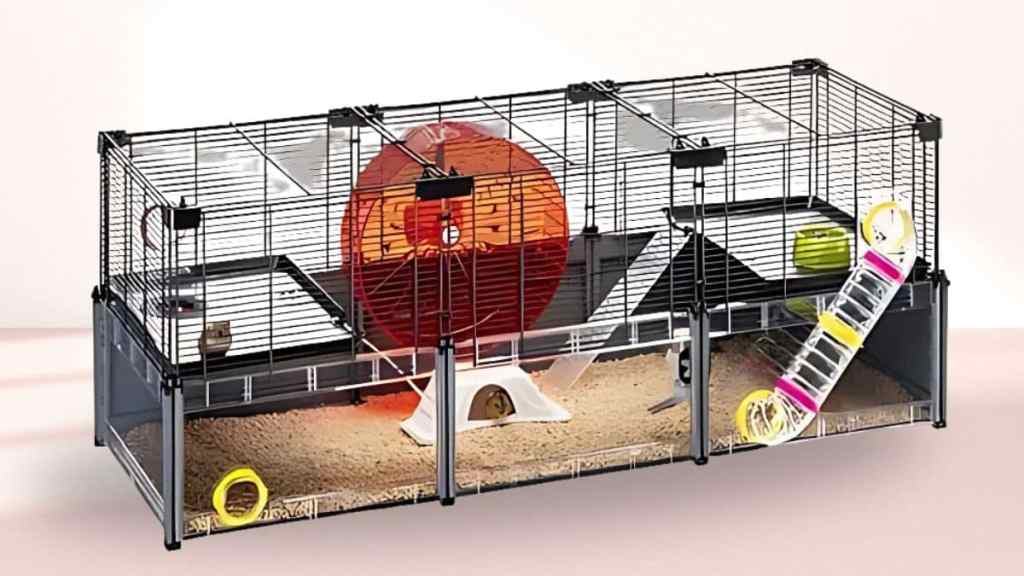
Although they’re small in size, pet mice are bursting with energy and curiosity. A spacious, well-designed cage isn’t just a luxury — it’s essential for their physical and mental wellbeing. The more room they have to explore, the more natural behaviours you’ll see.
Minimum cage size for mice (UK guidelines):
- For two mice, aim for at least 80 x 50 cm floor space with a minimum height of 30 cm
- If you can go bigger — do! Vertical space is a bonus for climbing and enrichment
Best cage styles for pet mice:
Cage types to avoid:

Quick Tip
Mice are prone to respiratory issues. Prioritise ventilation over aesthetics — good airflow helps prevent serious health problems.
Substrate & Bedding: Build a Burrower’s Paradise
Pet mice are instinctive diggers, tunnelers, and nest-builders — so your choice of bedding matters more than you might think. The right substrate offers comfort, enrichment, and respiratory safety.
Best bedding options for pet mice (UK-safe):
- 🧻 Paper-based bedding (like Carefresh, Back 2 Nature, or shredded paper)
- 🌿 Hemp bedding – soft, dust-free and compostable
- 🌲 Aspen shavings – a safe wood alternative (avoid aromatic woods)
🚫 Avoid: Pine and cedar shavings — these contain phenols that can damage a mouse’s sensitive respiratory system.
Bedding depth:
- Layer at least 3–4 inches deep for proper tunnelling and digging
- Mix in strips of unscented toilet paper or shredded cardboard to support natural nesting behaviour
Quick Tip
Want to encourage natural foraging? Sprinkle a few treats or food pellets beneath the bedding for your mice to sniff out — enrichment and snack time all in one.
Hiding Spots & Nesting Areas: Cosy, Secure & Essential
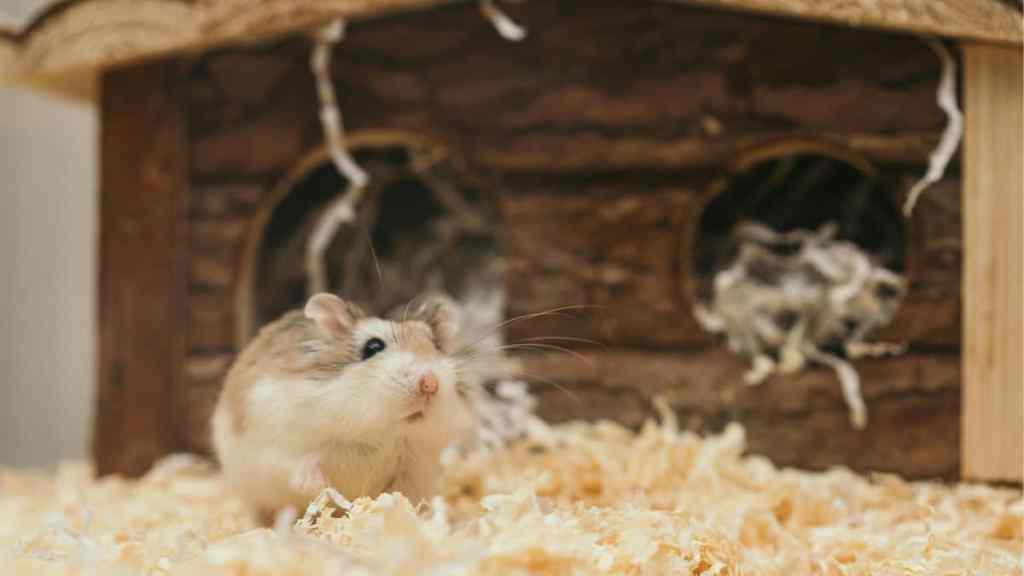
Even the most curious mouse needs a quiet place to retreat. Hideouts provide a sense of safety and comfort, helping your mice feel calm and confident in their environment. The more hiding places you include, the better.
Best hideouts and nesting materials for pet mice:
- Cardboard boxes – chewable, replaceable, and cost nothing
- Terracotta flower pots – sturdy and breathable
- Coconut hides or wooden tunnels – add texture and variety
- Tissue boxes or egg cartons – easy to cut and customise
- Strips of plain paper or hay – ideal for nest building
Rotate hideouts weekly to keep their environment interesting. Changing layouts mimics natural foraging zones and keeps your mice mentally engaged.
Quick Tip
Recycle your packaging! That online delivery box? Instant mouse mansion. Just cut an entrance and pop it in the cage.
Enrichment & Toys: Keep Those Tiny Minds Ticking

Mental stimulation is just as important as physical space. Without it, mice can become bored — and boredom often leads to stress or unwanted behaviours like bar chewing or obsessive digging.
Simple and affordable mouse enrichment ideas:
- Wooden chew toys – help keep teeth healthy and boredom at bay
- Climbing ladders and rope bridges – build a vertical playground
- Toilet roll tubes – stuff with hay, treats or bedding for a budget puzzle
- DIY cardboard mazes – change layouts weekly for endless exploration
- Small hammocks or fabric pouches – soft spots for napping and nesting
Important note on wheels:
- ✅ Choose a solid surface, silent spinner wheel – at least 6.5 inches in diameter
- ❌ Avoid exercise balls – they can cause stress, disorientation, and injury
Quick Tip
Enrichment doesn’t have to cost a penny. Every item in your recycling bin could be your mouse’s next great adventure.
Feeding Station Setup: Tidy, Natural & Easy to Maintain
Feeding your mice isn’t just about filling a bowl — it’s an opportunity to support natural foraging instincts and prevent boredom. A well-planned feeding area also keeps the cage tidy and reduces food waste.
Essentials for the perfect feeding station:
- A ceramic food bowl – heavy, tip-proof, and easy to clean
- Scatter feeding – sprinkle part of their food around the cage to encourage foraging
- Fresh veg in moderation – offer small portions of mouse-safe vegetables like broccoli, cucumber, or kale a few times per week
- Water bottle or ceramic bowl – clean and refill daily, with a backup available if possible
Ideal diet for pet mice:
- High-quality, lab-style commercial mouse food or pellets
- Occasional fresh veg or herbs
- Healthy treats like plain oats, cooked pasta, or peas — avoid anything sugary or processed
Cleaning Routine: Small Mess, Big Impact
Pet mice may be tiny, but they produce a surprising amount of waste — and a clean cage is vital for their health. Thankfully, a simple routine can keep things fresh without being a chore.
Cleaning schedule:
- Daily spot clean:
- Remove soiled bedding and droppings
- Wipe down high-traffic areas like feeding spots or corners
- Weekly full clean:
- Replace bedding entirely
- Wash all accessories, toys, and hides with pet-safe cleaner or diluted white vinegar
- Rinse thoroughly and allow to dry before replacing
To help reduce stress, keep a small item of used bedding (like nesting material) and return it after cleaning — this preserves familiar scents and helps your mice feel secure.
Quick Tip
Avoid strong-smelling disinfectants. Your mouse’s nose is far more sensitive than yours — vinegar and hot water do the trick without the fumes.
Temperature, Light & Placement: Choose the Right Spot
Where you place your mouse cage can have a big impact on their health and happiness. Mice are sensitive to temperature changes, noise, and strong smells — so getting the location right is just as important as the setup inside.
Best place to put a mouse cage:
- In a quiet, stable room – avoid areas with loud TVs, speakers, or foot traffic
- Away from direct sunlight, draughts, and radiators
- Ideally kept at a room temperature between 18°C and 24°C
- Avoid the kitchen – cooking fumes and strong odours can irritate a mouse’s lungs
Lighting should follow a natural day-night rhythm. There’s no need for artificial lighting — just make sure your mice get a normal cycle of light during the day and darkness at night.
Quick Tip
If your cage is near a window, use a light curtain or shade to soften the sunlight and avoid overheating.
Quick Tip Box: Budget-Friendly Must-Haves

Creating a brilliant mouse habitat doesn’t have to break the bank. Some of the best enrichment items are already in your home.
Repurposing everyday items means you can rotate and refresh their space often — without spending a fortune.
Final Touches: Make It Personal
No two mice are the same. Some are bold climbers, others love to burrow, and some just want to curl up in a quiet corner. Once the basics are in place, it’s time to personalise their habitat based on what your mice actually enjoy.
Ways to personalise your mouse setup:
- Observe their preferences — do they gravitate towards high spaces or hidden tunnels?
- Offer a variety of textures and layouts
- Rotate toys, tunnels, and hideouts weekly to keep things fresh
- Use safe scents like dried herbs (e.g. chamomile or lavender) for a sensory boost
Quick Tip
Take time to watch your mice daily — you’ll quickly learn what they love (and what they ignore). Enrichment isn’t one-size-fits-all.
Summary Table: Mouse Cage Essentials
|
Item |
Why It Matters |
Budget-Friendly Options |
|---|---|---|
|
Spacious cage |
Promotes activity and exploration |
Pre-loved rat cages, converted aquariums |
|
Safe bedding |
Encourages burrowing and supports respiratory health |
Paper-based bedding, shredded cardboard |
|
Hideouts & nesting |
Reduces stress and allows natural behaviours |
Cardboard boxes, tissue boxes, egg cartons |
|
Toys & enrichment |
Prevents boredom and keeps mice mentally engaged |
DIY tunnels, hammocks, loo roll tubes |
|
Sand bath |
Helps keep fur clean and skin healthy |
Old baking tray with chinchilla sand |
|
Food & water setup |
Promotes foraging and prevents spills |
Ceramic bowls, scatter feeding |
|
Cleaning routine |
Maintains hygiene and reduces odours |
Vinegar spray, reusable cloths |
Final Thoughts
Setting up the perfect mouse house isn’t about buying the most expensive cage on the shelf — it’s about creating a space that lets your mice feel safe, explore freely, and engage in their natural behaviours.
Focus on space, stimulation, and routine, and you’ll have happy, healthy mice that thrive. With a little creativity, even a small space can become a miniature adventure park.