With their streamlined grace, boundless loyalty, and varied lineage, Lurchers have long been a staple of the British countryside — and yet, they remain one of the most misunderstood and overlooked types of dog. More of a “type” than a single breed, the Lurcher is a unique mix of speed, smarts, and soul. This comprehensive guide explores everything there is to know about Lurchers: their rich heritage, personality, suitability, care needs, and why they deserve far more recognition than they get.
A Brief History of the Lurcher
The Lurcher has deep roots in British history, often associated with poachers, travellers, and working-class families from as far back as the 14th century. Traditionally, a Lurcher was a cross between a sighthound — such as a Greyhound or Whippet — and a working breed like a Collie or Terrier. The goal? To create a dog that could hunt silently, think independently, and move with exceptional speed and agility.
They became known as the “poacher’s dog,” used to catch rabbits and other small game without attracting attention. Because of their intelligence and stealth, they were highly prized in rural communities. Over time, Lurchers found their way into homes as loyal companions and even excelled in modern dog sports.

Quick Tip
The word “Lurcher” is believed to come from the Middle English word lurch, meaning to lurk or lie in wait.
What Makes a Lurcher a Lurcher?

Unlike pedigree breeds, Lurchers vary widely depending on their parentage. The typical cross involves:
- A sighthound for speed (Greyhound, Whippet, Saluki, or Deerhound)
- A working breed for intelligence and stamina (Border Collie, Bedlington Terrier, or even a Labrador)
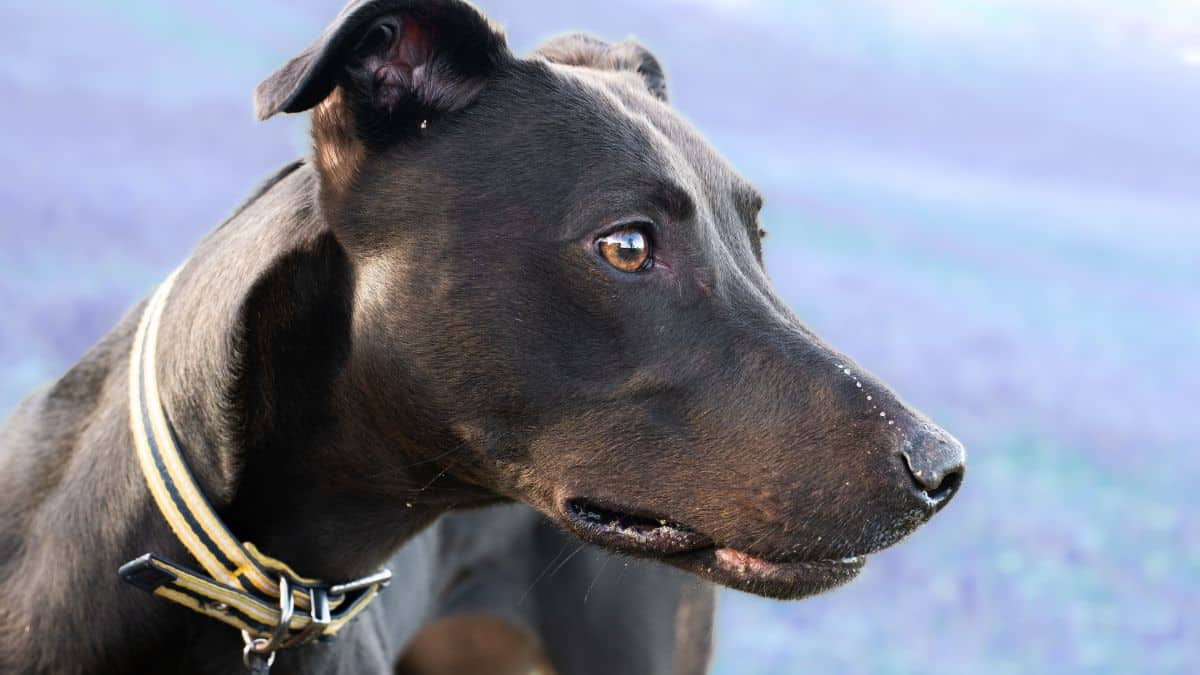
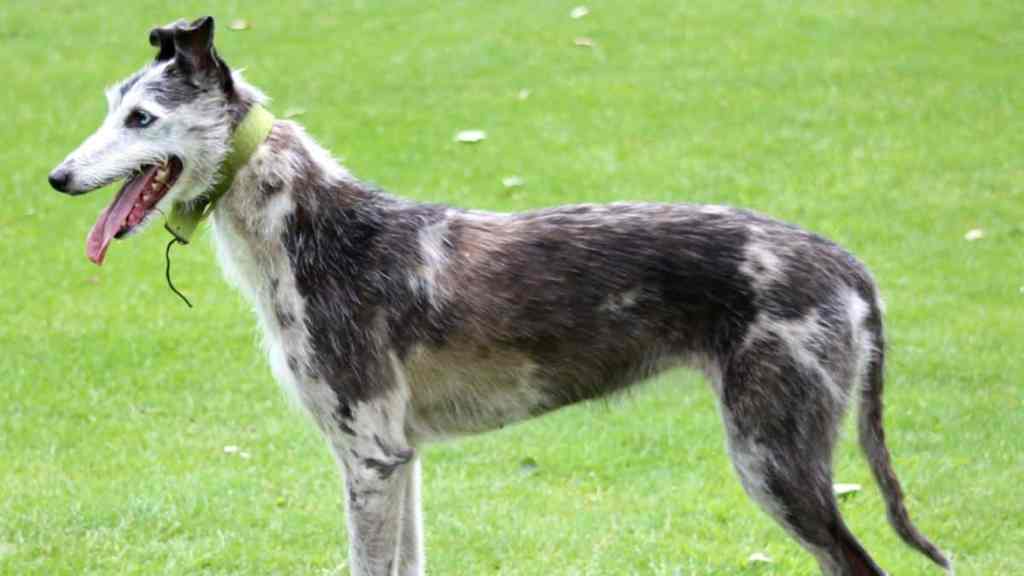
This means no two Lurchers are quite alike, and their appearance, temperament, and energy levels can differ dramatically.
Common physical traits include:
- Long legs, deep chest, and a narrow waist
- Short to medium-length coats (smooth, rough, or broken)
- A lean, athletic build
Quick Tip
Ask your rescue centre or breeder about the specific mix in your Lurcher — this can help predict temperament and activity needs.
Personality & Temperament
Despite their speed and hunting background, most Lurchers are surprisingly calm, gentle, and affectionate at home. They tend to form strong bonds with their families and are often described as “couch potatoes with a turbo button.”
Lurchers are often incredibly sensitive to their environment. Loud noises, harsh voices, or sudden changes in routine can unsettle them. However, when treated with kindness and structure, they flourish into affectionate and charming companions.
General traits include:
- Laid-back indoors: Many Lurchers sleep for hours on end and thrive in quiet environments.
- Playful and silly: They often have a goofy streak, especially as they warm up to their humans.
- Strong prey drive: Many will instinctively chase small animals, making recall training essential.
- Sensitive souls: Lurchers tend to respond poorly to harsh corrections and thrive on positive reinforcement.
Quick Tip
Due to their gentle nature, Lurchers make excellent therapy dogs and companions for older adults or quiet households.
Exercise Needs & Mental Enrichment
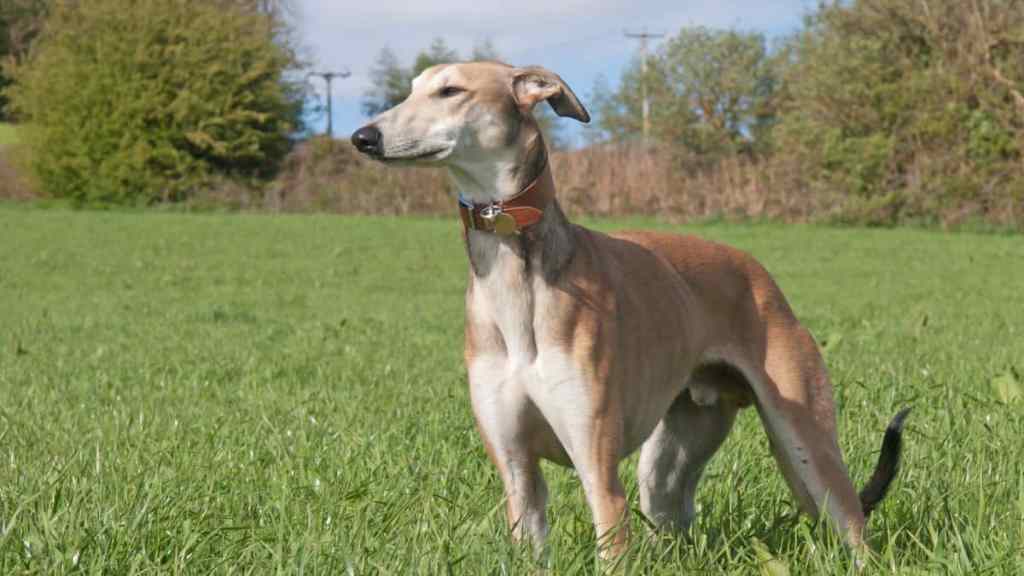
Despite their athletic build, Lurchers aren’t high-energy dogs in the traditional sense. They’re sprinters — built for short bursts of intense activity, not long hikes or constant play. Most are content with one or two walks per day, followed by a long snooze.
Recommended activities include:
Mental stimulation is just as important as physical exercise. Rotate toys, teach new tricks, or try canine enrichment games to keep their mind sharp.
Quick Tip
Because of their slim frames and low body fat, Lurchers feel the cold. Consider a well-fitted coat in winter.
Lurchers & Other Animals
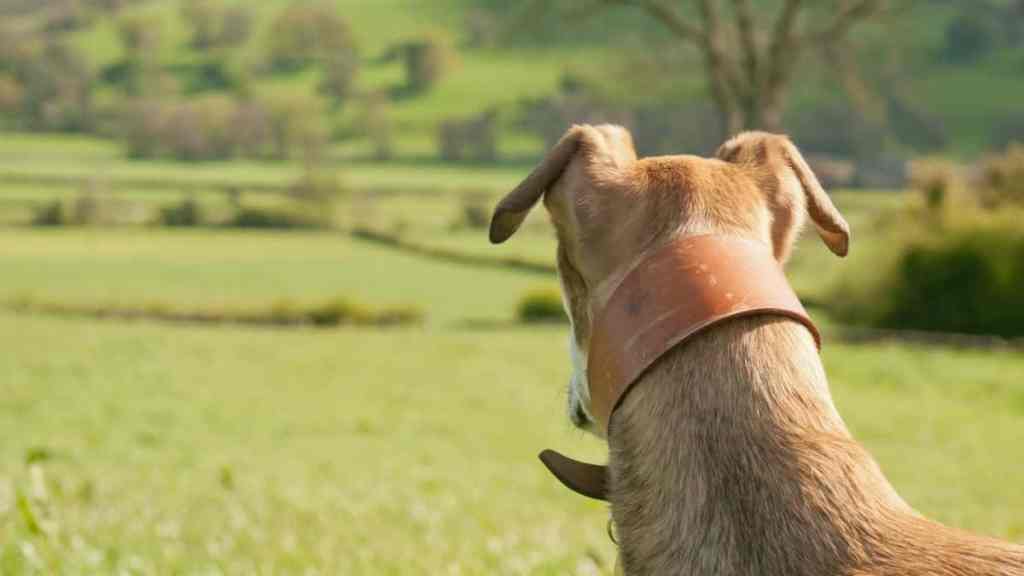
This is an area where early socialisation really matters. Due to their sighthound heritage, Lurchers often have a high prey drive — meaning they may instinctively chase cats, squirrels, rabbits, or other small animals.
However, not all Lurchers are the same. Some grow up peacefully with cats or small dogs, while others may never be trustworthy off-lead around animals they see as prey.
- With early socialisation: Some Lurchers can live peacefully with cats
- Without it: Many will see small animals as prey
- Around other dogs: Lurchers are usually sociable, particularly with other sighthound types
Grooming & General Care
Lurchers are typically low-maintenance when it comes to grooming, though this depends on coat type. Smooth-coated Lurchers require little more than a weekly brush, while rough- or broken-coated types may need more regular grooming.
General care includes:
Quick Tip
Because of their thin skin, Lurchers are prone to scrapes and cuts. Inspect them after walks, especially in undergrowth.
Health & Lifespan
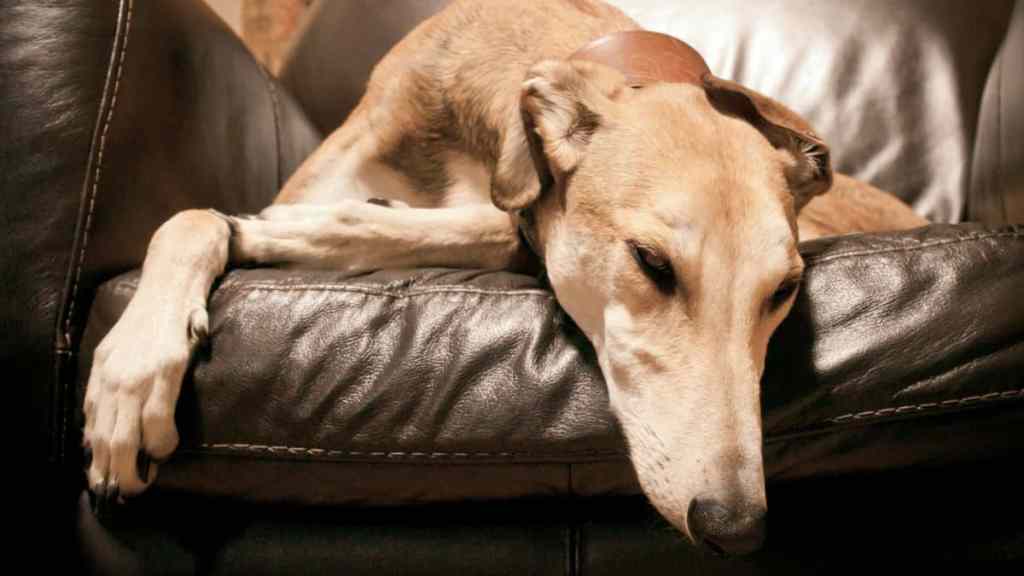
Lurchers generally enjoy good health due to hybrid vigour, but they can still be susceptible to certain conditions inherited from their parent breeds.
Common health issues:
- Bloat (gastric torsion): A medical emergency more common in deep-chested breeds.
- Osteosarcoma (bone cancer): Particularly in older, large-frame Lurchers.
- Hip dysplasia: Can be inherited from working breed parentage.
- Heart conditions: Murmurs or valve disease may develop with age.
Lurchers typically live 12 to 15 years, and many remain active and sprightly well into old age.
Lurchers & Children
Many Lurchers make fantastic family dogs. They are often gentle, tolerant, and love to curl up next to children. However, their sensitivity and low tolerance for chaos mean they do best in homes with older, respectful kids.
- Great for calm households
- May avoid noisy children or sudden movements
- Supervision is always advised
Quick Tip
Set up a “safe zone” — a quiet, cosy space where your Lurcher can retreat when they need space.
Feeding & Nutrition
Feeding a Lurcher properly helps maintain a healthy weight, support their joints, and minimise digestive issues.
Some Lurchers have sensitive stomachs. If you notice frequent loose stools or skin issues, consult your vet about potential food allergies or intolerances.
Quick Tip
Use slow-feeder bowls if your Lurcher eats too quickly — this can reduce the risk of bloat and improve digestion.
Rescue vs Breeder: Where to Find a Lurcher
In the UK, Lurchers are sadly overrepresented in rescue centres. Many are abandoned after their working days are over, or because their prey drive was misunderstood.
Rescue benefits:
- Already temperament tested
- Often housetrained
- Supporting a good cause
Breeder route:
- Choose specific parentage
- Early training from a young age
Check reputable rescues such as Lurcher SOS, Forever Hounds Trust, and Greyhound Gap. They often have experienced fosters who can give valuable insights.
Are Lurchers Right for You?
Perfect for you if you want:
Maybe not ideal if you want:
Lurchers are deeply rewarding pets when understood and respected. Their love is quiet but enduring.
Final Thoughts
Lurchers are soulful, elegant, and full of heart. Whether from rescue or reputable breeding, they bring a unique combination of gentle spirit and athletic beauty to a home. With patience, love, and a warm sofa, you’ll find a loyal companion who’ll stick by your side through thick and thin.