A well-socialised dog is confident, happy, and comfortable in new environments, around other dogs, and with different people. Poor socialisation can lead to fear, aggression, or anxiety, making everyday life stressful for both you and your pup.
Whether you have a puppy just starting out or an older dog that needs confidence-building, this guide will show you how to socialise your dog properly—at any age.
Why Socialisation is So Important

Dogs are not born knowing how to behave around people, other dogs, or new situations. Socialisation is the process of introducing them to the world in a positive and controlled way.
The benefits of proper socialisation:
The Best Time to Socialise a Puppy (And What to Do If You Missed It!)

Ideal Puppy Socialisation Window: 3 to 16 weeks old
This is the critical period where puppies absorb new experiences and develop their lifelong temperament.
What Puppies Should Be Socialised To:
How to Socialise a Puppy (Step-by-Step)
Step 1: Start at Home
Before going outside, introduce your puppy to household noises, different family members, and handling exercises.
- Play YouTube sounds of fireworks, sirens, and traffic at a low volume, increasing gradually.
- Gently touch their paws, ears, and tail daily so they’re comfortable with handling.
Step 2: Safe Outdoor Exposure
Once vaccinated, take your puppy outside to explore the world.
- Visit puppy-friendly places like parks, pet shops, and outdoor cafés.
- Introduce new people and friendly dogs gradually.
- Keep early experiences short and positive—don’t overwhelm them!
Step 3: Puppy Classes & Playdates

Group puppy training classes are a fantastic way to teach social skills in a safe, controlled environment.
- Choose a trainer who uses positive reinforcement (avoid classes with punishment-based methods).
- Arrange one-on-one playdates with vaccinated, calm dogs to build confidence.
Step 4: Reward Positive Behaviour
Every time your puppy has a good interaction, reward them with treats, praise, or play.
- Example: Your puppy meets a child and remains calm → Reward!
- Example: Your puppy hears a loud truck and doesn’t panic → Reward!

Quick Tip
Never force your puppy into a scary situation—let them approach at their own pace.
How to Socialise an Adult Dog (Without Overwhelming Them!)
If you have a rescue dog or an under-socialised adult, the process takes more time but is still achievable.
Step 1: Go Slow & Build Trust
Older dogs may already have fears due to past experiences. Instead of rushing, use gentle exposure.
- If your dog fears strangers, start by letting them observe people from a distance. Reward calm behaviour.
- If your dog fears other dogs, begin with short, controlled interactions with a calm, non-reactive dog.
Step 2: Controlled Socialisation (Not Free-for-All!)

Many owners think “throwing their dog into a busy park” will help them socialise—it won’t! Instead:
- Start in quiet, low-stress areas (not crowded parks).
- Use a long lead to give your dog freedom while keeping control.
- Read your dog’s body language—if they seem stressed, take a break.
Step 3: Positive Reinforcement Training
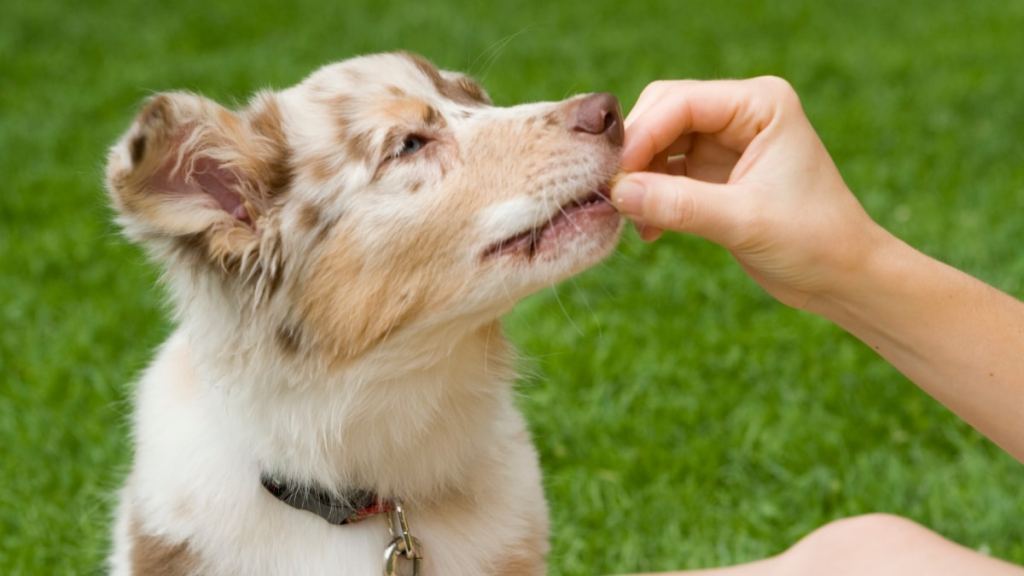
The goal is to change your dog’s emotional response to new things.
- If your dog barks at strangers, reward calm behaviour (before they react).
- If your dog pulls away from new environments, let them explore at their own pace.
- If they’re fearful, stay calm and never force them into a situation.
Quick Tip
Seek a professional dog trainer if your dog is severely anxious or reactive.
Common Socialisation Mistakes to Avoid
Quick Tip
Focus on making experiences positive, safe, and stress-free!
FAQs About Dog Socialisation
Final Thoughts
🐶 Socialisation is a lifelong process! Even well-adjusted dogs need regular exposure to new places, people, and experiences to stay confident and happy.
🐾 Want more expert dog tips? Follow FluffPost for the latest pet advice, training guides, and fun dog stories!