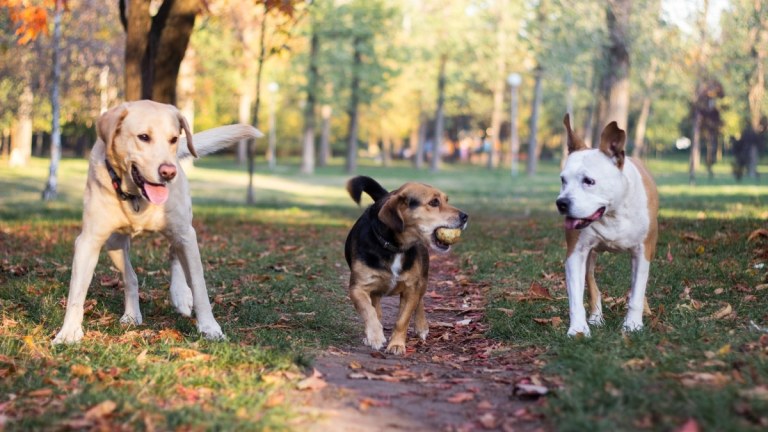
Welcoming a rescue dog into your home is exciting—but when that dog is especially shy or fearful, it can also feel overwhelming. Many shy dogs haven’t had the kindest start in life. Whether they’ve missed out on key socialisation as a puppy or suffered trauma, it’s no surprise they’re wary of the world.
The good news? With the right support, even the most timid rescue dog can learn to feel safe, confident, and connected. You don’t need to “fix” them—you just need to help them feel secure enough to grow.
This expert-led guide will walk you through everything you need to know about how to socialise a shy rescue dog, with kind, effective steps that actually work.
Quick Answer: How to Socialise a Shy Rescue Dog
To socialise a shy rescue dog, begin by earning their trust in a calm, structured home environment. Once they feel safe, gently introduce new people, places, and experiences—always at their pace. Use positive reinforcement and never force interaction. Patience, routine, and kindness are essential.
Understand Why Your Rescue Dog is Shy
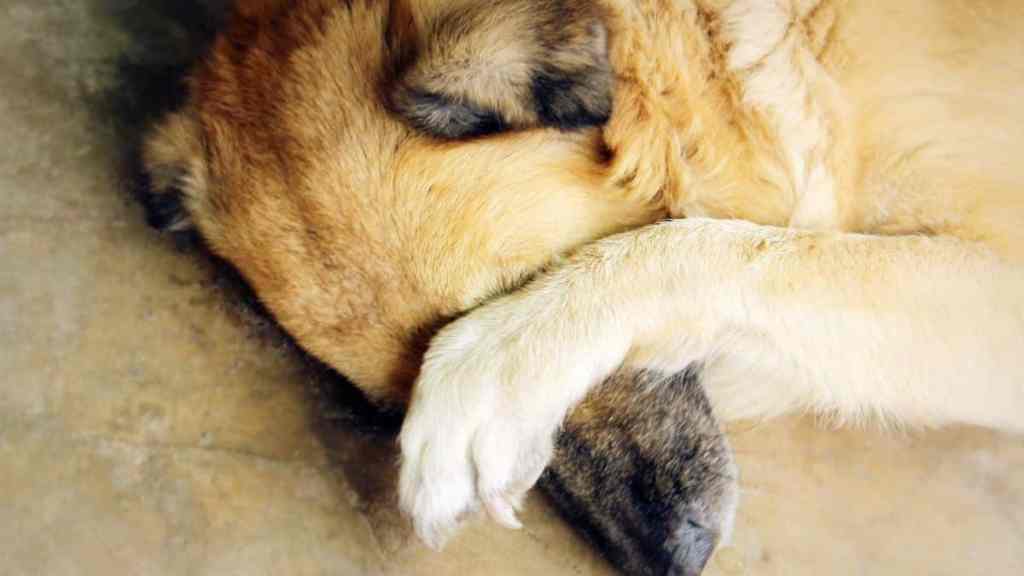
Before you do anything, it’s important to understand what’s driving your dog’s behaviour. Fear in dogs often shows up as avoidance, hesitation, or even aggression—not because they’re “naughty,” but because they feel unsafe.
Many rescue dogs were:
- Under-socialised as puppies (missing exposure to people, sounds, or environments)
- Rehomed multiple times, leading to insecurity
- Raised in stressful settings, like puppy farms or hoarding cases
- Physically or emotionally neglected
You might notice behaviours like:
- Hiding, freezing, or trembling when approached
- Avoiding eye contact or staying in corners
- Growling, barking, or snapping when scared
- Pulling away on walks or refusing to move
These are all forms of self-protection, not defiance.

Quick Tip
Don’t always interpret fear as disobedience. Shy dogs aren’t ignoring you—they’re doing their best to cope.
Step 1: Build Trust Before Anything Else
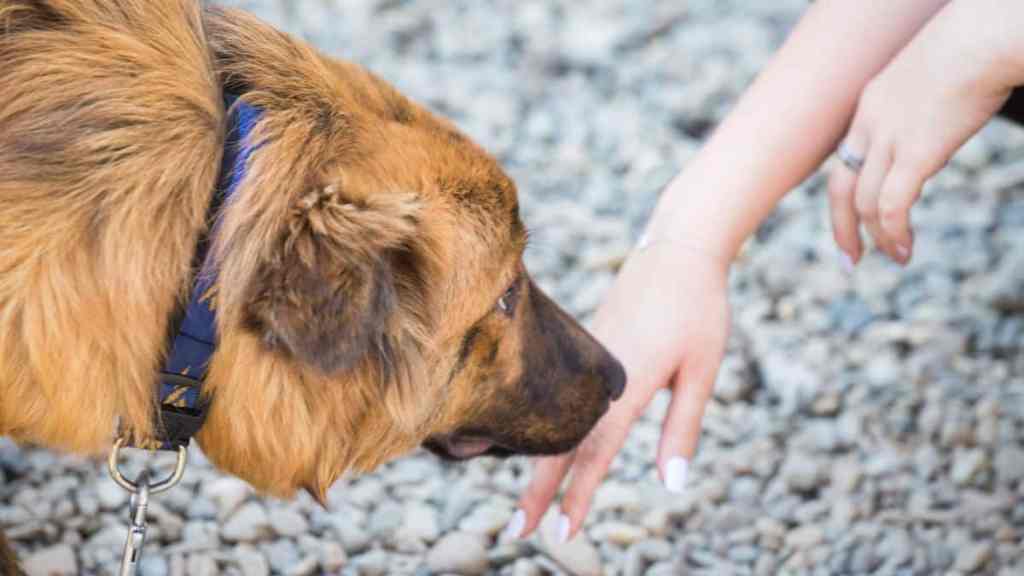
Socialisation starts at home, and it begins with one thing: trust. Your dog needs to feel that you are consistent, kind, and safe. Only then will they begin to explore beyond their fear.
Set the tone with:
Spend time in the same room without engaging them directly. Let them come to you. If they take a step closer, offer a quiet “good dog” and drop a treat nearby. The goal at this stage isn’t affection—it’s comfort. Trust grows when your dog realises you won’t force them into anything.
Quick Tip
Use high-value rewards like chicken or sausage. For shy dogs, kibble won’t cut it early on.
Step 2: Begin Socialisation in a Controlled Environment
Once your dog feels settled at home, you can begin to introduce small, non-threatening experiences. This doesn’t mean going to a busy park or inviting ten friends over. It means letting your dog observe the world calmly from a distance. Start with:
Don’t rush. If your dog chooses to retreat, that’s okay. The key is allowing them choice.
Signs your dog is coping well:
- Relaxed body posture
- Sniffing or curiosity
- Willingness to eat treats
- Engaging with their surroundings, even briefly
If your dog seems too overwhelmed (tail tucked, ears pinned, panting), back off and return to a previous step. Progress is never linear with rescue dogs—and that’s okay.
Step 3: Use Positive Reinforcement to Build Confidence
Dogs learn best through association, and for shy dogs, that means linking new experiences to something positive. This is where positive reinforcement comes in.
Whenever your dog encounters something unfamiliar—whether that’s a bin lorry, a neighbour, or a new footpath—pair it with something they love.
How to do it:
Quick Tip
Most dogs need 10–20 positive exposures to something before they stop seeing it as a threat.
Step 4: Introduce People & Dogs Safely (If They’re Ready)
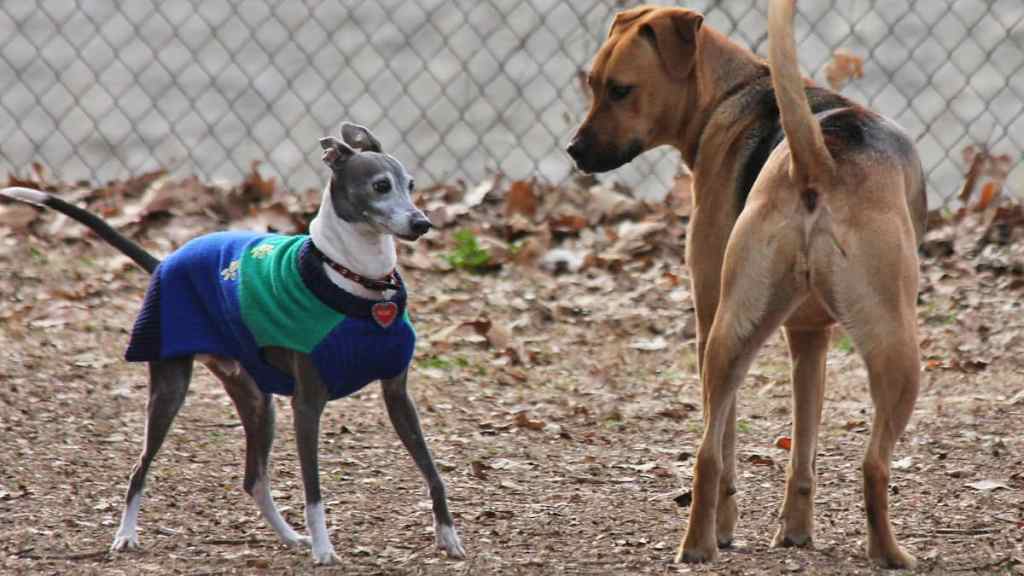
Once your dog is feeling more relaxed in your home and on short walks, you can begin thinking about introducing them to people and, where appropriate, other dogs. But this stage is only appropriate once they show signs of confidence, such as a relaxed posture, tail wagging, and curiosity when something new appears.
When meeting new people, less is more. Ask friends or family to:
Avoid crowds, loud voices, or “dog lovers” who insist on stroking them. You only get one chance to make a first impression—make sure it’s a positive one.
Introducing Other Dogs 🐾
Not every shy dog needs doggy friends. In fact, some may feel safer around humans. But if you want to try a dog intro:
Keep interactions short and sweet. Not all dogs enjoy extended play, especially if they’re still building confidence.
🧠 What the Experts Say: According to the Blue Cross and the Kennel Club UK, dogs who lack early socialisation may never become “social butterflies”—and that’s okay. Focus on tolerance, not popularity.
Step 5: Gently Tackle Triggers and Common Fears
As your dog begins to explore more of the world, you may notice certain things set them off. Common triggers for shy rescue dogs include:
The goal here is desensitisation—but done gradually and with care. For example, if your dog is afraid of bicycles:
- Start watching them from 20 metres away
- Pair each bike that passes with praise and a treat
- Over time, move 5 metres closer—but only if they’re coping
- Repeat the process over days or weeks
Quick Tip
Use the “Look at That” technique—when your dog looks at something scary, calmly say “yes!” and reward them. This teaches them that noticing triggers leads to good things, not danger.
What to Do When Things Go Wrong
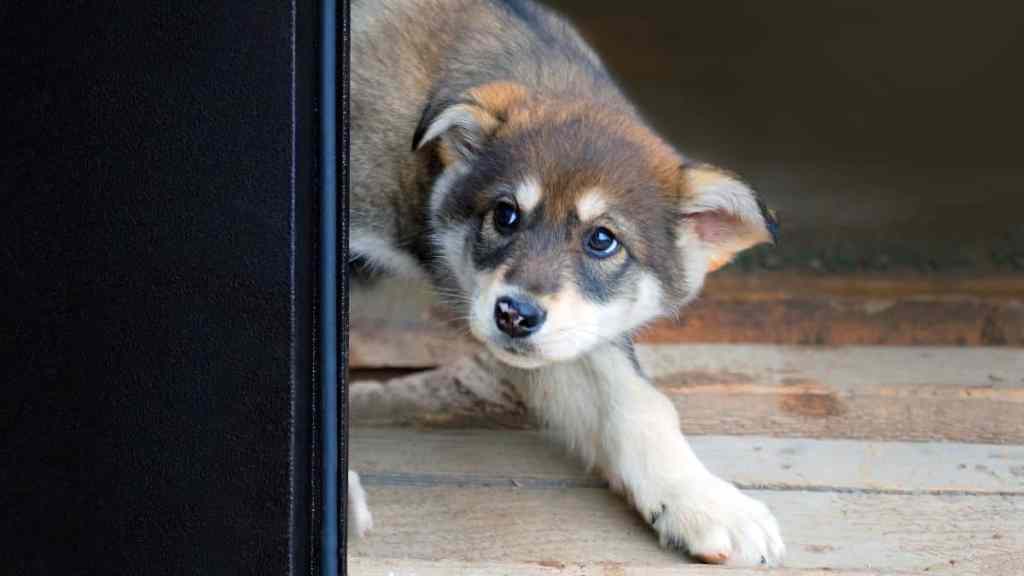
Setbacks are part of the process. Your dog might seem confident for weeks, only to suddenly regress after a scare or new situation. This is completely normal.
Common causes of regression:
- Overexposure or being pushed too far
- A frightening experience (e.g. firework, traffic noise)
- Change in routine (new home, new pet, guests staying over)
- Health issues that increase anxiety
When it happens:
- Go back to basics—reinstate structure and routine
- Revisit the “safe zone” at home
- Keep walks short and quiet
- Increase rewards for small wins
Quick Tip
Regression doesn’t mean you’ve failed. In reality, it’s often a sign your dog needs more time and reassurance—not a new approach.
Recap: Socialising a Shy Rescue Dog
Here’s a simple checklist to screenshot and refer back to 👇
Step-by-Step Summary ✅
🎯 Your job isn’t to make your dog “normal.” It’s to help them feel safe enough to become themselves.
Final Thoughts
Socialising a shy rescue dog is a journey, not a quick fix. It takes empathy, time, and consistency—but the reward is immeasurable. Watching your dog go from fearful and unsure to curious and trusting is one of the most heartwarming experiences a dog owner can have.
And remember: you’re not alone. If you ever feel stuck, reach out to a qualified behaviourist—look for those certified by the IMDT, APBC, or ABTC in the UK.
You’re doing something amazing. And with your help, your dog can finally feel what they should have known all along: the world can be a safe, happy place. 🐾