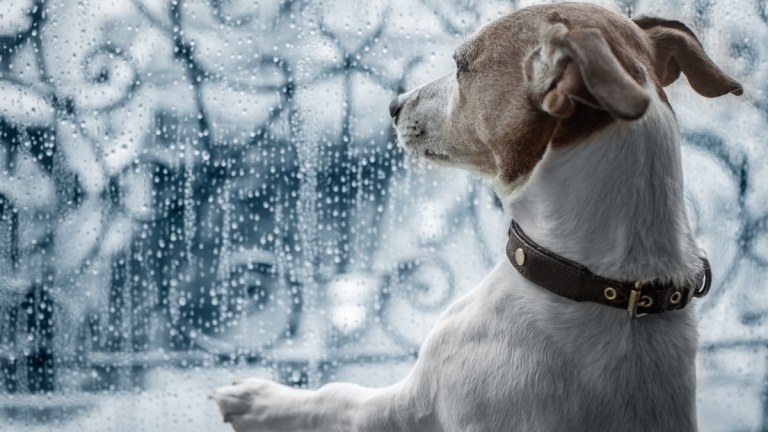
Fireworks season can be a nightmare for dog owners. Every year, millions of UK dogs experience fear, anxiety, and outright panic when the bangs and flashes begin. Whether it’s Bonfire Night, New Year’s Eve, or a random neighbourhood celebration, watching your dog tremble, hide, or howl is heartbreaking.
The good news? With the right preparation and techniques, you can help your dog feel safer and calmer during fireworks. This guide covers everything you need to know—from understanding why dogs fear fireworks to practical strategies that actually work.
Quick answer: How do I calm my dog during fireworks?
Create a safe den space, close curtains, play calming music or white noise, and stay calm yourself. Consider natural calming aids like Adaptil or Pet Remedy. For severely anxious dogs, speak to your vet about prescription medication well before fireworks season begins.
Why Are Dogs Scared Of Fireworks?
To help your dog, it helps to understand what’s happening in their brain when fireworks go off.
Dogs have far more sensitive hearing than humans—they can detect sounds four times further away and hear frequencies we can’t. When a firework explodes, your dog experiences:
Unlike humans, dogs can’t rationalise that fireworks are harmless. To them, it genuinely sounds like their world is under attack.

Signs Your Dog Is Anxious
Not all dogs show fear in the same way. While some tremble visibly, others display subtler signs of stress. Recognising anxiety early helps you intervene before panic sets in.
Mild Signs:
- Ears pinned back or rotating towards sounds
- Yawning or lip-licking (when not tired or hungry)
- Pacing or inability to settle
- Seeking more attention than usual
Moderate Signs:
- Trembling or shaking
- Excessive panting (when not hot)
- Hiding under furniture or in corners
- Refusing food or treats
- Whining or barking
Severe Signs:
- Attempting to escape (scratching doors, jumping fences)
- Destructive behaviour (chewing, digging at carpets)
- Loss of bladder or bowel control
- Drooling excessively
- Complete shutdown (frozen, unresponsive)

Quick Tip
Film your dog during fireworks if you’re unsure how they’re coping. Sometimes we miss subtle stress signals when we’re focused on comforting them.
Preparing Your Home
Preparation is key to helping your dog cope. Start these steps at least a week before expected fireworks:
Calming Products That Can Help
Several products can help reduce anxiety. Start using these a few days before fireworks for best results:
- Adaptil diffusers or sprays – Release calming pheromones that mimic a mother dog’s scent
- Pet Remedy – Valerian-based calming spray
- Thunder shirts – Anxiety wraps that provide gentle, constant pressure
- Calming supplements – Products containing L-theanine, chamomile, or valerian
For dogs with severe anxiety, speak to your vet about prescription options like Sileo (dexmedetomidine) or other anti-anxiety medications.

What NOT to Do
Some well-meaning actions can actually make things worse:
Long-Term Solutions
If your dog’s firework fear is severe, consider working with a qualified behaviourist on desensitisation training. This involves gradually exposing your dog to recorded firework sounds at very low volumes, paired with positive experiences, over several months.
For more information on managing canine anxiety, read our guide on understanding dog behaviour and what their actions really mean.
Final Thoughts
Helping a dog through fireworks fear requires patience, preparation, and understanding. Every dog is different—what works for one may not work for another. The key is to start early, stay calm, and provide your dog with the security they need.
Looking for more advice on keeping your dog calm and happy? Explore our dog psychology guides for comprehensive information on understanding your furry friend.