Cockapoos come in all shapes and sizes — which is part of the charm, but also a bit confusing. If you’re trying to plan ahead, whether it’s for a harness, a home setup, or just making sure they’ll fit on your lap, one of the most common questions is: how big do Cockapoos actually get?
The answer? It depends — on their parentage, their type (Toy, Miniature, or Standard), and even on their specific coat and bone structure. Some stay small enough to carry under one arm, while others are surprisingly solid little units that can weigh as much as a Labrador puppy.
In this guide, we’ll break down Cockapoo sizes by type, walk you through a growth timeline, explain what affects their final size, and help you estimate how big your pup might get. Whether you’re a future owner or just curious about your curly-haired companion, here’s everything you need to know.
Why Cockapoo Size Varies
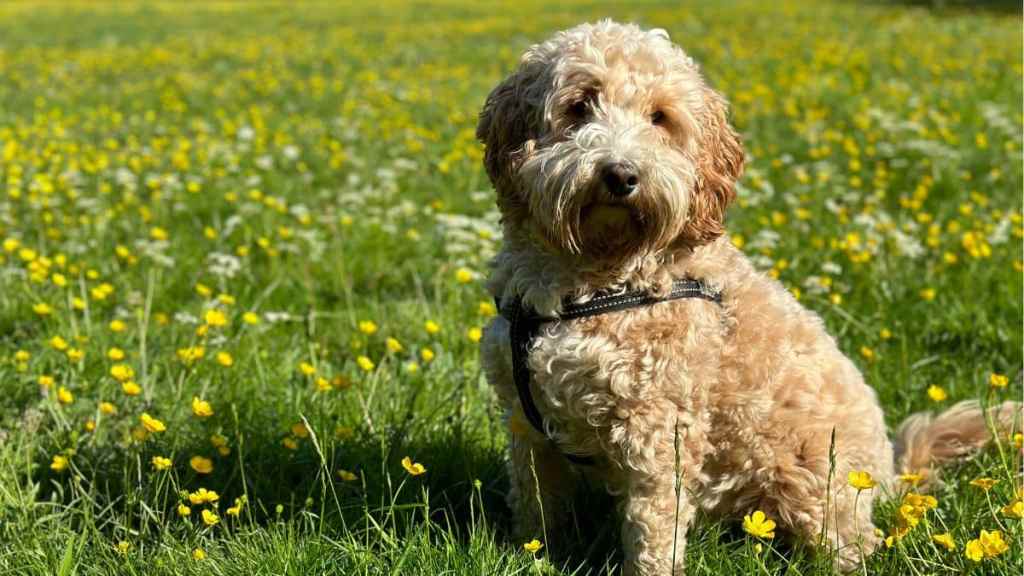
One of the quirks of Cockapoos is that no two are exactly the same size — even within the same litter. That’s because Cockapoos are not a purebred breed, but a cross between a Poodle (usually Toy, Miniature, or occasionally Standard) and a Cocker Spaniel (either English or American).
Unlike purebreds, there’s no official breed standard for Cockapoos — so size can vary quite a lot depending on genetics.
What influences a Cockapoo’s size?
🐩 1. The Poodle Parent’s Size
This is the biggest size factor. The size of the Poodle used in breeding plays a huge role:
- Toy Poodle Cockapoo – usually 10–11 inches tall, 4–6 kg
- Miniature Poodle Cockapoo – 11–14 inches tall, 6–10 kg (most common in the UK)
- Standard Poodle Cockapoo – 14–16+ inches, 10–13+ kg (much rarer)
A Toy Poodle parent = smaller, lighter Cockapoo. A Standard Poodle parent = taller, leggier, more athletic dog.
Miniature Poodle crosses tend to strike the most balanced size for UK homes.
🐶 2. The Cocker Spaniel Side
Cockapoos are also influenced by whether they’re bred from:
- American Cocker Spaniels — smaller, stockier, rounder faces
- English Cocker Spaniels — taller, leaner, longer legs
This affects size, body shape, and occasionally temperament too.
🧬 3. The “F” Generation (F1, F1B, F2, etc.)
If your breeder mentioned terms like F1 or F1B, here’s what they mean — and how they impact size and traits:
|
Generation |
What it Means |
Size Predictability |
|---|---|---|
|
F1 |
50% Poodle × 50% Cocker Spaniel (first-gen cross) |
Medium (most variation) |
|
F1B |
F1 Cockapoo × Poodle (75% Poodle, 25% Cocker) |
Often curlier, smaller |
|
F2 |
F1 Cockapoo × F1 Cockapoo |
Traits vary widely again |
|
F2B |
F1B × F1 or Poodle — more selective breeding |
Often more consistent |
- F1 Cockapoos can vary more in size and coat.
- F1B pups usually lean smaller and curlier (due to more Poodle genes).
- F2 or multigen Cockapoos can be more predictable if bred carefully, but this isn’t always the case with casual breeders.

Quick Tip
If you’re unsure which generation your dog is, ask your breeder — or check your paperwork if you have it. It’s a useful clue for estimating final size.
Cockapoo Size & Weight Chart (By Type)
While there’s no one-size-fits-all rule, most Cockapoos fall into three general size categories — based on the size of their Poodle parent: Toy, Miniature, or Standard. Below is a helpful guide to typical heights and weights for each type.
Cockapoo Size Table
|
Cockapoo Type |
Height at Shoulder |
Adult Weight (kg) |
Common Traits |
|---|---|---|---|
|
Toy Cockapoo |
10–11 inches (25–28cm) |
4–6 kg |
Smallest size, ideal for lap dogs or travel |
|
Miniature Cockapoo |
11–14 inches (28–36cm) |
6–10 kg |
Most common in the UK, balanced temperament |
|
Standard Cockapoo |
14–16+ inches (36–41+cm) |
10–13+ kg |
Rarer, larger and more energetic build |
📌 A few things to keep in mind:
- Height is measured to the shoulder, not the head
- Cockapoos often feel heavier than they look due to muscle mass
- Dogs from the same litter can still end up in different size categories

Cockapoo Growth Timeline: From Puppy to Full Size

Cockapoos grow quickly in the first few months, but their development isn’t finished when they hit “puppy adult” status. Like many dogs, their height and weight settle at different times, and there’s often a second stage where they “fill out” and mature mentally.
Here’s what you can expect as your Cockapoo grows:
🐾 0–3 Months: Rapid Puppy Growth
- Growth is fast and noticeable — weekly size changes
- This is when puppies double (or triple) their birth weight
- Most Cockapoos will already show whether they’re likely to be Toy, Mini, or Standard size by this point
🐾 4–6 Months: Lean and Leggy
- Growth remains fast, especially in height
- They’ll often look a bit lanky or out of proportion — totally normal
- Most Cockapoos reach 70–80% of their adult height by 6 months
🐾 6–9 Months: Slowing Down
- Height growth begins to level off
- Muscles start to develop and fill out
- This is when many Cockapoos start “looking like” adult dogs
🐾 9–12 Months: Near Full Size
- Most Cockapoos reach full adult height by 9–12 months
- Weight may still increase slightly as they gain muscle and matur
🐾 12–18 Months: Final Fill Out
- You’ll notice coat changes (curlier, thicker)
- Behaviour matures gradually
- Some Cockapoos (especially males or standard crosses) continue to gain weight until 14–18 months
Quick Tip
If your Cockapoo still looks skinny at 9 months, don’t panic — many go through a “teenage” phase before fully filling out.
How to Estimate Your Cockapoo’s Adult Size

If your Cockapoo is still growing, it’s natural to wonder how big they’ll end up. While no prediction is perfect, there are a few useful ways to estimate your dog’s final size — especially during the puppy months.
🧬 1. Check the Parents’ Sizes
If you got your Cockapoo from a breeder, ask about the size of the Poodle and Cocker Spaniel parents. This is usually the most reliable guide — your dog is unlikely to be much bigger or smaller than their parents.
🐾 2. Look at the Paws
A classic trick: big paws = more to grow into. If your pup’s paws look oversized for their body, they may still have a lot of growth ahead.
📉 3. Track Their Weight Over Time
Regular weigh-ins (weekly or fortnightly) can help you monitor your pup’s growth curve. Most Cockapoos are within 1–2 kg of their final adult weight by 6–8 months, especially Toy and Miniature types.
🩺 4. Ask Your Vet
Your vet can give a rough projection during routine checkups — especially if you know which size Poodle your Cockapoo is crossed with.
Quick Tip
Keep in mind: spaying or neutering early may slightly affect growth, sometimes delaying when bones stop growing — but it’s not usually a dramatic difference.
Will My Cockapoo’s Coat Change As They Grow?
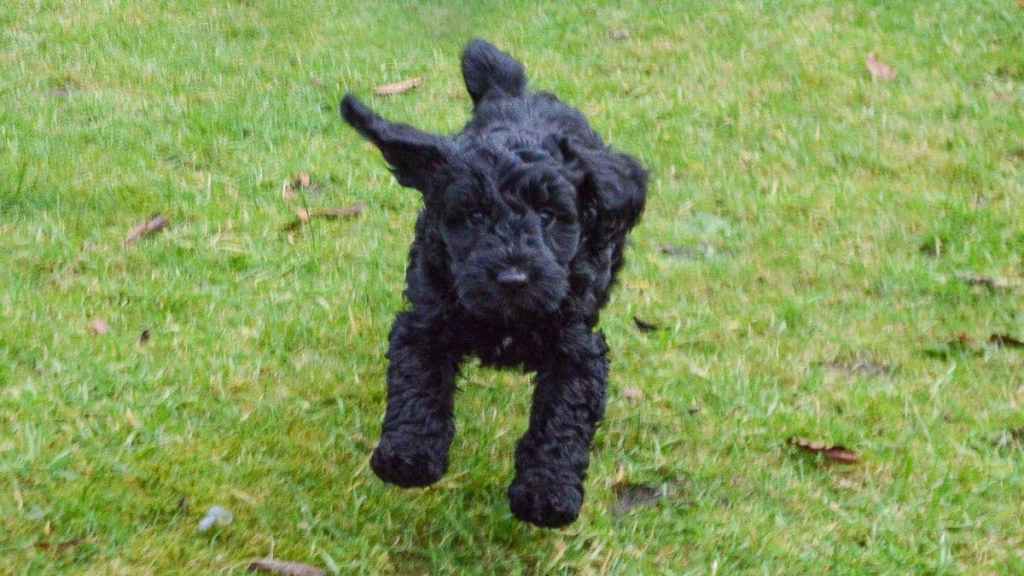
Yes — and it often surprises people! Cockapoo coats almost always change between puppyhood and adulthood, sometimes quite dramatically. This is totally normal and part of what makes owning a Cockapoo so unique.
Puppy Coat vs Adult Coat
Cockapoo puppies are typically born with softer, finer, and sometimes straighter coats. They often look fluffy or silky — and may even shed a little during the early months.
Around 6 to 9 months, you’ll likely notice the adult coat starting to come in:
- It becomes thicker, coarser, and often curlier or wavier
- Shedding usually decreases — or becomes nearly zero for curlier coats
- Tangling and matting can increase, especially around ears, belly, and legs
✂️ Why This Matters
- Your grooming routine may need to change suddenly — weekly brushing becomes essential for many
- Some owners think their Cockapoo’s “low maintenance” coat has disappeared overnight — it hasn’t, it’s just matured
- Early grooming habits (brushing, combing, paw handling) make the adult coat much easier to manage
Quick Tip
If you’re surprised your Cockapoo is curlier (or straighter) than expected, don’t worry — it happens! Mixed breeds like Cockapoos can be full of coat surprises.
Does Size Affect Personality or Lifestyle Fit?

Cockapoos are known for being affectionate, clever, and full of energy — but does their size change how they behave or how much care they need? In short: a little, but not dramatically. The fundamentals are consistent across the board, but there are some subtle differences.
Smaller Cockapoos (Toy Crosses)
Mid-Sized Cockapoos (Miniature Crosses)
Larger Cockapoos (Standard Crosses)
Quick Tip
No matter the size, every Cockapoo needs time, training, enrichment, and lots of human company. Size might shape the lifestyle, but it doesn’t change the love.
Cockapoo Size FAQs
Still have questions? Here are quick answers to some of the most common Cockapoo size queries from future and current owners:
Final Thoughts
Cockapoos may be full of surprises, but that’s part of what makes them so loveable. Whether you end up with a dainty lap dog or a bouncy, medium-sized sidekick, knowing what to expect in terms of size can help you plan — from harnesses and crates to exercise and lifestyle.
While they may vary in height and weight, all Cockapoos share that signature mix of brains, energy, and affection. And whether yours is a Toy, Miniature, or Standard cross, the most important thing is that they fit your life — not just your sofa.
Still unsure about your pup’s final size? Keep tracking their growth, speak to your vet, and embrace the journey. However big (or small) they get, they’re guaranteed to take up a huge space in your heart.