Living with a reactive dog can be challenging, but with patience, understanding, and the right strategies, you can help your canine companion navigate the world more comfortably. Reactivity is often misunderstood as aggression, but in reality, it is more commonly driven by fear, frustration, or overstimulation.
Many dogs display some level of reactivity, whether towards other dogs, strangers, or environmental triggers such as bicycles or loud noises. While it can feel overwhelming at times, there are effective training techniques and management strategies that can significantly improve a reactive dog’s confidence and behaviour.
In this comprehensive guide, we’ll explore the causes of reactivity, how to recognise early signs, and proven methods to manage and reduce reactivity in a way that is practical, ethical, and science-backed.
What is Canine Reactivity?

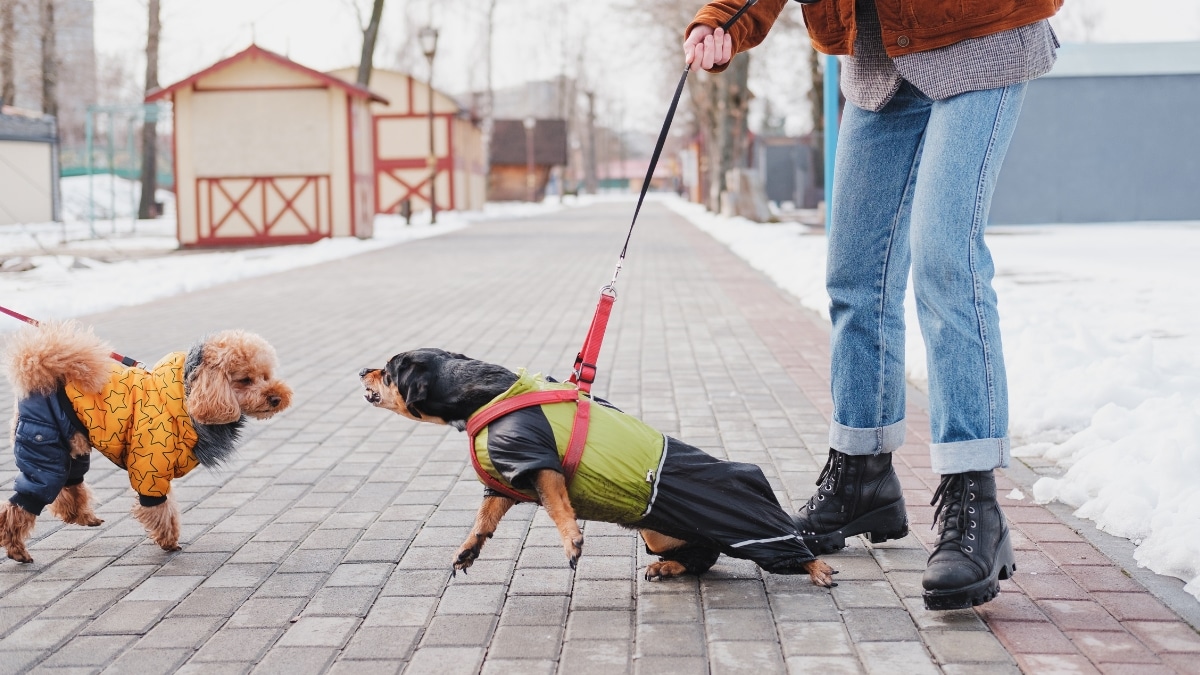
Reactivity refers to an over-exaggerated response to a stimulus. It can range from barking and lunging to growling, whining, or cowering in fear. Reactivity is not necessarily aggression—many reactive dogs are simply struggling to cope with situations that they find stressful or overwhelming.
Common Signs of Reactivity:
- Excessive barking or whining
- Lunging at other dogs, people, or objects
- Ears pinned back or stiff posture
- Lip licking, yawning, or turning the head away (stress signals)
- Dilated pupils or intense staring
- Freezing in place or cowering
While these behaviours may look intimidating, they often stem from anxiety rather than an intention to cause harm. Identifying reactivity early is key to managing it effectively.

Quick Tip
Many reactive behaviours develop between 6 months and 2 years of age, when a dog’s social confidence is still forming. This is why early training and socialisation are essential!
What Causes Reactivity in Dogs?
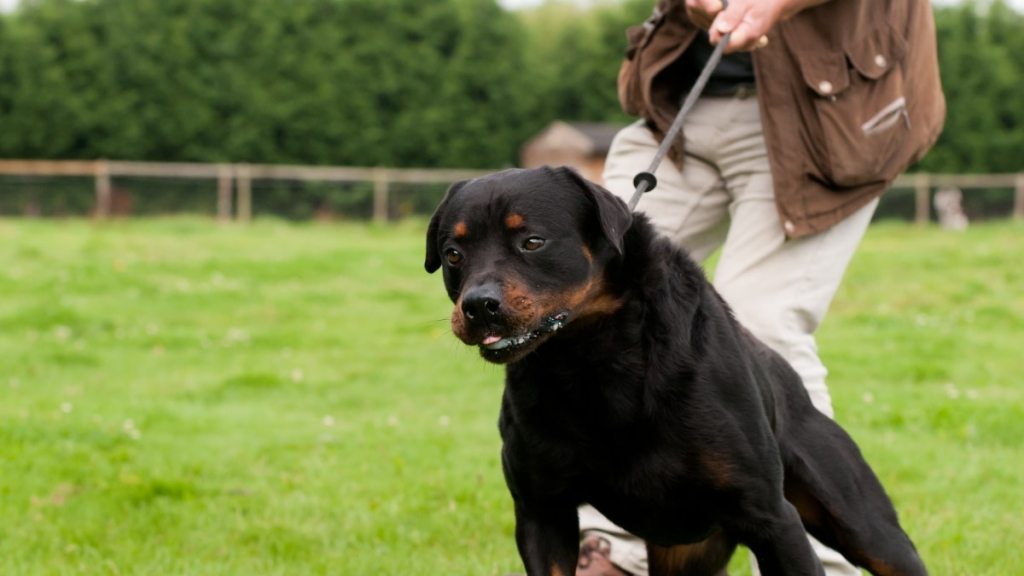
Reactivity does not happen overnight—there are often multiple contributing factors. Understanding the root cause of your dog’s reactivity can help tailor an appropriate training plan.
1. Fear-Based Reactivity
Some dogs react because they are afraid. If a dog has had a bad experience—such as being attacked by another dog or startled by loud noises—they may become defensive in similar situations. Rescue dogs with unknown pasts often exhibit fear-based reactivity due to past trauma.
2. Frustration Reactivity
Many dogs react out of frustration when they want to interact but are unable to. This is common in social, high-energy breeds like Labradors and Spaniels who feel restricted on a lead when they see another dog.
3. Lack of Early Socialisation
Dogs who were not adequately exposed to different people, dogs, and environments as puppies may struggle to adapt to new situations later in life. Poor socialisation during the critical 3–16 week puppy window can lead to uncertainty and overreaction to stimuli.
4. Genetic Predisposition
Some breeds are naturally more alert, sensitive, or independent, making them prone to reactivity. For example, herding breeds like Border Collies and Australian Shepherds may react more strongly to movement, while guarding breeds like German Shepherds may display heightened vigilance.
5. Lead Reactivity
Many dogs behave well off-lead but become reactive when restrained. This occurs because a lead restricts a dog’s ability to approach, retreat, or communicate naturally. This frustration can lead to lunging, barking, or even aggressive-looking behaviour.
Quick Tip
Studies show that dogs on leads are more likely to react aggressively than those off-lead because they feel trapped and unable to flee from stressful encounters.
How to Manage and Reduce Reactivity

The good news is that reactivity can be improved with patience and the right training approach. Here’s a step-by-step guide:
1. Identify Your Dog’s Triggers
The first step is knowing what sets your dog off. Keep a reactivity journal and note when your dog reacts:
- What was the trigger?
- How far away was it?
- What body language did your dog display before reacting?
- What happened afterward?
Understanding patterns will help create a tailored training plan.
2. Use Counter-Conditioning and Desensitisation
The goal is to change your dog’s emotional response to triggers:
- Start at a distance where your dog notices the trigger but does not react.
- Pair the sight of the trigger with high-value treats or toys.
- Gradually decrease the distance over several weeks, rewarding calm behaviour.
3. Reinforce Alternative Behaviours
Instead of punishing reactivity, teach replacement behaviours:
- Train your dog to focus on you using a command like “Look at me” or “Watch.”
- Use reward-based training to reinforce calmness.
- Teach the “Check-In” game, rewarding your dog for looking at you when they notice a trigger.
4. Manage the Environment
Until training progresses, it’s okay to avoid overwhelming situations:
- Walk in quieter areas where your dog can feel safe.
- Use barriers like parked cars to break your dog’s line of sight to triggers.
- Choose off-peak hours for walks to reduce encounters with other dogs.
5. Train on a Loose Lead
Avoid tension on the lead—tight leads increase anxiety and reactivity. Instead:
- Use a front-clip harness to give you control without restricting movement.
- Reward your dog for walking calmly beside you.
- Stop moving if they lunge, only continuing once they refocus on you.
Quick Tip
Dogs on retractable leads tend to be more reactive due to the unpredictable tension and freedom they experience.
What NOT to Do with a Reactive Dog
Quick Tip
Instead, focus on positive reinforcement, consistency, and gradual exposure.
When to Seek Professional Help

If your dog’s reactivity is severe or escalating, consult a qualified behaviourist who uses force-free training methods. Professionals can provide structured training plans tailored to your dog’s specific needs.
- Veterinary Behaviourists – Can rule out medical causes of reactivity.
- Certified Dog Trainers – Can provide hands-on training and guidance.
- Online Reactivity Courses – A cost-effective way to access expert knowledge.
Quick Tip
Many professional trainers use the “BAT 2.0” (Behaviour Adjustment Training) method, which focuses on empowering the dog to make calmer choices when faced with triggers.
Final Thoughts
Helping a reactive dog is a journey, not an overnight fix. By using positive reinforcement, patience, and strategic training, you can help your dog feel more confident and at ease. Remember, setbacks are normal, but with consistency, you will see progress.
🐾 Have you helped a reactive dog? Share your experiences and tips in the comments!