Hamsters might be small, but their brains are wired for activity. In the wild, they spend every night foraging, digging, and navigating vast territories. When we bring them into our homes, it’s our job to replicate that complexity — not just offer a cage and call it a day.
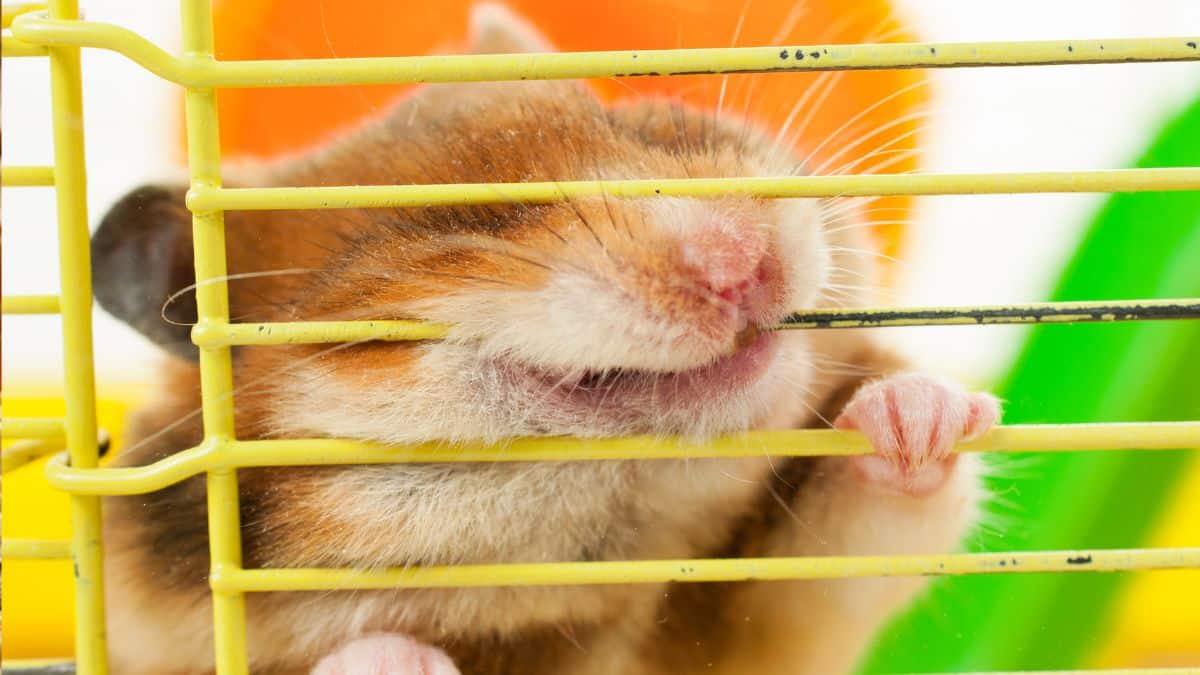
Boredom in hamsters isn’t just a behavioural issue; it’s a welfare one. An under-stimulated hamster may become anxious, aggressive, or depressed. They may chew the bars of their cage, obsessively run on their wheel, or stop engaging with you altogether. In some cases, chronic boredom can even lead to self-harming behaviours like over-grooming or cage biting.
The good news? Most hamster boredom is fixable — with the right knowledge and setup.
Why Boredom Matters for Hamsters
Think of it this way: a hamster in a tiny, bare cage is like a human locked in a cupboard with no books, no phone, no food variety, and no ability to explore. Sounds awful, right?
Hamsters are naturally curious, solitary explorers. They thrive in enriched environments where they can:
Without this stimulation, their mental and physical health can suffer. Boredom leads to stress — and stress can suppress the immune system, trigger repetitive behaviours, and lower your hamster’s quality of life.
This isn’t about pampering your pet. It’s about meeting their basic species-specific needs.
6 Signs Your Hamster Might Be Bored (and What They Mean)

1. Constant Bar Chewing
Bar biting is one of the clearest behavioural signs your hamster is under-stimulated. If your hamster chews the bars of their cage — especially during the night — it’s not just a habit, it’s a red flag. This repetitive action often signals frustration, especially in cages that are too small or lacking in enrichment.
💡 Quick Tip: Bar chewing can lead to painful dental issues and stress. A larger, bar-free enclosure filled with burrowing material, tunnels, and chew toys can help stop this behaviour quickly.
2. Frantic Digging or Corner Scratching
Hamsters are natural burrowers, but excessive, frantic digging — especially in just one corner of the cage — may indicate stress or a lack of proper bedding depth. If they’re constantly pawing at the corners or pacing the edges, they might be trying to “escape” an unstimulating environment.
💡 Fix it: Provide 15–30cm of diggable bedding like paper-based substrate or aspen. Hide treats or nesting materials to encourage natural foraging and exploratory digging.
3. Obsessive Wheel Running
While hamsters love their wheels, endless running with no breaks can be a sign of boredom or a lack of other outlets. They’re not “just energetic” — they’re telling you there’s nothing else to do. Compulsive running can also be a result of anxiety, particularly in cramped or plain environments.
💡 Fix it: Make sure the wheel is the correct size (28cm+ for Syrians) and rotate other forms of stimulation — such as platforms, chews, and tunnels — weekly to keep their habitat fresh.
4. Aggression or Sudden Behaviour Changes
Boredom can manifest in temperament shifts. If your usually placid hamster becomes nippy, avoids handling, or displays defensive behaviours, it may be caused by an unvaried environment or lack of stimulation. Hamsters are solitary, but they still crave novelty and interaction.
💡 Fix it: Offer gentle daily handling, provide toys that encourage foraging and exploration, and switch up the cage layout regularly to keep your hamster mentally active.
5. Oversleeping or Lethargy
Hamsters are nocturnal, but a bored hamster may sleep longer than usual, even during their active periods. If they’re not interested in food, play, or exploring at night, they may be mentally under-stimulated or even depressed — yes, hamsters can experience low mood too.
💡 Fix it: Add scent-rich toys (like dried herbs), cardboard shredders, and textured tunnels. Sometimes, something as simple as moving things around can re-spark curiosity.
6. Escaping or Climbing the Bars
If your hamster is climbing cage bars, scaling water bottles, or making frequent escape attempts, they’re not just “adventurous” — they’re likely trying to escape a dull or confining space. This behaviour is particularly common in cages that don’t meet the minimum floor space or enrichment standards.
💡 Fix it: The RSPCA recommends at least 80 x 50cm of floor space. Upgrade to a bigger cage with dig zones, ledges, hides, and chewable textures to keep their environment worth exploring.
How to Keep Your Hamster Stimulated and Happy

Boredom in hamsters is more than just a personality quirk — it affects their health, behaviour, and even their lifespan. But the good news? Keeping your hamster mentally and physically engaged doesn’t require expensive toys or fancy equipment. Just a bit of know-how and thoughtful setup can transform their world.
Here’s how to provide an enriching hamster environment that encourages natural behaviour and prevents boredom-related problems.
Upgrade Their Cage (It Matters More Than You Think)
A cramped, sparse cage is the number one cause of stress and boredom. Most pet shop cages are far too small, despite being marketed as suitable. Hamsters are active creatures that need space to explore, dig, and nest.
Ideal cage dimensions:
Opt for:
💡 Remember: Bigger isn’t just better — it’s essential.
Rotate and Refresh Their Toys Weekly
Even the best toys become boring if they never change. Introducing new textures, shapes, and layouts keeps your hamster engaged and curious.
Toy ideas to include:

Quick Tip
Keep 3–4 toys in the cage and rotate weekly. This keeps things exciting without overcrowding the space.
Embrace Scatter Feeding and Foraging Games
Hamsters are natural foragers — in the wild, they spend hours searching for food. Replicating this at home is one of the easiest and most effective boredom busters.
Instead of dropping food in a bowl:
This encourages movement, mental stimulation, and reduces stress.
Offer Out-of-Cage Exploration Time

A hamster-safe play area outside their cage gives them a new world to explore, sniff, and climb — and it’s a fantastic way to build your bond too.
Try:
Add enrichment like:
Quick Tip
Always supervise — hamsters are escape artists!
Gentle, Consistent Interaction Builds Trust

A bored hamster may become withdrawn, but regular gentle handling can turn things around. Consistent, positive human interaction helps reduce stress, builds confidence, and prevents boredom.
Tips for bonding:
Even a few minutes each day can create a happier, more social hamster.
Final Thoughts
Hamsters may be small in size, but their need for stimulation, space, and enrichment is anything but. When their environment falls short, they don’t just get bored — they can become anxious, frustrated, and even unwell. The good news? It doesn’t take expensive toys or high-end setups to make a huge difference.
By focusing on the fundamentals — a spacious cage, deep bedding for digging, plenty of foraging opportunities, and regular out-of-cage time — you’ll be giving your hamster the life they deserve. These small, thoughtful changes are often all it takes to transform a restless or withdrawn pet into a curious, active companion.
So if your hamster seems a little off lately, take a step back and reassess their world. With the right tweaks, you’ll be rewarded with a healthier, happier hamster — and a stronger bond between you.