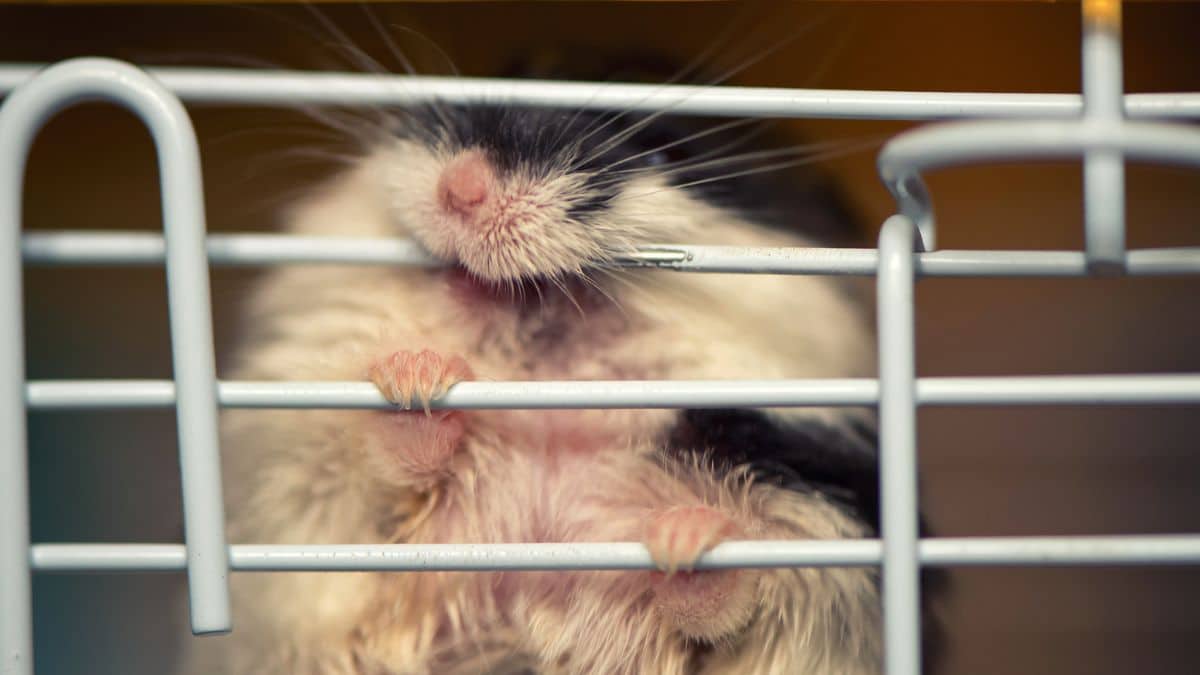
Is your hamster spending more time chewing its cage bars than playing with its toys? You’re not alone — and this isn’t just a quirky habit. Bar biting, also known as cage chewing, is one of the most common behavioural signs that something’s off in your hamster’s setup. And while it might seem harmless, it can lead to serious issues, including dental damage and stress.
In most cases, your hamster is trying to tell you they’re bored, frustrated, or living in an environment that doesn’t meet their needs. Whether you’ve just brought them home or you’ve noticed a change in behaviour, it’s worth digging into the real reasons behind bar biting — and, most importantly, how to fix it.
Let’s take a closer look at why this happens, what your hamster might be experiencing, and how to create a calmer, safer, chew-free life for them.
Boredom and Lack of Enrichment
When hamsters get bored, they don’t sulk quietly — they chew. These are incredibly active and instinct-driven animals. In the wild, hamsters spend hours each night exploring their territory, burrowing, foraging for food, and building nests. If their cage environment lacks stimulation, they’ll seek out anything to interact with — and the bars become an easy target.
Signs your hamster might be bored:
Without varied enrichment, these behaviours can quickly become compulsive — and stressful for both of you.
How to fix it:

Quick Tip
Don’t underestimate the power of DIY enrichment. Toilet roll tubes, shredded paper, and even old egg cartons (with food inside) can keep your hamster busy and curious — without spending much at all.
Inadequate Cage Size

This is one of the most common — and most overlooked — causes of bar chewing. Despite being small animals, hamsters need a lot more space than most commercial cages offer. Sadly, many pet shop cages are sold as “suitable” when they’re anything but. Cramped living conditions are a major trigger for stress-related behaviours, including obsessive chewing, pacing, and even aggression.
Why size matters:
In the wild, hamsters roam for miles each night. Confined to a small box with limited space to dig, explore, or nest, they become frustrated and restless. No amount of toys can make up for a cage that simply doesn’t meet their basic spatial needs.
Recommended cage size (UK standards):
What happens in a cage that’s too small?
- Repeated bar chewing, especially at night
- Stress-related symptoms like fur loss or aggression
- Lethargy or depression due to lack of stimulation
- Obsessive use of the wheel as the only activity available
If you suspect your hamster’s habitat is too small, upgrading to a larger, well-designed enclosure can drastically reduce chewing and improve their overall wellbeing.
Quick Tip
Always prioritise horizontal space over vertical levels. Hamsters are ground-dwelling animals — they don’t climb for fun like rats or mice.
Is Bar Biting Just a Habit?

It might start with boredom or stress, but once the behaviour sets in, bar biting can become a habit — one your hamster performs even if the original cause has been fixed. That’s because repetition builds routine, and in a restricted or unstimulating environment, chewing becomes a form of self-soothing.
Can hamsters get “addicted” to bar chewing?
Not in the human sense, but yes — some hamsters develop repetitive behaviours, especially if they’ve spent weeks or months in a small, unstimulating cage. Over time, bar chewing can become a default response to any minor frustration, even after upgrades are made.
But don’t lose hope — even persistent chewers can improve once their environment better reflects their natural needs.
Why it’s still worth addressing:
Even if it seems like “just a habit,” bar chewing can cause real physical harm:
Quick Tip
If your hamster still bites bars after cage improvements, try partially blocking their favourite chewing spot with chew-proof panels (like acrylic or tile) — and redirect the behaviour with more foraging activities and softwood chews nearby.
How to Stop Your Hamster Biting the Cage (Without Stress)
Stopping bar biting isn’t about punishment — it’s about understanding what your hamster needs, and giving them healthier, safer ways to express natural behaviour. Once you remove the root causes (like cramped space or boredom), most hamsters stop chewing on their own.
Here’s how to help them break the habit gently and effectively.
🏠 Upgrade the cage size and layout
This is the number one change that makes a difference.
A tiny, under-stimulating cage is the biggest trigger for stress-based chewing. If your hamster’s home doesn’t meet minimum size guidelines, even the best toys won’t fix the problem.
Minimum cage size (UK standard):
- Syrian hamsters: 80 x 50 cm floor space minimum
- Dwarf hamsters: Same minimum applies — they may be smaller, but their energy isn’t!
Aim for:
- Deep bedding (15–20cm) to allow proper burrowing
- A spacious, horizontal layout (hamsters aren’t climbers)
- Multiple “zones” — for digging, hiding, eating, and playing
Quick Tip
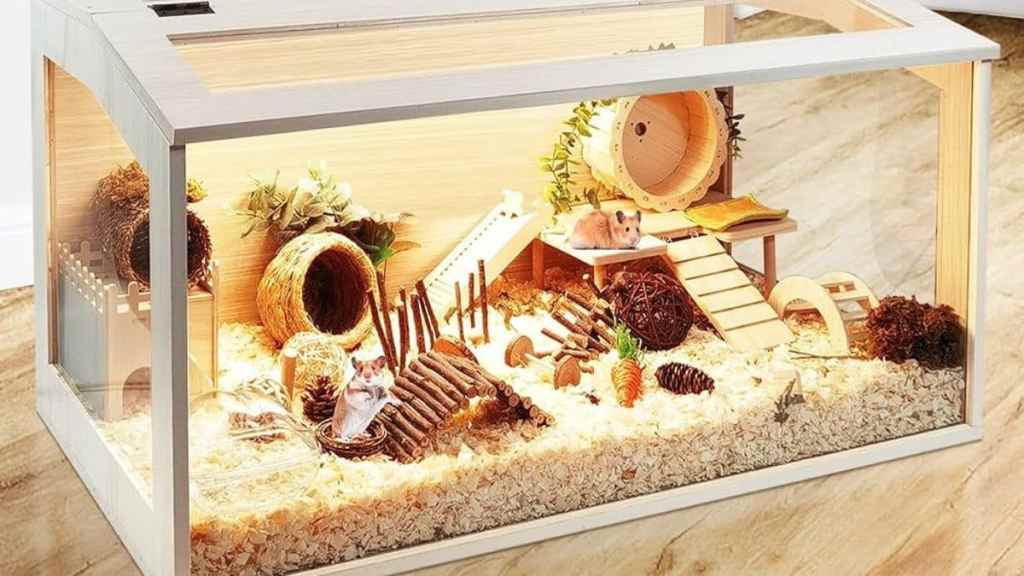
Glass tanks, bin cages, and large DIY enclosures often provide far more space than standard pet shop cages, and are often cheaper too.
🧩 Add meaningful enrichment
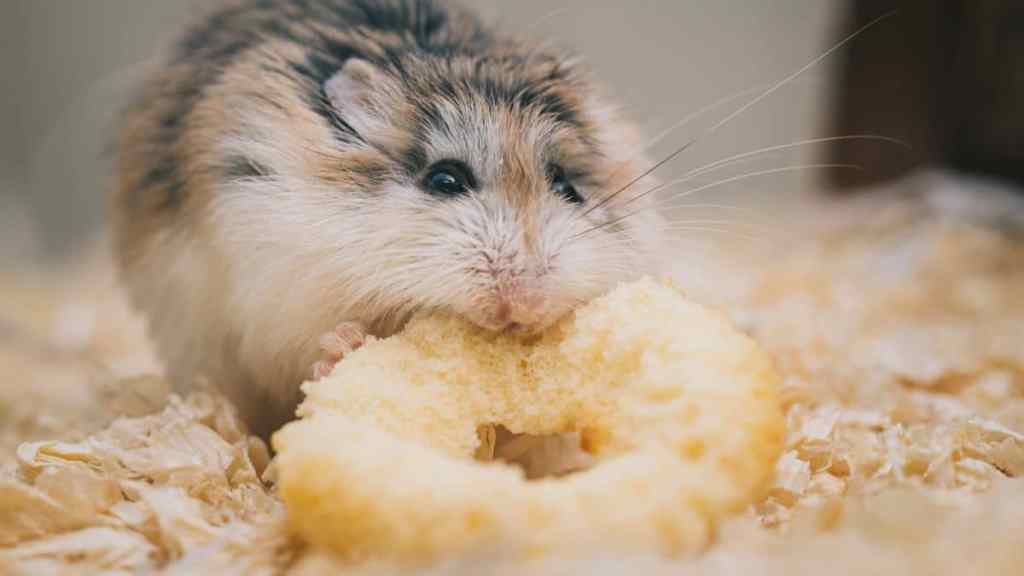
Toys aren’t just decoration — they’re crucial outlets for your hamster’s energy, instincts, and curiosity.
Top boredom busters:
- Chewable items – like applewood sticks, seagrass balls, loofahs, and natural chews
- Foraging opportunities – scatter feed instead of using a bowl, and hide treats inside toilet rolls or cardboard tubes
- Tunnels & hides – provide safe zones for nesting and exploration
- Wheels – a properly sized, solid wheel helps burn off energy
🐹 Rotate toys weekly to keep things fresh and exciting — even small layout changes can reignite curiosity.
Environmental Stress & Routine: The Overlooked Culprit
Sometimes, the problem isn’t the toys or the cage size — it’s everything else. Hamsters are highly sensitive to their environment, and stress can be a huge trigger for repetitive behaviours like bar chewing.
🚪 Cage location matters more than you think
Where you place your hamster’s cage can make a big difference to their stress levels.
Avoid:
- Loud, high-traffic areas like kitchens, hallways, or near TVs
- Direct sunlight or radiators (hamsters are heat-sensitive)
- Vibrating surfaces like washing machines or speakers
Instead, opt for a quiet, temperature-stable room where your hamster can stick to their natural nocturnal schedule without interruption.
⏱️ Keep a calm, consistent routine
Hamsters thrive on predictability. Constant changes to their environment or schedule can make them anxious — and that anxiety often shows up as chewing, hiding, or aggression.
To reduce stress:
- Feed them around the same time each evening
- Avoid waking them during the day unless absolutely necessary
- Stick to a gentle handling routine — and never force interaction
Quick Tip
If you’ve recently changed your hamster’s cage layout or moved them to a new spot, a short increase in bar biting is common. It usually fades once they’ve adjusted — as long as the new setup meets their needs.
When to Worry About Bar Biting
A bit of bar chewing here and there isn’t always cause for alarm. Some hamsters are just naturally more active or curious. But if the behaviour becomes intense, obsessive, or causes physical harm, it’s time to act.
🛑 Red flags to look out for:
Bar chewing moves into the “concerning” category when you notice any of the following:
- Bleeding, swollen, or damaged gums
- Broken or misaligned teeth
- Excessive drooling or wetness around the mouth
- Weight loss or lack of appetite
- Sudden lethargy or behaviour changes
These could be signs of dental trauma, stress-related illness, or even pain caused by the cage itself.
Hamsters are prey animals — which means they’re experts at hiding pain. Often, repetitive chewing is one of the few ways they’ll “tell” you something’s wrong.
What to do:
- Book a vet check – especially if you suspect dental damage or your hamster isn’t eating
- Switch to a bar-free cage – even temporarily, to give their mouth a chance to heal
- Reassess the environment – ask: is the cage big enough, enriching enough, and placed somewhere quiet?
Can You Stop Bar Biting for Good?
In many cases, yes — you absolutely can. Once you understand the root cause behind your hamster’s bar chewing, it becomes much easier to address. Whether it started from boredom, frustration, or simply a lack of proper space, most hamsters will stop the behaviour once their environment improves.
Here’s what works long-term:

- Upgrade to a spacious, bar-free cage like a tank-style or DIY bin setup
- Offer variety — rotate enrichment weekly, from chew toys to tunnels and platforms
- Build in natural behaviours — give them deep bedding to dig, food to forage, and hideouts to nest
- Stick to a stable routine — predictable light, quiet surroundings, and consistent feeding reduce anxiety
That said, some hamsters who’ve chewed for months or years may continue out of habit. In those cases:
- Add chew-proof mesh to high-risk areas
- Try placing enrichment in “hot spots” where bar chewing happens
- Use cage layouts that reduce boredom and promote calm behaviour
Every hamster is different — but nearly all benefit from more space, stimulation, and species-appropriate care.
Quick Tip
Remember, bar biting isn’t a personality flaw. It’s a coping mechanism. And with the right setup, many hamsters stop entirely.
Final Thoughts
Bar biting might seem like a harmless (if slightly annoying) hamster quirk, but it’s often a big red flag. Your hamster isn’t misbehaving — they’re communicating. And what they’re saying is: “I need more space, more stimulation, or less stress.”
Thankfully, bar chewing is one of the clearest signals we get from our hamsters — and one of the easiest to resolve once we understand it. Whether it’s upgrading their cage, adding chew-friendly toys, or just respecting their need for a quiet, comfy corner of the world, small changes make a big difference.
Give your hamster the kind of environment they’d build for themselves in the wild — roomy, safe, full of burrows and chews — and you’ll likely see that bar-biting fade into history. 🐹