When most people think of trainable pets, dogs and parrots usually come to mind — not guinea pigs. But don’t be fooled by their size or quiet nature. These sociable, food-motivated animals are surprisingly smart, and with a bit of consistency and patience, they can learn a range of simple behaviours. From coming when called to running through tunnels or even turning in circles, guinea pigs are more capable than they’re often given credit for.
Training isn’t about performing tricks for show — it’s about building trust, stimulating their minds, and giving them more from life. If your guinea pig lives indoors or spends a lot of time in their enclosure, short daily training sessions can offer exactly the kind of enrichment they crave.
Quick Answer: Can Guinea Pigs Be Trained?
Yes, guinea pigs can be trained using positive reinforcement. With patience, consistency, and small food rewards, most guinea pigs can learn to respond to cues like “come”, “spin”, “stand”, or “tunnel”. Training builds trust, supports mental stimulation, and makes handling easier — especially for indoor guinea pigs.
Why Train a Guinea Pig?
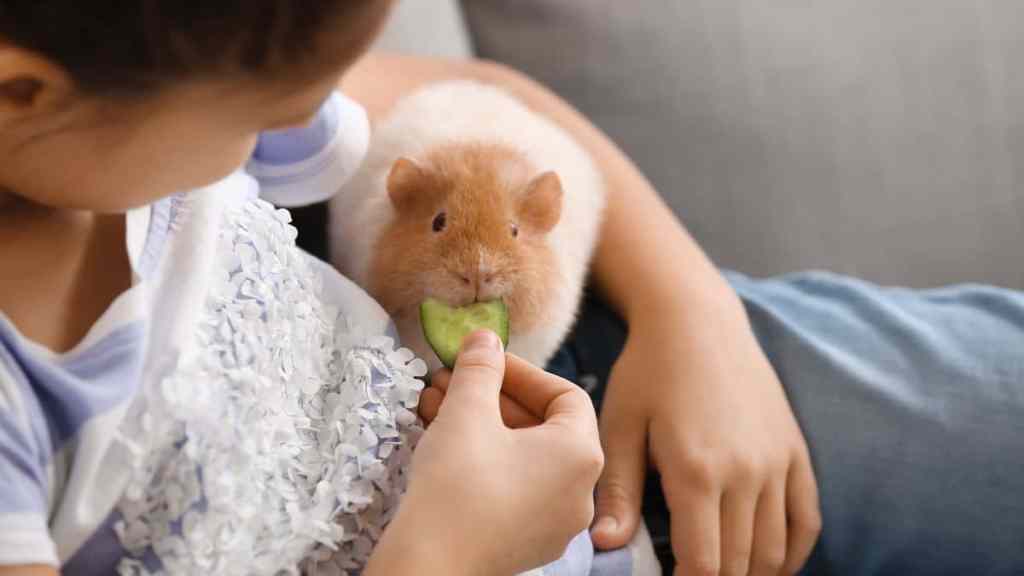
Guinea pigs may not be as eager to please as dogs, but they’re naturally inquisitive and thrive on gentle interaction. Training supports both their emotional and physical wellbeing, especially in more confined or indoor living setups.
Key benefits of training include:
It’s not about being strict or formal — a few minutes of daily training using favourite veg or herbs can enrich their lives and strengthen your connection dramatically.
Can Guinea Pigs Really Learn Tricks?
Absolutely. While they’re not wired like dogs or parrots, guinea pigs are intelligent animals with excellent routine memory and strong food motivation — which makes them ideal candidates for short, reward-based training.
Their learning style relies on repetition, gentle encouragement, and positive reinforcement. That means no shouting, no pushing, and no punishment. You’re simply rewarding the behaviours you want to see — and over time, your guinea pig starts to offer those behaviours willingly.
Common behaviours guinea pigs can learn include:
Use high-value, safe treats — such as coriander, basil, cucumber, or small pieces of bell pepper — to keep your guinea pig focused and engaged. Always use tiny portions to avoid disrupting their hay-based diet.

Quick Tip
The key is consistency. Short daily sessions, clear cues, and lots of calm repetition are all it takes to unlock their potential.
What Tricks Can I Teach My Guinea Pig?

You can teach your guinea pig a surprising number of fun and practical behaviours. Start with simple movements and build up slowly — always using rewards, patience, and repetition. Here are some beginner-friendly tricks that most guinea pigs can learn:
✅ Come When Called
This is one of the most useful and rewarding tricks to teach — and often the easiest to start with.
How to teach it:
- Choose a consistent cue — their name, a whistle, or a specific sound.
- Say it every time you offer a treat or approach them calmly.
- Gradually increase the distance between you and your guinea pig.
- Reward them each time they move towards you.
With time, they’ll associate the cue with something positive and start coming over on their own.
✅ Turn in a Circle (“Spin”)
This trick is simple to teach using food luring — and looks great once learned.
Steps:
- Hold a treat close to your guinea pig’s nose.
- Move it slowly in a circular motion, encouraging them to follow.
- Say “Spin!” or “Turn!” as they complete the movement.
- Reward immediately after the full circle.
Repeat in short sessions. Eventually, you’ll be able to cue the behaviour with just a hand motion.
✅ Stand Up (or “Beg”)
Some guinea pigs naturally rise onto their hind legs when asking for food — this trick puts that behaviour on command.
Training method:
- Hold a treat just above their nose.
- Say “Up!” or “Stand!” and encourage them to lift.
- Reward once they raise their body upright.
Avoid this trick if your guinea pig has any mobility concerns, and never force the movement — it should always be voluntary and fully supported.
✅ Go Through a Tunnel or Maze
Agility-style enrichment is a great way to keep your guinea pig’s mind and body active.
Getting started:
- Use a cardboard tunnel or plastic piping on a flat surface.
- Place a treat at the exit and encourage them to walk through.
- Say “Tunnel!” or a similar cue as they move forward.
- Reward when they reach the other end.
Over time, you can add extra obstacles, but always keep things low to the ground and safe to navigate.
How to Train a Guinea Pig: Step-by-Step
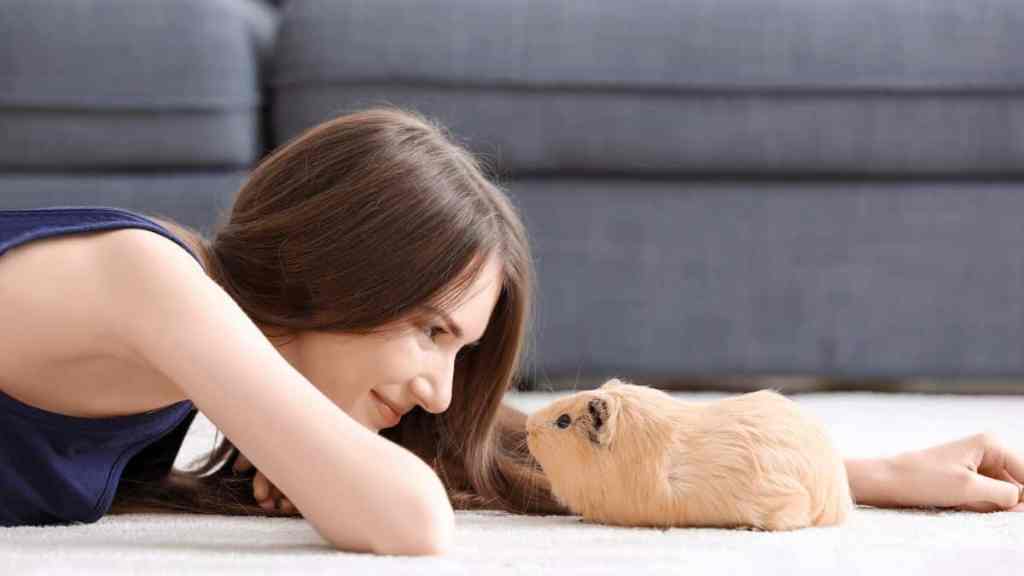
Training your guinea pig is simple once you break it down into small, manageable steps. The goal isn’t perfection — it’s trust, consistency, and positive reinforcement. Here’s how to set yourself (and your piggie) up for success:
1. Pick the Right Time
Choose a time when your guinea pig is naturally alert and curious. Avoid training immediately after feeding or during their usual rest periods. Most guinea pigs are more receptive in the late morning or early evening, when they’ve had time to settle but aren’t too tired.
Start with calm energy. Sit at their level, speak gently, and avoid distractions — TVs, noisy children, or other pets can all interrupt learning.
2. Choose the Right Treats
Treats are the engine of training. Use small, irresistible rewards that are safe and healthy — ideally fresh veg or herbs they don’t get constantly in their regular diet.
🫑 Top guinea pig training treats:
Keep pieces pea-sized or smaller. The goal is to reward frequently without overfeeding or upsetting their sensitive digestive systems.
3. Keep Sessions Short
Guinea pigs can only concentrate for short bursts — and pushing them too long can turn a fun session into a frustrating one. Limit training to 3–5 minutes per session. One to two sessions a day is plenty.
Look for signs they’re losing interest (wandering off, ignoring treats, hiding) — that’s your cue to stop. Always try to end on a win, even if it’s something simple like responding to their name or walking towards you.
4. Use Consistent Cues
Pick clear, simple cues for each behaviour — and stick to them. If you change the word or gesture mid-way through training, your guinea pig may become confused and stop responding altogether.
Pair verbal cues with a hand signal whenever possible. For example:
- A soft “Come here!” paired with an extended hand
- A circular finger motion for “Spin”
- A gentle upward motion for “Stand”
The more consistent your cues, the faster they’ll catch on.
5. Mark and Reward Immediately
Timing matters. The instant your guinea pig performs the correct action — not five seconds later — mark the moment with a treat or a cheerful word like “Yes!”
Some people use clickers, but for guinea pigs, it’s often just as effective to use a quiet, positive voice. Avoid loud praise or clapping, which may startle them. Calm reinforcement is best.
6. Build Slowly
Don’t expect your guinea pig to master a trick in one session. Break each behaviour into micro-steps and reward progress along the way. For example, if teaching “Tunnel”, you might reward them for:
- Looking at the tunnel
- Stepping toward it
- Putting one paw inside
- Going halfway through
- Fully emerging from the other side
Reward every stage early on, and gradually increase expectations as confidence grows. Every guinea pig learns at their own pace — trust the process.
Common Training Mistakes (and How to Avoid Them)

Even with the best intentions, guinea pig training can hit roadblocks. Most issues come down to timing, motivation, or moving too quickly. The good news? These problems are easy to fix once you know what to look for.
❌ Moving Too Fast
One of the most common mistakes is expecting too much, too soon. If your guinea pig isn’t getting it, slow down and simplify the task. Break the behaviour into smaller steps and reward every bit of progress.
✅ Instead of “walk through the tunnel,” reward looking at the tunnel, stepping towards it, then halfway through, and so on.
❌ Training When They’re Not Interested
Guinea pigs won’t learn if they’re tired, full, or overwhelmed. If they’re hiding, turning away from treats, or freezing, it’s not the right time.
✅ Wait until they’re alert and relaxed. Always work on their schedule — not yours.
❌ Using the Wrong Treats
If your guinea pig isn’t motivated, your rewards might not be enticing enough. Every piggie has preferences, and what works for one may not work for another.
✅ Try coriander, parsley, or a tiny sliver of bell pepper. Mix it up until you find their favourites — just keep portions tiny.
❌ Changing Cues Midway
Switching words or gestures halfway through training is confusing. Your guinea pig learns through repetition, so consistency is key.
✅ Pick a single cue for each behaviour — and stick to it. Everyone in the household should use the same commands too.
❌ Being Too Loud or Intense
Sudden movements, clapping, or loud praise can startle guinea pigs — especially shy ones. They may run, freeze, or hide instead of learning.
✅ Use a soft voice and gentle movements. Training should feel calm and safe.
What About Clicker Training?
Clicker training is often associated with dogs, but it can be adapted for guinea pigs — if done carefully. The goal is to help your guinea pig understand exactly when they’ve done something right by marking that moment with a consistent sound.
That said, most commercial clickers are too loud and sharp for small pets. Guinea pigs have sensitive hearing, and a sudden loud click may cause stress rather than help learning.
If you want to try clicker training:
- Choose a quiet or adjustable clicker. Look for one designed for small animals, or wrap a cloth over a standard clicker to muffle the sound.
- Always follow the click with a treat. The click only works if it’s consistently paired with something positive.
- Click the moment the behaviour happens. Timing is critical — the sound must happen as your guinea pig performs the correct action, not before or after.
- Use the clicker sparingly. Don’t click randomly or multiple times in a row — one click = one treat.
Is it essential? No. Many owners prefer to use a happy voice (“Yes!” or “Good pig!”) or simply deliver a treat right away. That’s perfectly effective. The key is to be consistent and positive — whether you use a clicker or not.
Know When to Stop
Training should always be a positive experience — for both of you. If your guinea pig starts to show signs of stress, frustration, or boredom, it’s time to pause.
Signs it’s time to stop:
When you spot these cues, don’t try to push through. End the session gently — and if possible, end on a small success. Even something as simple as responding to their name or taking a treat from your hand is a win. Short, regular sessions — always on their terms — are more effective than long, forced ones. One good experience is better than ten rushed ones.
Over time, your guinea pig will start to look forward to training — but only if it remains calm, consistent, and rewarding.
Can Every Guinea Pig Learn?

In theory, yes — but like people, every guinea pig is different. Some are bold, curious, and eager to engage. Others may be naturally shy, easily startled, or slow to warm up. These personality differences don’t mean they can’t learn — they just mean your approach needs to be tailored.
If your guinea pig is new, nervous, or not used to being handled, training should start with building trust — not tricks.
Before starting any formal training:
Once your guinea pig feels safe, real training becomes much easier. A guinea pig that trusts you will naturally be more curious, more relaxed, and more open to learning.
Training is really just communication — and communication begins with trust.
Summary Table: Training Guinea Pigs at a Glance
|
Training Element |
Best Practice |
|---|---|
|
Ideal Tricks |
Come when called, spin, stand, walk through tunnel |
|
Method |
Positive reinforcement — treat and reward-based training |
|
Best Treats |
Coriander, parsley, cucumber, bell pepper |
|
Session Length |
3–5 minutes, 1–2 times daily |
|
Common Pitfalls |
Rushing, inconsistent cues, poor timing, lack of interest |
|
Helpful Tools |
Quiet clicker (optional), verbal praise, hand signals |
|
Key Tip |
Build trust before teaching — especially with nervous piggies |
Final Thoughts
Training your guinea pig isn’t about flashy tricks — it’s about building a deeper bond, encouraging mental stimulation, and creating a more interactive relationship with your pet. Whether they master a full spin or simply come when called, you’re creating moments of connection that enrich both your lives.
Start small. Go at their pace. Keep it positive. With time and consistency, even the most cautious guinea pig can grow into a confident little learner — and you’ll be amazed at how much joy those tiny steps can bring.
So grab a favourite herb, sit at their level, and see what your guinea pig is ready to show you. Training isn’t just possible — it’s one of the most rewarding parts of being a piggie parent.